
Would You Fly 24,000 Miles For One Perfect Wave?
Introduction: The Ultimate Surfing Dream
Imagine traveling around the world. You fly for days. You cross oceans and continents. Your destination is one special wave. This wave is at Jeffreys Bay in South Africa. Surfers call it J-Bay. It is famous for its perfect waves. The waves are long and smooth. They can ride for over 300 meters. That is three football fields! This journey is 24,000 miles round trip. Is one wave worth this huge trip? Many surfers say yes. They dream about J-Bay their whole lives. This article explores this amazing question. We will look at the wave, the journey, and the experience. You will learn why surfers make this epic trip. You will understand the magic of J-Bay.
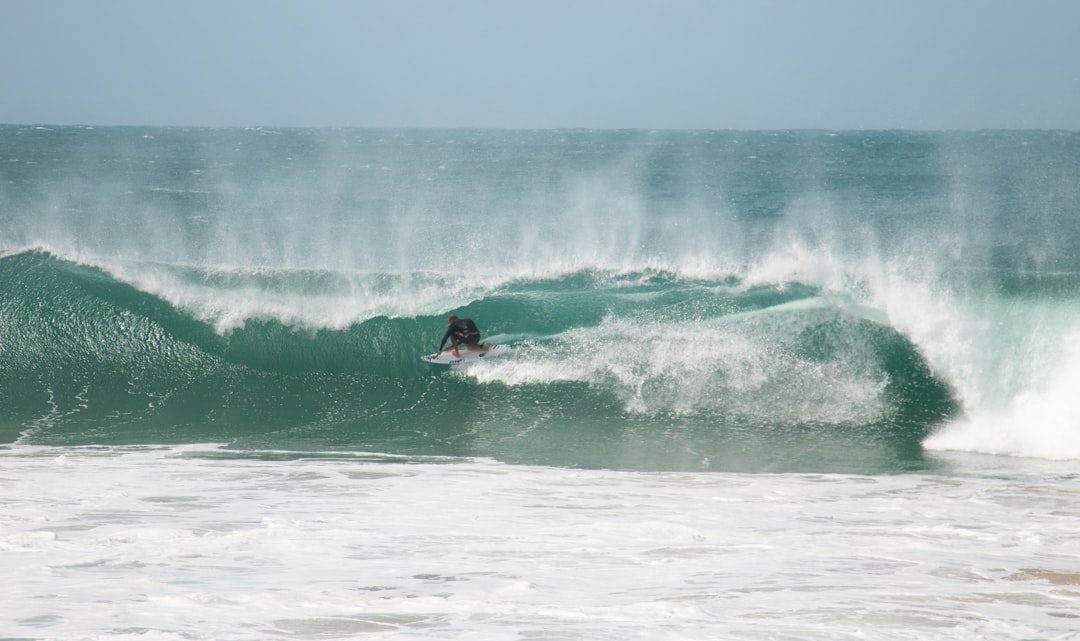
J-Bay is not just any surf spot. It is legendary. The wave breaks along a rocky point. It creates perfect barrels. The water is clean and blue. The wave is fast and powerful. Surfers can perform many maneuvers. They can cut back and stall. They can get deep inside the tube. The wave suits both regular and goofy foot surfers. The best time to visit is from June to August. This is when the swells are biggest. The water is cold then. You need a wetsuit. But the waves are worth it. Many professional surfers call J-Bay their favorite wave. Some have spent years trying to catch the perfect wave there.
What Makes J-Bay So Special?
J-Bay has a unique setup. The ocean floor has specific rocks. These rocks create the perfect wave shape. The wave breaks in sections. Each section has a different character. The first section is called "Supertubes." It is very fast and hollow. Then comes "Impossibles." This section is more challenging. It requires skill to ride. Finally, there is "Boneyards." This section ends the ride. The whole wave can last over 45 seconds. That is a very long ride in surfing. Most beach breaks last only 5-10 seconds.
The Perfect Wave Formation
The wave at J-Bay forms because of several factors. The South African current brings cold water. This meets warmer water from the Indian Ocean. The wind usually comes from the west. This wind helps shape the waves. The point where the wave breaks is called a "point break." The wave wraps around the point. This creates a long, peeling wave. The wave does not close out suddenly. It stays open for a long time. This lets surfers ride along its face.
Historical Significance
J-Bay became famous in the 1960s. Surfers from around the world discovered it. The first professional contest was held in 1984. It was called the "J-Bay Open." Today, it is part of the World Surf League Championship Tour. Many legendary surfers have won here. Names like Kelly Slater, Mick Fanning, and Jordy Smith. In 2015, something amazing happened. Mick Fanning was attacked by a shark during the final. He escaped unharmed. This event made J-Bay even more famous worldwide.
The Journey: 24,000 Miles to Paradise
Now let's talk about the journey. From California to J-Bay is about 12,000 miles each way. That is 24,000 miles total. You will likely fly from Los Angeles to Johannesburg. This flight takes about 18 hours. Then you need another flight to Port Elizabeth. That is one more hour. Finally, you drive 45 minutes to Jeffreys Bay. The total travel time can be over 24 hours. You will cross multiple time zones. You will feel jet lag. Your body will be tired. But your mind will be excited.
Planning Your Epic Surf Trip
Planning this trip requires careful preparation. Here are key steps to follow:
- Check swell forecasts: Use Surfline or Magic Seaweed
- Book flights early: Look for deals 3-6 months ahead
- Get travel insurance: Cover your boards and health
- Pack the right equipment: Bring multiple boards for different conditions
- Arrange airport transfers: Make sure they can handle surfboards
- Learn about local customs: Respect the South African culture
- Get necessary vaccinations: Check with your doctor
- Exchange currency: South Africa uses the Rand
Cost Breakdown of the Journey
This trip is not cheap. Here is an approximate cost breakdown for one person:
- Round-trip flights: $1,200-$2,000
- Surfboard baggage fees: $200-$400
- Accommodation (2 weeks): $800-$1,500
- Food and drinks: $400-$600
- Local transportation: $200-$300
- Surf guide or lessons: $200-$500
- Travel insurance: $100-$200
- Total estimated cost: $3,100-$5,500
The J-Bay Experience: More Than Just Surfing
J-Bay offers more than amazing waves. The town itself is charming. It has a population of about 27,000 people. The locals are friendly and welcoming. Many work in the surfing industry. There are surf shops, cafes, and restaurants. The town has a relaxed vibe. People move slowly. They enjoy life. The weather is mild most of the year. Summer temperatures average 25°C (77°F). Winter temperatures average 18°C (64°F).
Local Culture and Community
The local community loves surfing. Many children learn to surf very young. The town hosts the J-Bay Open each year. This brings thousands of visitors. Local businesses thrive during this time. You can learn about South African culture. Try local foods like braai (barbecue) and bobotie (spiced meat dish). Visit the Jeffreys Bay Shell Museum. It has over 600 species of shells. This shows the rich marine life in the area.
Wildlife and Nature
The area around J-Bay is beautiful. There are stunning beaches and nature reserves. You might see dolphins surfing the waves with you. Sometimes whales pass by during migration season. The Addo Elephant National Park is nearby. You can see elephants, lions, and buffalo. This adds to the amazing experience. It is not just about surfing. It is about connecting with nature.
The Perfect Wave: What It Feels Like
Catching the perfect wave at J-Bay is magical. The wave picks you up smoothly. You drop down the face. The speed is incredible. You feel the power of the ocean. The wave forms a perfect tube around you. You are inside the barrel. Water sprays around you. The sun shines through the water. Time seems to slow down. You hear only the sound of the wave. Everything else disappears. This moment is pure joy. It is why surfers travel so far.
A Surfer's Personal Account
Professional surfer Jordy Smith grew up in South Africa. He knows J-Bay well. He says: "J-Bay is like a perfect machine. The wave is so long and fast. You can do so many turns. The barrel is incredible. It is the best wave in the world." Many surfers share this feeling. They describe J-Bay as a spiritual experience. The wave connects them to nature in a deep way.
The Science of the Perfect Wave
Scientists study why J-Bay works so well. The sea floor has a specific shape. The rocks are arranged perfectly. The swell direction is ideal. The wind usually comes from the right direction. All these factors create the perfect wave. According to coastal engineering studies, point breaks like J-Bay are rare. Only a few places in the world have such perfect conditions. This makes J-Bay precious to surfers.
Practical Tips for Your J-Bay Adventure
If you decide to make the trip, here are practical tips:
When to Go
The best time is from June to August. This is winter in South Africa. The swells are biggest and most consistent. The water is cold (14-16°C or 57-61°F). You need a 3/2mm or 4/3mm wetsuit. Booties are recommended. The crowds are smaller than in summer. The waves are better quality.
What to Bring
- Multiple surfboards: Bring a shortboard for good waves and a step-up for bigger days
- Wetsuit: 3/2mm or 4/3mm depending on your cold tolerance
- Booties: Protect your feet from rocks and cold
- Surf hat: Protect from the African sun
- Sun protection: Strong sunscreen (SPF 50+) and zinc
- First aid kit: For minor cuts and reef rash
- Travel adapter: South Africa uses Type M plugs
Staying Safe
J-Bay is generally safe for surfing. But follow these safety rules:
- Respect the locals: Wait your turn in the lineup
- Watch for rocks: Some sections have exposed rocks
- Be shark aware: Although attacks are rare, be vigilant
- Don't surf alone: Always have a buddy
- Know your limits: J-Bay waves can be powerful
- Check conditions: Ask local surf shops about current conditions
Frequently Asked Questions
How difficult is J-Bay for beginner surfers?
J-Bay is not for beginners. The waves are fast and powerful. You need good paddle fitness. You must be able to catch waves quickly. The lineup can be crowded with experienced surfers. Beginners should try other spots in Jeffreys Bay first. There are beach breaks that are more forgiving.
What is the best board for J-Bay?
Most surfers use high-performance shortboards. The boards are usually 6'0" to 6'4" long. They have plenty of rocker for steep drops. They have thin rails for better control. On bigger days, use a step-up board. This board is slightly longer and has more volume.
Are there sharks at J-Bay?
Yes, there are sharks in South African waters. But attacks are very rare. The International Shark Attack File shows few incidents at J-Bay. The famous 2015 attack was an exception. Local surfers surf there daily without problems. Use common sense. Don't surf at dawn or dusk. Don't surf near fishing activity.
How crowded does J-Bay get?
J-Bay can get crowded during peak season. Especially when the waves are good. The lineup might have 50-100 surfers. But the wave is so long that everyone gets turns. During competitions, the spot is closed to the public. Weekdays are less crowded than weekends.
What other surf spots are near J-Bay?
There are several other spots in the area. These include:
- Magnatubes: A faster, hollower section near Supertubes
- Kitchen Windows: A softer wave good for longboards
- Albany Beach: A beach break for beginners
- Paradise Beach: Another point break north of J-Bay
Do I need a guide to surf J-Bay?
You don't need a guide. But it helps. A local guide knows the conditions. They can tell you about the crowds. They can show you the best spots for your skill level. They can help with local customs. Many surf camps offer guide services.
What is the water quality like at J-Bay?
The water is generally clean. But after heavy rain, avoid surfing near the river mouth. The South African water department monitors water quality. Local surf shops have current information. The water is clear most of the time. You can see the bottom in many areas.
Real Examples: Surfers Who Made the Journey
Many surfers have traveled far to surf J-Bay. Their stories inspire others.
John from California
John is a dentist from San Diego. He saved for two years for his J-Bay trip. He traveled with three friends. They spent two weeks in Jeffreys Bay. John says: "It was the best trip of my life. The waves were perfect. I caught a wave that lasted forever. I will never forget it. The long journey was worth it."
Sarah from Australia
Sarah is a teacher from Sydney. She traveled alone to J-Bay. She joined a surf camp. She met people from around the world. Sarah says: "I was nervous about traveling alone. But everyone was friendly. The waves were amazing. I improved my surfing so much. I made friends for life."
The Brazilian Group
A group of surfers from Brazil chartered a trip. They organized everything through a local surf shop. They scored perfect waves for five days straight. One surfer said: "This is better than Hawaii. The waves are longer and more perfect. We will come back every year."
Statistics: The Numbers Behind the Dream
Let's look at some interesting statistics about J-Bay:
- Wave length: Up to 300 meters (984 feet)
- Wave duration: Up to 45 seconds
- Water temperature: 14-22°C (57-72°F)
- Best swell direction: Southwest
- Best wind direction: West or northwest
- Annual visitors: Over 50,000 surf tourists
- Local surf schools: 15+ in Jeffreys Bay
- Surfboard shops: 20+ in the town
- According to Statista, surfing tourism generates millions for South Africa
Step-by-Step Guide to Planning Your Trip
Follow these steps to plan your J-Bay adventure:
Step 1: Research and Dream
Start by learning about J-Bay. Watch videos online. Read surf reports. Follow local surf shops on social media. Imagine yourself surfing there. This will motivate you to plan the trip.
Step 2: Save Money
Create a savings plan. Set aside money each month. Consider opening a special savings account. Cut unnecessary expenses. Remember the total cost is $3,000-$5,500.
Step 3: Get in Shape
J-Bay requires good fitness. Start training 3-6 months before your trip. Focus on:
- Paddling endurance: Swim regularly
- Upper body strength: Do push-ups and pull-ups
- Cardio fitness: Run or cycle
- Flexibility: Stretch daily
- Surf as much as possible before you go
Step 4: Book Flights and Accommodation
Book flights 3-6 months in advance for best prices. Look for deals on travel websites. Choose accommodation near the surf spot. Consider surf camps for the full experience.
Step 5: Prepare Equipment
Service your boards before the trip. Buy new leashes and wax. Pack repair kits. Consider buying travel insurance that covers surf equipment.
Step 6: Final Preparations
Get necessary vaccinations. Exchange currency. Learn basic Afrikaans phrases. Download maps and surf apps. Tell your bank you're traveling.
Conclusion: Is It Worth the Journey?
So, would you travel 24,000 miles for one wave? For many surfers, the answer is yes. J-Bay is not just a wave. It is an experience. It is a dream. The journey is part of the adventure. You see new places. You meet new people. You challenge yourself. The memory of that perfect wave stays with you forever. It becomes part of your story.
Surfing at J-Bay changes you. You appreciate nature more. You understand the ocean better. You become part of a global surfing community. The long flight, the cost, the preparation - all become worth it when you catch that perfect wave. When you are inside the barrel at J-Bay, time stops. You are completely present. You are living your dream. That moment is priceless. So yes, 24,000 miles is a long way. But for that one perfect wave at J-Bay, it might just be worth it.
Start planning your trip today. Your perfect wave is waiting. The journey of a lifetime begins with one decision. Will you make it?