
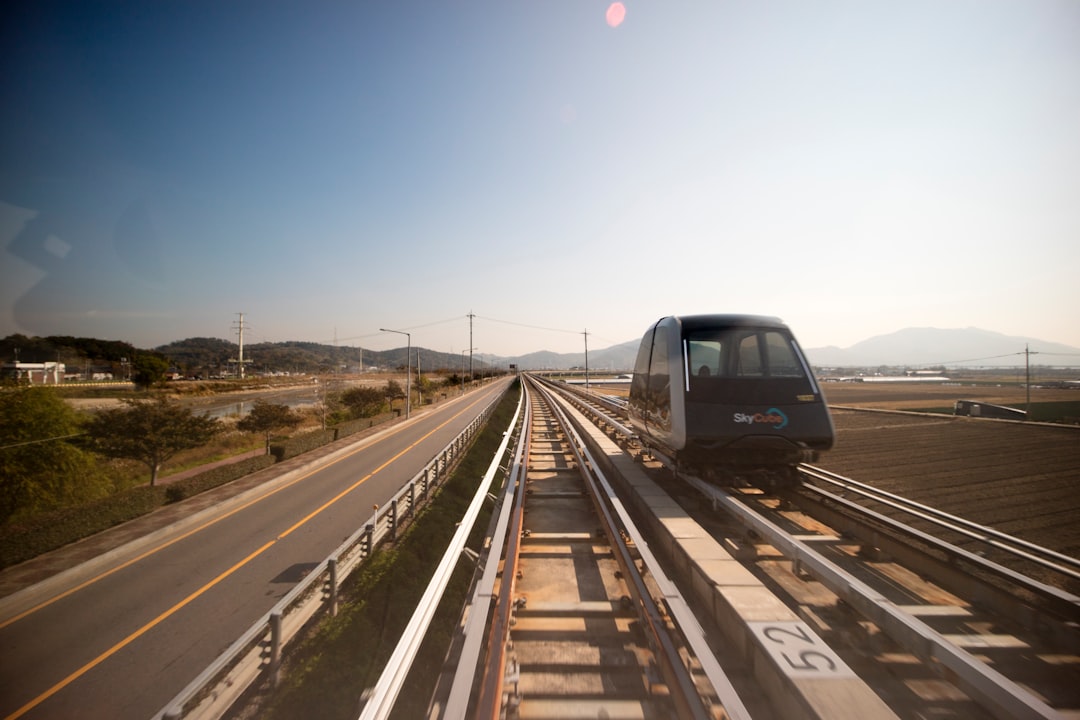
Why Trains Beat Planes: The Surprising Truth
Introduction: Rediscovering the Joy of Rail Travel
Imagine starting your journey the moment you leave your home. No long security lines. No removing your shoes. No liquid restrictions. This is the reality of train travel. While flying seems faster, trains often provide a better overall experience. You see more. You stress less. You arrive refreshed.
Recent studies show train travel is growing in popularity. The European Rail Industry reports rail passenger numbers increased by 50% in some regions. People are choosing trains for both short and medium distances. They discover what frequent travelers have known for years. Trains offer something special that planes cannot match.
This article will explore why rail travel often beats flying. We will look at time savings, comfort, cost, and environmental impact. You might be surprised by what we uncover. The numbers tell an interesting story. So does the experience of thousands of travelers.
The Time Myth: Why Trains Are Often Faster
Everyone assumes planes are faster. This is not always true. You must consider total travel time. This includes getting to the airport, security checks, and baggage claim. For distances under 500 miles, trains frequently win.
Door-to-Door Comparison
Let us compare a journey from London to Paris. By plane, you need to arrive 2 hours early. Add transit time to distant airports. Include security and boarding. The flight itself is just over one hour. Then you have baggage claim and travel into the city. Total time: 5-6 hours.
Now consider the Eurostar train. You arrive 30 minutes before departure. Stations are in city centers. No security lines. The journey takes 2 hours 15 minutes. You step off in central Paris. Total time: 3 hours. The train saves you 2-3 hours.
Productive Travel Time
Train travel time is usable time. You have space to work. Reliable internet connection. Power outlets at every seat. You can make phone calls. Move around freely. On planes, you have limited mobility. Internet is often unreliable. Working space is cramped.
A BBC study found business travelers complete 3 hours of work on a 4-hour train journey. On similar flights, they complete just 1 hour. The difference is significant for professionals.
Comfort and Experience: Traveling in Style
Comfort is where trains truly excel. Space matters when you travel. Trains provide more of it. Legroom is generous. Seats are wider. You can get up and walk around. Many trains have dining cars and lounges.
Physical Comfort
Airline seats have been shrinking for years. The average seat width has decreased from 18.5 to 17 inches. Legroom has reduced from 35 to 31 inches. Meanwhile, train seats remain spacious. Most offer at least 20 inches width. Legroom averages 40 inches.
You can stand up whenever you want. Stretch your legs. Visit the dining car. On overnight trains, you can have a proper bed. Some even offer private cabins with showers.
Mental Comfort
Airports are stressful places. Long lines. Loud announcements. Constant security checks. Train stations are calmer. You arrive closer to departure. The boarding process is simple. You maintain your dignity throughout.
Scenery is another advantage. Train windows offer panoramic views. You see countryside, towns, and mountains. Plane windows show clouds or tiny landscapes. The journey becomes part of the experience.
Cost Considerations: The Real Price of Travel
Many people assume flying is cheaper. This is not always true. When you add all costs, trains often compete well. Sometimes they are cheaper. Let us break down the numbers.
Ticket Price Comparison
For last-minute travel, trains usually cost less. Airline prices increase dramatically close to departure. Train prices remain more stable. A study by Wanderu found trains were cheaper for 60% of same-day bookings.
Consider hidden costs too. Airport transfers can cost $50-100. Baggage fees add another $30-60. On trains, you typically get two bags included. Transfers are cheaper since stations are central.
Business Travel Costs
For business travelers, time is money. The productive time on trains has real value. A consultant billing $200 per hour gains $400 in productive time on a 2-hour train versus plane. This often makes trains the better financial choice.
Companies are noticing this. Many have changed travel policies. They now prefer trains for journeys under 4 hours. The total cost is lower. Employee satisfaction is higher.
Environmental Impact: Traveling Green
Climate change concerns are growing. Travelers want to reduce their carbon footprint. Trains offer a clear advantage here. They are the most environmentally friendly motorized transport.
Carbon Emissions
Trains produce far less CO2 than planes. The European Environment Agency reports trains emit 14 grams of CO2 per passenger kilometer. Planes emit 285 grams. That is 20 times more pollution.
Modern trains are getting even cleaner. Many European systems run on renewable energy. Some countries have 100% electric train networks. Air travel technology improves slowly. The fundamental physics of flight require massive energy.
Sustainable Travel Growth
Flight shame is a real phenomenon. Many Europeans are choosing trains to avoid flying. Sweden calls this "flygskam." Train travel increased 8% in Sweden last year. Meanwhile, domestic flights decreased 9%.
Young travelers especially care about the environment. A Booking.com survey found 72% of millennials would pay more for sustainable travel. Trains fit perfectly with this values shift.
Practical Tips for Better Train Travel
Ready to try train travel? These tips will help you get the most from your journey. Planning makes everything smoother.
Booking Strategies
- Book in advance for best prices
- Travel off-peak for cheaper fares
- Consider rail passes for multiple journeys
- Check for group discounts
- Look for senior or youth fares
Packing Smart
- Pack light for easy storage
- Bring entertainment - books, music
- Carry snacks and water
- Include a power bank for devices
- Remember chargers and adapters
During Your Journey
- Arrive 30 minutes before departure
- Choose window seats for views
- Take walks through the train
- Visit the dining car for meals
- Talk to fellow travelers
Real Examples: Train Success Stories
These real journeys show how trains beat planes. The numbers might surprise you.
London to Brussels
Business traveler Sarah Jenkins makes this trip monthly. By plane, it takes 4 hours 30 minutes door-to-door. The Eurostar train takes 2 hours. She saves 2.5 hours each way. Her company saves $200 per trip. She arrives relaxed and ready for meetings.
Tokyo to Osaka
The Shinkansen bullet train covers 320 miles in 2.5 hours. Flying takes 4 hours with airport transit. The train is more reliable in bad weather. It departs and arrives exactly on time. Japanese businesses overwhelmingly choose trains for this route.
Madrid to Barcelona
Spain's high-speed train transformed this route. It now carries 70% of travelers between these cities. The journey takes 2.5 hours. Flying takes 4 hours. Train tickets cost 30% less on average. The service is so popular that airlines reduced flights.
FAQ: Your Train Travel Questions Answered
Are trains really faster than planes for short distances?
Yes, for journeys under 500 miles. The total door-to-door time is usually less. You avoid long airport security and transfers.
How far in advance should I book train tickets?
Book 2-3 months ahead for best prices. Unlike planes, train prices don't spike as dramatically last-minute.
Can I work on trains?
Absolutely. Trains offer better working conditions than planes. Most have reliable WiFi, power outlets, and more space.
Are trains safer than planes?
Both are very safe. According to Eurostat, trains have slightly better safety records in Europe. The difference is small though.
What about overnight journeys?
Overnight trains are excellent. You save a hotel night and travel while sleeping. Wake up refreshed at your destination.
How do I find the best train deals?
Use rail company websites directly. Also check aggregator sites. Sign up for alert services for sales.
Can I change my train ticket easily?
Usually yes. Train tickets are more flexible than airline tickets. Change fees are typically lower.
Statistics That Will Surprise You
The numbers tell a compelling story about train travel advantages.
- Trains use 70% less energy per passenger than planes (International Energy Agency)
- High-speed rail captures 65% of Paris-Lyon travel market
- Train satisfaction rates are 85% versus 65% for airlines
- Business productivity is 3x higher on trains than planes
- Carbon emissions are 90% lower for train travel
- Station-to-station times beat planes on 70% of routes under 4 hours
Step-by-Step Guide: Planning Your First Train Journey
New to train travel? Follow these simple steps for a perfect journey.
Step 1: Choose Your Route
Research destinations within 500 miles. Consider travel time and frequency of service. Popular routes often have better facilities.
Step 2: Compare Options
Check different train operators. Look at departure times. Consider connection times if changing trains.
Step 3: Book Tickets
Use official rail websites for best prices. Consider flexible tickets if your plans might change. Download e-tickets to your phone.
Step 4: Prepare for Travel
Pack light. Charge your devices. Download entertainment. Prepare snacks if desired.
Step 5: Enjoy the Journey
Arrive 30 minutes early. Find your platform. Settle into your seat. Relax and enjoy the scenery.
Conclusion: The Future is Rail
Train travel offers clear advantages over flying for many journeys. The time savings are real when you count everything. Comfort levels are significantly higher. Environmental impact is much lower. Costs are often competitive or better.
The trend toward rail will continue. Governments are investing in high-speed networks. Travelers are discovering the benefits. Technology is making trains faster and more comfortable.
Next time you plan a trip, consider the train. You might discover a better way to travel. One that is faster, cheaper, and more enjoyable. The golden age of rail travel is returning. Will you be on board?
Start your rail journey today. Check routes in your region. Compare times and costs. Experience the difference for yourself. Once you try modern train travel, you might never go back to airports.