
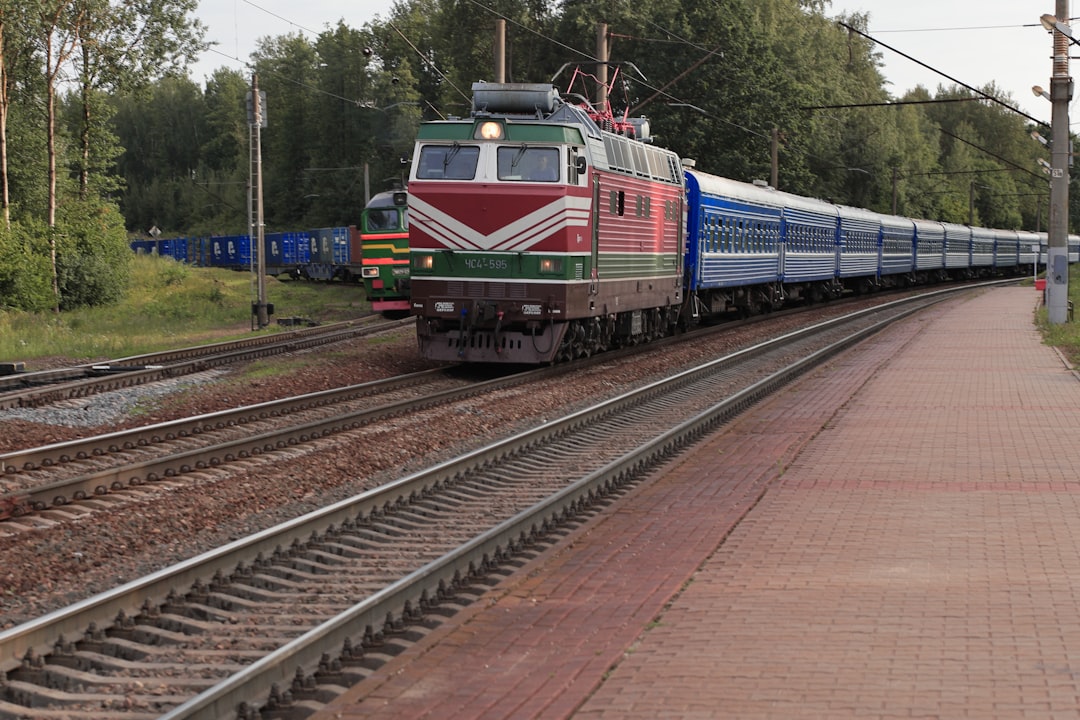
Why My $560 Eurail Pass Beat Flying in Europe
Introduction: Discovering Europe by Rail
I stood at the train station in Paris. My backpack felt heavy. But my heart felt light. I held a 7-day Eurail pass in my hand. It cost me $560. This pass would let me visit multiple countries. I planned to see France, Germany, Switzerland, and Italy. All by train. All in one week.
Many travelers fly between European cities. It seems faster. But I discovered something amazing. Train travel offers a better experience. You see the countryside. You meet people. You arrive in city centers. No airport security lines. No baggage fees. Just pure travel joy.
According to Eurail, over 400,000 people use their passes each year. The network covers 33 countries. I joined this community of rail explorers. My journey changed how I see travel. Let me share why trains beat planes in Europe.
The Real Cost Comparison: Trains vs Flights
At first, $560 seems expensive. But let's break down the costs. A one-way flight between major European cities costs $50-$200. Sometimes more. If you visit four countries, you might take 3-4 flights. That could total $400-$600. Plus airport transfers. Plus baggage fees. Plus food at airports.
The Eurail pass includes all these trips. One price covers everything. No hidden fees. I calculated my exact savings. My route would have cost $780 if booked separately. I saved $220. That's almost 30% cheaper.
Budget breakdown for my trip:
- Eurail 7-day pass: $560
- Separate train tickets: $780
- Flights with transfers: $650+
- Total savings: $220 vs trains, $90 vs flights
The Rick Steves Europe website confirms this. They note that rail passes offer the best value for multi-country trips. Especially for travelers under 27. They get youth discounts too.
Hidden Costs of Flying
Air travel seems cheap at first. But costs add up quickly. Budget airlines charge for everything. Checked bags cost $30-$60. Carry-on bags often cost money too. Airport transfers cost $20-$40 each way. Food at airports is expensive. You might spend $50 just getting to and from airports.
Trains arrive in city centers. You step off and you're there. No extra transportation needed. This saves time and money. The ECA International reports that airport transfers add 25% to travel costs in Europe.
The Journey Experience: Why Trains Win
Flying between European cities means spending half your day in transit. You go to the airport early. You wait in security lines. You board the plane. You fly for one hour. Then you collect baggage. Then you travel to the city. The one-hour flight becomes a four-hour ordeal.
Trains are different. You arrive at the station 20 minutes early. You find your platform. You board the train. You store your luggage nearby. Then you relax. You watch the scenery. You read a book. You chat with other travelers. The journey becomes part of the vacation.
On my trip from Paris to Zurich, I saw beautiful landscapes. Rolling hills. Small villages. Snow-capped mountains. I would have missed all this from a plane. The Man in Seat 61 travel website calls this "the world's surface travel guide." They show why the journey matters as much as the destination.
Comfort and Space
Train seats are more comfortable than plane seats. You have more legroom. You can walk around. You can visit the dining car. On high-speed trains, you get tables. You can work or eat properly. Some trains even have play areas for children.
I met a family from Australia on the Zurich to Munich route. They had two young children. The kids could move around safely. They weren't confined to seats. The parents looked relaxed. Flying with children is stressful. Train travel is peaceful.
The Railway Technology journal notes that modern trains prioritize passenger comfort. They have better air quality than planes. The humidity levels are higher. This reduces travel fatigue.
Planning Your Eurail Adventure
Buying a Eurail pass is easy. You visit their website. You choose your pass type. Options include global passes, select passes, and one-country passes. I chose the 7-day global pass. It let me travel any 7 days within one month. This flexibility was perfect.
Step-by-step booking process:
- Visit Eurail.com
- Choose "Global Pass"
- Select 7 days within 1 month
- Add youth discount if under 27
- Complete payment online
- Receive pass by mail or collect at station
You must activate your pass before first use. You do this at any major train station. Show your passport. The staff will stamp and date your pass. Then you're ready to travel.
Making Reservations
Some trains require reservations. High-speed trains and night trains usually need them. Reservation fees cost $10-$30. You can book these at station ticket offices. Or through the Eurail website. I recommend booking popular routes in advance.
My Paris to Zurich train needed a reservation. I booked it two days before. The fee was $15. It guaranteed me a seat. For regional trains, no reservations are needed. You just hop on and find a seat.
The Rail Europe website helps with reservations. They show which trains need bookings. They also show seat availability. This makes planning easier.
My 7-Day European Rail Itinerary
I want to share my exact route. This might help you plan your trip. I started in Paris. Then I visited Zurich, Munich, Venice, and Milan. Finally, I returned to Paris. Each journey took 4-6 hours. I spent 1-2 days in each city.
Day 1: Paris to Zurich
I left Paris Gare de Lyon at 8:00 AM. The TGV Lyria train was comfortable. I arrived in Zurich at 12:00 PM. I stored my luggage at the station. Then I explored the old town. I walked along Lake Zurich. The views were stunning.
Day 2: Zurich to Munich
This was my favorite journey. The train climbed into the Alps. I saw snow and glaciers. Then we descended into Germany. I reached Munich around 2:00 PM. I visited the English Garden. I saw people surfing in the river. Amazing!
Day 3: Munich to Venice
This was the longest ride. It took 7 hours. But the scenery kept changing. We went through the Austrian Alps. Then we followed the Italian coastline. Arriving in Venice was magical. The train station is right on the Grand Canal.
The Lonely Planet guidebooks helped me plan. They suggest ideal train routes. They also recommend things to do in each city. Their advice was invaluable.
Sample Costs During My Trip
- Hostel accommodations: $30-$50 per night
- Local meals: $15-$25 per day
- Museum entries: $10-$20 each
- City transportation: $5-$10 daily
- Total extra costs: $70-$105 daily
Environmental Benefits of Train Travel
Train travel is greener than flying. Trains produce less carbon per passenger. According to the European Environment Agency, trains emit 14 grams of CO2 per passenger kilometer. Planes emit 285 grams. That's 20 times more pollution.
My train journey helped the planet. I reduced my carbon footprint. I felt good about this. Many young travelers care about the environment. They choose trains for this reason.
The Guardian newspaper reports on "flight shame." This movement encourages train travel. People feel ashamed to take short flights. Trains are the ethical choice.
European Green Initiatives
The European Union supports train travel. They invest in high-speed rail networks. They want to connect all major cities by rail. The goal is to reduce domestic flights. Some countries already ban short flights where train alternatives exist.
France passed a law in 2021. It bans domestic flights if train journeys take under 2.5 hours. Austria and Germany have similar policies. This makes train travel more popular. It also improves rail infrastructure.
Practical Tips for Eurail Success
I learned many lessons during my trip. Here are my best tips for Eurail travelers. These will make your journey smoother and more enjoyable.
Packing smart:
- Use a backpack, not a suitcase
- Pack light - you'll carry everything
- Include snacks and water
- Bring a power bank for devices
- Carry a reusable water bottle
Navigation help:
- Download the Eurail Rail Planner app
- Get offline maps of each city
- Learn basic phrases in local languages
- Always have your passport accessible
- Keep your pass in a safe place
Money saving tips:
- Book hostels near train stations
- Use luggage storage at stations
- Eat at supermarkets instead of restaurants
- Travel with friends for group discounts
- Use free walking tours in each city
The Nomadic Matt travel blog offers great budget advice. His tips helped me save money. I stayed within my daily budget of $75.
Frequently Asked Questions
Is the Eurail pass worth it for short trips?
Yes, if you visit multiple countries. The break-even point is usually 3-4 long journeys. For shorter trips within one country, point-to-point tickets might be cheaper. Use the Eurail calculator on their website to compare costs.
Can I use the pass on all trains?
Most trains in Europe accept Eurail passes. Some high-speed trains require reservations. Private railways might not accept the pass. Always check before boarding. The Rail Planner app shows which trains need reservations.
What happens if I lose my pass?
Contact Eurail immediately. They can issue a replacement. There is a fee for this. Keep your pass safe at all times. Take photos of it as backup. Also keep your purchase receipt.
Are there discounts for students?
Yes, travelers under 27 get youth discounts. The savings are about 25%. Some countries offer additional student discounts. Always carry your student ID. Some museums and attractions offer student pricing too.
Can I change my travel dates?
The flexible passes let you choose travel days. You must select these days in your travel diary. You can change them until the day before. Once you write a date, you cannot change it. Plan carefully.
Is food available on trains?
Most long-distance trains have dining cars. They serve meals and snacks. Prices are reasonable. You can also bring your own food. Many stations have supermarkets. I recommend packing lunch for longer journeys.
What about overnight trains?
Night trains count as one travel day. They save you accommodation costs. You need reservations for sleeping compartments. These cost extra. But they're worth it for long distances. You wake up in a new city.
Real Traveler Stories and Statistics
I met many interesting people on my journey. Each had their own story. Maria from Spain was visiting her boyfriend in Germany. She used her Eurail pass monthly. She said it was cheaper than flying.
Tom from Canada was on a gap year. He bought a 3-month continuous pass. He visited 21 countries. He told me trains helped him meet locals. He learned about cultures in ways flying never allowed.
According to Statista, rail travel in Europe is growing. Passenger numbers increased by 15% between 2019 and 2023. Young travelers aged 18-35 are the biggest users of rail passes.
Economic Impact
Train travel supports local economies. When you arrive in city centers, you spend money locally. Airports are often far from cities. Money stays in airport businesses. The OECD reports that rail travelers spend 40% more in local communities than air travelers.
Conclusion: Why I'll Always Choose Trains
My $560 Eurail pass gave me more than transportation. It gave me experiences. I saw Europe from the ground. I met interesting people. I arrived relaxed in each new city. I saved money. I helped the environment.
Flying between European cities seems convenient. But it's not. The total time spent is similar. The stress is higher. The cost is often more. You miss the beautiful scenery between destinations.
I plan to buy another Eurail pass next year. I want to explore Eastern Europe. The trains will take me to Prague, Budapest, and Vienna. I can't wait to experience more rail adventures.
If you're planning a European trip, consider trains. Look beyond the initial price. Think about the total experience. The Eurail pass offers freedom and flexibility. It might change how you travel forever. It certainly changed mine.
Have you traveled by train in Europe? Share your experiences in the comments below. I'd love to hear your stories and tips. Happy travels!