
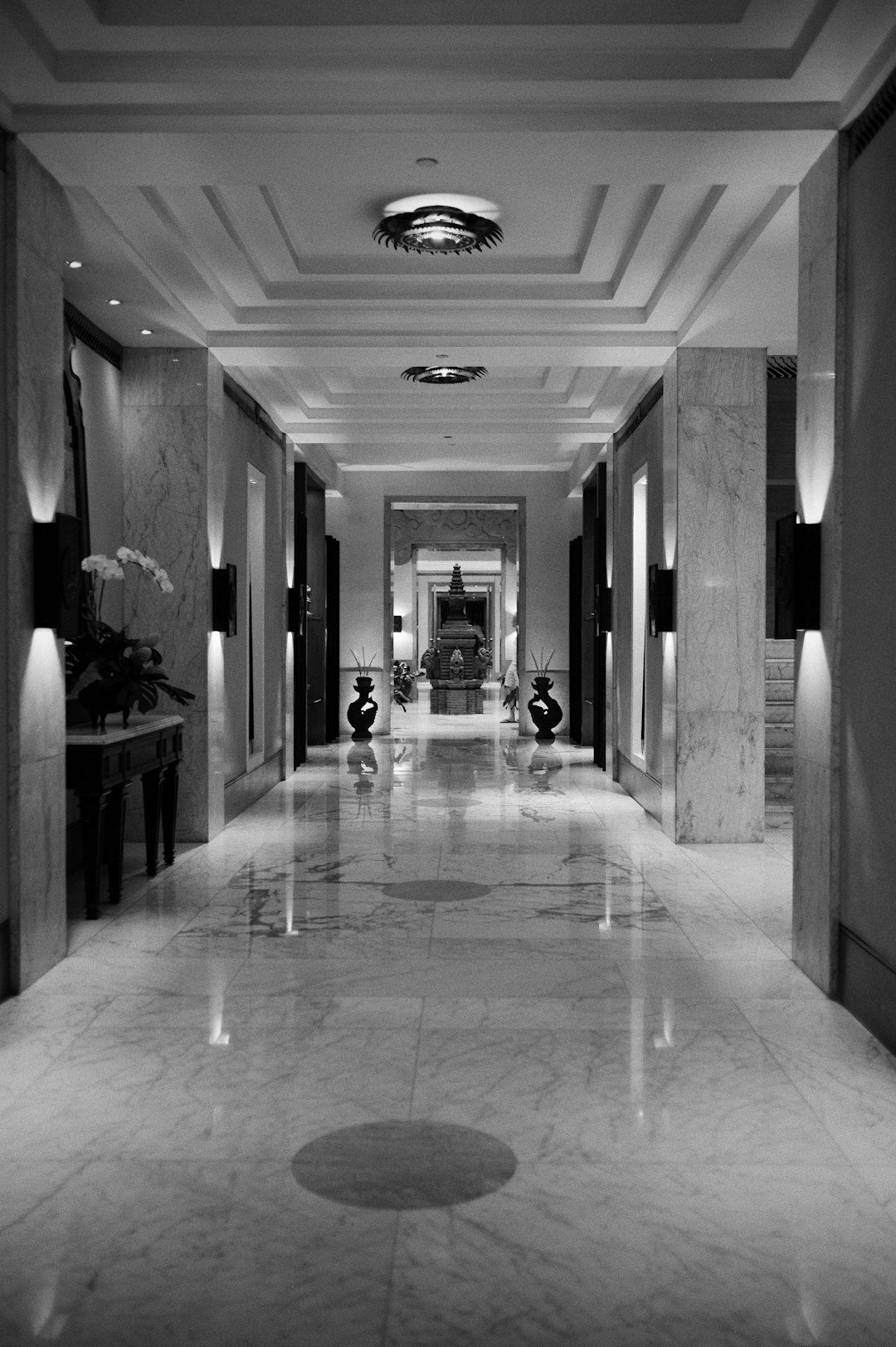
Why Luxury Hotels Boom While Americans Travel Less
Introduction: The Travel Paradox
Americans are taking fewer trips. But luxury hotel bookings are rising fast. This seems confusing at first. Why would people travel less but spend more on expensive hotels? The answer reveals big changes in how we travel today.
According to The Washington Post, luxury hotel chains are seeing record bookings. Meanwhile, overall travel numbers have dropped. This trend started after the pandemic. It continues to grow stronger each year.
People are choosing quality over quantity. They want special experiences. They value comfort and service more than before. This shift affects where people stay and how they travel. It also changes what hotels offer their guests.
In this article, we will explore this surprising trend. We will look at why it's happening. We will also discuss what it means for future travel. You will learn how to make smarter travel choices too.
The Numbers Don't Lie: Travel Statistics
Overall Travel Decline
Recent data shows Americans are traveling less. The U.S. Travel Association reports domestic trips decreased by 15%. Business travel dropped even more. Many companies cut travel budgets. Some use video calls instead of in-person meetings.
Several factors explain this decline. Inflation makes travel more expensive. Gas prices and airline tickets cost more. Many people feel uncertain about the economy. They choose to save money instead of traveling.
Remote work also plays a role. People don't need to commute to offices. This reduces business travel. Some workers can work from anywhere. But many prefer staying home to save money.
Luxury Hotel Growth
While overall travel decreases, luxury hotels thrive. Major luxury chains report strong growth. Marriott's luxury brands saw bookings increase by 25%. Four Seasons hotels had their best year ever. Other high-end hotels report similar success.
This growth surprises many industry experts. They expected luxury travel to suffer during economic uncertainty. Instead, wealthy travelers are spending more. They want better experiences when they do travel.
Middle-class travelers also contribute to this trend. They take fewer trips but save for special stays. A weekend at a luxury hotel becomes their main vacation. They prioritize quality over multiple cheap trips.
Why This Paradox Exists
The "Less But Better" Mindset
Many travelers adopted a new philosophy. They call it "less but better." This means taking fewer trips but making them special. Instead of three budget vacations, they take one luxury trip.
This approach has several benefits. Travelers feel more rested after quality trips. They create lasting memories. They return home feeling truly refreshed. Budget trips often feel rushed and stressful.
The pandemic changed how people view travel. Many realized life is short. They want to make each trip meaningful. Luxury hotels provide that meaningful experience.
Remote Work Opportunities
Remote work enables new travel patterns. People can work from luxury hotels. They combine work and vacation in one trip. This is called "workation" or "bleisure" travel.
A worker might spend two weeks at a luxury resort. They work during the day. They enjoy resort amenities in the evening. This extends their vacation time without using more leave days.
Hotels now cater to these remote workers. They offer strong WiFi and workspaces. Some provide business services. This makes luxury hotels attractive for working travelers.
Pent-up Demand and Revenge Travel
After pandemic restrictions lifted, people wanted to travel. This created "revenge travel." Travelers wanted to make up for lost time. They were willing to spend more on special trips.
This trend continues today. People still feel they missed important travel experiences. They prioritize trips that feel extra special. Luxury hotels provide that extra special feeling.
According to American Express Travel, 68% of travelers plan to splurge on travel. They want to create unforgettable memories. Luxury hotels help them achieve this goal.
How Luxury Hotels Are Adapting
Enhanced Health and Safety
Luxury hotels improved their health protocols. They offer contactless check-in. They enhance cleaning procedures. Many installed advanced air filtration systems.
These changes reassure wealthy travelers. They feel safer in luxury hotels. They trust the higher standards of cleanliness. This justifies the higher prices for many guests.
Budget hotels often can't afford these upgrades. Their health measures may be less comprehensive. This pushes safety-conscious travelers toward luxury options.
Personalized Experiences
Luxury hotels now focus on personalization. They use technology to remember guest preferences. Some hotels assign personal butlers to regular guests.
This personal touch makes guests feel special. They receive exactly what they want. The hotel remembers their favorite drinks. It knows their room temperature preference.
This level of service creates loyal customers. Guests return to hotels that make them feel valued. They're willing to pay more for personalized attention.
Unique Amenities and Services
Luxury hotels compete with unique offerings. Some provide:
- Private chefs and in-room dining
- Personal fitness trainers and yoga instructors
- Customized local experiences and tours
- Luxury transportation services
- Wellness programs and spa treatments
These amenities justify higher prices. Guests feel they get value for their money. They enjoy services not available elsewhere.
The Psychology Behind Luxury Travel Choices
Emotional Value Over Practical Value
Travelers increasingly value emotional benefits. They care less about practical considerations. A luxury hotel provides emotional rewards. It makes people feel successful and pampered.
This emotional value lasts longer than practical savings. People remember how a luxury stay made them feel. They forget how much money they saved on a budget trip.
Social media amplifies this effect. People share photos from luxury hotels. They receive positive feedback from friends. This reinforces the emotional value of luxury travel.
The Experience Economy
We live in an experience economy. People value experiences more than things. Luxury travel provides premium experiences. These become cherished memories.
According to Forbes, 72% of millennials prefer spending on experiences. They would rather travel than buy expensive items. Luxury hotels cater to this preference.
Hotels now design experiences, not just rooms. They offer cooking classes with famous chefs. They arrange private museum tours. These unique experiences attract experience-seeking travelers.
Practical Tips for Smart Luxury Travel
Finding Value in Luxury Stays
You don't need to be rich to enjoy luxury hotels. Follow these tips to find value:
- Travel during off-peak seasons
- Look for package deals that include meals or activities
- Join hotel loyalty programs for member discounts
- Book well in advance for early bird rates
- Consider shorter stays at luxury properties
Many luxury hotels offer special promotions. Sign up for their newsletters. Follow them on social media. You might find unexpected deals.
Making the Most of Your Stay
Once you book a luxury hotel, maximize your experience:
- Communicate your preferences before arrival
- Use all included amenities and services
- Ask the concierge for local recommendations
- Take advantage of complimentary offerings
- Provide feedback to staff for better service
Don't be shy about using what you paid for. Luxury hotels want you to enjoy their services. They appreciate guests who take full advantage.
Alternative Luxury Options
Consider these alternatives to traditional luxury hotels:
- Boutique hotels with unique character
- Luxury vacation rentals with premium amenities
- High-end bed and breakfast establishments
- Luxury camping or "glamping" experiences
- Premium cruise ship accommodations
These options might offer better value. They provide luxury experiences at lower prices. Research different types of luxury accommodation.
Real Examples and Case Studies
The Ritz-Carlton Transformation
The Ritz-Carlton hotel chain adapted well to new trends. They introduced "Ritz-Carlton Moments." These are personalized experiences for guests.
A family might arrive to find their children's favorite toys. A business traveler might receive their preferred newspaper. These small touches create big impressions.
The chain also enhanced their wellness offerings. They partnered with famous fitness experts. They created unique spa treatments. These changes helped them attract new customers.
Four Seasons Remote Work Program
Four Seasons launched a Work From Four Seasons program. It targets remote workers. The package includes:
- Dedicated workspace in room
- High-speed internet
- Food and beverage credits
- Access to fitness facilities
- Flexible check-in and check-out
This program has been very successful. It shows how luxury hotels adapt to new travel patterns. Other hotels are copying this approach.
Future Predictions and Trends
Sustainable Luxury
Future luxury travel will focus on sustainability. Travelers want eco-friendly options. Luxury hotels are responding.
Many now use renewable energy. They reduce plastic waste. They source food locally. These practices appeal to environmentally conscious travelers.
According to Booking.com, 83% of travelers think sustainable travel is vital. Luxury hotels that prioritize sustainability will thrive.
Technology Integration
Luxury hotels will use more technology. Expect to see:
- Voice-controlled rooms
- Virtual reality previews of hotels
- Artificial intelligence for personalized service
- Mobile apps for all hotel services
- Smart room features that learn guest preferences
Technology will enhance the luxury experience. It will make services more efficient. It will also create new possibilities for personalization.
Frequently Asked Questions
Why are luxury hotels doing well when people travel less?
People are choosing quality over quantity. They take fewer trips but spend more on each one. Luxury hotels provide the special experiences travelers want.
Can middle-class families afford luxury hotels?
Yes, with smart planning. Look for deals and packages. Travel during off-peak times. Consider shorter stays. Many families save for one luxury trip instead of multiple budget trips.
What makes a hotel "luxury" today?
Luxury means exceptional service and attention to detail. It includes high-quality amenities. Personalized experiences are key. Luxury hotels anticipate guest needs before they ask.
Are luxury hotels worth the extra cost?
For many travelers, yes. The experience creates lasting memories. The service reduces travel stress. The amenities provide relaxation and enjoyment. It depends on your priorities and budget.
How has luxury travel changed since the pandemic?
Luxury travel now focuses more on health and safety. Personalization has increased. Remote work options are common. Sustainability has become more important.
What are the best ways to save on luxury hotels?
Join loyalty programs. Book in advance. Travel during shoulder seasons. Look for package deals. Consider last-minute bookings if you're flexible.
Will this luxury trend continue?
Experts believe it will continue. The shift toward quality over quantity seems permanent. People value experiences more than ever. Luxury hotels will keep adapting to meet new demands.
Conclusion: The New Travel Reality
The travel landscape has changed permanently. Americans are traveling less but spending more on luxury. This trend reflects deeper changes in how we view travel and experiences.
Quality matters more than quantity. Special memories outweigh multiple ordinary trips. People want their limited travel time to be meaningful and memorable. Luxury hotels deliver exactly that.
This trend benefits both travelers and hotels. Travelers get better experiences. Hotels can focus on providing exceptional service. Everyone wins when travel becomes more intentional and special.
The future of travel looks different than the past. But it might be better in many ways. More thoughtful travel choices lead to more satisfying experiences. Luxury hotels will continue playing a key role in this new travel reality.
Next time you plan a trip, consider the luxury option. It might cost more upfront. But the memories and experience could be worth much more. Sometimes, less really is more when it comes to travel.