
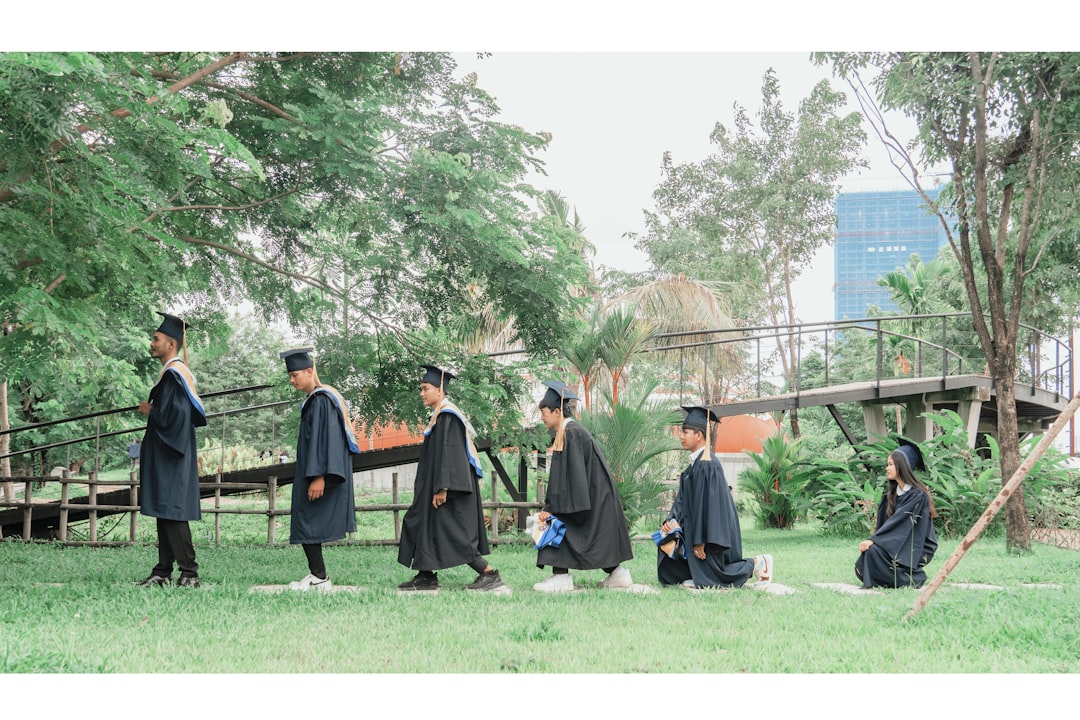
Why International Students Are Skipping US Colleges
Introduction: The Changing Landscape of US Education
American universities have long been a dream destination for international students. For decades, students from around the world flocked to US institutions. They came for world-class education and diverse cultural experiences. But recent data shows a dramatic shift. According to The New York Times, nearly 20% fewer international students traveled to the US in August. This represents a significant drop in international enrollment.
The decline affects universities across the country. From large public universities to small private colleges, institutions are feeling the impact. This trend has serious implications for US higher education. It also affects local economies and cultural diversity on campuses. Understanding why this is happening is crucial for students, educators, and policymakers.
This comprehensive analysis explores the multiple factors behind this decline. We will examine visa challenges, political climate changes, and rising costs. We will also look at increasing competition from other countries. The global education landscape is changing rapidly. The US must adapt to maintain its position as a top study destination.
The Numbers: Understanding the Decline
The 20% drop in international student arrivals is not an isolated incident. It follows several years of slowing growth in international enrollment. According to the Institute of International Education, this trend began before the pandemic. However, COVID-19 accelerated the decline. The pandemic created travel restrictions and health concerns. Many students chose to study closer to home during this period.
Key Statistics and Data Points
- 20% fewer international student visas issued in August compared to previous year
- 15% decline in new international student enrollment since 2019
- 40% of US universities reported significant drops in international applications
- China and India, the top sending countries, showed the largest decreases
The Association of International Educators reports concerning trends. Their data shows declining interest from traditional source countries. At the same time, competition from other English-speaking countries has increased. Canada, Australia, and the UK have become more attractive options. They offer quality education at lower costs with easier visa processes.
Visa Challenges and Immigration Policies
Visa issues represent a major barrier for international students. The US student visa process has become more complex in recent years. Security checks and background investigations take longer. Many students face lengthy delays in visa processing. Some applicants are denied without clear explanations. This uncertainty discourages potential students from applying to US institutions.
Recent Policy Changes
Several policy changes have made studying in the US more difficult. Travel bans affected students from certain countries. Work restrictions for international graduates have tightened. Optional Practical Training (OPT) opportunities have become less predictable. These changes make students reconsider their options. Many choose countries with more welcoming immigration policies.
The Department of Homeland Security has implemented stricter monitoring. International students must maintain full-time enrollment. They face complex reporting requirements. Any violation can lead to visa termination. This creates constant pressure and anxiety for students. It makes the US less appealing compared to other destinations.
Rising Costs and Financial Barriers
The cost of US education continues to rise dramatically. International students pay significantly higher tuition than domestic students. At public universities, out-of-state tuition can be double the in-state rate. Private institutions charge even higher rates. When living expenses are added, the total cost becomes prohibitive for many families.
Breaking Down the Costs
- Average annual tuition: $25,000-$50,000
- Room and board: $10,000-$15,000 per year
- Health insurance: $2,000-$3,000 annually
- Books and supplies: $1,000-$2,000 per year
- Personal expenses: $3,000-$5,000 annually
Currency exchange rates also affect affordability. When local currencies weaken against the dollar, US education becomes more expensive. Many countries face economic challenges that make dollar-denominated education unaffordable. Limited scholarship opportunities for international students compound the problem. Most financial aid is reserved for US citizens.
Global Competition: Other Countries Step Up
While the US faces challenges, other countries are actively recruiting international students. Canada, Australia, and the UK have implemented aggressive marketing strategies. They offer streamlined visa processes and post-study work opportunities. Many European countries now offer programs taught in English at lower costs.
Canada's Advantage
Canada has become particularly attractive to international students. The country offers easier pathways to permanent residency. Graduates can work for up to three years after completing their studies. Tuition costs are generally lower than in the US. The Canadian government actively promotes international education. They have simplified visa procedures and increased support services.
According to CIC News, Canada saw a 15% increase in international student enrollment. This contrasts sharply with the US decline. Australian and UK universities have also seen growth. They offer competitive programs and better student support services.
Political Climate and Safety Concerns
The current political environment in the US worries many international students. Immigration policies have become more restrictive. High-profile incidents of violence receive global attention. Some students fear discrimination or harassment. These concerns influence their choice of study destination.
Perception and Reality
International media coverage affects how students view the US. News about gun violence, political polarization, and anti-immigrant sentiment creates anxiety. While many campuses remain safe and welcoming, perception matters. Families considering education abroad prioritize safety and stability. Recent events have damaged the US's reputation as a safe destination.
The US Department of State issues travel advisories that sometimes discourage visitors. Some countries have issued their own warnings about travel to the US. These official communications influence student decisions. They consider not just education quality but also personal safety.
Practical Tips for Prospective International Students
Despite the challenges, studying in the US remains a valuable opportunity. Students who navigate the process successfully can access world-class education. Here are practical tips for those considering US education.
Research and Planning
- Start the application process at least 18 months in advance
- Research universities that offer generous international student aid
- Consider public universities in states with lower costs of living
- Look for programs with strong international student support services
- Connect with current international students through social media groups
Financial Preparation
- Create a detailed budget including all expected expenses
- Explore scholarship opportunities specifically for international students
- Consider part-time on-campus employment opportunities
- Research cost-saving strategies like shared housing
- Plan for currency exchange rate fluctuations
Visa Application Success
- Prepare all required documents well in advance
- Practice for the visa interview with sample questions
- Be prepared to demonstrate strong ties to your home country
- Have a clear educational and career plan to present
- Maintain complete honesty throughout the application process
FAQ: Common Questions About Studying in the US
Why are fewer international students coming to the US?
Several factors contribute to the decline. These include visa challenges, rising costs, increased global competition, and political concerns. The pandemic also accelerated existing trends.
Which countries are benefiting from this shift?
Canada, Australia, and the UK are seeing increased international student enrollment. European countries like Germany and the Netherlands are also attracting more students.
Are there still advantages to studying in the US?
Yes. US universities offer world-class education, extensive research opportunities, and strong global recognition. The diverse cultural experience remains valuable.
How can students manage the high costs?
Careful planning, seeking scholarships, considering public universities, and exploring on-campus employment can help manage costs.
What should students consider when choosing a US university?
Consider academic reputation, location, cost, international student support services, and career outcomes for graduates.
How has COVID-19 affected international education?
The pandemic caused travel restrictions, health concerns, and shifted many programs online. It accelerated existing trends toward regional education hubs.
What is the future of international education in the US?
The US will likely remain a major destination but must adapt to changing global competition and address current challenges.
Real Examples: Student Experiences
Maria from Brazil planned to study computer science in the US. She was accepted to a California university. But visa delays caused her to miss the fall semester. She instead enrolled in a Canadian university. "The process was much smoother," she says. "I got my visa in three weeks."
Ahmed from Egypt chose Germany over the US. "The education is free, and I can work part-time," he explains. "The US was too expensive for my family." Many students share similar stories. They find better options elsewhere.
According to Study International, these examples reflect broader trends. Students are becoming more practical in their choices. They consider cost, visa ease, and post-graduation opportunities.
Step-by-Step Guide: Navigating the US Education System
Step 1: Research and Shortlist Universities
Start by identifying universities that match your academic interests. Consider location, size, and cost. Look for institutions with strong international student communities.
Step 2: Prepare Application Materials
Gather transcripts, test scores, recommendation letters, and personal statements. Allow plenty of time for preparation. Each university has different requirements.
Step 3: Apply for Financial Aid
Research scholarship opportunities. Complete required financial documentation. Be realistic about costs and funding options.
Step 4: Accept Offer and Pay Deposit
Once accepted, carefully review the offer. Pay required deposits to secure your place. Request the I-20 form for visa application.
Step 5: Apply for Student Visa
Complete the DS-160 form online. Pay the visa application fee. Schedule and prepare for your visa interview.
Step 6: Prepare for Arrival
Arrange housing and travel. Purchase health insurance. Attend pre-departure orientation if available.
Conclusion: The Future of International Education
The decline in international students coming to the US signals a major shift. It reflects changing global dynamics in higher education. US institutions must adapt to remain competitive. They need to address cost concerns and streamline visa processes. Improving the international student experience is crucial.
Despite current challenges, US education remains valuable. The country offers unique opportunities for research and innovation. Many students still dream of studying at American universities. But the US cannot take its position for granted. It must work to maintain its appeal to international talent.
The global education landscape continues to evolve. Students have more choices than ever before. Countries that offer quality education, welcoming environments, and good value will succeed. The US has the potential to address current challenges. But it requires concerted effort from government, universities, and communities.
International education benefits everyone. It creates cultural understanding and global connections. It drives innovation and economic growth. The current decline should serve as a wake-up call. The US must reaffirm its commitment to welcoming international students. The future of American higher education depends on it.