
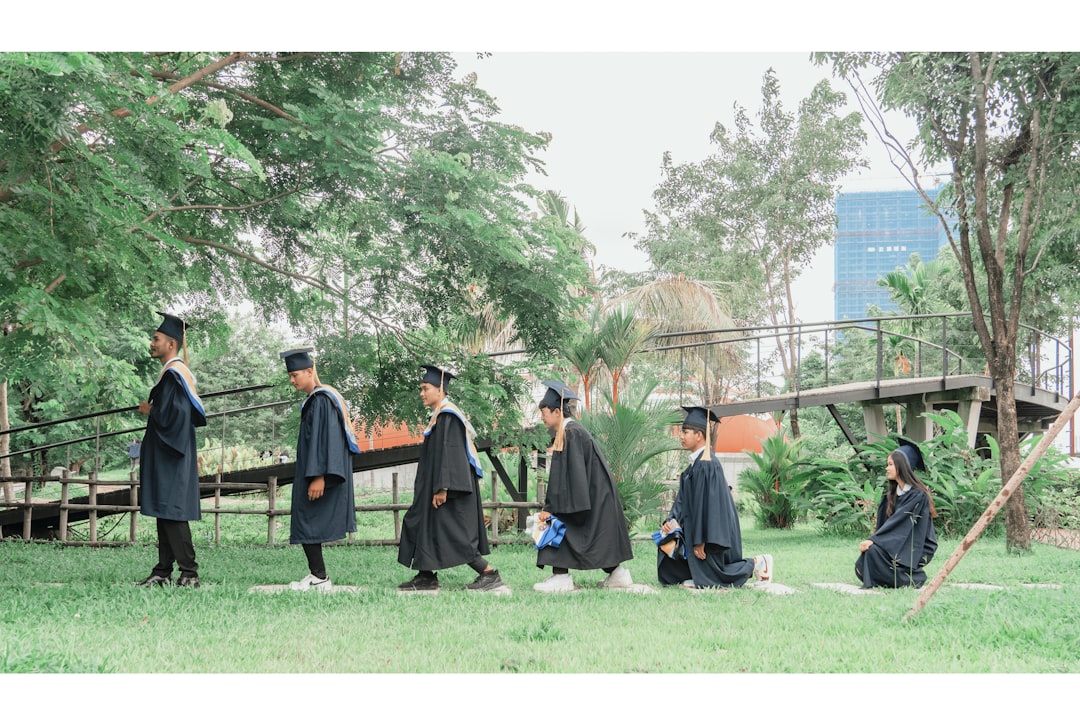
Why International Students Are Avoiding the US
Introduction: The Changing Landscape of US Education
Recent data shows a troubling trend. International student numbers dropped sharply. Nearly 20% fewer students came to the US in August. This information comes from The New York Times. The decline affects universities across America. It also impacts local economies. Many towns depend on student spending.
This drop continues a longer trend. International enrollment has been falling for years. But the recent decrease is especially large. Experts point to several reasons. These include visa problems and high costs. Safety concerns also play a role. Political climate matters too. This article explores all these factors.
We will look at the data. We will examine the causes. We will discuss the effects. We will also suggest solutions. Both students and schools face challenges. Understanding these issues is important. It helps everyone make better decisions.
The Numbers: Understanding the Decline
The statistics tell a clear story. International student numbers are down. The drop was nearly 20% in August alone. This continues a multi-year trend. Let's look at the data more closely.
Recent Enrollment Statistics
Data from the Institute of International Education shows the pattern. Fall 2023 saw significant decreases. Some countries showed bigger drops than others. Chinese student numbers fell by 8.6%. Indian student numbers decreased by 4.4%. Overall, new international enrollment dropped by 10%.
These numbers come from the Open Doors report. This report tracks international education. It is published annually. The latest data confirms the trend. Fewer students are choosing American universities.
Historical Context
This decline didn't happen overnight. International enrollment peaked in 2015. Since then, numbers have gradually fallen. The COVID-19 pandemic accelerated the trend. But the decrease began before the pandemic. Recovery has been slow and incomplete.
Compare this to other countries. Canada saw international enrollment increase by 119% since 2010. Australia's numbers grew by 85% in the same period. The US lost its competitive edge. Other nations became more attractive to students.
Key Factors Driving Students Away
Several important factors explain the decline. Each plays a role in student decisions. Together, they create a strong push away from American education.
Visa Challenges and Immigration Policies
Visa problems are a major concern. Students face long processing times. Denial rates have increased. Optional Practical Training (OPT) rules changed. This program lets students work after graduation. Recent changes made it less attractive.
According to the Department of State, visa refusal rates increased. For example, Nigerian students saw refusal rates jump to 45%. Indian students faced 35% refusal rates. These numbers come from official government data.
Rising Costs and Financial Barriers
American education is expensive. Tuition costs continue to rise. International students pay higher rates. They don't qualify for most financial aid. Living costs add to the burden.
Compare average annual costs:
- US public universities: $26,000
- US private universities: $55,000
- Canadian universities: $21,000
- German universities: $0-3,000
The dollar's strength makes it worse. Many currencies weakened against the dollar. This makes US education more expensive for international families.
Safety and Political Climate Concerns
Safety worries affect student choices. Gun violence receives global attention. Political tensions create uncertainty. International students watch American news. They see campus protests and conflicts.
A recent survey asked international students about safety. 68% said safety concerns affected their decision. 45% specifically mentioned gun violence. These numbers come from the International Student Safety Survey.
Competition from Other Countries
Other countries actively recruit students. They offer better deals. Canada simplified its visa process. Australia increased post-study work opportunities. Germany offers low-cost education. The UK reformed its immigration system.
Here's how competing countries compare:
- Canada: Easier permanent residency pathways
- Australia: More generous work rights
- Germany: Nearly free tuition
- UK: Improved graduate visa options
Impact on US Universities and Local Economies
The decline affects more than just classrooms. It has economic consequences. It changes campus culture. It impacts research and innovation.
Financial Consequences for Universities
International students pay full tuition. They help subsidize education for domestic students. Their absence creates budget gaps. Some universities face serious financial trouble.
Public universities lost $3 billion in tuition revenue. Private universities lost $1.5 billion. These estimates come from the National Association of Foreign Student Advisors. The losses affect all university operations.
Effects on Local Businesses
College towns feel the impact. International students spend money locally. They rent apartments. They eat at restaurants. They shop in stores. Their absence hurts small businesses.
According to NAFSA, international students contributed $40 billion to the US economy. They supported 415,000 jobs. These numbers dropped with enrollment declines. Some businesses had to close.
Research and Innovation Impact
International students contribute to research. They work in labs. They help develop new technologies. Their absence slows innovation. American competitiveness suffers.
In STEM fields, international students are crucial. They make up 55% of engineering PhD students. They constitute 50% of computer science graduate students. These numbers come from the National Science Foundation.
Student Stories: Real Experiences
Behind the numbers are real people. Their stories show why students choose other countries. Here are some examples.
Maria's Story: Choosing Canada Over US
Maria wanted to study computer science. She applied to US and Canadian universities. Both accepted her. She chose Canada. Why? Easier visa process. Better work opportunities after graduation. Lower costs. She now studies at University of Toronto.
Ahmed's Experience: Visa Denial
Ahmed got into a US engineering program. His visa application was denied. No clear reason given. He lost his deposit. He missed the semester start. He eventually went to Australia. He's happy with his choice.
Wei's Decision: Safety Concerns
Wei's parents worried about US safety. They saw news about campus shootings. They preferred Singapore. Wei now studies at National University of Singapore. His parents feel more comfortable.
Practical Tips for Prospective International Students
If you still want to study in the US, here's advice. These tips can help you succeed.
Navigating the Visa Process
The visa process can be tricky. Follow these steps:
- Apply early - start 6 months before your program
- Prepare all documents carefully
- Practice for your interview
- Be honest and consistent
- Have backup plans
Use official resources like the EducationUSA network. They provide free advice. They help with the application process.
Managing Costs Effectively
American education is expensive. But you can manage costs:
- Consider public universities - they cost less
- Look for scholarships - some schools offer them
- Choose affordable cities - Midwest costs less than coasts
- Work on campus - this helps with expenses
- Budget carefully - track your spending
Ensuring Personal Safety
Safety is important. Follow these guidelines:
- Research campus safety records
- Understand local laws
- Use campus security services
- Join student groups for support
- Stay aware of your surroundings
FAQ: Common Questions Answered
Why are international student numbers declining?
Several factors cause the decline. Visa problems make entry harder. High costs discourage many students. Safety concerns worry families. Other countries offer better options. Political climate creates uncertainty.
Which countries are benefiting from this trend?
Canada sees the most growth. Australia and UK also gain students. Germany attracts with low costs. Singapore and Japan become more popular. These countries offer good education at better prices.
How does this affect American universities?
Universities lose tuition money. They cut programs and staff. Research suffers without international talent. Campus diversity decreases. Some schools face financial trouble.
What can US universities do to attract students?
They can lower costs through scholarships. They can improve support services. They can work with government on visa issues. They can promote campus safety. They can highlight career opportunities.
Is the decline permanent?
Experts think the trend will continue. But changes could help. Better policies might reverse the decline. Lower costs could attract students. Improved visa processing would help. The future depends on these factors.
How does this affect US innovation?
International students drive innovation. They start companies. They develop new technologies. Their absence slows progress. America loses competitive advantage. Other countries benefit from this talent.
What should prospective students consider?
Students should compare all options. Look at costs in different countries. Consider visa requirements. Research job opportunities after graduation. Think about personal safety. Choose what works best for you.
Conclusion: Looking to the Future
The decline in international students matters. It affects American education. It impacts local economies. It changes global competition. Understanding the reasons is important.
The trend results from multiple factors. Visa problems create barriers. High costs make education inaccessible. Safety concerns worry families. Other countries offer better deals. These issues work together.
Solutions exist but require effort. Universities need to adapt. Governments should review policies. Students must make informed choices. The future of international education depends on these changes.
America still offers excellent education. But it must compete globally. Other countries improved their offerings. The US must do the same. Otherwise, the decline will continue.
For students, careful planning is key. Research all options. Consider costs and benefits. Look beyond traditional choices. The right education exists somewhere. It might be in the US or elsewhere.
The world of education keeps changing. Students have more choices than ever. Countries compete for talent. This competition benefits students. It pushes everyone to improve.