
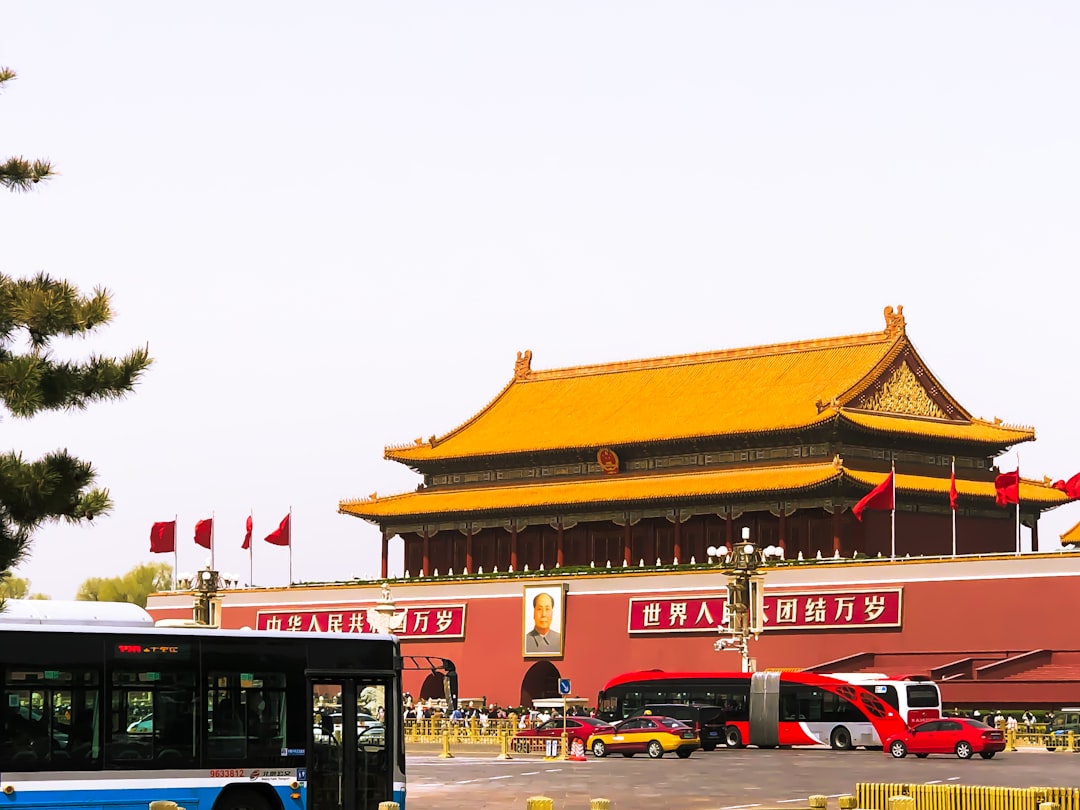
Why China's Passports Limit Global Influence
Introduction: The Passport Power Problem
Chinese passports face many travel restrictions. This affects China's global image. Soft power means cultural influence. It helps countries gain friends worldwide. Travel freedom supports soft power growth. But Chinese citizens need visas for many countries. This creates barriers to cultural exchange. It limits China's ability to share its culture. The world sees China through its travelers. Restricted travel reduces positive exposure. This article explores this important issue. We will examine its causes and effects. We will also discuss possible solutions.
China has rich cultural heritage. It has delicious food and beautiful art. But these treasures need ambassadors. Travelers serve as cultural ambassadors. They share stories and build connections. When travel is hard, these connections weaken. Other countries gain more influence. They share their cultures more freely. China's story remains less known. This affects global perceptions and relationships. Understanding this problem is crucial. It impacts China's future international role.
What is Passport Power?
Passport power measures travel freedom. It counts visa-free destinations. Strong passports open many doors. Weak passports create many barriers. The Henley Passport Index tracks this data. It ranks passports by access they provide. China currently ranks in the middle range. It has improved but still lags behind. Many Asian neighbors have stronger passports. This affects business and tourism opportunities.
How Passport Strength is Measured
Passport strength has clear measurements. Countries count visa-free destinations. They also consider visa-on-arrival options. Some indexes use different methods. But all focus on travel freedom. The Henley Index is most famous. It updates quarterly with new data. Other indexes include Arton Capital's Passport Index. These help compare global mobility.
China's Current Passport Ranking
China ranks around 70th globally. Chinese passport holders can visit 85 countries visa-free. This includes 39 visa-free and 46 visa-on-arrival destinations. But many popular countries require visas. These include the United States and European nations. Compare this to Japan or Singapore. Their passports access over 190 countries. This gap shows the challenge China faces.
The Connection Between Travel and Soft Power
Soft power grows through personal connections. Travel creates these connections. When people visit other countries, they share cultures. They build understanding and friendship. Countries with easy travel spread influence better. Their citizens become cultural ambassadors. They share food, art, and ideas. This builds positive perceptions abroad.
How Travel Builds Cultural Bridges
Travel breaks down stereotypes. It shows real people and cultures. Chinese travelers could share China's modern face. They could counter negative media stories. But visa restrictions limit these opportunities. Fewer encounters mean more misunderstandings. This hurts China's global image and influence.
Examples from Other Countries
Japan shows how travel helps soft power. Japanese passport is very strong. Japanese travelers visit everywhere. They share culture and build friendships. This makes people like Japan more. South Korea has similar success. K-pop and Korean dramas spread worldwide. Easy travel supports this cultural export. China could learn from these examples.
Why Chinese Passports Have Limited Access
Several factors explain China's passport situation. Security concerns play a big role. Some countries worry about immigration risks. Political tensions also affect visa policies. Economic factors matter too. Countries want to protect their job markets. Understanding these reasons helps find solutions.
Historical and Political Factors
China's history affects current policies. The country opened relatively recently. Some countries remain cautious. Political systems differ greatly. This creates trust issues. International relations impact visa rules. When relationships improve, travel often gets easier.
Economic and Security Concerns
Wealthy countries worry about immigration. They fear visitors might overstay. Some want to control entry carefully. Security screening takes time and resources. Countries balance openness with protection. They consider economic benefits versus risks. Tourism brings money but requires management.
Impact on Chinese Citizens and Businesses
Limited passport power affects real people. Chinese tourists face extra paperwork. They pay more fees and wait longer. Business travelers miss opportunities. Students struggle with visa processes. These barriers have real costs. They affect education, business, and personal growth.
Tourism Industry Effects
Chinese tourists spend lots of money abroad. But visa rules limit where they can go. Popular destinations lose potential visitors. Chinese travelers choose easier options. This affects global tourism patterns. Countries with simpler visa processes benefit more.
Business and Education Consequences
Business deals need personal meetings. When travel is hard, deals suffer. Students seek education abroad. Visa problems can block opportunities. Cultural exchanges become difficult. These barriers hurt China's global integration.
Comparing China's Passport to Others
Looking at other countries helps understand China's position. Some nations improved passport power quickly. Others maintain strong positions for years. Comparisons show what's possible and how to improve.
Asian Neighbors' Performance
Japan and Singapore lead globally. Their passports access nearly 200 countries. South Korea and Malaysia also perform well. These countries built strong international relationships. Their citizens travel freely worldwide. This supports their cultural and economic influence.
BRICS Countries Comparison
BRICS nations show varied performance. Brazil and Russia have better access than China. South Africa performs similarly. India has slightly weaker access. But all face similar challenges. They work to improve their global mobility.
Practical Tips for Chinese Travelers
Despite limitations, Chinese citizens can travel successfully. Good planning makes trips smoother. Understanding visa processes helps avoid problems. These tips can improve travel experiences.
Visa Application Strategies
Start applications early. Prepare documents carefully. Show strong ties to China. This proves you will return home. Provide complete financial information. Be honest in all applications. Follow all instructions exactly.
Choosing Visa-Free Destinations
Many great places welcome Chinese tourists. Southeast Asia offers many options. Some African countries provide easy access. Research current visa policies regularly. They change often. Travel agencies can provide updated information.
Steps Toward Improvement
China can work to improve passport power. This requires effort from government and citizens. International cooperation is also crucial. Progress may be slow but is possible.
Government Actions Needed
China can negotiate visa agreements. It can improve international relationships. Better passport security helps build trust. The government can promote tourism benefits. It can work with other countries on mutual visa-free travel.
Citizen Role in Improvement
Chinese travelers represent their country. Good behavior builds positive impressions. Following local laws is important. Respecting cultures helps build bridges. Each traveler contributes to China's image abroad.
Real Examples and Case Studies
Real stories show the passport power impact. These examples illustrate the challenges and opportunities. They help understand the human side of this issue.
Business Travel Challenges
A Chinese tech executive missed an important meeting. Visa processing took too long. The deal went to a competitor. This story shows business costs of travel barriers. Many Chinese companies face similar problems daily.
Student Experiences
A Chinese student got into a top university. But visa issues almost blocked attendance. Last-minute approval came through. But the stress affected preparation. Many students face such uncertainty. It affects their educational opportunities.
Statistics and Data Analysis
Numbers help understand the scale of this issue. Data shows trends and patterns. It helps measure progress and identify challenges.
Passport Ranking Trends
China's ranking improved in recent years. In 2010, it ranked around 90th globally. Now it ranks around 70th. This shows progress but also room for improvement. The gap with top passports remains significant.
Tourism and Economic Impact
Chinese tourists spent $255 billion abroad in 2019. But this could be higher with better access. Countries with visa-free access get more visitors. Visa restrictions limit economic benefits for all sides.
FAQ Section
Why does China have weak passport power?
Several factors cause this situation. Security concerns of other countries matter. Political relationships affect visa policies. Immigration risks also play a role. Economic factors contribute too.
Which countries can Chinese passport holders visit visa-free?
Chinese citizens can visit 85 countries without prior visa. These include Thailand, Indonesia, and UAE. Some European countries like Serbia and Albania too. The list changes regularly so check updates.
How can China improve its passport power?
Better international relationships help. Stronger economic ties matter too. Improved passport security builds trust. Negotiating mutual visa-free agreements works well. Positive traveler behavior also contributes.
What are the main benefits of strong passport power?
Easy travel helps business growth. It supports education opportunities. Tourism benefits increase. Cultural exchange improves. Global influence expands with more travel freedom.
How does passport power affect soft power?
Travelers share culture when they visit other countries. They build personal connections and understanding. This creates positive perceptions abroad. Limited travel reduces these cultural exchanges.
Which countries have the strongest passports?
Japan and Singapore currently lead. Their passports access over 190 countries. European countries like Germany and Finland follow closely. South Korea also ranks very high globally.
How long does visa processing usually take for Chinese citizens?
It varies by country and application type. Some visas take just days. Others require weeks or months. Complete applications process faster. Peak seasons may cause delays.
Conclusion: The Path Forward
China's passport situation presents real challenges. It affects the country's soft power and global influence. But progress is possible and already happening. Understanding the issue is the first step. Then comes working toward solutions.
Improvement requires cooperation. The Chinese government can negotiate better agreements. Citizens can be good ambassadors when traveling. Other countries can review their visa policies. Everyone benefits from easier cultural exchange.
The future looks promising. China's global role continues growing. Passport power will likely improve with time. Each step forward helps build bridges. It supports better understanding between cultures. This benefits China and the world.
Travel connects people. It breaks down barriers and builds friendships. As China's travel freedom grows, so will its soft power. The journey may take time but the destination is worth reaching.