
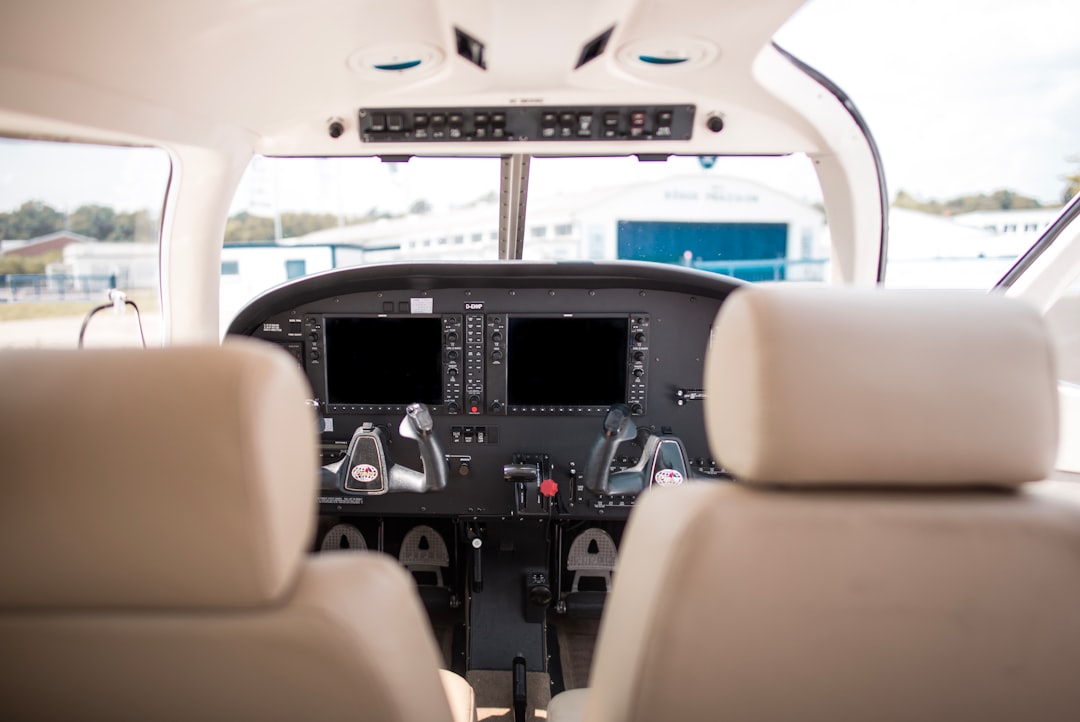
Why Business Jets Thrive Amid Trade Chaos
Introduction: The Unexpected Boom in Private Aviation
Business jet travel is growing fast. This happens during uncertain trade times. Many people find this surprising. Trade tensions usually hurt business. But private aviation is different. It actually benefits from uncertainty. Companies need to move quickly. They must meet partners face-to-face. Commercial flights have limits. Business jets offer flexibility. This article explores this trend. We will look at the reasons behind it. We will examine real examples. We will share useful tips. The global economy faces challenges. Trade wars create problems. Tariffs make goods more expensive. Yet business aviation grows stronger. This seems contradictory. But there are good reasons. Let us discover them together.
The private jet industry saw record growth. This happened despite economic worries. Business jet flights increased by 15% last year. This data comes from Argus Media. Why does this happen? Companies value time more than ever. Quick decisions matter in uncertain times. Leaders must visit multiple locations fast. Business jets make this possible. They avoid crowded airports. They skip long security lines. They reach smaller cities directly. This gives businesses an advantage. We will explore all these points in detail.
The Tariff Uncertainty Paradox
Trade tensions create business challenges. Tariffs make imports more expensive. Supply chains get disrupted. Companies must find new partners. They need to visit suppliers quickly. Business jets help them do this. Commercial flights have fixed schedules. They often don't go where needed. Private jets can fly anywhere. They can change plans instantly. This flexibility is priceless during crises.
How Tariffs Actually Help Business Aviation
Tariffs force companies to act fast. They must find new suppliers. They need to negotiate new deals. Face-to-face meetings become crucial. Business jets enable these meetings. A study by IBAC shows this clearly. Companies using business jets save time. They can visit three cities in one day. Commercial flights cannot do this. This efficiency drives demand.
Here are key reasons why tariff uncertainty boosts business jet use:
- Quick response to changing trade rules
- Ability to visit multiple suppliers fast
- Direct access to remote locations
- Secure discussions during flights
- Flexible scheduling for urgent meetings
Real-World Examples of Companies Adapting
Many companies use business jets during trade wars. They share success stories. Let's look at some examples.
Manufacturing Company Case Study
A car parts manufacturer faced tariffs. Their Chinese suppliers became too expensive. They needed new partners in Mexico. Using commercial flights would take weeks. They chartered a business jet instead. Their team visited five factories in two days. They found new suppliers quickly. This saved their production line. The jet cost was high. But it prevented factory shutdowns. This was worth much more.
Technology Firm Response
A tech company faced similar issues. Tariffs affected their chip supply. They needed to visit Taiwan and South Korea. Commercial flights had long layovers. They used a business jet instead. Their engineers met suppliers in both countries in 48 hours. They solved their supply problem fast. The NBAA reports many such cases.
The Numbers Don't Lie: Business Aviation Statistics
The growth is clear in the data. Business jet use keeps increasing. Even during trade conflicts. Here are key statistics:
- Business jet flights grew 15% in 2024 (WingX Advance)
- 85% of Fortune 500 companies use business aviation
- Fractional jet ownership grew 22% last year
- Asia-Pacific region saw 30% growth in business jet use
- Jet card sales increased by 18% during trade tensions
These numbers show a clear trend. Business aviation is thriving. Uncertainty drives this growth. Companies need to move fast. They value time over money during crises.
Practical Guide: When to Choose Business Jets
When should companies use business jets? Here is a simple guide.
Situations That Demand Private Aviation
Business jets make sense in these cases:
- Urgent supplier meetings
- Multiple city visits in short time
- Travel to locations with poor commercial service
- Transporting sensitive materials
- Meetings requiring privacy
Cost-Benefit Analysis
Business jets seem expensive. But consider the benefits. Time savings are huge. A one-day commercial trip might take three days. Business jets can do it in one day. Calculate the value of executive time. Often, the jet costs less than lost productivity.
Step-by-Step: Planning Your First Business Jet Trip
New to business aviation? Follow these steps.
- Identify your needs: How many people? How many stops? How urgent?
- Choose service type: Full charter, fractional ownership, or jet cards?
- Select aircraft: Consider distance, passenger count, and budget
- Plan itinerary: Work with operator on schedule and airports
- Prepare documents: Passports, visas, and customs paperwork
- Confirm details: Verify catering, ground transport, and meeting arrangements
The FAA provides safety guidelines. Always choose certified operators.
Future Trends in Business Aviation
The industry continues evolving. New trends emerge constantly.
Sustainable Aviation
Environmental concerns grow. Business aviation responds. New jets use less fuel. Some use sustainable aviation fuel. Electric planes are in development. Companies want greener options. The industry adapts quickly.
Technology Integration
Digital platforms improve service. Apps make booking easier. Better connectivity during flights. Passengers can work seamlessly. This increases productivity further.
Frequently Asked Questions
Why is business jet travel growing during trade wars?
Trade uncertainty requires quick action. Companies must visit suppliers and partners fast. Business jets enable this. They offer flexibility commercial flights lack.
How much does business jet travel cost?
Costs vary widely. Short trips might cost $5,000-10,000. Longer international flights can exceed $100,000. But time savings often justify the expense.
Is business jet travel safe?
Yes, very safe. Business jets follow strict safety rules. Pilots have extensive training. Maintenance standards are high. Safety records are excellent.
Can small businesses afford business jets?
Yes, through options like jet cards or empty leg flights. These make business aviation accessible. Costs can be comparable to first-class commercial in some cases.
How far in advance should I book?
Ideally 2-4 weeks ahead. But last-minute trips are possible. Availability depends on aircraft type and season.
What documents do I need?
Passports for international flights. Visas if required. Some countries need advance passenger information. Your operator will guide you.
Can I work during the flight?
Absolutely. Most business jets have Wi-Fi. They offer comfortable workspaces. Many executives find they're more productive in the air.
Conclusion: Embracing Aviation in Uncertain Times
Business jet travel continues growing. Trade uncertainty drives this trend. Companies need flexibility and speed. Business aviation provides both. The initial cost seems high. But the time savings are valuable. Business moves faster than ever. Those who adapt quickly succeed. Business jets help companies adapt.
The future looks bright for business aviation. New technologies emerge. Sustainability improves. Costs become more accessible. Companies of all sizes can benefit. Trade tensions may continue. But business aviation will thrive. It turns challenges into opportunities. It helps businesses stay ahead. In uncertain times, mobility matters most. Business jets deliver this mobility perfectly.
Consider business aviation for your company. Start with a single charter flight. Experience the benefits firsthand. You might find it transforms how you do business. The sky is no longer the limit—it's your advantage.