
Why America's Borders Are Growing Quiet
Introduction: The Changing Face of American Tourism
International travel to the United States is changing. Fewer people are visiting from other countries. This trend started before the pandemic. But it has continued since then. The U.S. share of global travel fell from 13.7% to 11.7% in recent years. That might not sound like much. But it represents millions of visitors and billions of dollars.
Why is this happening? There are many reasons. Some are economic. Some are political. Others relate to changing travel preferences. This article will explore all these factors. We will look at data from reliable sources. We will hear from experts. And we will understand what this means for travelers and the U.S. economy.
The decline affects many American businesses. Hotels see fewer guests. Restaurants have empty tables. Tourist attractions get less crowded. This has real consequences for workers and communities. Understanding why this is happening helps us see the bigger picture. It shows how global travel patterns are shifting.
The Economic Factors Behind the Decline
Strong U.S. Dollar Makes Travel Expensive
The U.S. dollar has been strong in recent years. This makes America expensive for international visitors. When their currency is weak against the dollar, everything costs more. Hotels, meals, and attractions become less affordable. For example, the euro lost about 15% of its value against the dollar between 2021 and 2023. This made European visitors think twice about coming to America.
According to Bloomberg, the dollar's strength has made the U.S. one of the most expensive destinations. A family from Europe might pay 20-30% more than they would have a few years ago. This pricing issue affects visitors from many countries. It is especially challenging for middle-class travelers.
Rising Travel Costs Worldwide
Airfare prices have increased globally. But flying to the U.S. is particularly expensive. Fuel costs, airport fees, and airline operational expenses all contribute. The International Air Transport Association reports that transatlantic flights have seen significant price increases. This makes long-haul travel less attractive for budget-conscious travelers.
Here are some specific cost increases travelers face:
- Average airfare to the U.S. increased by 28% from 2019 to 2023
- Hotel prices in major U.S. cities rose 15-25% in the same period
- Rental car costs increased by over 30% since the pandemic
- Meal prices in tourist areas jumped 20% or more
Political and Policy Changes Affecting Travel
Visa Requirements and Processing Delays
The U.S. visa process has become more complicated. Wait times for visa interviews can be very long. In some countries, applicants wait over a year for an appointment. This discourages many potential visitors. They choose other destinations with easier entry requirements instead.
The U.S. Department of State acknowledges these delays. But solutions have been slow to come. Countries that don't need visas for short visits benefit from this situation. They offer easier access to international travelers.
Changing Immigration Policies
Recent immigration policy changes have created uncertainty. Some travelers worry about how they will be treated at the border. Stories of difficult border experiences spread quickly online. This affects America's image as a welcoming destination.
According to Pew Research Center, perceptions of the U.S. as welcoming have declined in many countries. This is particularly true among traditional ally nations. The political climate affects travel decisions more than many realize.
Global Competition for Tourists
Other Countries Are Working Harder for Tourists
Many countries are actively competing for international visitors. They offer incentives and make entry easier. Some examples include:
- Turkey simplified its e-visa process
- Thailand extended visa-free stays for many nationalities
- Dubai launched aggressive marketing campaigns
- European countries improved airport facilities
These countries recognize the economic value of tourism. They invest in marketing and infrastructure. The U.S. has been less active in this global competition. Other destinations are simply working harder to attract visitors.
Regional Tourism Growth
More people are choosing to travel within their own regions. Intra-Asia travel has grown significantly. European travelers are exploring more of Europe. This "regionalization" of travel means fewer long-haul trips. The World Tourism Organization reports this trend is accelerating.
Regional travel offers several advantages:
- Shorter flight times
- Lower travel costs
- Cultural familiarity
- Easier planning
Safety and Security Concerns
Perceptions of Safety in America
International media often reports on gun violence in America. This affects how safe people feel about visiting. While most tourists never experience violence, the perception matters. Some travelers choose destinations they perceive as safer.
A Gallup poll found that safety concerns are a growing factor in travel decisions. This is especially true for family travelers. They want destinations where they feel completely secure.
Health and Healthcare Concerns
The U.S. healthcare system can be intimidating for international visitors. Many worry about what happens if they get sick. Healthcare costs in America are very high. Travel insurance helps, but some visitors still feel anxious.
Countries with national healthcare systems seem less risky to some travelers. They know that emergency care will be accessible and affordable. This is another factor in destination choices.
Changing Travel Preferences
The Rise of Experience-Based Travel
Modern travelers want unique experiences. They seek authentic cultural immersion. While America offers many experiences, other destinations market theirs better. Travelers are looking for:
- Local food experiences
- Cultural workshops
- Community-based tourism
- Sustainable travel options
The U.S. has been slower to promote these types of experiences. Traditional attractions like theme parks and shopping malls are less appealing to some travelers.
Digital Nomads and Long-Term Travel
More people are working while traveling. These "digital nomads" often prefer destinations that offer:
- Easy visa options for longer stays
- Good internet connectivity
- Affordable cost of living
- Strong expat communities
The U.S. doesn't have a specific digital nomad visa. Other countries do. This means America misses out on this growing travel segment.
Practical Tips for Travelers Considering the U.S.
Planning Your Budget Carefully
Traveling to the U.S. requires careful budgeting. Here are some money-saving tips:
- Book flights 3-4 months in advance for best prices
- Consider visiting during shoulder seasons (spring and fall)
- Use public transportation in cities instead of rental cars
- Look for hotel alternatives like vacation rentals
- Eat some meals away from tourist areas
Navigating Visa Requirements
If you need a visa, start early. Follow these steps:
- Check the U.S. Department of State website for requirements
- Complete the online application accurately
- Schedule your interview as soon as possible
- Prepare all required documents in advance
- Be honest and consistent during your interview
Making the Most of Your Visit
To have a great American experience:
- Visit beyond the major cities - explore national parks
- Try regional foods and local specialties
- Attend local events and festivals
- Talk to locals to learn about their communities
- Use apps like Google Maps and Yelp for navigation and recommendations
Frequently Asked Questions
How much has international travel to the U.S. actually declined?
International arrivals to the U.S. fell from 79 million in 2019 to about 66 million in 2023. That's a decline of over 16%. Some markets have seen even bigger drops.
Which countries have seen the biggest decrease in visitors to America?
China, Brazil, and several European countries have shown significant declines. Chinese visitors dropped by over 50% from pre-pandemic levels.
Are there any countries sending more visitors to the U.S.?
Yes, some markets are growing. India and Colombia have shown increases. But these gains haven't offset losses from other countries.
How does this decline affect the average American?
It affects jobs and local economies. Tourism supports many businesses. Fewer visitors mean less revenue for hotels, restaurants, and attractions. This can lead to job losses.
What is being done to reverse this trend?
Some cities and states are increasing their marketing efforts. Industry groups are advocating for policy changes. But there's no coordinated national strategy yet.
Is it safe to travel to the United States?
Most tourist areas are very safe. Like any destination, travelers should be aware of their surroundings. Follow local advice and take normal safety precautions.
When is the best time to visit the U.S. for good deals?
January through March often offers the best prices, except for ski destinations. September and October are also good for lower prices and nice weather.
Real Examples and Case Studies
New York City's Experience
New York City has seen a significant drop in international visitors. Before the pandemic, the city welcomed about 13.5 million international tourists annually. That number fell to about 9 million in 2023. The impact has been felt across the tourism industry.
Hotel occupancy rates have declined. Broadway shows see fewer international attendees. Luxury retailers report lower sales. The city is working to attract more visitors through marketing campaigns. But recovery has been slow.
Orlando's Theme Park Challenge
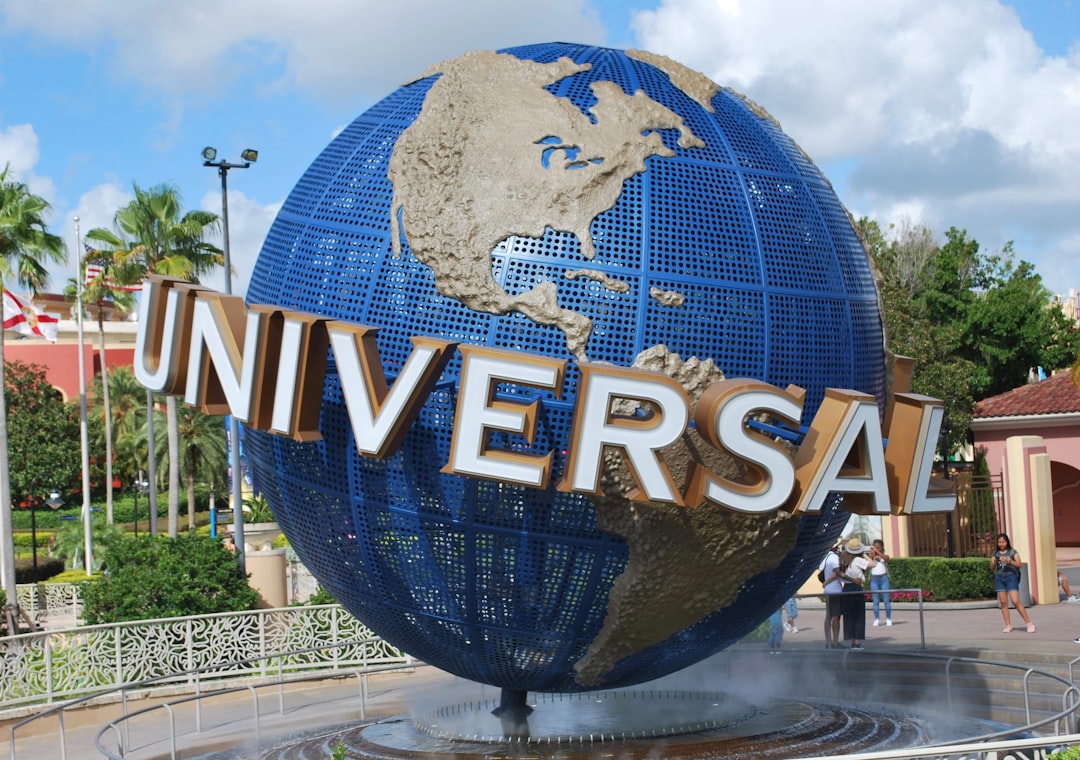
Orlando's theme parks depend heavily on international visitors. Before the pandemic, about 20% of their visitors came from other countries. That percentage has dropped significantly. Parks have responded by offering more discounts and packages.
They're also targeting domestic visitors more aggressively. But international visitors tend to stay longer and spend more. Their absence creates a real economic impact.
Statistics and Data Analysis
The decline in U.S. travel share is well-documented. Here are key statistics from The National Travel and Tourism Office:
- U.S. share of global travel spending fell from 11.7% to 9.2% (2019-2023)
- International visitor spending dropped by $50 billion annually
- Tourism-related jobs decreased by over 300,000
- Average visitor stay shortened from 18 to 16 nights
These numbers show the scale of the challenge. The U.S. is losing ground in the competitive global tourism market.
Step-by-Step Guide: Planning an Affordable U.S. Trip
Step 1: Research and Budgeting
Start by researching costs for your desired destinations. Create a detailed budget including flights, accommodation, food, and activities. Add 15% for unexpected expenses.
Step 2: Timing Your Visit
Choose your travel dates carefully. Avoid peak seasons and major holidays. Shoulder seasons offer better prices and smaller crowds.
Step 3: Booking Strategy
Book flights first, then accommodation. Use price comparison websites. Consider package deals that combine flights and hotels.
Step 4: Documentation
Ensure your passport is valid for at least six months. Apply for visas or ESTA authorization well in advance. Make copies of important documents.
Step 5: Final Preparations
Purchase travel insurance. Notify your bank about your travel plans. Download useful apps and offline maps.
Conclusion: The Future of U.S. International Travel
The decline in international travel to the U.S. is a complex issue. It involves economic factors, policy decisions, and global competition. No single solution will reverse the trend. But understanding the causes is the first step toward improvement.
America remains a fantastic destination. It offers incredible diversity of experiences. From natural wonders to vibrant cities, there's something for every traveler. The current challenges present an opportunity for change.
With the right strategies, the U.S. can regain its position as a top destination. This will require cooperation between government and industry. It will need better marketing and improved visitor experiences. Most importantly, it will need to address the real concerns that are keeping visitors away.
The future of U.S. tourism depends on adapting to new realities. The world of travel has changed. America must change with it. The quiet borders today could become busy again tomorrow with the right approach.