
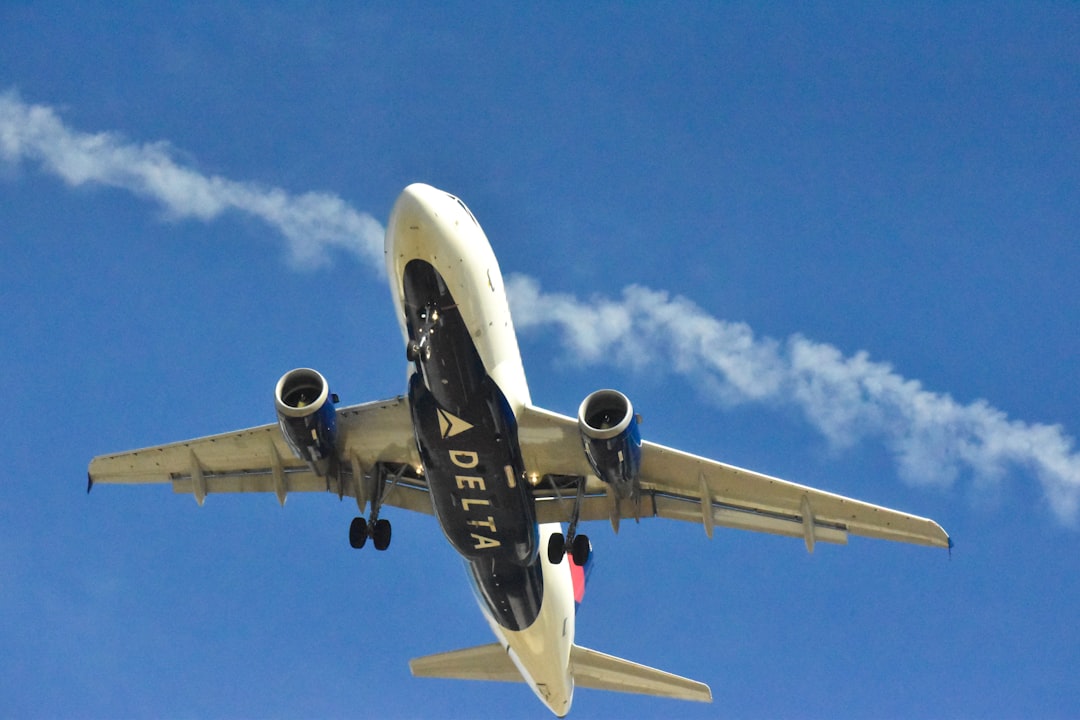
Why Air Traffic Chaos Is Grounding Your Flights
Introduction: The Airport Nightmare Returns
Imagine arriving at the airport. You feel excited about your trip. Then you see the board. Flight delays everywhere. Cancellations stack up. Your heart sinks. This scene repeated across America for two straight days. Air traffic staffing shortages caused massive travel disruptions. Thousands of passengers got stranded. Flights got canceled or delayed for hours. The problem affected major airports nationwide. Travel plans turned into nightmares. This was not a one-time issue. It happened two days in a row. The situation shows a deeper problem in air travel. Staffing shortages have become critical. The system struggles to handle normal operations. Passengers pay the price with ruined vacations and missed events. This article explains why this happened. It shows how it affects you. You will learn practical tips to protect your travel plans. We explore the root causes and potential solutions. The aviation industry faces a serious challenge. Understanding it helps you become a smarter traveler.
The recent disruptions made headlines nationwide. Major news outlets like The New York Times covered the story extensively. Social media filled with angry passenger stories. Airport terminals became crowded with frustrated people. Some slept on floors. Others waited in long lines for rebooking. The situation highlighted systemic issues in air traffic control. It also showed the vulnerability of our travel infrastructure. This problem affects everyone who flies. Business travelers miss important meetings. Families lose precious vacation days. Students arrive late for school events. The economic impact is significant too. Airlines lose money from cancellations. Hotels see empty rooms. Restaurants lose customers. The ripple effect touches many industries.
What Caused the Staffing Crisis?
The air traffic staffing shortage did not happen overnight. Several factors created this perfect storm. Understanding these causes helps explain why disruptions occurred.
Retirement Wave Hits Critical Mass
Many air traffic controllers are reaching retirement age. The Federal Aviation Administration (FAA) employs most controllers. About 30% of them will retire in the next five years. This creates a huge gap in experience and numbers. Training new controllers takes time. It can take 2-3 years to become fully certified. The retirement wave coincides with increased air travel demand. This creates an impossible situation. Fewer controllers handle more flights. The system becomes strained. Mistakes become more likely. Fatigue sets in faster. Safety margins shrink. The FAA struggles to replace retiring staff quickly enough.
Pandemic Hiring Freezes
COVID-19 devastated the aviation industry. Airlines cut staff dramatically. The FAA also slowed hiring during this period. Training academies closed or reduced capacity. This created a gap in the pipeline. Now that travel has recovered, the shortage becomes apparent. The National Transportation Safety Board expressed concern about staffing levels. They warned about increased risks from overworked controllers. The hiring freeze seemed reasonable during lockdowns. But it created long-term problems. The aviation industry now plays catch-up.
Complex Training Requirements
Becoming an air traffic controller is difficult. Candidates must pass rigorous testing. They need strong math skills and quick thinking. Training includes classroom education and simulator practice. Then comes on-the-job training at actual facilities. Each airport has unique challenges. Controllers must learn specific procedures and geography. This specialized training cannot be rushed. Safety depends on thorough preparation. The National Aeronautics and Space Administration studies human factors in aviation. Their research shows controller workload directly affects safety. Rushing training could have disastrous consequences.
How Staffing Shortages Disrupt Your Travel
Staffing problems create chain reactions throughout the system. Understanding these effects helps you see why your flight gets canceled.
Reduced Airport Capacity
Fewer controllers mean airports cannot handle normal traffic volumes. They must reduce the number of takeoffs and landings. This creates immediate delays. Flights get held at gates waiting for clearance. Departure queues form. Arriving planes circle waiting for landing slots. The Airports Council International tracks capacity data. Their reports show reduced operations at affected airports. This bottleneck affects all airlines using that airport. Even flights with full crews and working planes cannot depart.
Cascading Delays Across System
Air travel operates as an interconnected network. A delay in one city affects flights nationwide. Your plane might be in Chicago. But it needs to arrive from Miami first. If Miami has staffing issues, your Chicago flight gets delayed. This domino effect multiplies problems. The Bureau of Transportation Statistics tracks these cascade effects. Their data shows how single disruptions spread nationwide. This explains why you might experience delays even when weather is perfect.
Increased Controller Workload
Remaining controllers face heavier workloads. They handle more planes simultaneously. This increases stress and fatigue. Studies show tired controllers make more errors. The National Academies of Sciences researched controller fatigue. Their findings show performance declines after extended shifts. Safety concerns might prompt additional spacing between aircraft. This further reduces airport capacity. It becomes a vicious cycle of delays and cancellations.
Real Impact on Passengers: Stories From the Frontlines
Statistics tell part of the story. Real passenger experiences complete the picture. These examples show the human cost of staffing shortages.
Family Vacation Turned Nightmare
The Johnson family planned their Disney World trip for months. They saved for two years. They arrived at Newark Airport three hours early. Their flight showed on time until boarding. Then came the announcement. Flight canceled due to air traffic control staffing. The next available flight was two days later. Their hotel reservations and park tickets became useless. They lost thousands of dollars. Their children cried at the airport. The airline offered hotel vouchers but no compensation for their lost vacation. This story repeated across the country during the staffing crisis.
Business Traveler's Missed Opportunity
Sarah Chen had a crucial investor meeting in San Francisco. Her startup needed funding to survive. Her flight from Boston got delayed repeatedly. She missed her connection in Denver. The next available flight arrived after her meeting ended. She lost the investment opportunity. Her company might not recover. Business travelers depend on reliable schedules. When the system fails, careers and companies suffer.
Medical Emergency Complications
James Wilson needed to reach the Mayo Clinic for specialized treatment. His flight from Atlanta got canceled. The rebooking process took six hours. He missed his initial appointment. His condition worsened during the delay. Medical travel requires extra planning during staffing crises. Patients face serious health risks from transportation failures.
By the Numbers: Staffing Shortage Statistics
Data reveals the scale of the problem. These numbers come from official sources and industry reports.
- The FAA employs about 14,000 air traffic controllers
- About 1,200 controllers retire annually
- The FAA trained only 800 new controllers in 2022
- Staffing at 77% of FAA facilities falls below 85% of recommended levels
- Over 3,000 flights got canceled during the two-day staffing crisis
- More than 20,000 flights experienced significant delays
- An estimated 500,000 passengers got affected directly
- Economic impact exceeded $150 million in direct costs
Sources: FAA, Bureau of Transportation Statistics, Airlines for America
Practical Tips for Travelers During Staffing Crises
You cannot control staffing shortages. But you can protect your travel plans. These practical tips help you navigate disruptions.
Before Your Trip
Planning ahead reduces stress when problems occur. Follow these steps before leaving home.
- Book morning flights - they're less likely to get canceled
- Choose nonstop routes when possible
- Download your airline's mobile app for real-time updates
- Pack essential medications and a change of clothes in carry-on
- Research your airline's cancellation policies in advance
- Consider travel insurance for important trips
- Keep important contacts and reservation numbers handy
At the Airport
If disruptions occur, these actions can save your trip.
- Check flight status before heading to the airport
- Arrive extra early to handle rebooking if needed
- Have backup plans for connections and ground transportation
- Be polite but persistent with airline staff
- Know your passenger rights for compensation
- Use social media to contact airlines for faster response
- Keep chargers and snacks in your carry-on
When Flights Get Canceled
Immediate action can secure better alternatives.
- Get in line for rebooking immediately
- Call the airline while waiting in line
- Check alternative airports and routes yourself
- Ask about partner airline options
- Request meal vouchers and hotel accommodations
- Document everything for potential compensation claims
- Consider renting a car for shorter distances
Step-by-Step Guide: Handling Flight Cancellations
Follow this clear process when your flight gets canceled due to staffing issues.
Step 1: Confirm the Cancellation
Check official sources. Do not rely on airport screens alone. Use your airline's app. Listen for airport announcements. Verify with gate agents. Make sure your flight is truly canceled. Sometimes delays get misreported.
Step 2: Understand Your Options
The airline must offer you alternatives. These typically include:
- Rebooking on the next available flight
- Rerouting through different cities
- Full refund if you cancel your trip
- Transportation on partner airlines
Step 3: Act Quickly But Thoughtfully
Rebooking slots fill fast. But do not accept the first option if it does not work. Ask about all possibilities. Consider nearby airports. Look at different routing options. Be flexible with dates if possible.
Step 4: Secure Your Rights
Know what the airline owes you. During major disruptions, airlines typically provide:
- Meal vouchers for long waits
- Hotel accommodations for overnight delays
- Ground transportation to hotels
- Access to phone calls and internet
Step 5: Document Everything
Keep records of all interactions. Save boarding passes and cancellation notices. Take photos of crowded conditions. Note names of airline staff. This documentation helps with compensation claims later.
Frequently Asked Questions About Air Traffic Staffing
Why can't they just hire more controllers quickly?
Controller training takes 2-3 years. It requires extensive classroom education and on-the-job experience. Rushing this process could compromise safety. The FAA must balance staffing needs with training quality.
Are staffing shortages causing safety issues?
The FAA maintains that safety remains the top priority. However, independent experts express concern. Overworked controllers might make more errors. The system has multiple safety layers. But increased workload always raises risks.
Which airports are most affected?
Major hub airports face the biggest challenges. These include JFK in New York, LAX in Los Angeles, and ORD in Chicago. But staffing issues affect facilities nationwide. Even smaller regional centers experience shortages.
How long will these disruptions continue?
Most experts predict several years of challenges. The hiring and training pipeline needs time to recover. Travel demand continues growing. This creates ongoing pressure on the system.
Can technology reduce staffing needs?
New systems help controllers work more efficiently. But human oversight remains essential. Technology assists but does not replace experienced controllers. The balance between automation and human control is delicate.
What are airlines doing about this problem?
Airlines are adjusting schedules and adding buffer times. They are also lobbying for faster controller hiring. Some invest in better passenger communication systems. But they cannot directly solve FAA staffing issues.
Should I avoid flying during certain times?
Early morning flights typically experience fewer disruptions. Late-day flights risk cumulative delays. Weekdays might be better than weekends. But staffing issues can occur at any time.
Industry Response and Potential Solutions
The aviation industry recognizes the staffing crisis. Multiple stakeholders propose solutions. Some show promise while others face challenges.
Accelerated Hiring Programs
The FAA launched special hiring initiatives. These aim to attract more candidates to controller careers. The agency simplified application processes. It increased outreach to diverse communities. Military veterans receive priority consideration. These efforts show some success. But training capacity remains limited.
Technology Upgrades
New systems help controllers manage airspace more efficiently. The FAA's NextGen program modernizes air traffic control. Satellite technology replaces older radar systems. Data sharing improves coordination between facilities. These upgrades reduce controller workload. But implementation takes time and funding.
Airline Schedule Adjustments
Airlines voluntarily reduce flights at congested airports. They build more buffer time into schedules. This reduces pressure during staffing shortages. However, these adjustments mean fewer available seats. Ticket prices might increase as a result.
Cross-Training Initiatives
Some facilities cross-train controllers for multiple positions. This creates flexibility during staffing gaps. Controllers can fill in where needed most. The approach shows promise but requires additional training investment.
Conclusion: Navigating the New Normal of Air Travel
Air traffic staffing shortages represent a systemic challenge. Quick fixes will not solve this problem. The aviation industry needs comprehensive solutions. These include sustained hiring, technological innovation, and operational adjustments. Passengers must adapt to this new reality. Planning becomes more important than ever. Flexibility can save trips when disruptions occur. Understanding the causes helps manage expectations.
The recent two-day crisis served as a warning. It showed the vulnerability of our air travel system. But it also highlighted opportunities for improvement. Airlines, airports, and government agencies work on solutions. Passengers can protect themselves with smart strategies. The future of air travel depends on addressing these staffing challenges. Safe and efficient air transportation remains crucial for our economy and society. With proper attention and investment, the system can recover stronger than before.
Your next flight might face challenges. But now you understand why disruptions happen. You know how to protect your travel plans. You can navigate delays more effectively. Share this knowledge with fellow travelers. Together, we can make air travel better for everyone. Safe travels and may your flights depart on time.