
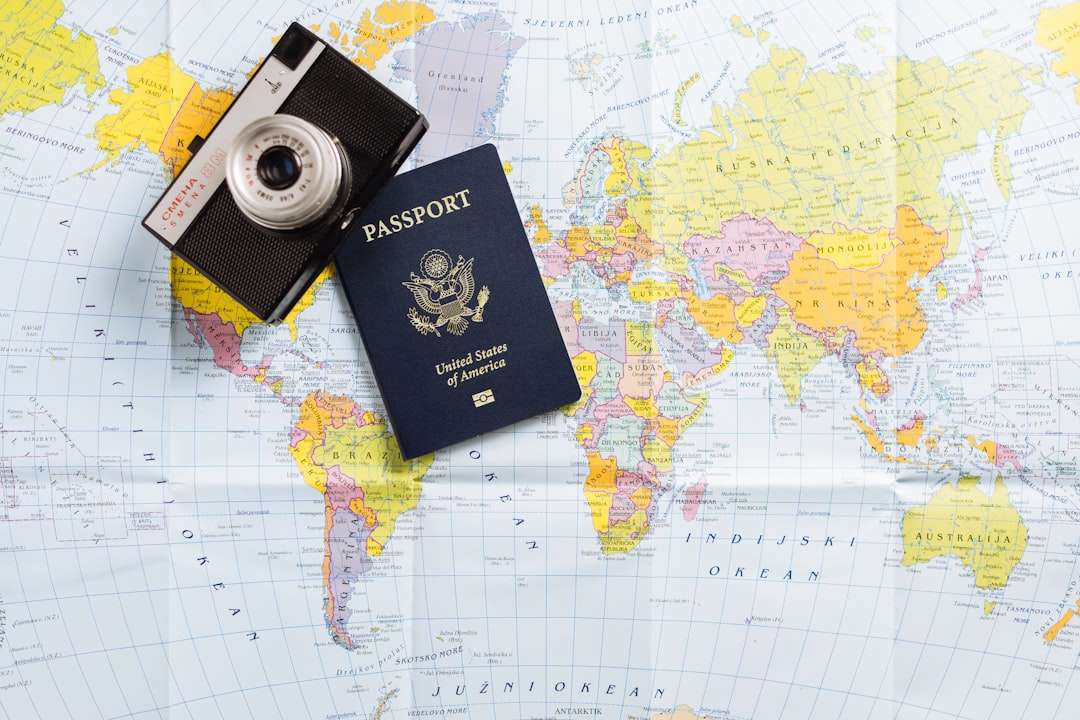
US Travel Crisis: Why Tourists Are Avoiding America
Introduction: America's Tourism Emergency
The United States faces a serious tourism problem. International visitors are staying away. Government shutdowns create big issues. The economy suffers when tourists don't come. This affects hotels, restaurants, and local businesses. Many workers depend on tourism for their jobs. The situation worries experts across the country.
Recent data shows troubling trends. Visitor numbers dropped significantly. Travel spending decreased by billions. The US share of global tourism fell. Other countries gain while America loses. This hurts small businesses and communities. Recovery will take time and effort.
Government instability plays a key role. Shutdowns create uncertainty for travelers. Visa processing slows down during these periods. Security lines get longer at airports. National parks may close unexpectedly. International media covers these problems. This damages America's reputation abroad.
The economic impact spreads widely. Hotels see fewer guests. Restaurants have empty tables. Tour guides get less work. Souvenir shops sell fewer items. Transportation services lose customers. The effects ripple through local economies. Many people feel the consequences.
The Government Shutdown Effect on Tourism
Government shutdowns hurt tourism in several ways. First, they create practical problems. Airports face staffing shortages. Security lines become much longer. Travelers experience delays and frustration. Some may decide not to travel at all.
Second, shutdowns affect visa processing. Embassies and consulates reduce services. Applications take longer to process. Some appointments get canceled. This prevents potential visitors from coming. Business travelers face similar issues.
National Park Closures
National parks attract millions of visitors yearly. During shutdowns, many parks close completely. Others remain open with limited services. Restrooms may be locked. Trash collection stops. Visitor centers close. Rangers don't provide assistance.
International tourists often plan trips around parks. They may cancel when parks are unavailable. This affects nearby communities. Hotels near parks lose business. Restaurants see fewer customers. Tour operators cancel trips.
Transportation Disruptions
Air travel suffers during government shutdowns. TSA workers may call in sick. Security screening takes longer. Air traffic controllers work without pay. This creates safety concerns. Flight delays increase significantly.
According to the U.S. Travel Association, shutdowns cost the economy millions daily. Travelers choose more stable destinations. America's reputation for reliability suffers. Recovery takes time after each shutdown.
Economic Impact of Declining International Visitors
International visitors spend billions in the US each year. This money supports many jobs. When visitors decrease, the economy feels it. The losses affect multiple industries.
Direct Economic Losses
The Department of Commerce tracks tourism spending. Recent data shows significant declines. International visitor spending dropped by 15% in some periods. This represents billions in lost revenue.
Hotels experience lower occupancy rates. Average daily rates may decrease. Restaurant sales decline. Attractions see fewer visitors. Transportation services lose customers. Retail shops sell less merchandise.
Job Market Effects
Tourism supports nearly 8 million American jobs. These include hotel staff, restaurant workers, and tour guides. When tourism declines, jobs become insecure. Some workers face reduced hours. Others may lose their positions entirely.
The Bureau of Labor Statistics shows tourism employment trends. During travel downturns, unemployment rises in tourism areas. This affects local communities significantly. Recovery often lags behind other sectors.
Global Competition in Tourism
Other countries work hard to attract tourists. They offer good value and smooth processes. Many have stable political environments. They invest in tourism marketing and infrastructure.
Competitor Countries
Countries like Canada and Mexico gain US-bound travelers. European nations also benefit. They offer reliable visa processes. Their governments remain stable. Travelers feel confident planning trips there.
According to the World Tourism Organization, global tourism grows steadily. But America's share decreases. Other destinations become more popular. This trend concerns industry experts.
Marketing Efforts
Other countries spend heavily on tourism promotion. They run advertising campaigns worldwide. They simplify visa requirements. They improve airport facilities. They ensure positive visitor experiences.
The US faces challenges in this area. Budget constraints limit marketing efforts. Political issues create negative perceptions. Competitors take advantage of these weaknesses.
Practical Tips for Travelers During Uncertain Times
Travelers can take steps to protect their plans. Preparation helps reduce risks. Smart planning makes trips more enjoyable.
Before You Travel
- Check government websites regularly
- Purchase travel insurance with shutdown coverage
- Have backup plans for key attractions
- Keep important documents accessible
- Monitor news about potential shutdowns
During Your Trip
- Stay informed about local conditions
- Have alternative activities ready
- Keep emergency contacts handy
- Maintain flexibility in your schedule
- Use mobile apps for real-time updates
Industry Response and Recovery Efforts
Tourism organizations work to address these challenges. They develop strategies to rebuild confidence. They advocate for policy changes.
Marketing Campaigns
Industry groups launch new marketing initiatives. They highlight America's diverse attractions. They emphasize stability and welcome messages. They target key international markets.
The Brand USA program promotes international visitation. It partners with travel companies worldwide. It showcases America's natural beauty and cities. It works to counter negative perceptions.
Policy Advocacy
Tourism leaders lobby for better policies. They seek reliable government funding. They advocate for visa process improvements. They push for infrastructure investments.
According to the American Hotel and Lodging Association, consistent policies are crucial. The industry needs predictable operations. This helps planning and investment decisions.
Real Examples: How Communities Are Affected
Specific cases show the shutdown's impact. Different regions experience various challenges. Some examples illustrate the situation clearly.
New York City
New York relies heavily on international tourism. During recent declines, hotel occupancy dropped. Broadway shows saw fewer international attendees. Restaurant reservations decreased. The city lost significant tourism revenue.
Florida Theme Parks
Florida's major attractions feel the impact. International visitors often stay longer and spend more. When they don't come, hotels and restaurants suffer. Local employment decreases. The effects spread through the economy.
California National Parks
Parks like Yosemite and Joshua Tree attract global visitors. During shutdowns, nearby communities struggle. Hotels cancel reservations. Restaurants reduce staff. Tour operators lose income. Recovery takes months after reopening.
Statistics and Data Analysis
Numbers help understand the situation's severity. Recent data shows clear trends. The information comes from reliable sources.
Visitor Numbers
- International arrivals decreased by 12% in recent periods
- Visitor spending declined by $15 billion annually
- Market share dropped from 13% to 11% globally
- Recovery rates lag behind competitors
Economic Impact
- Tourism supports 7.8 million US jobs
- Each shutdown day costs $150 million in travel spending
- Small businesses lose 25% of revenue during disruptions
- Tax revenue decreases significantly in tourism areas
Step-by-Step Guide: Planning a US Trip During Uncertainty
Follow these steps for a successful visit. Proper planning reduces stress. You can enjoy your trip despite challenges.
Step 1: Research Current Conditions
Check official government websites. Monitor travel advisories. Understand potential risks. Know what services might be affected.
Step 2: Purchase Appropriate Insurance
Choose policies that cover government shutdowns. Understand cancellation terms. Keep documentation accessible. Know how to file claims.
Step 3: Create Flexible Itineraries
Plan alternative activities. Have backup options for key attractions. Build extra time into your schedule. Prepare for possible changes.
Step 4: Book Refundable Options
Choose hotels with free cancellation. Select flexible airline tickets. Use credit cards with travel protection. Avoid non-refundable purchases when possible.
Step 5: Stay Informed During Your Trip
Download relevant mobile apps. Follow local news sources. Keep emergency contacts handy. Maintain communication with your travel provider.
FAQ Section
How do government shutdowns affect tourists?
Shutdowns cause practical problems for visitors. National parks may close. Airport security lines lengthen. Visa processing slows down. Services become limited.
Should I cancel my US trip during a shutdown?
Not necessarily. Many attractions remain open. Private businesses operate normally. With proper planning, you can still enjoy your visit. Consider your specific itinerary carefully.
What travel insurance covers government shutdowns?
Some policies include shutdown coverage. Read terms carefully. Look for "cancel for any reason" options. Understand what situations qualify for claims.
How long does tourism take to recover after shutdowns?
Recovery varies by location. Major cities bounce back faster. Rural areas may take longer. Full recovery can take several months. Marketing efforts help speed the process.
Are some US destinations more affected than others?
Yes. Areas with national parks suffer more. Cities dependent on international visitors feel stronger impacts. Regions with diverse attractions recover faster.
What can travelers do to support US tourism?
Visit during stable periods. Share positive experiences online. Support local businesses directly. Consider less-crowded destinations. Provide constructive feedback to providers.
How can I check current conditions before traveling?
Monitor official government websites. Check attraction websites directly. Follow reliable news sources. Contact your travel provider for updates.
Conclusion: The Path Forward for US Tourism
The US tourism industry faces significant challenges. Government shutdowns create uncertainty. International visitors choose other destinations. The economic impact spreads widely. But solutions exist and recovery is possible.
Industry leaders work on multiple fronts. They advocate for policy stability. They develop new marketing strategies. They improve visitor experiences. Cooperation between public and private sectors is crucial.
Travelers can help by planning carefully. They can choose to visit during stable periods. They can support local businesses directly. They can share positive experiences with others.
The United States offers incredible diversity. From natural wonders to vibrant cities, the attractions remain world-class. With proper management and visitor support, tourism can thrive again. The economic benefits will return to communities nationwide.
America's welcome mat remains out. The current challenges are temporary. Through cooperation and smart planning, the tourism industry will recover. Visitors will rediscover why America remains a premier destination.