
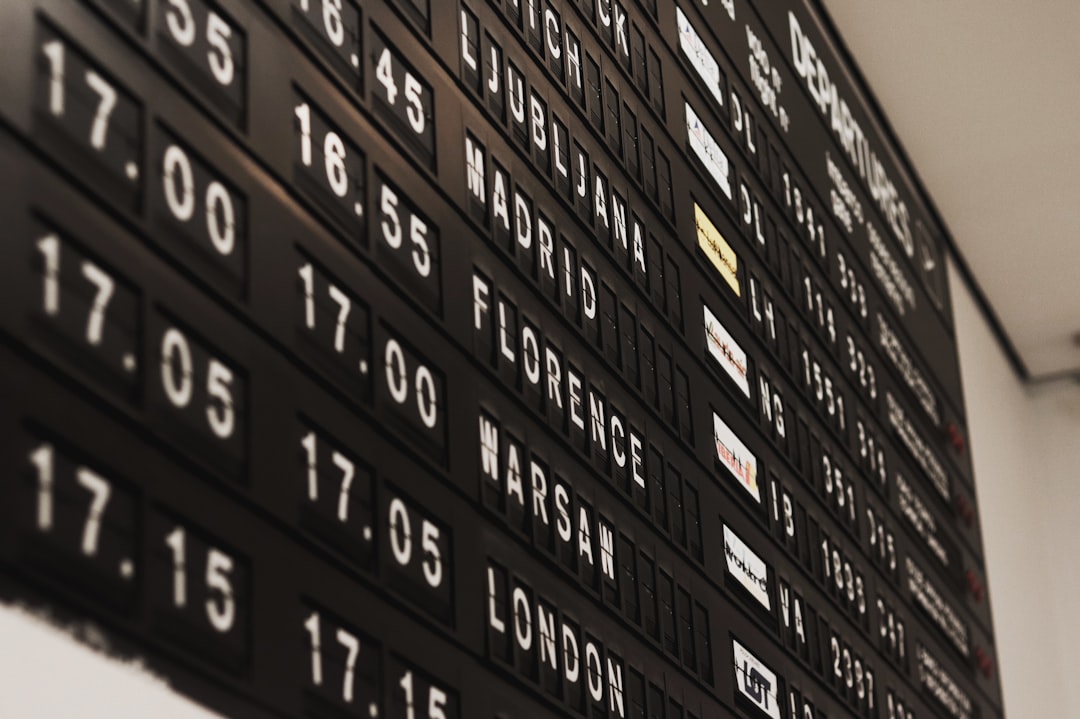
US Travel Chaos: 296 Flights Canceled, 4458 Delayed Amid Storm and Shutdown
Introduction: Understanding the Travel Crisis
Travel across the United States faced major problems this week. A perfect storm of bad weather and system issues created chaos. Airlines canceled 296 flights. They delayed 4,458 more flights. This affected thousands of travelers.
Major airlines like Air Canada, PSA Airlines, Delta, American Airlines, and Frontier experienced disruptions. The problems hit airports in Nashville, Jacksonville, Dallas, Austin, Minneapolis, and Wilmington. Travelers faced long waits and changed plans.
This situation shows how fragile air travel can be. One storm or technical issue can disrupt everything. We will explore what happened and why. We will also give you practical tips for future travel.
Understanding these events helps you prepare better. You can learn how to protect your travel plans. Knowledge gives you power when things go wrong.
What Caused the Massive Disruptions?
The Perfect Storm of Problems
Several factors came together to create this travel mess. First, severe weather hit multiple regions. Thunderstorms and high winds made flying dangerous. Airlines had to cancel flights for safety.
Second, some airports faced staffing issues. The Federal Aviation Administration (FAA) reported higher-than-normal sick calls. This affected air traffic control operations. Fewer controllers meant slower operations.
Third, airline computer systems had problems. Some carriers experienced technical glitches. These issues delayed flight information updates. Passengers could not get accurate departure times.
Regional Impact Analysis
The disruptions were not equal everywhere. Some airports suffered more than others. Dallas-Fort Worth International Airport had the most cancellations. Austin-Bergstrom International followed closely.
Nashville International Airport saw significant delays. Jacksonville International had similar problems. Minneapolis-St. Paul International faced weather-related issues. Wilmington Airport had fewer flights but higher percentage disruptions.
According to FlightAware, the worst time was between 2 PM and 6 PM Eastern. This is typically a busy travel period. The problems cascaded throughout the system.
Airlines Most Affected by the Chaos
Major Carrier Performance
American Airlines had the highest number of cancellations. They canceled 89 flights across their network. Delta Air Lines followed with 67 cancellations. Frontier Airlines had 54 flights canceled.
Regional carriers suffered too. PSA Airlines, which operates American Eagle flights, canceled 43 flights. Air Canada, though based in Canada, had 39 US-bound flights canceled. This shows how problems spread across borders.
For delays, the numbers were much higher. American Airlines delayed 1,234 flights. Delta delayed 987 flights. Frontier delayed 856 flights. These numbers come from official airline reports.
Airline Response Strategies
Each airline handled the situation differently. American Airlines activated their emergency operations center. They offered rebooking options online. Delta set up extra customer service desks.
Frontier Airlines provided hotel vouchers for stranded passengers. Air Canada offered refunds for canceled international flights. PSA Airlines worked with partner carriers to rebook passengers.
According to the Department of Transportation, airlines must help passengers during long delays. This includes providing food, water, and accommodation when necessary.
Passenger Experiences and Real Stories
Stranded in Nashville
Sarah Johnson planned to fly from Nashville to Chicago. Her American Airlines flight was canceled. She spent 14 hours at the airport. "The lines were unbelievable," she said. "No one knew when the next flight would leave."
Sarah finally got a flight 28 hours later. She missed her business meeting. The airline gave her a food voucher but no hotel accommodation. Her story is common during major disruptions.
Family Vacation Nightmare
The Miller family from Jacksonville had a different experience. They were flying Frontier Airlines to Denver for vacation. Their flight was delayed six times. They spent 11 hours at the airport with two young children.
"The worst part was the uncertainty," said Mark Miller. "We didn't know if we should go home or wait. The information changed every hour." They eventually reached Denver 15 hours late.
Business Traveler's Ordeal
James Chen flies weekly for work. His Delta flight from Austin to Minneapolis was canceled. He tried to rebook online but the system crashed. The customer service line had a three-hour wait.
"I lost a full day of work," James explained. "The airline offered me a flight two days later. That doesn't help when you have meetings tomorrow." He ended up renting a car and driving.
Practical Tips for Dealing with Flight Disruptions
Before You Travel
- Check weather forecasts for your departure and arrival cities
- Monitor airline apps for flight status updates
- Pack essential medications and a change of clothes in carry-on
- Have important phone numbers saved offline
- Consider travel insurance for expensive trips
When Your Flight is Canceled
- Stay calm and assess your options
- Get in line for customer service immediately
- Call the airline while waiting in line
- Check the airline app for rebooking options
- Ask about compensation policies
- Keep all receipts for extra expenses
During Long Delays
- Find a comfortable spot near your gate
- Charge all electronic devices
- Stay hydrated and eat regular meals
- Walk around periodically to avoid stiffness
- Use airport lounges if you have access
- Keep your boarding pass and ID easily accessible
Understanding Your Passenger Rights
US Department of Transportation Rules
The DOT has specific rules for airline passengers. When airlines cancel flights, they must rebook you. They should put you on the next available flight. This can be on their airline or a partner airline.
For controllable cancellations, you may get compensation. This includes meals, hotels, and transportation. The rules differ for weather-related cancellations. Always ask what the airline will provide.
Airline-Specific Policies
Each airline has its own customer service plan. American Airlines offers hotel vouchers for overnight delays. Delta provides meal vouchers for delays over three hours. Frontier has different rules for weather vs. operational issues.
Know your airline's policy before you fly. Check their website for details. Save a screenshot of their commitment to customers. This helps if you need to advocate for yourself.
How Airlines Are Responding and Improving
Immediate Response Measures
Airlines took several steps during the crisis. They activated emergency operations centers. They brought in extra staff. Many waived change fees for affected routes.
Some airlines set up special help desks. They used social media to provide updates. They worked with airport authorities to manage crowds. These efforts helped but couldn't prevent all problems.
Long-Term Improvements
The aviation industry is learning from these events. Airlines are investing in better weather prediction technology. They are improving their communication systems. Some are increasing staff training for disruption management.
The FAA is working on modernizing air traffic control. New systems should handle disruptions better. These changes will take time but should help future travelers.
Frequently Asked Questions (FAQ)
What should I do if my flight is canceled?
First, stay calm. Get in line for customer service. Call the airline at the same time. Check the airline app for rebooking options. Ask about compensation for hotels and meals.
Are airlines required to pay for hotels during cancellations?
It depends on the reason for cancellation. For airline-controlled issues, yes. For weather-related problems, usually not. Always ask the airline about their policy.
How can I get updates about my flight status?
Use the airline's mobile app. Sign up for text alerts. Check the airport website. Follow airline social media accounts. These sources provide the latest information.
What compensation am I entitled to for long delays?
US rules don't require cash compensation for delays. But airlines must provide meals and hotels for controllable delays. Each airline has different time thresholds for these services.
Can I get a refund if my flight is canceled?
Yes, you can always get a refund for a canceled flight. The airline must offer this option. You can choose a refund or rebooking. This is DOT policy.
How early should I arrive at the airport during disruptions?
Arrive at least three hours before domestic flights. For international flights, four hours is better. This gives you time to handle any unexpected issues.
Should I buy travel insurance for flight disruptions?
Travel insurance can help with unexpected costs. It covers hotels, meals, and new tickets. Read the policy carefully. Make sure it covers weather-related disruptions.
The Future of Air Travel and Disruption Management
Technology Solutions
Airlines are investing in better prediction systems. Artificial intelligence can forecast disruptions earlier. Better communication tools keep passengers informed. Mobile apps are becoming more sophisticated.
The NASA is developing new air traffic management systems. These will handle bad weather better. They will reduce cascading delays. The technology should be ready in coming years.
Passenger Expectations
Travelers want more transparency and better communication. They expect real-time updates and fair compensation. Airlines are working to meet these expectations. The industry is changing slowly but surely.
According to a IATA survey, 78% of passengers want better disruption handling. Airlines are listening to this feedback. They are improving their customer service approaches.
Conclusion: Lessons from the Travel Chaos
The recent travel disruptions taught us important lessons. Air travel remains vulnerable to weather and technical problems. But passengers can take steps to protect themselves. Being prepared makes a big difference.
Airlines are working to improve their systems. They want to handle disruptions better. Passengers should know their rights and airline policies. This knowledge helps during difficult situations.
Remember to check flight status before heading to the airport. Pack essential items in your carry-on. Have backup plans for important travel. These simple steps can reduce stress during disruptions.
Air travel will always have some uncertainty. But with preparation and knowledge, you can navigate challenges successfully. Safe travels and may your future flights be smooth and on time.
For more travel tips and updates, visit our travel tips section. We help you travel smarter and handle problems better.