
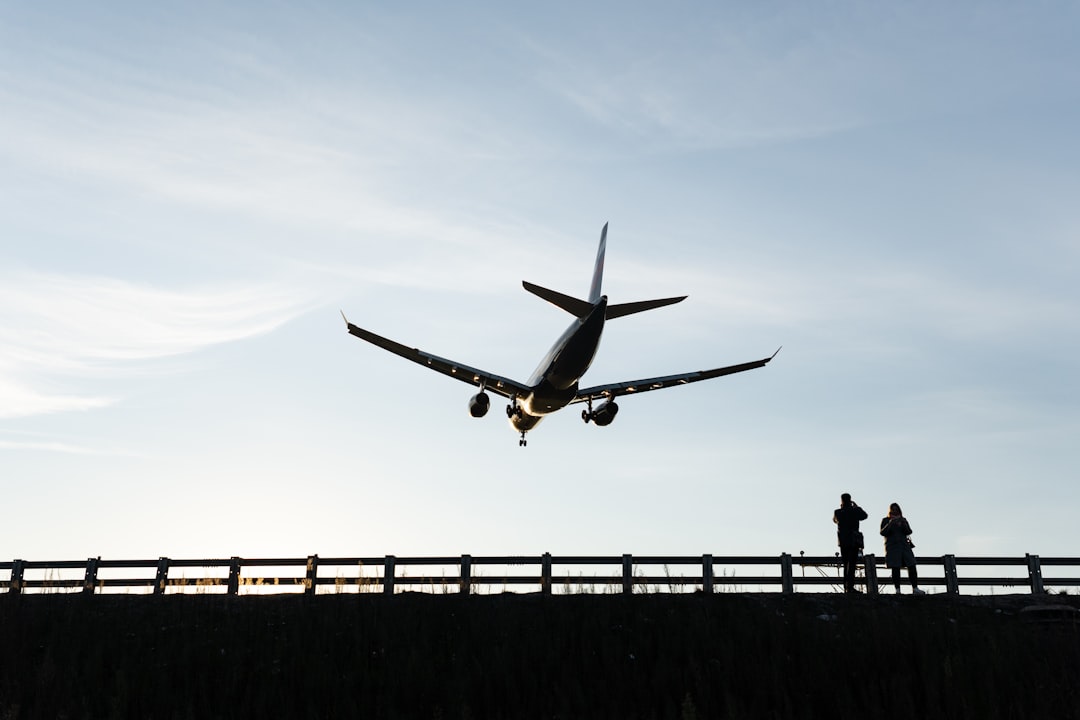
US Shutdown Threat: United Airlines Warns Travel Chaos Ahead
Introduction: The Looming Travel Crisis
United Airlines has issued a serious warning. The company says a US government shutdown could hurt travel confidence. This means people might cancel trips. They might avoid booking new flights. The airline industry fears big losses. Travelers face uncertainty and stress. This situation affects everyone planning to fly.
A government shutdown happens when Congress cannot agree on funding. Federal agencies must stop non-essential services. This includes airport security and air traffic control. Travel delays become likely. Passengers experience longer wait times. Flight cancellations increase. The entire travel system suffers.
United Airlines CEO Scott Kirby expressed deep concern. He said shutdowns damage consumer confidence. People feel nervous about traveling during such times. This hurts airlines, hotels, and tourism businesses. The economic impact can be massive. Recovery takes time and effort.
This article explains the shutdown threat. We cover how it affects your travel plans. You will learn practical tips to protect your trips. We share real examples from past shutdowns. Statistics show the true impact. Our guide helps you travel smart during uncertain times.
What is a Government Shutdown?
A government shutdown stops many federal services. Congress must pass spending bills to fund government operations. When they fail to agree, funding stops. This triggers a shutdown. Essential services continue operating. But many agencies reduce their staff.
How Shutdowns Affect Travel
Travel suffers greatly during shutdowns. Key transportation agencies face staffing issues. The Transportation Security Administration (TSA) screens passengers. Federal Aviation Administration (FAA) controllers manage air traffic. Both agencies see employee shortages during shutdowns.
TSA agents and air traffic controllers work without pay during shutdowns. Many call in sick due to financial stress. This creates security line backups. Flight delays become common. The aviation system slows down significantly.
Customs and Border Protection officers also work without pay. International arrivals face longer processing times. Passport applications get delayed. Global entry and TSA pre-check services slow down. Travel becomes more difficult for everyone.
Historical Context of Government Shutdowns
The US has experienced many government shutdowns. The longest occurred in 2018-2019. It lasted 35 days. Travel suffered dramatically during this period. TSA sick calls reached record highs. Some airports closed security checkpoints. Travelers missed flights due to long lines.
During the 2013 shutdown, approximately 800,000 federal employees were furloughed. Air traffic controller training stopped. Safety inspections reduced. The FAA paused 2,500 safety projects. The travel industry lost millions of dollars daily.
United Airlines' Specific Concerns
United Airlines filed a disclosure with the Securities and Exchange Commission (SEC). The company identified government shutdowns as a business risk. This formal acknowledgment shows serious concern. United worries about reduced travel demand. They fear operational challenges.
Impact on Consumer Confidence
Scott Kirby explained the confidence problem. Travel is often discretionary spending. People choose to travel for vacations and visits. During uncertainty, they postpone plans. Business travel also decreases. Companies cut costs when the economy seems unstable.
United's research shows clear patterns. Booking rates drop as shutdown threats increase. Customers worry about airport chaos. They fear being stranded. Travel insurance claims rise. The airline must manage these concerns while maintaining operations.
Operational Challenges for Airlines
Airlines face direct operational issues during shutdowns. FAA safety oversight reduces. Aircraft certification processes slow down. New route approvals get delayed. Pilot training programs face interruptions. These factors affect airline growth and safety.
United must navigate these challenges while keeping flights safe. The airline works closely with federal partners. They develop contingency plans. But some factors remain beyond their control. Passenger frustration often targets airlines rather than government.
Real Examples from Past Shutdowns
Past shutdowns provide clear evidence of travel impacts. Let's examine specific incidents that affected travelers and airlines.
The 2018-2019 Shutdown Experience
The longest government shutdown caused widespread travel problems. Miami International Airport closed a terminal due to TSA shortages. Wait times exceeded two hours at major airports. Some travelers missed international connections. Airlines provided flexibility with change fees.
TSA reported 10% unscheduled absences during peak periods. Normally, the rate is about 3%. This meant fewer screeners at checkpoints. Security lines stretched through airport terminals. Passengers arrived hours early for domestic flights.
Air Traffic Control Impacts
New York's LaGuardia Airport faced significant delays in January 2019. The FAA temporarily stopped some flights. Too few controllers reported for work. This created a domino effect nationwide. Thousands of passengers experienced disruptions.
Controllers expressed concern about safety. Working without pay created stress. Many controllers reached retirement eligibility. Some considered leaving their jobs. The system faced potential long-term damage.
Statistics: The Numbers Behind Shutdown Impacts
Data reveals the true scale of shutdown effects on travel. These numbers help us understand the risk United Airlines identified.
- During the 2018-2019 shutdown, TSA screened 1.78 million passengers on January 18, 2019. The unscheduled absence rate reached 7.6 percent
- Miami International Airport reported 100-130 TSA call-outs daily during the shutdown. Normal rates are 30-40 daily
- The US Travel Association estimated the 2018-2019 shutdown cost the travel industry $1.8 billion
- Hotel occupancy rates dropped in Washington DC areas. Some hotels reported 20% decreases in government-related bookings
- Airlines for America reported domestic airline capacity growth slowed during shutdown periods
- According to the Congressional Budget Office, the 2018-2019 shutdown reduced GDP by $11 billion
Practical Tips for Traveling During Shutdown Threats
You can take steps to protect your travel plans. These practical tips help you navigate uncertainty. Follow this advice to reduce stress and potential losses.
Before You Book
Research airline policies regarding shutdown scenarios. Many carriers offer flexible change options during extraordinary events. Consider purchasing travel insurance that covers government shutdowns. Read the fine print carefully. Some policies exclude these events.
Book flights with longer connection times. This provides buffer for potential delays. Choose airlines with strong customer service reputations. They often provide better support during disruptions. Avoid booking the cheapest possible fare. More expensive tickets typically offer greater flexibility.
Preparing for Your Trip
Monitor news about potential shutdowns as your travel date approaches. Sign up for airline alerts and government updates. Download airline apps for real-time information. Have backup plans for important meetings or events.
Pack essential medications in your carry-on. Include snacks and entertainment for potential long waits. Arrive at the airport earlier than usual. During shutdown threats, security lines may be unpredictable. Keep important phone numbers handy, including your airline and hotel.
During Your Travels
Remain patient and polite with airport staff. They are likely working under difficult conditions. Follow instructions from TSA and airline personnel. They have the most current information about operations.
Stay informed about developments. Check airport websites for security wait times. Use flight tracking apps to monitor your aircraft's status. Be prepared for last-minute changes to gates or schedules.
Step-by-Step Guide: Protecting Your Travel Investment
Follow this simple guide to safeguard your travel plans during shutdown threats. These steps help you minimize risks and handle disruptions effectively.
Step 1: Research and Planning
Check the political calendar before booking travel. Government funding deadlines often occur in September, December, and January. These are higher-risk periods for shutdowns. Consider traveling during more stable political times.
Review airline contract of carriage documents. Understand your rights during "force majeure" events. Look for airlines that have historically provided good customer service during past shutdowns.
Step 2: Insurance and Protection
Purchase travel insurance within 14 days of your initial deposit. This often triggers pre-existing condition coverage. Ensure your policy includes "cancel for any reason" coverage. This provides maximum flexibility.
Use credit cards that offer travel protection benefits. Many premium cards provide trip cancellation insurance. Keep records of all travel purchases and insurance documents.
Step 3: Contingency Planning
Identify alternative airports near your destination. Sometimes flying to a different city avoids the worst effects. Research ground transportation options between cities. Trains or rental cars might be viable alternatives.
Have backup accommodation plans. If you cannot reach your destination, know nearby hotel options. Keep important contacts informed about your travel plans. Share your itinerary with family or colleagues.
Step 4: Execution and Adaptation
Monitor situations closely as your travel date approaches. Be prepared to adjust plans if necessary. Maintain flexibility in your schedule. Allow extra time for potential disruptions.
Stay calm if problems occur. Work methodically through solutions. Contact airlines early if you need to make changes. Fees may be waived during extraordinary circumstances.
FAQ: Government Shutdowns and Travel
Travelers have many questions about shutdown impacts. Here are answers to the most common concerns.
1. Can I get a refund if my flight is delayed due to a shutdown?
It depends on the circumstances and airline policy. Generally, airlines are not required to provide refunds for delays. However, many carriers offer travel vouchers or fee waivers during major disruptions. Check your airline's contract of carriage for specific policies.
2. Will TSA pre-check and Global Entry still work during a shutdown?
TSA pre-check lanes typically remain open. However, staffing shortages might cause some lanes to close. Global Entry enrollment centers close during shutdowns. Existing members can still use the program, but interviews and approvals will be delayed.
3. Are air traffic controllers working during shutdowns?
Yes, air traffic controllers are considered essential employees. They continue working but without pay until funding resumes. This creates stress and potential staffing issues as some controllers may call in sick.
4. How early should I arrive at the airport during a shutdown?
Arrive at least three hours before domestic flights. Allow four hours for international travel. Check your airport's website for current security wait times. These can change rapidly during shutdowns.
5. Can I visit national parks during a government shutdown?
National parks may have reduced services or close entirely. Some remain open but without staffed facilities like restrooms or visitor centers. Check the National Park Service website for specific park status.
6. Will passport processing continue during a shutdown?
Passport agencies typically remain open as they are fee-funded. However, processing times may increase if supporting agencies are closed. Apply for passports well in advance of planned travel.
7. How do shutdowns affect international travelers visiting the US?
Customs and Border Protection officers continue working. Wait times may be longer due to staffing issues. Visa processing at embassies and consulates may slow or stop. International visitors should monitor situations closely.
The Economic Impact on Travel Industry
Government shutdowns hurt the entire travel ecosystem. Airlines, hotels, restaurants, and attractions all suffer. The economic consequences extend beyond immediate disruptions.
Airline Financial Losses
Airlines face direct revenue losses during shutdowns. Business travel decreases immediately. Leisure travelers postpone plans. Change fee revenue drops as airlines waive penalties. Fuel and labor costs continue while revenue declines.
United Airlines specifically noted these risks in their SEC filing. The company must balance operational needs with financial realities. Stock prices often drop during extended shutdowns as investors worry about profitability.
Small Business Impacts
Airport restaurants and shops see fewer customers during shutdowns. Hotels near government facilities experience booking cancellations. Tour operators lose business when attractions close. The ripple effect touches many small businesses.
Employees in travel-related industries face reduced hours or temporary layoffs. The economic pain spreads through communities. Recovery takes time even after shutdowns end.
Conclusion: Navigating Uncertain Times
United Airlines has identified a real threat to travel confidence. Government shutdowns create uncertainty and operational challenges. Travelers face potential disruptions and financial losses. The entire industry suffers economic damage.
However, you can take steps to protect yourself. Research airline policies before booking. Consider travel insurance with broad coverage. Monitor political developments as your travel date approaches. Allow extra time at airports during shutdown periods.
The travel industry has proven resilient through past shutdowns. Airlines, airports, and federal agencies work to minimize impacts. Communication and preparation are key to successful travel during uncertain times.
United Airlines' warning serves as important notice. It reminds us that travel depends on many factors beyond airline control. Political stability contributes to travel confidence. When planning your next trip, consider the broader environment. Make informed decisions that balance opportunity with potential risk.
Travel remains one of life's great joys. With proper preparation, you can navigate challenges and create wonderful memories. Stay informed, stay flexible, and safe travels!