
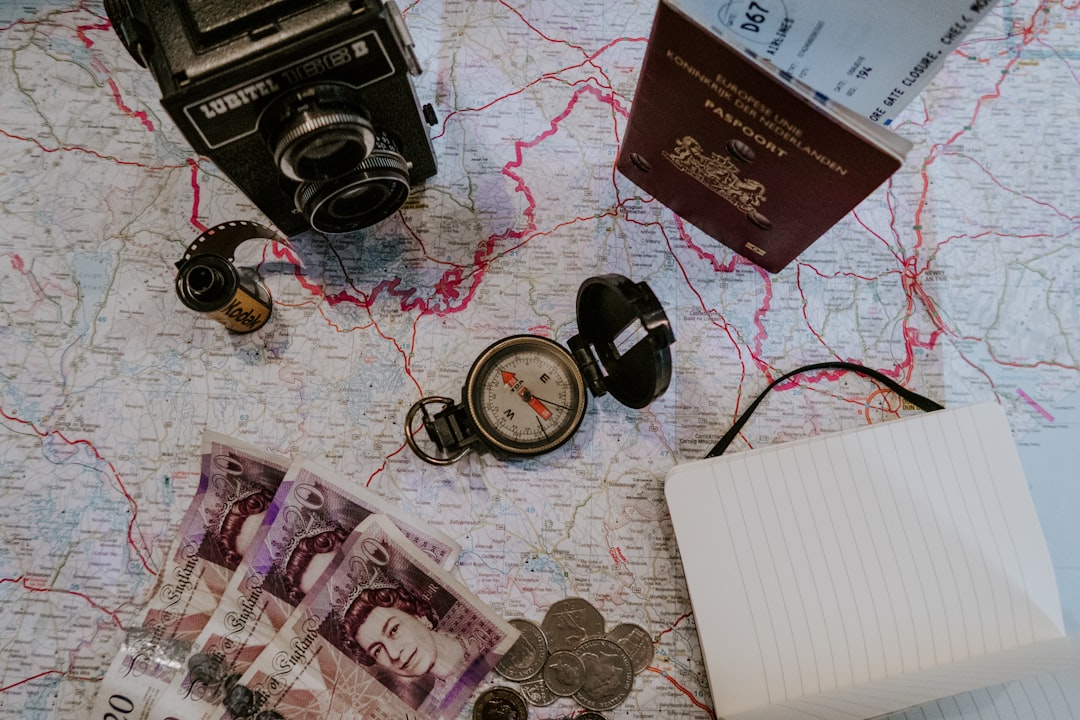
US Passport Power Plummets: What It Means For You
Introduction: A Historic Shift in Global Travel
The United States passport has long been a symbol of global freedom. For decades, American travelers enjoyed easy access to most countries. They rarely needed visas for short trips. This made international travel simple and convenient. However, recent news has changed this perception. For the first time ever, the US dropped out of the top 10 most powerful passports. This represents a significant shift in global mobility.
According to CNN's report, the US now ranks 11th worldwide. This marks a historic moment for American travelers. The decline reflects changing global relationships and policies. It also signals new challenges for US citizens abroad. Understanding this change is crucial for anyone planning international travel. This comprehensive guide explores what this means for you.
We will examine the reasons behind this decline. We will also provide practical advice for navigating new travel realities. Additionally, we will look at countries that have surpassed the US in passport power. Finally, we will discuss what the future might hold for American travelers. This information will help you plan better trips and avoid unexpected complications.
Understanding Passport Power Rankings
What Are Passport Power Rankings?
Passport power rankings measure travel freedom. They show how many countries a passport holder can visit without a visa. Some rankings also include visa-on-arrival destinations. The Henley Passport Index is the most widely recognized ranking system. It updates quarterly and uses data from the International Air Transport Association.
The index compares 199 different passports. It measures access to 227 travel destinations. A higher ranking means more visa-free access. This makes travel easier and cheaper. It also reduces paperwork and waiting times. Currently, Singapore holds the top position. Japanese passports previously dominated the rankings for years.
How Rankings Are Calculated
The calculation method is straightforward. Researchers count how many countries allow entry without a visa. They also include countries offering visa-on-arrival. Each passport receives a "visa-free score." This score determines its global ranking. The system assumes travelers are visiting for tourism. Business travel might have different requirements.
Several factors influence these scores. Bilateral agreements between countries matter most. Political relationships and security concerns also play roles. Economic factors can affect visa policies too. Countries with strong passports often have stable economies. They also typically maintain good international relations.
The US Passport Decline: Key Statistics
Current Ranking and Numbers
The US passport currently provides visa-free access to 188 destinations. This includes both visa-free entry and visa-on-arrival countries. While this number seems high, other passports offer more access. Singapore's passport leads with 194 visa-free destinations. Several European countries also outperform the US passport.
Here are the current top 10 passports according to the Henley Passport Index:
- Singapore (194 destinations)
- Germany, Italy, Spain (190 destinations)
- Japan, Austria, Finland, France, Luxembourg, South Korea, Sweden (189 destinations)
- Denmark, Ireland, Netherlands, United Kingdom (188 destinations)
- Belgium, Czech Republic, Malta, New Zealand, Norway, Portugal, Switzerland (187 destinations)
- Australia, Hungary, Poland (186 destinations)
- Canada, Greece (185 destinations)
- Lithuania, United States (184 destinations)
Historical Context
The US passport has gradually lost ground over the past decade. In 2014, it shared the top position with the United Kingdom. Since then, it has steadily declined in the rankings. This trend reflects changing global dynamics. Other countries have improved their international relationships. Meanwhile, the US has seen some deterioration in diplomatic ties.
According to historical data from Henley & Partners, the US ranked first in 2014 with 174 visa-free destinations. By 2023, it had dropped to seventh place. The recent fall to 11th position continues this concerning trend. This represents the lowest ranking in the index's 19-year history.
Why The US Passport Lost Power
Political and Diplomatic Factors
International relationships significantly impact passport power. Countries that maintain strong diplomatic ties typically have stronger passports. Recent US foreign policy decisions have affected these relationships. Some countries have responded by tightening visa requirements for Americans.
Political tensions with certain nations have played a role. Relationships with traditional allies have also faced challenges. These developments have gradually reduced US passport strength. Diplomatic efforts directly influence visa-free travel agreements. When relationships weaken, travel access often decreases too.
Security Concerns and Reciprocity
Security is another major factor. Countries consider reciprocity when setting visa policies. If one nation imposes strict requirements, others may respond similarly. The US has stringent visa policies for many countries. Some nations have mirrored these policies for American travelers.
Global security concerns also affect travel freedom. Terrorism threats and immigration issues influence visa decisions. Countries want to protect their borders while facilitating tourism. Finding the right balance is challenging. The US approach to border security has sometimes led other countries to tighten their requirements.
Economic Considerations
Economic factors play a role in passport power too. Countries with strong economies often have more negotiation power. They can secure better travel agreements with other nations. While the US economy remains strong, growth rates have slowed compared to some competitors.
Emerging economies are gaining influence globally. Countries like Singapore and South Korea have improved their positions. Their economic growth has supported stronger diplomatic relationships. This has translated into better passport power. The US meanwhile faces economic competition from multiple fronts.
Countries That Have Surpassed The US
Asian Powerhouses
Several Asian countries now outperform the US passport. Singapore leads the global rankings. Japan and South Korea also rank higher. These countries have invested heavily in international relationships. They have negotiated favorable visa agreements worldwide.
Singapore's rise is particularly impressive. The small nation has built strong ties across continents. Its passport now offers access to 194 countries visa-free. This includes difficult-to-access destinations like China and Russia. Japanese and South Korean passports provide similar advantages.
European Leaders
European passports continue to dominate the top rankings. Germany, Spain, and Italy all outperform the US. France, Finland, and Luxembourg also rank higher. The European Union's collective bargaining power helps member states. They negotiate visa agreements as a bloc rather than individually.
This collective approach gives European citizens an advantage. Even smaller EU nations benefit from these agreements. The UK passport remains strong despite Brexit. It currently ranks fourth globally with access to 188 destinations.
Other Notable Performers
Several other countries have surpassed the US in passport power. Australia and New Zealand both rank higher. Canada also outperforms its southern neighbor. These countries have maintained strong international relationships. They have also avoided some of the diplomatic challenges facing the US.
The United Arab Emirates has shown remarkable improvement. Its passport has climbed from 62nd to 12th position in a decade. This demonstrates how rapidly passport power can change with focused effort.
Practical Implications For American Travelers
Increased Planning Requirements
The US passport decline means more planning for international travel. Americans now need to research visa requirements more carefully. Some destinations that were previously visa-free now require advance planning. This adds time and complexity to trip preparation.
Travelers should check requirements at least three months before departure. Some visa applications take weeks or months to process. Last-minute trips to certain destinations become more difficult. Proper planning ensures you don't encounter problems at borders.
Additional Costs
Visa applications often involve fees. These costs can add significantly to travel expenses. Some countries charge over $100 for visa processing. Multiple destinations mean multiple visa fees. This makes extended international travel more expensive for Americans.
There are also indirect costs to consider. Visa applications may require passport photos and documentation. Some travelers need to visit embassies or consulates in person. This involves transportation costs and time away from work.
Longer Processing Times
Visa applications take time. Some countries process applications quickly. Others can take several weeks. This affects travel flexibility. Spontaneous trips become more challenging. Travelers must build buffer time into their plans.
Processing times vary by country and season. Popular destinations may have longer wait times during peak travel periods. Some countries offer expedited processing for additional fees. However, this further increases travel costs.
Step-by-Step Guide: Navigating New Travel Requirements
Step 1: Research Destination Requirements
Start by researching your destination's visa policies. Use official government websites for accurate information. The US State Department website provides reliable destination information. Also check the embassy website of your destination country.
Make note of application procedures and required documents. Some countries offer e-visas while others require in-person applications. Understand processing times and fees before making travel commitments.
Step 2: Prepare Necessary Documents
Visa applications typically require several documents. These often include:
- Valid passport with blank pages
- Passport-sized photographs
- Completed application forms
- Proof of sufficient funds
- Travel itinerary and accommodation details
- Return flight tickets
Some countries require additional documentation. Business travelers might need invitation letters. Students may need acceptance letters from educational institutions. Prepare these documents well in advance.
Step 3: Submit Your Application
Follow the specific application process for your destination. Some countries allow online applications. Others require appointments at embassies or consulates. Submit applications according to the recommended timeline. Allow extra time for potential delays.
Keep copies of all submitted documents. Note application reference numbers for tracking purposes. Save all payment receipts. These records help resolve any issues that might arise.
Step 4: Prepare for Border Entry
Even with proper visas, border officials may ask questions. Be prepared to explain your travel plans. Carry copies of important documents with you. Have accommodation details and return tickets readily available.
Understand the conditions of your visa. Some visas limit the length of stay or permitted activities. Violating visa conditions can lead to denied entry or future travel bans.
Practical Tips for American Travelers
Travel Document Preparation
Always ensure your passport is valid for at least six months. Many countries require this validity period. Keep digital copies of important documents in cloud storage. Also carry physical copies in separate luggage.
Consider getting passport pages added if running low on space. Some countries require blank pages for entry stamps. Renew your passport well before expiration to avoid travel disruptions.
Financial Preparation
Budget for visa costs when planning international travel. Research fees for all destinations on your itinerary. Some countries require proof of sufficient funds for your stay. Prepare bank statements or other financial documents.
Consider travel insurance that covers trip cancellations due to visa issues. Some policies offer this protection. Keep emergency funds available for unexpected visa-related expenses.
Timing and Scheduling
Apply for visas as early as possible. Some countries allow applications months in advance. Avoid making non-refundable travel bookings before securing visas. Build flexible dates into your travel plans when possible.
Consider visa processing times when planning multi-country trips. Schedule destinations with longer processing times earlier in your itinerary. Leave buffer days between international movements.
Future Outlook and Potential Changes
Possible Improvements
The US passport ranking could improve in the future. Diplomatic efforts might strengthen international relationships. New visa waiver programs could be negotiated. However, these changes typically happen slowly over years.
Some experts believe digital nomad visas might become more common. These could benefit American remote workers. Other potential developments include regional travel agreements. These might simplify travel within certain areas.
Continuing Challenges
Global political dynamics suggest continued challenges. Rising nationalism in some countries might lead to stricter border controls. Security concerns remain prominent worldwide. Economic uncertainties could also affect travel freedom.
Climate change and migration patterns might influence visa policies. Countries may adjust requirements based on environmental factors. Pandemic preparedness could lead to permanent changes in travel documentation.
Long-term Trends
Digital travel credentials might eventually replace physical passports. The International Civil Aviation Organization is developing standards. These digital systems could streamline border processes. However, widespread adoption will take years.
Biometric technology will likely become more common. Facial recognition and fingerprint scanning may replace passport stamps. These changes could make border crossing faster but raise privacy concerns.
Frequently Asked Questions
Which countries require visas for Americans now?
Several countries require visas for US passport holders. These include Russia, China, India, Brazil, and Australia. However, requirements change frequently. Always check current regulations before traveling. Some countries offer visa-on-arrival or electronic travel authorization instead of traditional visas.
How much does a visa typically cost?
Visa costs vary significantly by country. They range from $20 to over $200. Some countries charge different fees based on nationality. Additional service fees may apply if using visa agencies. Always check official government websites for accurate fee information.
Can I visit multiple countries with one visa?
Some regions offer unified visas. The Schengen Area in Europe allows travel to 27 countries with one visa. Other regions have similar agreements. However, most visas are country-specific. Research whether your destinations participate in regional visa programs.
How long does visa processing usually take?
Processing times range from a few days to several months. Simple e-visas might be approved within 48 hours. Complex applications can take 8-12 weeks. Factors affecting processing time include destination country, season, and application completeness. Apply well in advance of your travel dates.
What happens if my visa application is denied?
Visa denials can occur for various reasons. Common causes include incomplete applications or insufficient documentation. Some countries allow appeals or reapplication. Others may require waiting periods before reapplying. Understand the specific policies of your destination country.
Do children need separate visas?
Most countries require visas for children, including infants. Some nations exempt young children from visa fees. However, they still need proper documentation. Check age requirements and policies for each destination. Children typically need their own passports for international travel.
Can I extend my visa while abroad?
Some countries allow visa extensions for legitimate reasons. Others require leaving and reapplying. Extension policies vary widely. Common valid reasons include medical emergencies or unexpected events. Tourism typically doesn't qualify for extensions. Always check extension possibilities before traveling.
Real Examples: Travelers Share Their Experiences
Business Traveler's Story
Mark, a sales executive from Chicago, shares his experience. "I used to travel to Europe frequently without much planning. Now I need visas for several Asian markets. The process adds weeks to my preparation time. Last month, I missed an important meeting because my visa didn't arrive in time."
Mark now plans his business trips six months in advance. He uses visa services to handle applications. This costs more but reduces stress. He advises other business travelers to build extra time into their schedules.
Family Vacation Challenges
The Johnson family from Texas planned a multi-country Asian tour. "We didn't realize how complicated visa requirements had become," says Sarah Johnson. "Each country had different rules and processing times. We almost canceled our trip due to documentation issues."
The family learned to research each destination thoroughly. They now use spreadsheets to track requirements and deadlines. Sarah recommends starting visa applications immediately after booking flights.
Digital Nomad Adaptation
James, a software developer working remotely, faced new challenges. "Many countries now offer digital nomad visas. But the requirements are strict. I spent months gathering financial records and health insurance documents."
He successfully obtained a one-year visa for Portugal. The process took three months and cost nearly $500. James suggests other digital nomads research countries with friendly visa policies.
Conclusion: Adapting to New Travel Realities
The US passport's decline in global rankings signals important changes. American travelers must adapt to new realities. This means more planning, higher costs, and longer preparation times. However, these challenges are manageable with proper knowledge and preparation.
Understanding visa requirements is more important than ever. Research destinations thoroughly before making travel plans. Build extra time and budget for visa applications. Use official resources for accurate information. Consider using professional visa services for complex itineraries.
Despite these changes, international travel remains accessible. The US passport still provides access to 188 destinations. This represents tremendous global mobility compared to many other nationalities. With careful planning, Americans can continue exploring the world.
The future may bring improvements through diplomatic efforts. Meanwhile, informed travelers can navigate current requirements successfully. Stay updated on changing policies and requirements. Join travel forums and follow official government channels. Preparation and knowledge are your best tools for smooth international travel.
Remember that travel requirements change frequently. Always verify information close to your departure date. Safe travels and happy exploring!