
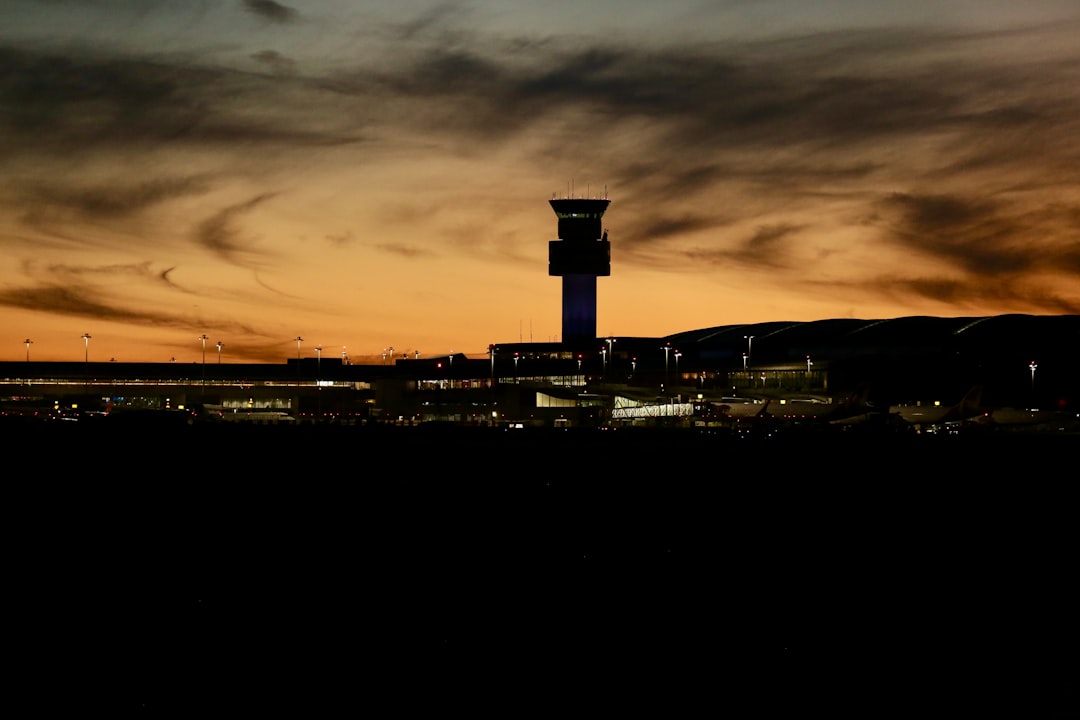
US Airport Chaos: Government Shutdown Travel Nightmare
Introduction: When Politics Grounds Your Travel Plans
Imagine arriving at the airport for your dream vacation. You packed your bags. You booked your flight. But then you see massive lines. Flights keep getting delayed. Airport staff look stressed. This is what happens during a government shutdown. When politicians cannot agree on funding, air travel suffers. Major US airports become chaotic. Thousands of travelers get stuck. This article explains everything about government shutdowns and air travel. You will learn why delays happen. You will discover how to protect your travel plans. We share real stories from affected travelers. We provide practical tips to survive airport chaos. Government shutdowns affect everyone. Understanding them helps you travel smarter.
Government shutdowns occur when Congress fails to pass funding bills. Essential services continue operating. But many government workers get furloughed. This means they stop working without pay. Air traffic controllers and TSA agents are essential workers. They must work during shutdowns. But they do not receive paychecks. This creates huge stress. Stressed workers make mistakes. Understaffed airports cause delays. The 2019 shutdown lasted 35 days. It caused major travel disruptions. Understanding this problem helps you prepare. Knowledge is power when traveling during uncertain times.
What Exactly is a Government Shutdown?
A government shutdown happens when Congress cannot agree on budget bills. Federal agencies must stop non-essential services. This affects many parts of daily life. National parks may close. Passport processing slows down. But air travel gets hit hardest. Why? Because airport operations depend on federal workers.
The Funding Process Explained Simply
The US government needs money to operate. Congress must approve spending bills. These bills fund different departments. Sometimes politicians disagree on spending. They might argue about border security. Or they debate healthcare funding. When no agreement happens, funding stops. This triggers a shutdown. The last shutdown occurred in 2018-2019. It was the longest in US history. According to the Congressional Research Service, shutdowns have happened over 20 times since 1976.
Essential vs Non-Essential Workers
During shutdowns, the government distinguishes between workers. Essential workers must continue working. Non-essential workers get furloughed. Air traffic controllers and TSA agents are essential. They protect public safety. But they work without pay during shutdowns. This creates financial hardship. Stressed workers may call in sick. Some might seek other jobs. This leads to staff shortages at airports.
How Government Shutdowns Paralyze Air Travel
Air travel is a complex system. It requires many workers to function smoothly. When one part fails, everything slows down. Government shutdowns affect multiple airport functions. Understanding these impacts helps you prepare.
Air Traffic Controller Shortages
Air traffic controllers guide planes safely. They work in control towers. They manage takeoffs and landings. During shutdowns, they work without pay. This causes immense stress. Many controllers have high living costs. Missing paychecks hurts their families. Some controllers call in sick. Others might retire early. The Federal Aviation Administration (FAA) reported increased sick leave during past shutdowns. Fewer controllers mean slower operations. Planes must wait longer for clearance. This creates chain reaction delays.
TSA Staffing Crises
TSA agents screen passengers and luggage. They ensure flight safety. During shutdowns, they also work without pay. Many TSA workers live paycheck to paycheck. Financial stress affects their performance. Some agents seek other employment. Others protest by calling in sick. During the 2019 shutdown, TSA sick calls increased by 300%. This created massive security lines. Some airports had to close checkpoints. The Transportation Security Administration struggled to maintain normal operations.
Customs and Border Protection Impacts
International travel suffers too. Customs officers process arriving passengers. During shutdowns, they face the same pay issues. Fewer officers mean longer immigration lines. Travelers might miss connecting flights. Cargo inspections also slow down. This affects business shipments. The Customs and Border Protection agency reported major challenges during past shutdowns.
Real Airport Chaos: Case Studies and Examples
Let's examine real shutdown impacts. These examples show how bad things can get. Learning from past events helps us prepare for future disruptions.
LaGuardia Airport Nightmare (January 2019)
LaGuardia Airport in New York faced chaos. On January 25, 2019, massive delays occurred. The FAA had to ground many flights. Why? Because too many air traffic controllers called in sick. The airport is near Washington DC. Many controllers live in expensive areas. Missing paychecks created huge stress. The BBC reported that some flights got delayed over 4 hours. Travelers slept on airport floors. This was just one example of shutdown impacts.
Miami International Airport Struggles
Miami Airport serves many international flights. During the 2019 shutdown, customs lines stretched for hours. Some passengers waited 3+ hours just to clear immigration. This caused missed connections and frustration. The airport had to provide water and snacks to waiting travelers. Local news stations showed angry passengers. Many people vowed never to travel during shutdown periods again.
DFW Airport Security Line Chaos
Dallas-Fort Worth Airport is one of America's busiest. During the shutdown, TSA staffing issues created huge security lines. Some passengers reported 2-hour waits just for security screening. The airport had to reassign staff. They opened more lanes when possible. But the shortages were too severe. Many travelers missed their flights despite arriving early.
By the Numbers: Shutdown Impact Statistics
Numbers tell a powerful story. Here are key statistics from past government shutdowns. These figures show the real scale of travel disruptions.
- During the 2019 shutdown, TSA sick calls increased by 300% (TSA Data)
- LaGuardia Airport had 400+ flight delays on January 25, 2019 (FAA Reports)
- TSA screening wait times increased by 50% at major airports (TSA Performance Data)
- 25% of air traffic controllers were eligible for retirement during the 2019 shutdown (National Air Traffic Controllers Association)
- US travel industry lost $1.8 billion during the 2019 shutdown (US Travel Association)
- International visitor spending decreased by $1.5 billion (Department of Commerce)
- 25% of FAA safety inspectors were furloughed during previous shutdowns (FAA Reports)
Practical Survival Guide: Traveling During Shutdowns
You might need to travel during a shutdown. Maybe you have a wedding. Or an important business meeting. These tips will help you navigate airport chaos.
Before Your Trip: Smart Preparation
Preparation is key during uncertain times. Follow these steps before heading to the airport.
- Check airport status regularly: Use the FAA website for real-time updates
- Contact your airline: Ask about waiver policies and rebooking options
- Pack patience and supplies: Bring snacks, water, and entertainment for long waits
- Arrive extra early: Add 2-3 hours to your normal airport arrival time
- Download airline apps: Get push notifications about flight changes
- Consider travel insurance: Look for policies that cover government shutdowns
- Have backup plans: Research alternative airports and transportation
At the Airport: Navigating the Chaos
Once you arrive at the airport, use these strategies to minimize stress.
- Use TSA PreCheck or Clear: These programs often have shorter lines
- Monitor flight status constantly: Gates can change suddenly during disruptions
- Be kind to airport staff: Remember they are working without pay
- Stay hydrated and fed: Long waits require energy and patience
- Keep devices charged: Power banks can be lifesavers during delays
- Know your rights: Understand what compensation airlines must provide
- Stay flexible: Consider alternative routes or dates if possible
When Flights Get Canceled: Your Action Plan
Flight cancellations happen during shutdowns. Here is your step-by-step response plan.
- Remain calm and assess options: Panic makes everything worse
- Immediately contact your airline: Use their app, website, or call center
- Ask about accommodation: Airlines may provide hotels for overnight delays
- Document everything: Keep records of conversations and promises
- Know compensation rules: Research what you're entitled to receive
- Consider alternative airports: Nearby cities might have available flights
- Contact your travel insurance: File claims for additional expenses
Frequently Asked Questions (FAQ)
Can I get a refund if my flight is delayed due to government shutdown?
Yes, you can often get refunds or rebooking. Airlines usually issue travel waivers during shutdowns. These allow free changes or cancellations. Contact your airline directly. Check their website for specific policies. Each airline has different rules.
How long do airport delays typically last during shutdowns?
Delays vary by airport and day. Major hubs experience longer waits. Mornings often have fewer delays. Evenings can be worse. During the 2019 shutdown, some delays lasted 4+ hours. Check real-time airport status before traveling.
Should I avoid traveling during government shutdowns?
If possible, yes. Postpone non-essential travel. Shutdowns create uncertainty and stress. Essential travel might be unavoidable. In that case, prepare for disruptions. Allow extra time for everything.
Do government workers get back pay after shutdowns?
Yes, Congress typically approves back pay. But workers suffer meanwhile. They miss mortgage payments and struggle financially. This affects their work performance. Supporting these workers helps maintain airport safety.
Can travel insurance cover shutdown-related cancellations?
Some policies do. Read carefully before buying. "Cancel for any reason" policies offer most protection. Standard insurance might exclude government actions. Ask providers specific questions about shutdown coverage.
Which airports are most affected by shutdowns?
Major hubs suffer most. These include JFK, LAX, ORD, ATL, and LGA. International gateway airports also face challenges. Smaller regional airports might have fewer issues. But connecting through hubs can still cause problems.
How can I support airport workers during shutdowns?
Be patient and kind. Thank them for their service. Some airports set up food banks for workers. Consider donating. Understanding their situation helps everyone get through difficult times.
The Ripple Effect: How Airport Delays Impact Everyone
Airport delays affect more than just travelers. The entire economy feels the impact. Understanding these connections shows why shutdowns matter to everyone.
Business and Commerce Impacts
Business travelers miss meetings. Cargo shipments get delayed. International commerce slows down. Companies lose money from disrupted operations. The US Travel Association estimated billions in losses during past shutdowns. Small businesses suffer most from these disruptions.
Tourism Industry Consequences
Tourists cancel trips. Hotels empty out. Restaurants lose customers. Local economies suffer. International visitors choose other countries. The US reputation as a reliable destination gets damaged. Recovery takes time even after shutdowns end.
Personal and Family Impacts
Missed weddings and funerals cause emotional pain. Family reunions get postponed. Vacation dreams shatter. Stress levels increase. Financial losses occur from non-refundable bookings. The human cost extends far beyond airport walls.
Conclusion: Navigating the New Normal of Air Travel
Government shutdowns have become more common in recent years. Air travel disruptions seem inevitable during these periods. But knowledge and preparation can reduce your stress. Understanding how shutdowns affect airports helps you make smarter decisions. Remember the human element too. Airport workers sacrifice greatly during these times. Their dedication keeps us safe despite personal hardship.
The best approach combines practical preparation with emotional resilience. Check airport status before traveling. Allow extra time for everything. Pack patience and supplies. Have backup plans ready. Most importantly, remember that delays are temporary. The aviation system eventually recovers. Until then, safe travels and smooth journeys—even during challenging times. For more travel tips during uncertain periods, visit our travel guides section.
Government shutdowns test our patience and resilience. But they also remind us of our shared humanity. We all want to reach our destinations safely. We all appreciate workers who make travel possible. By supporting each other and staying informed, we can weather any travel storm together.