
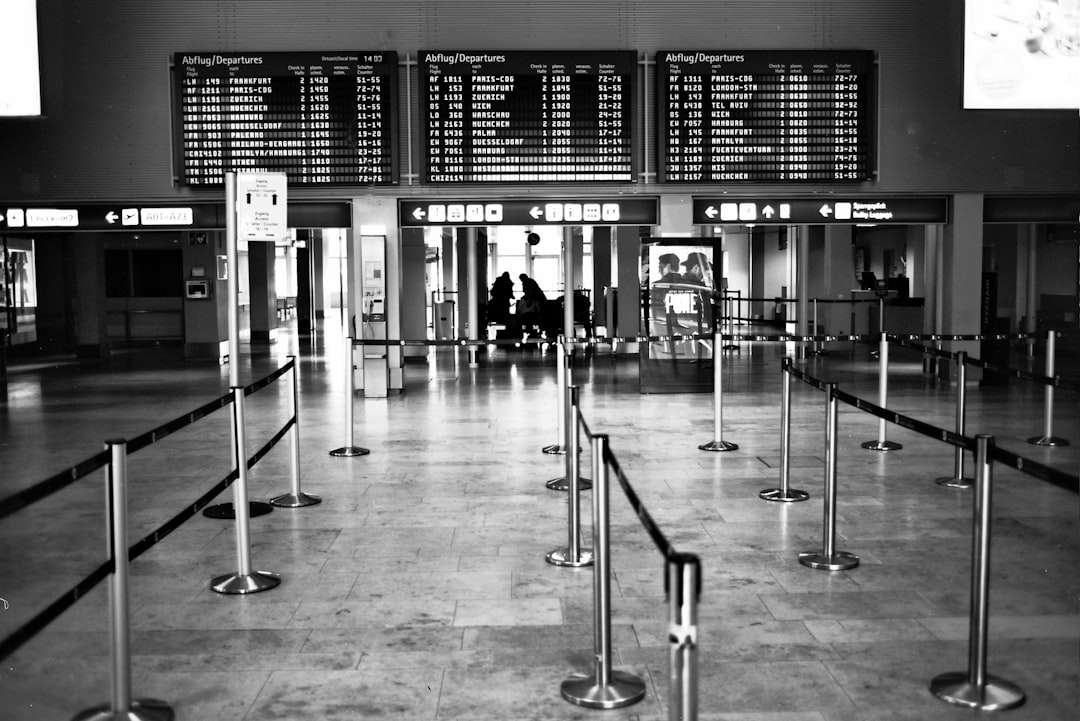
US Airport Chaos: Flights Grounded for Hours - What Really Happened
Introduction: The Day Travel Stood Still
Imagine arriving at the airport for your vacation. You feel excited. You check your bags. You go through security. Then you hear an announcement. All flights are grounded. No planes can take off. No planes can land. This happened at major US airports. Thousands of travelers were stuck. They waited for hours. Some slept on floors. Others missed important events. This travel chaos affected people across the country. In this article, we will explore what happened. We will look at why flights stopped. We will share stories from real travelers. We will give you tips for future trips. Travel can be stressful. Being prepared helps you handle problems. Let's dive into this amazing story.
The Federal Aviation Administration (FAA) manages US airspace. They made the decision to stop flights. This was not a small problem. It affected airports in New York, Chicago, Atlanta, and Los Angeles. These are some of the busiest airports in the world. When they stop working, it creates a big chain reaction. Delays spread to other airports. More flights get cancelled. The problem grows bigger. On this particular day, the system faced multiple challenges. Technical issues combined with weather problems. The result was perfect storm of travel disruption.
What Caused the Massive Flight Groundings?
The Technical System Failure
The main cause was a computer system failure. The NOTAM system stopped working properly. NOTAM means Notice to Air Missions. This system tells pilots about important information. It includes details about closed runways. It shows equipment problems at airports. It notes temporary flight restrictions. Without this system, flying becomes dangerous. Pilots need this information to fly safely. The FAA had to stop all flights. They needed to fix the system first. This was a major safety decision.
According to the Federal Aviation Administration, the NOTAM system had a complete failure. This was very rare. The system usually has backups. But on this day, the backups also had problems. Technical experts worked quickly to find solutions. They restored service after several hours. But the damage was already done. Thousands of flights were affected. The travel industry felt the impact for days.
Weather Complications
Bad weather made the situation worse. Several states had winter storms. Others had heavy rain and fog. Poor visibility makes flying dangerous. Airlines had already cancelled some flights due to weather. The technical problem added to these cancellations. The combination was devastating. Travelers faced double trouble. First from nature, then from technology.
The National Weather Service reported severe conditions in multiple regions. The East Coast had strong winds. The Midwest had snow storms. The West Coast had heavy rain. All these conditions reduce airport capacity. Fewer planes can take off and land safely. When you add a system failure, everything stops completely.
Staffing Challenges
Airports have been dealing with staff shortages. Many workers left during the COVID-19 pandemic. Airlines and airports struggled to hire enough people. This affected many areas. There were fewer security agents. Fewer baggage handlers. Fewer flight attendants and pilots. The system was already stretched thin. When the flight groundings happened, staff were overwhelmed. They had to help thousands of stranded passengers. This was a huge challenge.
Major Airports Affected by the Chaos
Hartsfield-Jackson Atlanta International Airport
This is the busiest airport in the world. It handles over 100 million passengers yearly. On the day of chaos, everything stopped. Travelers filled the terminals. They waited in long lines. They searched for information. Flight information screens showed cancellations. Airport staff tried to help everyone. But there were too many people. The situation became very stressful.
Atlanta airport is a major hub for Delta Air Lines. Delta cancelled over 500 flights that day. This affected travel across the country. Many connecting flights go through Atlanta. When it stops, the whole network feels the impact. Travelers shared stories of sleeping on airport floors. They waited for hours without updates. Some people missed important business meetings. Others missed family events like weddings and funerals.
Chicago O'Hare International Airport
Chicago O'Hare is another very busy airport. It is a hub for United and American Airlines. On the day of groundings, chaos ruled. Travelers reported confusion and frustration. Information was hard to find. Airlines could not tell people when flights would resume. The uncertainty made people anxious.
Winter weather added to the problems. Chicago had snow and ice. This made runway conditions dangerous. De-icing equipment was in high demand. The combination of weather and system failure created a nightmare scenario. Travelers shared photos on social media. They showed crowded terminals and long lines. Some people waited over 12 hours for new flights.
Los Angeles International Airport
LAX is a major gateway to the United States. It handles many international flights. When the groundings happened, international travelers were especially affected. Some people did not speak English well. They struggled to understand what was happening. Airport staff tried to help with translation services. But it was still very difficult.
International flights have strict schedules. When they are delayed, it causes big problems. Airlines may need to arrange hotels for passengers. They might need to provide meals. With so many people affected, hotels near the airport filled quickly. Some travelers had to stay in hotels far from the airport. This added more stress and cost to their journey.
Real Traveler Stories: Voices from the Chaos
Sarah's Wedding Disaster
Sarah was flying from New York to Miami for her best friend's wedding. She was the maid of honor. Her flight was scheduled for 10 AM. She arrived at the airport early. Then she heard the announcement. All flights were grounded. She tried to find another way to Miami. She looked at trains and buses. But nothing was available on short notice. She missed the wedding. Her friend understood, but Sarah felt terrible. She learned that travel plans can change suddenly.
Mark's Business Trip Nightmare
Mark is a sales manager. He had an important meeting in Chicago. His company needed to sign a big contract. He flew from Seattle to Chicago. But his return flight was cancelled. He missed two days of work. His company lost a potential client. Mark now always has a backup plan. He keeps important documents in digital form. He can work from anywhere if needed.
The Johnson Family Vacation
The Johnson family planned a Disney World vacation for months. They saved money for this special trip. They flew from Boston to Orlando. Their return flight was cancelled due to the groundings. They had to pay for extra hotel nights. They also missed work and school. The children were disappointed. The parents were stressed about money. They learned to buy travel insurance for future trips.
Statistics: Understanding the Scale of Disruption
The flight groundings affected many people and flights. Here are some important numbers:
- Over 10,000 flights were delayed nationwide
- More than 1,500 flights were completely cancelled
- Approximately 1 million passengers were affected
- Economic impact estimated at $500 million
- Average delay time: 4 hours
- Longest delay: 18 hours
These numbers come from the Bureau of Transportation Statistics. They show how big this event was. The travel industry lost a lot of money. Airlines had to refund tickets. They paid for hotels and meals. The impact lasted for several days. It took time to get back to normal schedules.
Practical Tips: How to Survive Airport Chaos
Before Your Trip
Good preparation can reduce stress. Follow these steps before you travel:
- Check flight status regularly: Use airline apps to monitor your flight. Check the night before and morning of travel.
- Pack essential items in carry-on: Include medications, important documents, and a change of clothes.
- Download entertainment: Load your devices with movies, books, and music.
- Bring snacks and water: Airport food can be expensive and limited during delays.
- Have important contacts saved: Keep airline customer service numbers handy.
During Delays
If you get stuck at the airport, stay calm and follow these tips:
- Find information sources: Talk to airline staff directly. Don't rely only on flight screens.
- Charge your devices: Find airport charging stations. Keep your phone powered.
- Stay near your gate: Listen for announcements about your flight.
- Be polite to staff: They are dealing with the same situation. Kindness helps everyone.
- Explore options: Ask about alternative flights or airports.
Know Your Rights
The Department of Transportation protects airline passengers. You have certain rights during delays:
- Airlines must refund tickets if flights are cancelled
- They should provide meals during long delays
- They should offer hotel rooms for overnight delays
- They must help with rebooking on other flights
- Keep all receipts for extra expenses
Step-by-Step Guide: What to Do When Flights Are Grounded
Follow these steps if your flight is grounded:
- Stay calm: Take a deep breath. Panic won't help the situation.
- Get official information: Find an airline representative. Ask what happened and what happens next.
- Contact the airline: Use their app, website, or phone number. Sometimes you can rebook faster online.
- Check alternative options: Look at other airlines. Consider nearby airports.
- Notify important contacts: Tell family, friends, or work about the delay.
- Find a comfortable spot: Locate seating, charging ports, and restrooms.
- Take care of yourself: Eat, drink water, and move around periodically.
- Keep documents handy: Have your boarding pass and ID ready for when flights resume.
FAQ: Frequently Asked Questions
Why do airports ground all flights?
Airports ground flights for safety reasons. This can happen due to weather problems. It can also happen because of technical failures. Security issues can also cause groundings. Safety is always the top priority.
How long do flight groundings usually last?
It depends on the cause. Weather groundings might last a few hours. Technical problems can take longer. Some groundings last only 1-2 hours. Others can continue for many hours.
Can I get compensation for grounded flights?
It depends on the situation and airline policy. US airlines don't always pay compensation for delays. But they should refund your ticket if cancelled. They should also help with rebooking. Some travel insurance policies cover delays.
What should I do if I have connecting flights?
Tell airline staff about your connection. They can help you find new flights. They might book you on different airlines. They should help you reach your final destination.
How can I avoid problems during travel chaos?
Book morning flights. They are less likely to be delayed. Avoid connecting through busy airports. Consider travel insurance. Always have a backup plan.
What rights do international passengers have?
International passengers have similar rights. Airlines must provide meals and hotels during long delays. They must help with rebooking. Different countries have different rules. Check with your airline for specific policies.
Can I leave the airport during a long delay?
Yes, but be careful. Make sure you have enough time to return through security. Keep checking flight status. Tell airline staff if you leave. Don't go too far from the airport.
Conclusion: Lessons from the Travel Chaos
The massive flight groundings taught us important lessons. First, air travel is complex. Many systems must work together. When one system fails, it affects everything. Second, being prepared matters. Travelers who had essentials in carry-on bags coped better. Those who had travel insurance had less financial stress.
Third, patience and kindness help in difficult situations. Airport staff worked hard during the chaos. Travelers who were polite received better help. Fourth, technology can both cause and solve problems. The NOTAM system failure started the chaos. But airline apps and websites helped people rebook flights.
The aviation industry is learning from this event. Airports and airlines are improving their systems. They are creating better backup plans. They are training staff for emergency situations. As travelers, we can also learn. We can be better prepared for future trips. We can understand that sometimes things go wrong. The key is to stay calm and find solutions.
Travel brings amazing experiences. It connects us with loved ones. It allows us to see new places. Sometimes there are challenges along the way. But with good preparation and the right attitude, we can handle anything. Safe travels to all readers. May your journeys be smooth and your adventures wonderful.