
United CEO Reveals Travel Boom Secrets You Need Now
Introduction: The Travel Revolution Is Here
Scott Kirby, United Airlines CEO, made an exciting announcement. He said international travel demand is rebounding strongly. This is big news for travelers everywhere. After difficult pandemic years, people are flying again. They are exploring new countries and cultures. Kirby's insights come from real data. United Airlines sees booking patterns changing. People are planning trips to Europe, Asia, and beyond. This travel surge affects everyone. It means more flight options. It means better deals sometimes. It means the world is opening again. Understanding this trend helps you plan better. You can make smarter travel decisions. You can find the best times to fly. This article explains everything. We break down Kirby's important message. We show what it means for your next trip. We give practical tips for traveling now. The travel world is changing fast. Stay informed to travel smarter.
The Bloomberg report highlights key patterns. Business travel is coming back. Leisure travel remains strong. People are taking longer trips. They are visiting multiple countries. United is adding new routes. They are using bigger planes on popular routes. This means more seats for travelers. It might mean better prices too. Kirby's observations match what other airlines see. The travel industry is recovering. This is good news for everyone who loves to explore. Whether you travel for work or fun, this affects you. Understanding these trends helps you plan. You can book when prices are lower. You can choose less crowded times. You can find hidden gem destinations. This article gives you that knowledge. We explain the data in simple terms. We show how to use it for your benefit. Travel is becoming normal again. But it's a new normal with new rules. Learn how to navigate it successfully.
What United's CEO Actually Said About Travel Demand
Scott Kirby spoke with Bloomberg in 2024. He shared important observations about travel. His comments came from United's latest data. The airline sees strong demand for international flights. This is especially true for transatlantic routes. Europe remains very popular with American travelers. Asian destinations are also rebounding. Kirby noted that demand patterns have changed. People are booking further in advance. They are taking longer trips. Business travel is improving too. This is crucial for airline profits. United is responding to these trends. They are adding capacity where needed. They are using their largest planes on busy routes. This means more seats for popular destinations. It might lead to competitive pricing too. Kirby's message was clear and positive. The travel recovery is real. It is happening now. Travelers should understand what this means.
The Data Behind the Statement
United's observations come from hard numbers. The airline tracks bookings daily. They compare current data to previous years. Here's what their data shows. International bookings are up significantly. Transatlantic flights are particularly strong. Pacific routes are recovering well too. Business class demand is improving. This is important for airline revenue. Premium cabins help airlines make money. When business travel does well, airlines do well. United's load factors are high. Load factor means how full planes are. High load factors mean strong demand. United is seeing planes nearly full on many routes. This is especially true for popular European cities. Paris, London, and Rome are very busy. Asian hubs like Tokyo and Seoul are popular too. The data confirms Kirby's optimistic outlook.
How This Compares to Other Airlines
United isn't alone in seeing recovery. Other major airlines report similar trends. Delta Air Lines sees strong international demand. American Airlines notes similar patterns. European carriers like Lufthansa and Air France are busy. IATA (International Air Transport Association) data confirms this. Global air travel is recovering steadily. International travel reached 88% of 2019 levels in early 2024. This is according to IATA's latest report. The recovery is happening across regions. Europe and North America lead the way. Asia-Pacific is catching up fast. The consistency across airlines is important. It means this isn't just one company's experience. It's an industry-wide trend. This gives more weight to Kirby's comments. When multiple airlines see the same thing, it's a real pattern.
Why International Travel Is Bouncing Back Stronger Than Ever
Several factors drive the travel rebound. Understanding them helps predict future trends. The first factor is pent-up demand. People couldn't travel during pandemic years. They saved money and vacation days. Now they're using them. Many travelers postponed big trips for years. They're finally taking them now. The second factor is economic recovery. Many people have stable jobs again. They feel confident spending on travel. Business travel is recovering as companies meet in person again. The third factor is simpler travel rules. Most countries dropped COVID restrictions. Traveling is easier now. No more tests or vaccine requirements in most places. This removes barriers to travel. The fourth factor is new travel preferences. After being stuck home, people value experiences more. They prioritize travel over other spending. This mindset shift boosts demand.
The Psychology Behind the Travel Surge
Travel isn't just about transportation. It's about human needs and desires. Psychologists explain why travel demand is so strong now. After periods of restriction, people seek freedom. Travel represents that freedom. It's about exploring new places. It's about breaking routines. It's about creating memories. The pandemic made people realize life is short. They don't want to postpone dreams anymore. This psychological shift is powerful. It drives people to book trips they might have delayed before. Social media also plays a role. Seeing friends travel inspires others. It creates a sense of "fear of missing out." This psychological factor boosts demand further. Understanding this helps explain why Kirby's observations matter. This isn't just a temporary spike. It reflects deeper changes in how people view travel.
Economic Factors Supporting Travel Growth
The economy affects travel decisions. Several economic factors support current demand. Employment rates are strong in many countries. People with jobs feel confident spending money. Savings accumulated during pandemic years are being used. Many households have extra funds for travel. Airline pricing remains competitive in many markets. This makes travel more accessible. Business travel budgets are returning. Companies are sending employees to meetings and conferences again. The dollar remains strong against many currencies. This makes international travel cheaper for Americans. All these economic factors combine to support strong demand. They suggest the trend might continue. Unless economic conditions change dramatically, travel demand should remain robust. This aligns with United's positive outlook.
Top Destinations Seeing the Biggest Demand Surge
United's data shows certain destinations are particularly popular. Knowing these helps you plan better. You might choose less busy alternatives. Or you might book these popular spots well in advance. European cities lead the demand surge. London remains the top transatlantic destination. Paris follows closely. Rome, Amsterdam, and Dublin are very popular too. These cities offer classic European experiences. They have good flight connections. They appeal to both first-time and repeat visitors. In Asia, Tokyo is seeing strong recovery. Seoul and Singapore are popular too. These cities are major business hubs. They also offer amazing tourist experiences. Beach destinations are busy as well. Hawaii remains a favorite for Americans. Caribbean islands like Cancun and Punta Cana are popular. Knowing these patterns helps you make smart choices.
European Hotspots: Where Everyone Is Going
Europe dominates international travel recovery. United's transatlantic routes are especially busy. Here are the top European destinations based on current demand. London leads with the most flights and passengers. The UK capital always attracts Americans. Paris follows with its romantic appeal and famous landmarks. Rome draws history lovers and food enthusiasts. Barcelona offers great weather and architecture. Dublin appeals with its friendly atmosphere and cultural attractions. Amsterdam attracts with its canals and museums. These cities have direct flights from many US airports. This convenience boosts their popularity. If you plan to visit these cities, book early. Consider shoulder season visits for better deals. April-May and September-October often have good weather with smaller crowds.
Asian Destinations Making a Comeback
Asian travel recovery started slower but is accelerating now. United sees strong demand to several Asian hubs. Tokyo is the most popular Asian destination. Japan's reopening was later than some countries. But demand is very strong now. Seoul attracts K-pop fans and food lovers. Singapore remains a business and leisure favorite. Bangkok offers great value and amazing food. Hong Kong is recovering steadily. United and other airlines are adding capacity to these cities. If you plan Asian travel, consider these tips. Book well in advance for best prices. Be flexible with dates. Consider emerging destinations like Vietnam or Taiwan too. They might offer better value and smaller crowds. The Asian recovery means more options for travelers. But popular spots will be busy.
Practical Tips for Navigating the Travel Boom
The travel surge creates challenges and opportunities. Smart travelers can benefit with good planning. Here are practical tips based on current trends. First, book early. With high demand, last-minute deals are rare. Book flights 2-3 months early for international trips. Second, be flexible with dates. Flying Tuesday-Wednesday often costs less. Avoid peak holiday periods if possible. Third, consider alternative airports. Flying to London Gatwick instead of Heathrow might save money. Fourth, use price alerts. Set up alerts on Google Flights or airline apps. Fifth, consider travel insurance. With full planes, disruptions can happen. Insurance protects your investment. Sixth, join loyalty programs. Earn miles on every flight. These can give you upgrades or free trips later. Seventh, pack light to avoid baggage fees. These simple strategies help you travel smarter in busy times.
Booking Strategies for Better Deals
Booking strategies matter more when demand is high. Here's a step-by-step approach to getting good deals. Start by monitoring prices. Use Google Flights to track route prices. Set up price alerts for your desired routes. Be flexible with your travel dates if possible. Mid-week flights often cost less. Consider flying on less popular days. Tuesday and Wednesday are often cheapest. Book well in advance. For international trips, 2-3 months early is ideal. Consider alternative airports. Sometimes flying to a nearby city saves money. Then take a train or bus to your final destination. Use incognito mode when searching. Some websites track your searches and raise prices. Clear cookies or use private browsing. Consider package deals. Sometimes flight-hotel bundles offer better value. Check airline websites directly too. They sometimes have sales not listed elsewhere.
Packing and Preparation Tips
Good preparation makes travel smoother. With busy airports and full planes, being organized helps. Here are essential packing tips. First, pack light if possible. Carry-on bags save time and money. You avoid checked baggage fees. You also avoid waiting at baggage claim. Second, know airline rules. Check baggage size and weight limits. These vary by airline. Third, pack essentials in your carry-on. Include medications, important documents, and a change of clothes. Fourth, use packing cubes. They keep items organized and save space. Fifth, download airline apps before traveling. They provide real-time flight updates. Sixth, arrive early at airports. With more travelers, security lines might be longer. Arrive 3 hours early for international flights. Seventh, have digital copies of documents. Save passports and tickets on your phone. These preparations reduce stress and save time.
How Airlines Are Responding to Increased Demand
Airlines like United are adapting to higher demand. They're changing their networks and operations. Understanding these changes helps travelers. United is adding more flights to popular destinations. They're using larger aircraft on busy routes. This means more seats available. They're also launching new routes to emerging destinations. United recently added flights to Dubai and Manila. Other airlines are doing similar expansions. Delta is growing its transatlantic network. American is adding South American routes. Airlines are also investing in better customer experience. They're upgrading aircraft interiors. They're improving airport lounges. They're enhancing digital tools. These improvements benefit travelers. More flights mean more options. Better planes mean more comfort. Understanding airline strategies helps you choose the best flights. It also helps you understand why certain routes might have better deals.
Fleet and Network Changes
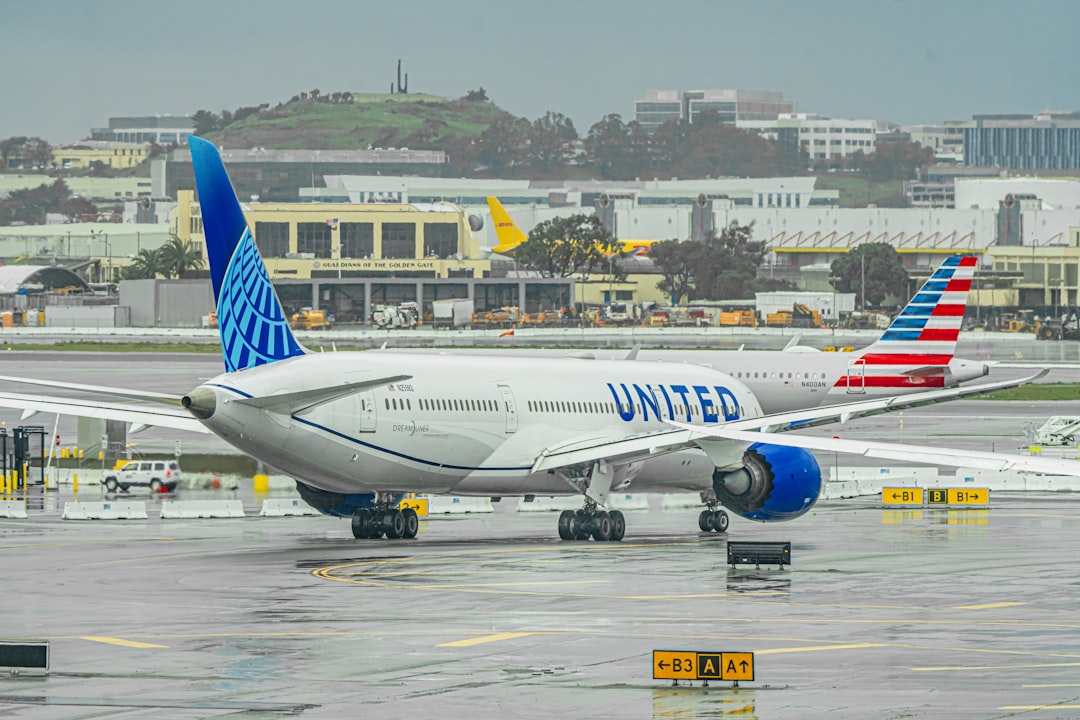
United is making significant fleet changes to handle demand. They're taking delivery of new aircraft. These include Boeing 787 Dreamliners and Airbus A321neos. These planes are more fuel-efficient. They offer better passenger comfort too. United is also reconfiguring existing planes. They're adding more premium seats on some routes. This responds to strong business travel demand. The airline is adjusting its network based on demand patterns. They're adding seasonal routes for peak travel periods. They're increasing frequency on popular business routes. Other airlines are making similar adjustments. These changes mean travelers have more options. But they also mean airlines can better match capacity to demand. This helps stabilize prices and improve service quality. For travelers, understanding these patterns helps in planning. You can choose airlines investing in better products. You can select routes with new aircraft for more comfort.
Technology and Customer Experience Improvements
Airlines are investing in technology to handle more passengers. United's app has improved significantly. It now offers better flight tracking. It provides smoother rebooking during disruptions. The airline has enhanced its website too. Booking is easier with more flexible options. Bag tracking technology has improved. You can now see where your bag is in real time. United has upgraded its airport technology too. Faster check-in kiosks save time. Better baggage handling systems reduce lost bags. These improvements matter when airports are busy. They reduce stress and save time. Other airlines are making similar investments. Delta has excellent app features for rebooking. American has improved its loyalty program technology. These tech improvements benefit all travelers. They make the journey smoother from booking to arrival. When choosing airlines, consider their technology investments. Good digital tools can significantly improve your travel experience.
What This Means for Future Travel Trends
The current travel surge isn't just a temporary spike. It reflects longer-term changes in travel behavior. Understanding these trends helps you plan future trips. One major trend is blended travel. People combine business and leisure trips. They add vacation days to work trips. This trend grew during the pandemic. It continues now. Another trend is longer trips. People are taking two-week vacations instead of one-week. They're visiting multiple countries in one trip. Sustainable travel is growing too. Travelers care more about environmental impact. They choose airlines with sustainability programs. They offset carbon emissions. Bleisure travel (business + leisure) is becoming normal. Companies allow employees to extend work trips for vacation. These trends will shape travel for years. Airlines like United are adapting to them. They offer more flexible tickets. They develop sustainability initiatives. They create products for blended travelers.
The Rise of "Work From Anywhere" Travel
Remote work changed travel patterns. Many people can now work from anywhere. This creates new travel opportunities. Digital nomads travel while working. They might spend a month in Lisbon. Then two months in Bangkok. Airlines see this trend in booking patterns. United notices longer stays in certain destinations. People aren't just taking two-week vacations. They're relocating temporarily. This trend benefits cities with good internet and infrastructure. Portugal, Mexico, and Thailand are popular. Airlines respond with more flexible tickets. They offer changeable dates. They create products for extended stays. This trend will likely continue. As more companies allow remote work, more people will travel while working. This creates opportunities for travelers. You can experience living in different cultures. You can travel without using all your vacation days. It's a fundamental shift in how people approach travel.
Sustainability and Travel's Future
Sustainability is becoming crucial in travel. Travelers care about their environmental impact. Airlines are responding with cleaner initiatives. United invests in sustainable aviation fuel. They're buying new fuel-efficient aircraft. They offer carbon offset programs. Travelers can choose to offset their flight emissions. This trend will grow in coming years. Governments are implementing environmental regulations. Airlines must reduce emissions. This might affect ticket prices eventually. But it also drives innovation. New aircraft technologies are developing. Electric planes might become viable for short flights. Sustainable practices are improving across the industry. As a traveler, you can make sustainable choices. Choose airlines with strong environmental programs. Pack light to reduce weight. Offset your carbon emissions. These choices help ensure travel remains possible for future generations. Sustainability isn't just a trend—it's travel's future.
Frequently Asked Questions About the Travel Rebound
1. Is international travel really back to normal?
Yes, mostly. According to IATA data, international travel reached 88% of 2019 levels by early 2024. Most countries have dropped COVID restrictions. Airlines are operating near-normal schedules. Some Asian destinations reopened later but are catching up fast. The travel experience is largely back to pre-pandemic normal.
2. Are flight prices higher because of increased demand?
Prices vary by route and timing. Popular routes at peak times can be expensive. But good deals exist with flexible planning. Booking early helps secure better prices. Shoulder season travel often offers good value. Use price alerts to monitor deals.
3. Which destinations are most popular right now?
European cities lead demand. London, Paris, and Rome are very popular. Asian hubs like Tokyo and Seoul are busy too. Beach destinations like Hawaii and Cancun remain favorites. United's data shows strong transatlantic demand particularly.
4. How far in advance should I book international flights?
For best prices and availability, book 2-3 months early. For peak season travel to popular destinations, book even earlier. Last-minute deals are rare with current high demand. Flexible dates help find better prices.
5. Is business travel really recovering?
Yes, business travel is recovering steadily. United's Scott Kirby noted improving corporate demand. Companies are sending employees to meetings and conferences again. Premium cabin demand is strong, indicating business travel recovery.
6. What about travel to Asia? Is it fully open?
Most Asian destinations are fully open now. Japan, South Korea, Singapore, and Thailand welcome tourists without restrictions. Some requirements might remain for specific countries. Always check official sources before traveling.
7. Should I expect crowded airports and flights?
Yes, especially during peak periods. Popular routes have high load factors. Plan for longer airport processing times. Arrive early for international flights. Consider premium security for faster processing if available.
Conclusion: Your Guide to the New Travel Era
Scott Kirby's observations signal a new travel era. International demand is strong and growing. This creates opportunities and challenges for travelers. Understanding these trends helps you make better decisions. Book early for popular destinations. Be flexible with dates and airports. Use technology to monitor prices. Consider emerging destinations for better value. The travel rebound reflects deeper changes in how we travel. People value experiences more after pandemic years. Blended travel is becoming normal. Sustainability matters more. These shifts will shape travel for years. United and other airlines are adapting to these changes. They're adding capacity where needed. They're improving customer experience. They're investing in sustainability. As a traveler, you can benefit from these improvements. Stay informed about industry trends. Use smart booking strategies. Be flexible in your planning. The world is opening again for exploration. With good planning, you can enjoy amazing travel experiences in this new era. The travel boom is real. Now is a great time to plan your next adventure.
The key takeaway from United's report is positive. Travel is recovering strongly. This means more options for travelers. It might mean competitive pricing on some routes. It definitely means the joy of discovery is back. Whether you're planning a European tour, an Asian adventure, or a business trip, understanding these trends helps. You can book smarter. You can travel better. You can create wonderful memories. The travel industry's recovery benefits everyone who loves to explore. As Kirby noted, the demand is there. The planes are flying. The world is waiting. Your next great travel experience might be closer than you think. Start planning today using the insights and tips in this article. Happy travels!