
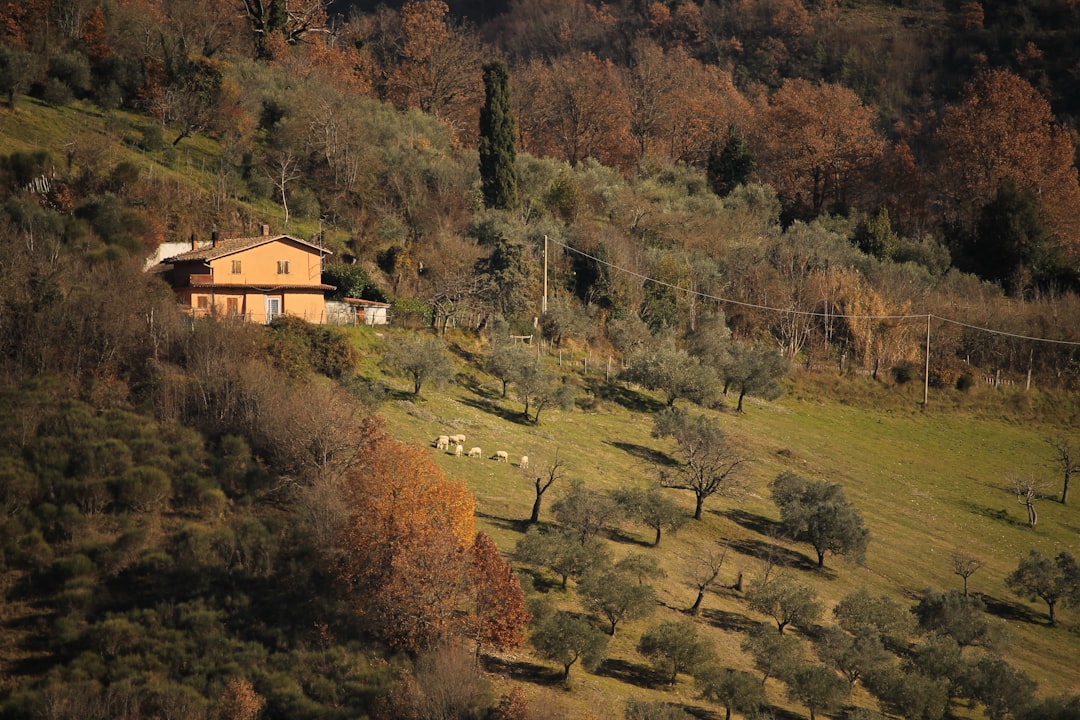
Tuscany Pays You $23,000 to Move to This Dream Village
Introduction: A Dream Come True in Tuscany
Imagine waking up to rolling hills. Picture vineyards stretching to the horizon. Think of ancient stone houses. Now add $23,000 to move there. This is real. The village of Santa Fiora in Tuscany wants new residents. They will pay you to live there. This program started in 2021. It continues today. The goal is simple. Bring life back to small towns. Combat rural depopulation. Create vibrant communities.
Tuscany is famous worldwide. People know it for beautiful landscapes. They love its rich history. The food and wine are exceptional. But many villages are emptying. Young people move to cities. Older residents pass away. Communities shrink. Santa Fiora decided to fight back. They offer cash incentives. They help with housing. They welcome newcomers with open arms.
This article will guide you through everything. Learn about the program requirements. Discover the application process. Understand what life is really like. Get practical tips for moving. Read real stories from people who did it. Find out if this dream could be your reality. Let's explore this incredible opportunity together.
The Santa Fiora Relocation Program: All Details
Santa Fiora is a medieval village. It sits on Mount Amiata in southern Tuscany. The population is around 2,600 people. The town launched its relocation program in 2021. It offers up to $23,000 (€20,000) to new residents. The money comes in installments. You get it over three years. The amount depends on your family size. Singles receive less. Families get more money.
Who Can Apply?
The program has specific requirements. Applicants must be under 40 years old. They need to commit to living in Santa Fiora for five years. They must work remotely or start a local business. The town prefers digital nomads. It wants entrepreneurs who will create jobs. You need to rent or buy property in the historic center. The program helps with finding housing.
What the Money Covers
The incentive covers various costs. It helps with rent for the first year. It supports business startup expenses. It assists with moving costs. The funds make relocation easier. They give you a financial cushion. This helps you settle into your new life.
Program Success So Far
The program has attracted global attention. Over 2,000 people applied in the first year. According to CNN Travel, 30 families moved to Santa Fiora. They came from across Italy and abroad. The town continues to welcome new residents. The mayor says the program is working well.
Why Santa Fiora is Special
Santa Fiora isn't just any Italian village. It has unique charm and history. The village dates back to the Middle Ages. It sits at 2,300 feet above sea level. The air is clean and fresh. The landscape is breathtaking. Ancient stone buildings line narrow streets. Three natural springs provide fresh water. They have supplied the village for centuries.
Rich Cultural Heritage
Santa Fiora has deep cultural roots. The village has several historic churches. The Church of Saint Flora and Lucilla is famous. It contains beautiful Della Robbia ceramics. The medieval castle overlooks the village. The historic center is perfectly preserved. Walking through it feels like time travel.
Natural Beauty and Outdoor Activities
The surrounding area offers endless outdoor opportunities. Mount Amiata is perfect for hiking. There are cycling trails through forests. In winter, you can ski nearby. The countryside has thermal springs. These natural spas are relaxing. The landscape changes with each season. Spring brings wildflowers. Summer offers warm days. Autumn colors are spectacular. Winter has crisp, clear air.
Local Food and Wine
Tuscan cuisine is world-renowned. Santa Fiora has its own specialties. Local mushrooms are famous. Chestnuts grow abundantly in the forests. The area produces excellent olive oil. Local wines include Montecucco and Morellino. According to Italian Tourism Board, Tuscany has over 70 protected food products. Many are available in Santa Fiora.
Practical Guide: How to Apply and Move
Moving to Italy requires planning. The Santa Fiora program has specific steps. Follow this guide to navigate the process successfully.
Step 1: Check Your Eligibility
First, make sure you qualify. You must be under 40 years old. You need a stable remote job. Or have a business plan for Santa Fiora. You must commit to five years in the village. You should have some savings beyond the incentive. This covers initial costs before payments begin.
Step 2: Prepare Your Application
Gather all required documents. You need:
- Valid passport
- Proof of income or business plan
- Criminal background check
- Health insurance proof
- Motivation letter explaining why you want to move
- CV or resume
Step 3: Submit Your Application
Send your application to Santa Fiora's town hall. You can find contact information on their official website. The review process takes 4-6 weeks. The committee evaluates each application carefully. They look for people who will contribute to community life.
Step 4: Arrange Italian Visa
If you're not an EU citizen, you need a visa. The most relevant is the elective residence visa. This requires proving sufficient financial means. According to Italian Ministry of Foreign Affairs, you need about €31,000 per year for singles. Families need more. The Santa Fiora incentive counts toward this requirement.
Step 5: Find Housing
The program team helps with housing. But you should also research independently. Property prices in Santa Fiora are reasonable. A small apartment rents for €400-600 monthly. Buying a house costs €80,000-150,000. The historic center has many restored properties.
Step 6: Plan Your Move
Organize your relocation carefully. Consider shipping costs for belongings. Learn basic Italian phrases. Understand healthcare options. Plan your transportation from the airport. The nearest major airport is in Rome. It's about two hours away by car.
Cost of Living in Santa Fiora
Understanding expenses is crucial. Tuscany is cheaper than major Italian cities. But costs vary from village to city. Here's what to expect in Santa Fiora.
Housing Costs
Renting is affordable in Santa Fiora. A one-bedroom apartment costs €400-600 monthly. A three-bedroom house rents for €700-900. Utilities add €150-200 monthly. This includes electricity, heating, water, and garbage. Internet costs €25-35 monthly for good service.
Food and Dining
Groceries are reasonably priced. A couple spends €250-350 monthly on food. Eating out costs €15-25 per person for a nice meal. Local markets offer fresh produce at good prices. According to Numbeo, food costs in Tuscany are 15% lower than in Milan.
Transportation Expenses
Public transport is limited in rural areas. Most residents own cars. A small car costs €150 monthly including insurance and fuel. Parking is free in Santa Fiora. Trains connect to larger cities but require driving to stations.
Healthcare Costs
Italy has excellent healthcare. Residents can join the national health service. This costs about €2,000 annually for non-EU citizens. It covers most medical needs. Private insurance is also available. It costs €1,000-2,000 yearly for good coverage.
Real Stories: People Who Made the Move
Hearing from actual residents helps understand the experience. These stories show both challenges and rewards.
Maria and Giovanni from Milan
Maria was a graphic designer in Milan. Giovanni worked in marketing. They felt stressed by city life. They applied to Santa Fiora's program in 2022. "The application process was smooth," Maria says. "The town hall staff were very helpful." They received €18,000 as a couple. They rented a stone house in the historic center. Maria continues her design work remotely. Giovanni started a small tourism business. "The quality of life improved dramatically," Giovanni notes. "We have time for each other now. The community welcomed us warmly."
Sarah from the United States
Sarah was a teacher in Chicago. She dreamed of living in Italy. She found Santa Fiora's program online. "I was skeptical at first," she admits. "It seemed too good to be true." She applied and was accepted. The visa process took three months. She moved in spring 2023. Sarah teaches English online to students worldwide. "The $23,000 helped me settle in comfortably," she says. "I used it for rent and setting up my home office. The hardest part was learning Italian. But locals are patient with my mistakes."
The Rossi Family from Rome
The Rossi family includes two young children. They wanted a safer environment for their kids. Marco worked in IT and could work remotely. Lucia was a chef who dreamed of opening a restaurant. They received the maximum family incentive. They bought a small house with a garden. Lucia opened a cooking school for tourists. "Our children play outside safely," Marco says. "They have friends in the village. They're learning both Italian and English in school. We have more family time together."
Challenges and Solutions
Moving to a new country has difficulties. Being prepared helps overcome them. Here are common challenges and how to address them.
Language Barrier
Most locals speak only Italian. English is not widely spoken in rural areas. This can be isolating at first. Solution: Start learning Italian before moving. Use apps like Duolingo or Babbel. Take intensive courses upon arrival. Practice with patient locals. Children pick up language quickly in local schools.
Bureaucracy
Italian paperwork can be complex. Getting documents translated and certified takes time. Solution: Hire a local facilitator. Many expats use services that help with bureaucracy. The Santa Fiora town hall assists newcomers. Be patient and organized with documents.
Social Integration
Small communities can be initially closed to outsiders. Building friendships takes effort. Solution: Participate in local events. Join community groups or clubs. Volunteer for local initiatives. Shop at local markets regularly. Be open and friendly with neighbors.
Healthcare Navigation
Understanding a new healthcare system is challenging. Solution: Register with the national health service immediately. Find a local doctor who speaks some English. Keep emergency numbers handy. Learn basic medical vocabulary in Italian.
Frequently Asked Questions
Can families with children apply?
Yes, families are welcome. The incentive amount increases with family size. Santa Fiora has a primary school. Older children attend schools in nearby towns. School buses provide transportation.
What happens if I leave before five years?
You must repay the incentive proportionally. If you leave after two years, you repay three years' worth. The contract specifies these terms clearly.
Is the income taxable?
Yes, the incentive counts as income. You must declare it on Italian tax returns. According to Italian Revenue Agency, relocation incentives are taxable. Consult a local accountant for specifics.
Can I bring my pets?
Yes, pets are welcome. You need proper vaccination records. Some rental properties have pet restrictions. Check this before committing to housing.
How reliable is internet service?
Santa Fiora has good fiber optic internet. Speeds reach 100 Mbps in most areas. This supports remote work effectively. The town invested in digital infrastructure recently.
What about healthcare for non-EU citizens?
Non-EU residents can join the Italian national health service. This requires paying an annual fee based on income. Private insurance is also an option. Emergency care is available to everyone.
Are there job opportunities locally?
Local jobs are limited but growing. Tourism creates some positions. Remote work is the main option. Some newcomers start businesses serving the community or tourists.
Comparison with Other Italian Relocation Programs
Santa Fiora isn't alone in offering relocation incentives. Several Italian towns have similar programs. Understanding differences helps choose the right fit.
Presicce in Puglia
Presicce offers €30,000 for home purchases. The focus is on buying and renovating old properties. The town is in southern Italy. The climate is warmer than Tuscany. The culture is different too. According to The Guardian, Presicce merged with another town to boost population.
Sambuca di Sicilia
This Sicilian town sells houses for €1. The catch? You must renovate them within three years. Renovation costs typically exceed €20,000. The program attracted global attention. Several houses have been sold successfully.
Montalcino in Tuscany
Another Tuscan town offers incentives. Montalcino is famous for Brunello wine. It provides tax breaks for new residents. The focus is on attracting young families. The program includes help finding jobs locally.
Statistics: Rural Depopulation in Italy
Understanding why these programs exist requires context. Rural depopulation is a serious issue in Italy.
- Over 2,300 Italian villages risk disappearing according to ISTAT
- Rural areas lost 15% of population since 2000
- 40% of Italian municipalities have fewer than 5,000 residents
- The average age in rural villages is 48 years
- Young people (18-35) comprise only 23% of rural populations
- Santa Fiora's population declined 12% in the past decade
These numbers explain the urgency. Towns need new residents to survive. They need young families to keep schools open. They need workers to support local businesses. Incentive programs address these critical needs.
Step-by-Step: Your First Month in Santa Fiora
The initial weeks set the tone for your new life. Follow this timeline for a smooth transition.
Week 1: Settlement
Focus on practical tasks. Unpack and organize your home. Set up utilities and internet. Register with local authorities. Get your residence permit if needed. Find the nearest supermarket and pharmacy. Take walks to learn the village layout.
Week 2: Documentation
Complete bureaucratic requirements. Get your Italian tax code (codice fiscale). Open a local bank account. Register with the national health service. Find a local doctor. Get your Italian driver's license if needed.
Week 3: Social Integration
Start building connections. Introduce yourself to neighbors. Visit local cafes regularly. Join community social media groups. Attend any local events or festivals. Volunteer for a community activity.
Week 4: Routine Establishment
Create your new normal. Establish work routines if working remotely. Find your favorite local spots. Develop shopping habits. Join a gym or sports group. Plan exploration of surrounding areas.
Conclusion: Is This Dream Right for You?
Santa Fiora's offer is genuinely life-changing. $23,000 helps significantly with relocation costs. The village offers incredible beauty and charm. The Tuscan lifestyle is healthier and slower-paced. But it's not for everyone. Consider your personality and needs carefully.
This move works well for remote workers. It suits entrepreneurs wanting to start small businesses. Families find safe environments for children. People seeking community connection thrive here. But if you need urban amenities frequently, it might feel isolated. If you don't enjoy small-town life, consider carefully.
The application process requires effort. Moving countries is always challenging. But the rewards can be immense. Better quality of life. Stronger community connections. Beautiful surroundings. Financial support to make it happen.
Santa Fiora represents a growing trend. Rural communities worldwide are fighting depopulation. They're offering incentives to attract new residents. This creates opportunities for people seeking different lifestyles. It benefits both newcomers and existing communities.
Research thoroughly before deciding. Visit Santa Fiora if possible. Talk to current residents. Calculate costs carefully. Learn some Italian basics. If it feels right, take the leap. Your Tuscan dream could be waiting.