
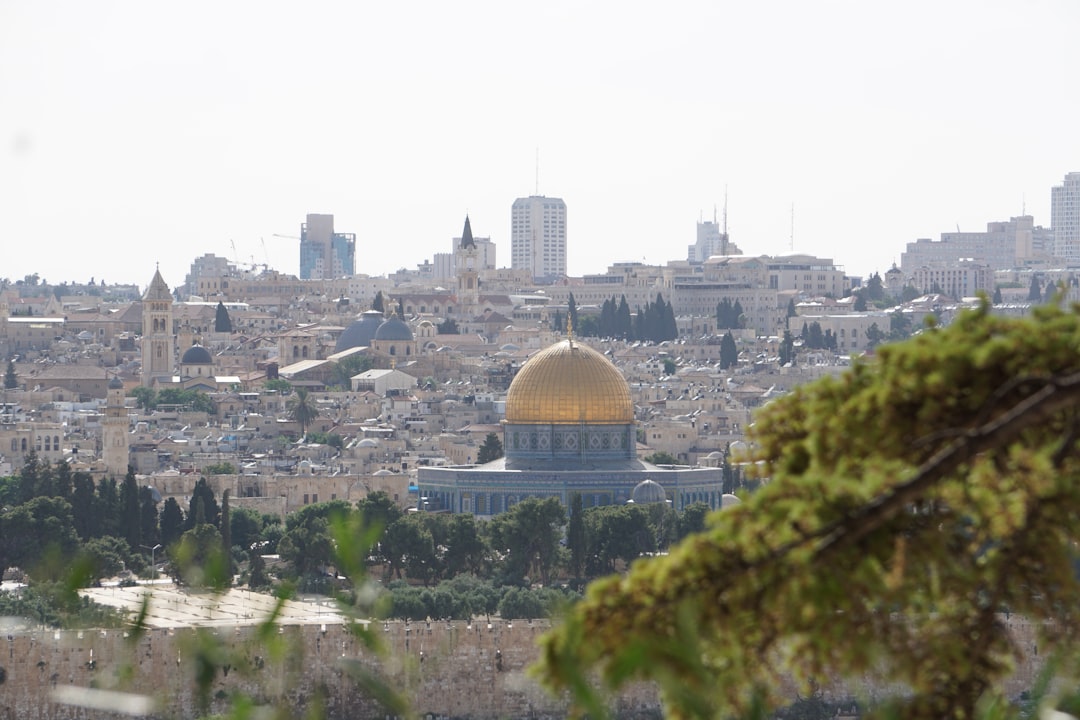
Trump's Middle East Peace Deal: What Travelers Need to Know
Introduction: A New Era for Middle East Travel
Former President Donald Trump says a peace deal is very close. He may travel to the Middle East soon. This news excites many people. It could change travel in the region forever. The Middle East has amazing places to visit. But conflicts made travel difficult. A peace deal could open new doors. Travelers could explore safely. They could see ancient sites. They could enjoy rich cultures. This article explains what might happen. It shows how travel could improve. It gives tips for future trips. The Middle East has so much to offer. Peace could let everyone enjoy it.
Countries like Israel, Saudi Arabia, and UAE could work together. Borders might open more. Visas could become easier. Safety would improve. Tourism would grow fast. This means better hotels, tours, and services. Travel costs might go down. More airlines would fly there. Everyone wins with peace. Travelers get new experiences. Local people get more jobs. Cultures connect and understand each other better. Let's explore what this peace deal could mean for you.
The Current Middle East Travel Landscape
Today, travel in the Middle East varies by country. Some places are very safe. Others have risks. Israel has good tourism infrastructure. So do UAE and Jordan. But crossing borders can be hard. Some countries don't recognize Israel. This limits travel options. For example, you can't fly directly from Israel to Saudi Arabia. You must go through another country. This takes time and money. A peace deal could change this completely.
Safety Considerations Today
Safety is the biggest concern for most travelers. Some areas have active conflicts. Others have political tensions. The U.S. State Department gives travel advisories. These help people make safe choices. Countries like Lebanon and Syria have high-risk areas. But Egypt and Jordan have safe tourist zones. A peace deal would improve safety across the region. More countries would work together on security.
Visa and Entry Requirements
Visa rules in the Middle East can be complex. Israel gives visas on arrival to many nationalities. UAE has similar policies. But Saudi Arabia only recently opened to tourism. Their visa process is still new. Some countries ban travelers with Israeli stamps in their passports. This makes regional travel hard. A peace deal could create unified visa systems. This would make travel much easier.
Potential Impact of a Peace Deal on Tourism
A peace deal could transform Middle East tourism. Let's look at the possible changes. First, border crossings would become simpler. You might travel from Israel to Saudi Arabia directly. This was impossible before. Second, new tourist routes would open. You could visit multiple countries on one trip. Third, investment in tourism would increase. New hotels, airports, and attractions would appear.
New Travel Corridors
Peace could create exciting new travel routes. Imagine a train from Dubai to Jerusalem. Or a ferry from Egypt to Jordan. These connections would change everything. Travel time would decrease. Costs would go down. More people could afford to visit. The Middle East has ancient trade routes. These could become tourist trails again. The Silk Road might reopen for modern travelers.
Economic Benefits
Tourism brings money and jobs. The World Travel and Tourism Council says tourism created 6 million jobs in the Middle East in 2022. A peace deal could double this number. Local communities would benefit greatly. Small businesses would grow. Craftspeople could sell to tourists. Guides would have more work. Everyone would earn more money.
Key Countries to Watch
Some countries will see big changes from a peace deal. Here are the most important ones for travelers:
- Israel: Already popular with tourists. Peace could open land borders with neighboring countries. This would make regional travel much easier.
- Saudi Arabia: New to tourism. Has amazing historical sites. Peace could make it a top destination.
- Jordan: Stable and tourist-friendly. Could become a hub for regional travel.
- Egypt: Always popular. Peace could improve safety perceptions. More tourists would visit.
- UAE: Already a tourism leader. Could connect better with other Middle Eastern countries.
Saudi Arabia's Tourism Transformation
Saudi Arabia is changing fast. The government wants more tourists. They plan to invest $1 trillion in tourism by 2030. A peace deal would help this happen. The country has incredible sites. These include ancient Nabatean ruins like those in Jordan. There are beautiful Red Sea beaches. The capital Riyadh has modern wonders. Peace would make visitors feel safer about going there.
Practical Travel Tips for the New Middle East
When peace comes, you'll want to travel smart. Here are practical tips:
- Research current travel advisories: Always check official sources like the U.S. State Department before booking.
- Get travel insurance: Choose a policy that covers political unrest and trip cancellations.
- Learn basic Arabic phrases: Hello (marhaba), thank you (shukran), and peace (salaam) go a long way.
- Respect local customs: Dress modestly, especially in religious sites. Learn about prayer times.
- Use local guides: They provide the best experiences and support local economies.
- Try regional foods: Sample hummus, falafel, and other local dishes safely.
- Stay connected: Buy a local SIM card for maps and translation apps.
- Be flexible: Changes can happen quickly. Have backup plans.
Cultural Sensitivity Guide
The Middle East has diverse cultures. Being respectful is key. Here are important points:
- Dress conservatively, especially outside tourist areas
- Remove shoes before entering homes and mosques
- Use your right hand for eating and greeting
- Avoid public displays of affection
- Don't photograph people without permission
- Learn about religious holidays and customs
- Be patient – things may move at a different pace
Historical Context of Middle East Peace Efforts
Peace efforts in the Middle East have a long history. The 1978 Camp David Accords brought peace between Egypt and Israel. The 1993 Oslo Accords aimed for Israeli-Palestinian peace. Many attempts followed. Some succeeded. Others failed. The United Nations has worked on Middle East peace for decades. Trump's Abraham Accords in 2020 normalized relations between Israel and several Arab nations. This was a big step. The current efforts build on this progress.
Why This Time Might Be Different
Several factors make current peace efforts promising. First, regional countries see common economic interests. Tourism is one of them. Second, younger leaders are more open to change. Third, technology connects people across borders. Social media shows shared human experiences. Fourth, climate change and water issues require cooperation. These practical matters can bring people together.
Step-by-Step Guide to Planning Your Middle East Trip
Planning a Middle East trip requires careful steps. Follow this guide when peace comes:
- Check travel requirements: Look at visa rules, vaccination needs, and entry restrictions.
- Choose your destinations: Pick countries that interest you most. Consider travel time between them.
- Book flights strategically: Look for new direct routes that peace might create.
- Find accommodation: Book hotels in advance, especially during peak seasons.
- Create a flexible itinerary: Allow extra days for unexpected opportunities.
- Learn basic safety: Know emergency numbers and embassy locations.
- Pack appropriately: Bring modest clothing, comfortable shoes, and necessary medications.
- Stay informed: Follow news about your destinations before and during your trip.
Real Examples of Peace Transforming Tourism
History shows how peace boosts tourism. After the Cold War ended, Eastern Europe saw tourism boom. Visitors flocked to Prague, Budapest, and Krakow. When Cambodia found peace, Angkor Wat became a major attraction. Rwanda's recovery brought gorilla tourism. These examples show what could happen in the Middle East.
Jordan-Israel Peace Example
The 1994 peace between Jordan and Israel helped tourism. Border crossings opened. Joint tours became possible. Visitors could see Petra in Jordan and Jerusalem in Israel on one trip. This brought more tourists to both countries. A broader peace would expand this effect across the region.
FAQ: Middle East Peace and Travel
1. When will the peace deal happen?
No one knows the exact date. Trump says it's very close. But these things take time. Follow reliable news sources for updates.
2. Will travel become safe immediately?
Safety will improve over time. Some areas might be safe quickly. Others may take longer. Always check current conditions before traveling.
3. Do I need special vaccines for Middle East travel?
Some countries require certain vaccinations. Check the CDC website for the latest requirements. Routine vaccines should be up to date.
4. What's the best time to visit the Middle East?
Spring (March-May) and fall (September-November) have the best weather. Summers can be extremely hot. Winters are mild in most areas.
5. Can I visit religious sites as a non-believer?
Most religious sites welcome visitors. Dress modestly and follow rules. Some areas might be restricted. Always ask guides about proper behavior.
6. How much will trips cost after peace?
Costs might decrease as competition increases. More airlines and hotels mean better prices. But popular new destinations might be expensive at first.
7. What languages are spoken?
Arabic is main language. English is widely spoken in tourist areas. Hebrew in Israel, Farsi in Iran. Learning basic phrases helps greatly.
Statistics: Middle East Tourism Potential
The numbers show huge tourism potential:
- Middle East received 64 million tourists in 2022 (UNWTO)
- Tourism could grow 50% with comprehensive peace
- Saudi Arabia aims for 100 million annual visitors by 2030
- Dubai received 14 million tourists in 2022
- Jerusalem attracted 4 million visitors in 2022
- Petra in Jordan gets about 1 million visitors yearly
- Middle East tourism could create 3 million new jobs
Conclusion: Preparing for a New Travel Era
The potential Middle East peace deal is exciting news for travelers. It could open amazing new destinations. It could make travel safer and easier. The region has incredible history, culture, and natural beauty. Soon, more people might experience these wonders. Now is the time to learn about the Middle East. Research the countries. Understand the cultures. Plan future trips. When peace comes, you'll be ready to explore.
Travel connects people. It builds understanding between cultures. Peace in the Middle East would allow more of this connection. It would help people see their shared humanity. It would create economic opportunities for local communities. Everyone benefits when people can travel freely and safely. Keep watching the news about peace efforts. Start dreaming about your Middle East adventure. The journey of a thousand miles begins with a single step. Your step might be booking that first ticket to a newly peaceful region.