
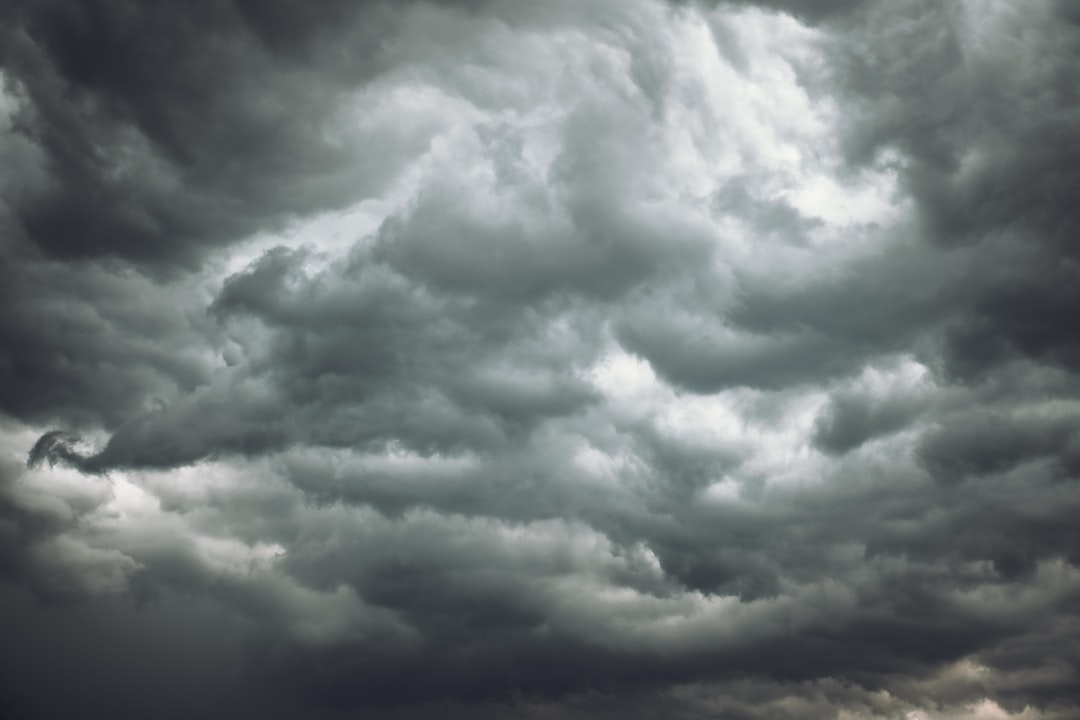
Travel Chaos: Thousands Stranded in Dangerous Conditions
Introduction: Understanding the Travel Crisis
Thousands of travelers face dangerous conditions worldwide. Severe weather events disrupt transportation systems. Many people find themselves stranded in unfamiliar places. This situation creates serious safety concerns.
Recent storms have caused major travel disruptions. Airports cancel hundreds of flights daily. Road closures make driving hazardous. Public transportation systems struggle to operate. Travelers experience unexpected delays and cancellations.
The situation affects both domestic and international travel. Families get separated during trips. Business travelers miss important meetings. Vacation plans get ruined by unexpected weather. Everyone needs to understand these travel risks.
This comprehensive guide explains the current travel crisis. We cover practical safety tips for stranded travelers. You will learn how to prepare for unexpected delays. We also discuss government warnings and travel advisories.
Travel experts recommend caution during severe weather. Proper planning can prevent dangerous situations. Always check weather forecasts before traveling. Keep emergency supplies in your vehicle. Have backup plans for accommodation.
Current Travel Disruptions Across Regions
North America Weather Challenges
Severe winter storms hit North America hard. The National Weather Service issues multiple warnings. Federal agencies report dangerous road conditions. Many highways experience complete closures.
Air travel suffers significant disruptions. Major airports cancel over 2,000 flights. Airlines struggle with crew scheduling issues. Passengers face long delays at terminals. Some people wait days for alternative flights.
European Transportation Problems
Europe faces similar travel challenges. Heavy snowfall affects mountain regions. Coastal areas deal with severe flooding. Train services experience numerous cancellations. Ferry operators suspend routes due to high winds.
The European Commission monitors the situation closely. They coordinate cross-border emergency responses. Travelers receive updated information through mobile apps. Many tourists extend hotel stays unexpectedly.
Asia-Pacific Region Issues
Tropical storms impact Southeast Asia. Monsoon seasons intensify this year. Several countries issue travel warnings. Popular tourist destinations become inaccessible. Local authorities rescue stranded visitors.
Government Warnings and Official Advisories
Federal Travel Advisories
The U.S. State Department updates travel advisories regularly. They use a four-level warning system:
- Level 1: Exercise Normal Precautions
- Level 2: Exercise Increased Caution
- Level 3: Reconsider Travel
- Level 4: Do Not Travel
Currently, many regions reach Level 3 status. Official government websites provide real-time updates. Travelers should check these resources frequently.
Local Emergency Declarations
State governors declare emergencies in affected areas. These declarations unlock federal resources. They also authorize special measures for public safety. Emergency services focus on traveler assistance.
Local governments set up emergency shelters. They provide food and basic necessities. Transportation departments work around the clock. Their goal is to clear roads and restore services.
Real Traveler Experiences and Case Studies
Family Vacation Turned Emergency
The Johnson family planned a ski vacation. They drove from Chicago to Colorado. A sudden blizzard stranded them on Interstate 70. They spent 18 hours in their vehicle.
"We never expected this situation," said Mark Johnson. "We had food and blankets fortunately. Other travelers weren't as prepared. We saw people running out of gas."
Business Travel Nightmare
Sarah Chen missed an important conference. Her flight from New York got canceled. All hotels near the airport were fully booked. She slept in the terminal for two nights.
"The airline provided minimal assistance," Chen explained. "I learned to always have backup plans. Now I pack extra medication and chargers."
Statistics: Understanding the Scale
The current travel crisis affects millions of people. Here are key statistics from reliable sources:
- Over 15,000 flights canceled globally (FlightAware)
- 2.3 million travelers directly impacted
- 47 states under weather advisories
- $850 million in travel insurance claims
- 300+ emergency shelters activated
These numbers continue rising daily. The situation requires careful monitoring. Travel patterns may change permanently.
Practical Safety Tips for Stranded Travelers
Immediate Action Steps
If you find yourself stranded, follow these steps:
- Contact your accommodation provider immediately
- Notify family members of your situation
- Conserve phone battery for essential communication
- Locate the nearest emergency shelter
- Follow official social media accounts for updates
Vehicle Safety Measures
Winter driving requires special preparations. Always keep these items in your car:
- Blankets and warm clothing
- Non-perishable food and water
- Flashlight with extra batteries
- First aid kit
- Ice scraper and shovel
Communication Strategies
Maintain communication during emergencies. Use text messages instead of calls. They use less battery power. Designate an out-of-state contact person. Share your location using mobile apps.
Travel Insurance: Essential Protection
Understanding Coverage Options
Travel insurance becomes crucial during disruptions. Policies typically cover:
- Trip cancellations and interruptions
- Emergency medical expenses
- Lost or delayed baggage
- Emergency evacuation
- Travel delay benefits
Read policy details carefully. Some exclude "acts of God" or weather events. Insurance Information Institute provides helpful guidance.
Filing Successful Claims
Document everything during travel disruptions. Keep receipts for extra expenses. Take photos of weather conditions. Save all communication with travel providers. This evidence supports insurance claims.
Technology Tools for Safe Travel
Essential Mobile Applications
Several apps help during travel emergencies:
- Weather channel apps for forecasts
- Airlines' official apps for flight status
- Navigation apps with offline maps
- Emergency alert apps from government sources
- Translation apps for international travel
Digital Preparation Checklist
Before any trip, complete these digital tasks:
- Download offline maps of your destination
- Save important phone numbers locally
- Take photos of travel documents
- Enable location sharing with trusted contacts
- Install emergency assistance apps
Frequently Asked Questions (FAQ)
What should I do if my flight gets canceled?
Contact your airline immediately. Ask about alternative flights. Inquire about hotel vouchers if needed. Keep all receipts for potential reimbursement.
How can I prepare my car for winter travel?
Check your vehicle's antifreeze levels. Install winter tires for better traction. Keep your gas tank at least half full. Pack an emergency kit with essential supplies.
Are hotels required to help stranded travelers?
Hotels have no legal obligation to assist. However, many offer special rates during emergencies. Always have backup accommodation options.
What food should I pack for emergencies?
Choose non-perishable items like energy bars. Include bottled water and canned goods. Remember special dietary needs. Pack enough for at least three days.
How do I find emergency shelters?
Check local government websites. Monitor social media for announcements. Contact Red Cross organizations. Use emergency alert systems on your phone.
Can I get refunds for canceled trips?
Refund policies vary by provider. Travel insurance often covers cancellations. Credit card companies may offer protection. Always review cancellation terms before booking.
What medical supplies are essential?
Pack prescription medications for extra days. Include basic first aid supplies. Remember personal medical devices. Carry copies of important medical information.
Long-Term Travel Planning Strategies
Seasonal Considerations
Different seasons present unique challenges. Research typical weather patterns for your destination. Avoid travel during known severe weather seasons. Have flexible dates when possible.
Destination Research
Thorough research prevents many problems. Check CDC travel health notices. Review State Department advisories. Understand local infrastructure capabilities.
Conclusion: Staying Safe in Uncertain Times
Travel disruptions can happen unexpectedly. Proper preparation makes difficult situations manageable. Always monitor weather conditions before trips. Keep emergency supplies readily available.
Technology provides valuable tools for safety. Use mobile apps for real-time information. Maintain communication with loved ones. Follow official guidance during emergencies.
The current travel crisis will eventually pass. However, lessons learned should guide future travel. Develop comprehensive contingency plans. Invest in appropriate travel insurance.
Safe travel requires constant vigilance and adaptation. Stay informed about changing conditions. Be prepared to adjust plans quickly. Prioritize safety over schedule convenience.
Remember that travel disruptions affect everyone similarly. Show patience and kindness to fellow travelers. Support transportation workers during challenging times. Together, we can navigate these difficulties successfully.