
The Hidden Fee You Pay Every Flight Without Knowing
Introduction: The Slow Creep of Airline Changes
Air travel has changed dramatically over the years. Most changes happen slowly. You might not notice them at first. But they add up over time. One change has become especially common. It affects nearly every flight you take. Yet most travelers barely notice it. This change involves how airlines charge for seats. Specifically, the middle seat problem. Airlines now treat middle seats as premium products. They charge extra for avoiding them. This practice started small. Now it is everywhere. This article will explore this absurd change. We will look at how it started. We will examine why it continues. We will show how it costs you money. And we will give you tips to fight back.
Remember the days of simple air travel? You bought a ticket. You got a seat. The process was straightforward. Now it is complicated. Airlines have added many fees. They charge for bags. They charge for food. They even charge for seats. The middle seat fee is particularly interesting. It preys on human psychology. Nobody wants the middle seat. Airlines know this. So they charge you to avoid it. What began as a small change has become standard practice. Next time you book a flight, look carefully. You will see this fee everywhere. Let us explore this hidden cost together.
The Rise of Seat Selection Fees
Airlines needed new ways to make money. Ticket prices alone were not enough. So they turned to ancillary fees. These are extra charges beyond the base fare. Seat selection fees became popular around 2008. That was during the financial crisis. Airlines were struggling. They needed additional revenue streams. Charging for seat selection seemed like a good idea. At first, it was only for premium seats. Like exit rows with extra legroom. Or front row seats. But gradually, it expanded. Soon airlines charged for all seat selection. Even regular economy seats.
How It Started
The first seat fees appeared on budget airlines. Carriers like Ryanair and Spirit led the way. They offered very low base fares. Then they charged for everything else. This model proved successful. Other airlines noticed. Soon major carriers joined in. First, it was just for preferred seats. Then it spread to all seats. Today, most airlines charge for seat selection. Unless you have elite status. Or you book far in advance. The practice has become normalized. We accept it without question. But think about what this means. You are paying extra just to choose where you sit. On a service you already bought.
The Psychology Behind It
Airlines use clever psychological tricks. They know people hate middle seats. So they make avoiding them a paid upgrade. This is called versioning. They create different versions of the same product. Then they charge different prices. The basic version gets you any seat. Probably a middle one. The better version lets you choose. You pay more for control. This preys on our fear of discomfort. Nobody wants to be stuck in the middle. So we pay the fee. Even when we might get a good seat anyway. The airline wins either way. They get extra money. Or they fill the unpopular seats.
The Middle Seat Problem
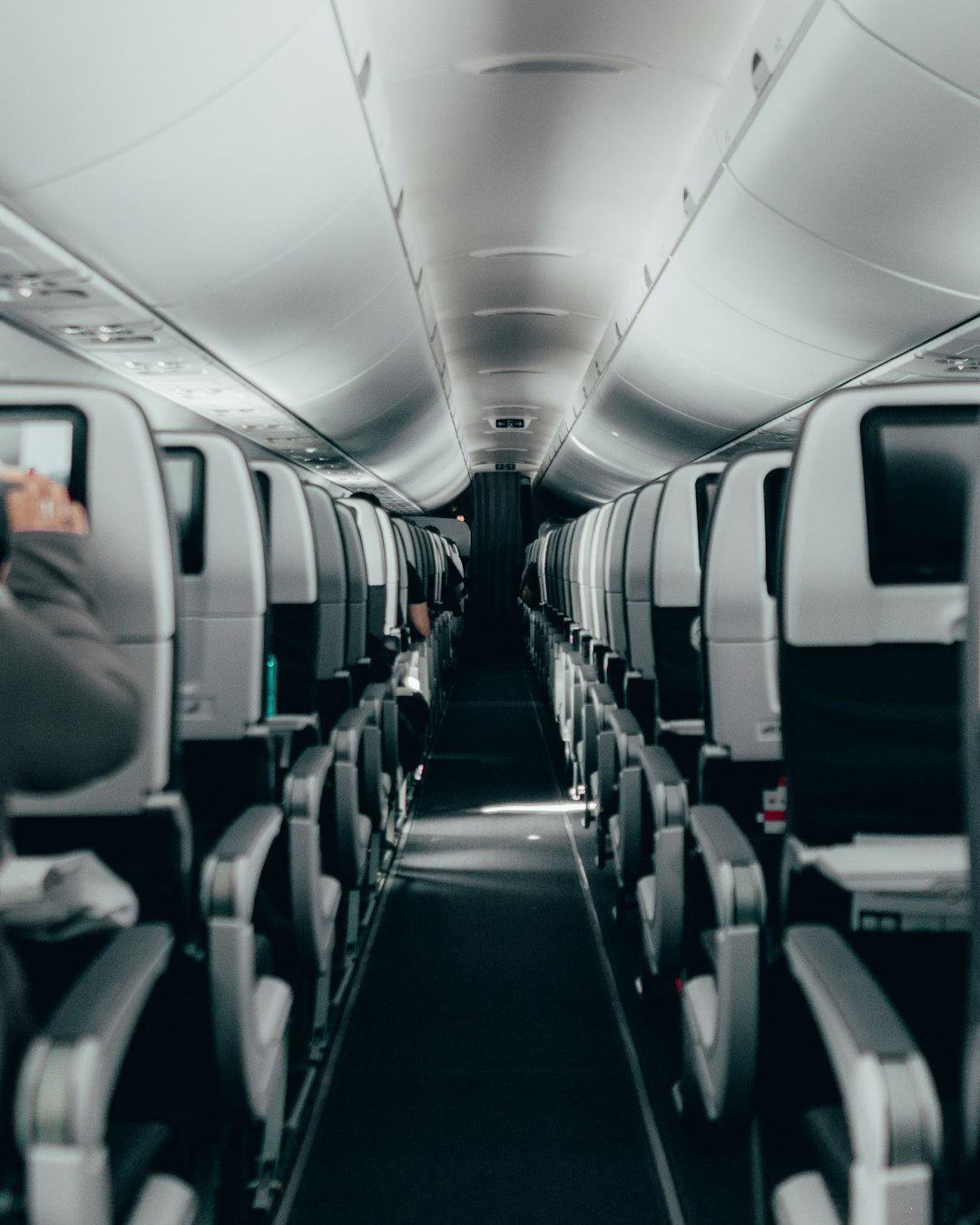
The middle seat is universally disliked. It offers the worst experience. You have no window to look out. You have no easy aisle access. You are squeezed between two other people. Your personal space is limited. You might have to get up frequently. To let others out. Or you might be climbed over. It is uncomfortable for everyone. Airlines know this. So they have turned it into a revenue opportunity. By making middle seats the default. And charging to avoid them.
Why Middle Seats Are Terrible
There are many reasons people hate middle seats. Here are the main ones:
- No personal space: You are pressed against strangers on both sides
- Limited mobility: You cannot get up easily without disturbing others
- Poor views: No window to look out during the flight
- Shared armrests: You have to negotiate with neighbors for arm space
- Temperature issues: You might be between two different climate preferences
Studies show middle seats cause the most stress. A survey by the American Psychological Association found travel stress is common. The middle seat contributes significantly to this stress. Airlines exploit this knowledge. They make the middle seat the punishment for not paying extra. This creates pressure to upgrade. Even when money is tight.
How Airlines Implement This Fee
The process is carefully designed. It starts when you book your flight. You see the base fare. It looks reasonable. Then you proceed to seat selection. Here is where the trap springs. The interface shows you available seats. Most are grayed out. Or marked with extra fees. The free seats are usually middle ones. Or terrible locations. Like the back next to bathrooms. The better seats have price tags. This creates immediate pressure. Do you pay extra? Or risk getting a bad seat?
The Booking Process Trick
Airlines use several techniques during booking:
- Default selections: They might pre-select seat options with fees
- Visual design: Paid seats look more appealing than free ones
- Scarcity messaging: "Only 3 window seats left at this price!"
- Fear tactics: "You might be separated from your travel companions"
- Convenience upsells: "Pay now to guarantee your preference"
These tactics work well. Many people pay the fees without thinking. They want to avoid hassle later. Or they fear getting stuck in terrible seats. The airlines count on this reaction. It generates billions in extra revenue each year. According to IATA statistics, ancillary revenue reached $102 billion in 2021. Seat selection fees are a big part of this.
The True Cost to Travelers
These fees add up quickly. A typical seat selection fee ranges from $10 to $100 per flight. For a family of four on a round trip, this could mean $160 extra. That is significant money. Especially when you consider what you are paying for. You are not getting a better seat in many cases. You are just avoiding a worse one. The airline has created a problem. Then they sell you the solution. This is clever business. But it is bad for consumers.
Hidden Inflation
Seat fees are a form of hidden inflation. The advertised fare looks low. But the real cost is higher. This makes comparison shopping difficult. One airline might show a $200 fare. Another shows $180. But the $180 airline might charge $40 for seats. Making it actually more expensive. This lack of transparency hurts consumers. It makes informed decisions harder. The U.S. Department of Transportation has tried to address this. But airlines keep finding new ways to add fees.
Practical Tips to Avoid These Fees
You can fight back against seat fees. Here are practical strategies:
Book Early
The earlier you book, the better your chances. Airlines often release some free seats initially. These get taken quickly. So book as soon as you know your travel plans. This gives you access to the best free seats.
Check In Exactly 24 Hours Before
Most airlines release more seats at check-in. Set an alarm for exactly 24 hours before your flight. Check in immediately. This gives you first pick of newly available seats. You might snag a good seat without paying.
Travel With Airlines That Offer Free Selection
Some airlines still offer free seat selection. Southwest is famous for its open seating. No assigned seats at all. Other airlines might offer free selection to certain fare classes. Or to loyalty program members. Do your research before booking.
Use Airline Status
If you travel frequently, consider airline loyalty programs. Even basic status often includes free seat selection. This can save you money over time. The benefits might justify focusing on one airline alliance.
Risk It Sometimes
Consider not paying the fee. Especially on less crowded flights. You might get a decent seat anyway. Airlines often block middle seats until last. If the flight is not full, you could get lucky. This strategy works best for solo travelers.
Real Examples From Major Airlines
Let us look at how different airlines handle seat fees:
American Airlines
American charges for most seat selection in basic economy. Their fees range from $10 to $160 per seat. The price depends on the route and seat location. Preferred seats cost more. Regular economy seats cost less. But nothing is free with basic economy. You must pay to choose any seat in advance.
United Airlines
United has similar policies. Basic economy gets no advance seat assignment. You can pay to choose a seat. Or you get assigned one at check-in. This usually means a middle seat. United also uses dynamic pricing. Popular flights have higher seat fees.
Delta Air Lines
Delta is slightly more generous. They sometimes offer free seat selection in basic economy. But only for certain routes. Or at certain times. Usually, you still pay for better seats. Delta's fees are comparable to other major airlines.
Budget Airlines
Budget carriers are the worst offenders. Spirit and Frontier charge for everything. Including seat selection. Their business model relies on these fees. The base fare is just the starting point. The real cost comes from add-ons.
Statistics and Data
The numbers behind seat fees are staggering:
- Ancillary revenue reached $102.9 billion globally in 2021 (IATA)
- Seat selection fees contribute significantly to this total
- 84% of airlines now charge for advance seat selection (IdeaWorksCompany)
- The average seat fee has increased 27% since 2018
- Families pay an average of $85 extra per round trip for seats
These numbers show how widespread the practice has become. What started as a niche fee is now standard. Airlines have trained us to accept it. But we do not have to.
Step-by-Step Guide to Beating Seat Fees
Follow these steps to avoid paying unnecessary fees:
Step 1: Research Before Booking
Compare airlines' seat policies. Look beyond the base fare. Check what each airline charges for seats. Factor this into your total cost calculation. Sometimes a higher base fare is cheaper overall.
Step 2: Consider Your Travel Party
Are you traveling alone or with others? Solo travelers can risk not paying. Families might need to pay to sit together. Some airlines promise to keep young children with parents. But do not count on it.
Step 3: Book at the Right Time
Book as early as possible. This gives you access to free seats. Avoid last-minute bookings if you want good seats without fees.
Step 4: Check In Immediately
Set a reminder for 24 hours before your flight. Check in the moment it opens. This gives you the best chance at free good seats.
Step 5: Be Strategic About Payments
If you must pay, be smart about it. Sometimes paying for one good seat is better than paying for several mediocre ones. Think about which seats are worth the money.
Step 6: Complain if Necessary
If you get stuck in a terrible seat despite following rules, complain politely. Airlines sometimes offer compensation. Especially if they separated your family unnecessarily.
Frequently Asked Questions
Are seat selection fees mandatory?
No, they are optional. You can decline to pay. You will then be assigned a seat at check-in or at the gate. This will likely be a middle seat or other undesirable location.
Do I have to pay seat fees for my children?
Most airlines try to keep young children with parents. But policies vary. Some guarantee it. Others only promise to try. Check your airline's specific policy. When in doubt, pay to be safe.
Can I get a refund if I pay for a seat but don't use it?
Usually, yes. If you cancel your flight, most airlines refund seat fees. But read the fine print. Some budget carriers might not refund them.
Do all airlines charge seat fees?
No, but most do. Southwest famously does not assign seats at all. Some international carriers still offer free seat selection. But they are becoming rare.
How much do seat fees typically cost?
Fees range from $10 to over $100 per flight segment. The price depends on the airline, route, seat location, and demand. Popular flights cost more.
Is it better to pay for seats or risk it?
It depends on your priorities. If you absolutely need a certain seat, pay. If you are flexible, you might save money by risking it. Consider the flight's likely fullness.
Can I avoid fees with airline status?
Yes, most airline loyalty programs offer free seat selection as a benefit. Even basic status often includes this. Frequent flyers should focus on one airline to earn status.
Conclusion: Taking Back Control
The normalization of seat fees is indeed absurd. We pay extra for something that was once included. Airlines have created a problem. Then they sell us the solution. This practice preys on our fears and preferences. But we are not powerless. We can fight back with knowledge and strategy.
Remember the tips from this article. Book early. Check in immediately. Consider alternative airlines. Use status benefits. Sometimes, take the risk. Every time you avoid a unnecessary fee, you win. You keep your money. And you send a message to airlines. That transparency and fairness matter.
Air travel should be about adventure and connection. Not about hidden fees and psychological tricks. By understanding these practices, we can make better choices. We can demand better from airlines. The next time you book a flight, look carefully at the seat fees. Ask yourself if they are worth it. Often, they are not. Safe travels and smart savings to you.