
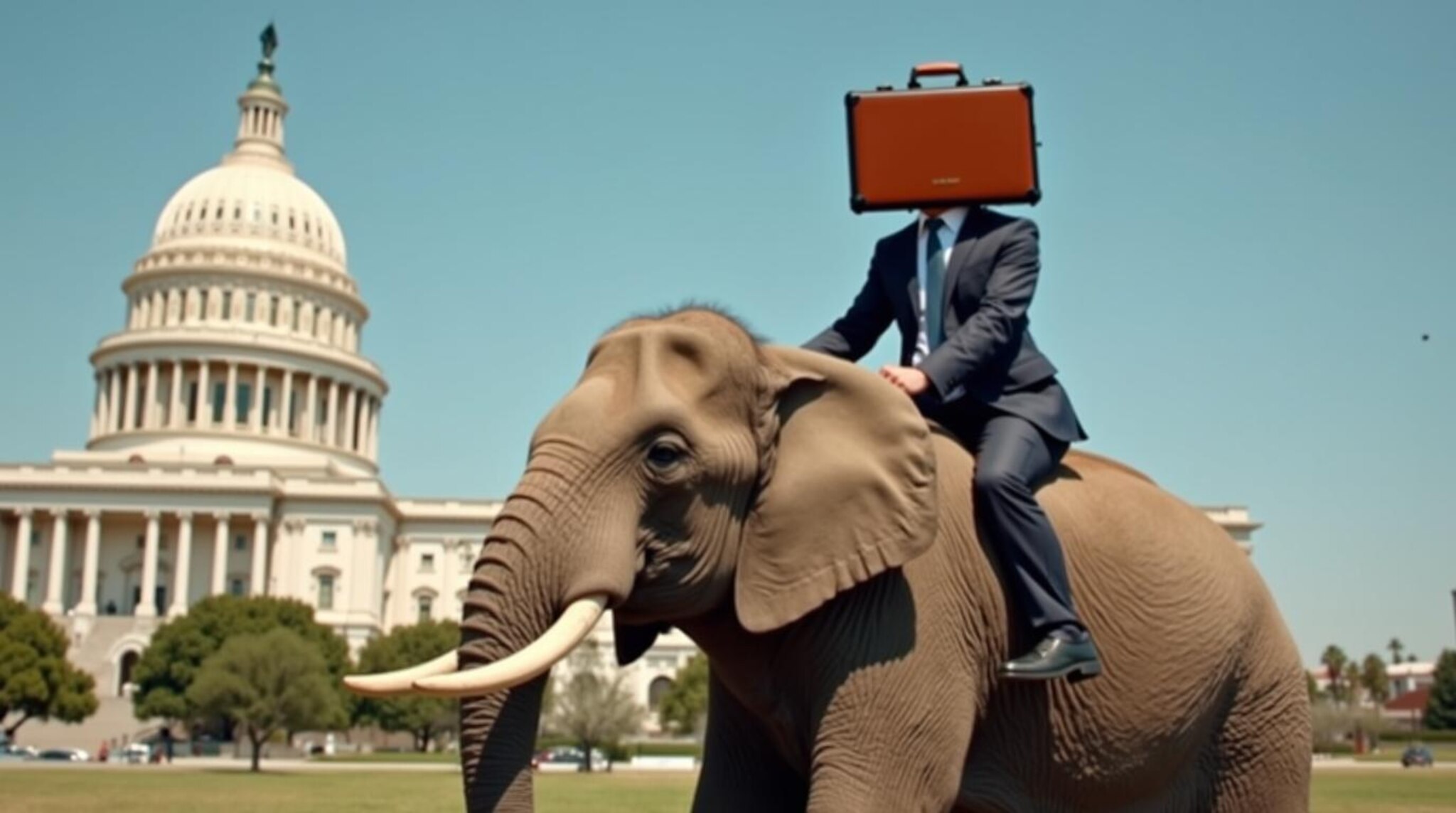
Taxpayer-Funded Luxury: Inside Lara's Lavish Trips
Introduction: A Pattern of Luxury Travel
California Insurance Commissioner Ricardo Lara faced serious questions. His office spent public money on luxury trips. These trips included safari visits and limo services. They also included stays at five-star resorts. The ABC7 Los Angeles investigation revealed these expenses. Taxpayers paid for these lavish trips. The trips happened between 2019 and 2023. This spending raised ethical concerns. It also raised legal questions. Public officials must use funds carefully. They must follow strict rules. This case shows why transparency matters. It also shows why oversight is crucial. We will explore all aspects of this story. We will look at the specific expenses. We will examine the ethical implications. We will also discuss what this means for taxpayers. Finally, we will suggest ways to prevent similar situations.
The total cost of these trips exceeded $100,000. This money came from the California Department of Insurance budget. The department regulates insurance companies. It also protects consumers. Using public funds for luxury travel seems inappropriate. Many Californians struggle financially. They pay taxes to support government services. They expect their money to be used wisely. This case has drawn national attention. It highlights the need for better accountability. It also shows why whistleblower protections are important. The original investigation took months. Reporters reviewed thousands of documents. They found patterns of excessive spending. We will break down all the key findings.
The Lavish Expenses: What Taxpayers Funded
The investigation revealed specific luxury expenses. These expenses were charged to California taxpayers. They included international and domestic travel. Here are the most notable examples:
Safari Adventure in Africa
Commissioner Lara took a trip to South Africa. This trip included a private safari experience. The cost was over $15,000. This included luxury accommodations. It also included guided wildlife tours. The official reason was an insurance conference. However, the safari seemed unrelated to insurance work. Safari visits do not help regulate insurance. They do not protect California consumers. This raised serious questions about the trip's purpose.
Limo Services and Luxury Transportation
The investigation found frequent limousine use. These services cost thousands of dollars. In one case, a limo ride cost $800 for a single trip. Regular taxis would have cost much less. Public transportation was also available. The reports showed a pattern of choosing luxury options. This happened even when cheaper alternatives existed.
Five-Star Hotel Stays
Commissioner Lara consistently chose luxury hotels. He stayed at properties like the Ritz-Carlton. He also stayed at Four Seasons hotels. These stays cost between $400 and $800 per night. Government employees usually have lower rate limits. The Commissioner's office approved these exceptions. They claimed security concerns required these hotels. However, other officials manage security at standard hotels.
First-Class Air Travel
Most flights were first-class or business-class. These tickets cost two to three times more than economy. The total flight costs exceeded $50,000. Government rules allow premium travel only in special cases. The Commissioner's office approved all these upgrades. They cited productivity and security reasons.
Ethical Concerns and Public Reaction
This spending raised serious ethical questions. Public officials must avoid even the appearance of wrongdoing. The luxury travel created several concerns:
- Misuse of Public Funds: Tax money should serve public needs. Luxury travel does not qualify as essential spending.
- Conflict of Interest: Some trips involved meetings with insurance executives. These meetings happened at luxury resorts.
- Transparency Issues: The expenses were not fully disclosed. They were discovered through public records requests.
- Double Standards: Regular state employees follow strict travel rules. The Commissioner's office seemed to ignore these rules.
Public reaction was strongly negative. Many Californians expressed anger. They felt their trust had been violated. Consumer advocacy groups demanded investigations. The California State Auditor launched a review. Political opponents called for resignations. The story received national media coverage. It became an example of government excess.
Official Responses and Defenses
Commissioner Lara's office offered several defenses. They claimed all travel was work-related. They said security concerns justified luxury accommodations. They also argued that international travel required higher standards. However, these explanations faced skepticism. Previous insurance commissioners traveled more modestly. They maintained security without five-star hotels.
Legal and Regulatory Framework
California has specific rules about official travel. The Department of General Services sets these rules. They include per diem rates for meals. They also include hotel rate maximums. There are procedures for exceptions. However, these exceptions should be rare. The rules aim to balance several factors:
- Cost Control: Keeping travel expenses reasonable
- Safety: Ensuring official security
- Productivity: Allowing effective work during travel
- Transparency: Requiring proper documentation
The State Controller's Office audits travel expenses. They can identify improper spending. In this case, the audits revealed several violations. The Commissioner's office had to repay some costs. However, most expenses remained with taxpayers.
Whistleblower Protections
This case involved whistleblower complaints. Several department employees reported concerns. They feared retaliation. California has strong whistleblower protection laws. These laws protect government employees. They can report wrongdoing without fear. The California State Auditor investigates such complaints. You can learn more about whistleblower protections.
Practical Tips for Reporting Government Waste
Citizens can help identify government waste. Here are practical steps you can take:
- Review Public Records: Government travel expenses are public records. You can request them through the California Public Records Act.
- Use Online Databases: Websites like California State University track government spending.
- Contact Oversight Agencies: The State Auditor investigates waste. You can file complaints online.
- Work with Watchdog Groups: Organizations like Consumer Watchdog monitor government spending.
- Attend Public Meetings: Many agencies discuss budgets publicly. You can ask questions about travel expenses.
Document everything carefully. Keep copies of all records. Be specific in your complaints. Provide evidence when possible. Remember that change takes time. But public pressure can make a difference.
Statistics on Government Travel Spending
Government travel involves significant spending. Here are some key statistics:
- California state government spends over $200 million annually on travel (Source: California State Controller)
- Only 3% of travel expenses typically involve international trips
- Luxury hotel stays account for less than 1% of government travel
- The average government hotel cost is $150 per night
- First-class travel comprises about 5% of government flights
These statistics show that Lara's spending patterns were unusual. They exceeded normal government travel standards. This suggests possible misuse of funds.
FAQ: Common Questions About the Case
What were the most expensive trips?
The South Africa safari trip cost over $15,000. Several European trips cost between $10,000 and $12,000 each. These costs included luxury hotels and first-class flights.
Were any laws broken?
The State Auditor found several rule violations. However, criminal charges require proof of intent. The investigation continues. Some expenses may need repayment.
How can taxpayers recover these funds?
Taxpayers cannot directly recover misspent funds. However, officials can be required to repay improper expenses. Legal action is also possible in some cases.
What changes resulted from this case?
The Department of Insurance implemented new travel rules. They now require more documentation. They also limit hotel choices. External approval is needed for luxury options.
How common is this type of spending?
Most government officials follow travel rules. This case appears unusual. However, similar cases have occurred in other states.
Can the Commissioner be removed from office?
Yes, through recall election or impeachment. Both processes require significant public support. No such action has started yet.
Where can I see government travel expenses?
The State Controller's website shows travel spending. You can search by department or official. The data updates regularly.
Real Examples from Other States
Other states have faced similar issues. These examples show this is not just a California problem:
- New York: A state commissioner spent $50,000 on luxury trips. This included spa treatments billed as "stress management."
- Texas: Several officials used state planes for personal travel. They had to repay the costs after investigation.
- Florida: A tourism director took expensive "research" trips. These included luxury cruises and resort stays.
These cases show why oversight matters. They also show that transparency prevents abuse. You can read more about government accountability.
Step-by-Step Guide to Reviewing Travel Expenses
Follow these steps to examine government travel spending:
- Identify the Agency: Choose which department to review. All state agencies report travel expenses.
- Access Public Records: Visit the State Controller's website. Use their search tools for travel data.
- Compare to Guidelines: Check spending against official rate limits. Note any exceptions.
- Look for Patterns: Identify officials who frequently exceed limits. Note destinations and purposes.
- Document Findings: Keep detailed records of concerning expenses. Include dates and amounts.
- Report Concerns: Contact the State Auditor or relevant oversight body. Provide your documentation.
This process helps ensure accountability. It also deters future misuse of funds.
Conclusion: Lessons for Better Accountability
The Ricardo Lara travel case offers important lessons. It shows why transparency matters in government. It also demonstrates the need for strong oversight. Taxpayers deserve responsible use of their money. Several key takeaways emerge from this situation:
First, clear rules prevent confusion. All officials should follow the same travel guidelines. Exceptions should be rare and well-documented. Second, external review catches problems. Independent auditors provide crucial oversight. Third, public access to records enables accountability. Citizens can help monitor government spending.
Moving forward, several reforms could help. Stricter documentation requirements would create better records. Lower spending limits would reduce potential abuse. Stronger consequences would deter violations. Public officials must remember they serve the people. Their spending should reflect this responsibility. The Lara case reminds us that vigilance matters. It shows why engaged citizens make democracy work. We must continue demanding accountability from all public officials.
This case continues to develop. New information may emerge. The important thing is that taxpayers remain informed. They should continue asking tough questions. They should demand better from their elected officials. Only through sustained attention can we prevent future abuses. The travel expenses may seem small compared to total budgets. But they symbolize larger issues of trust and responsibility.