
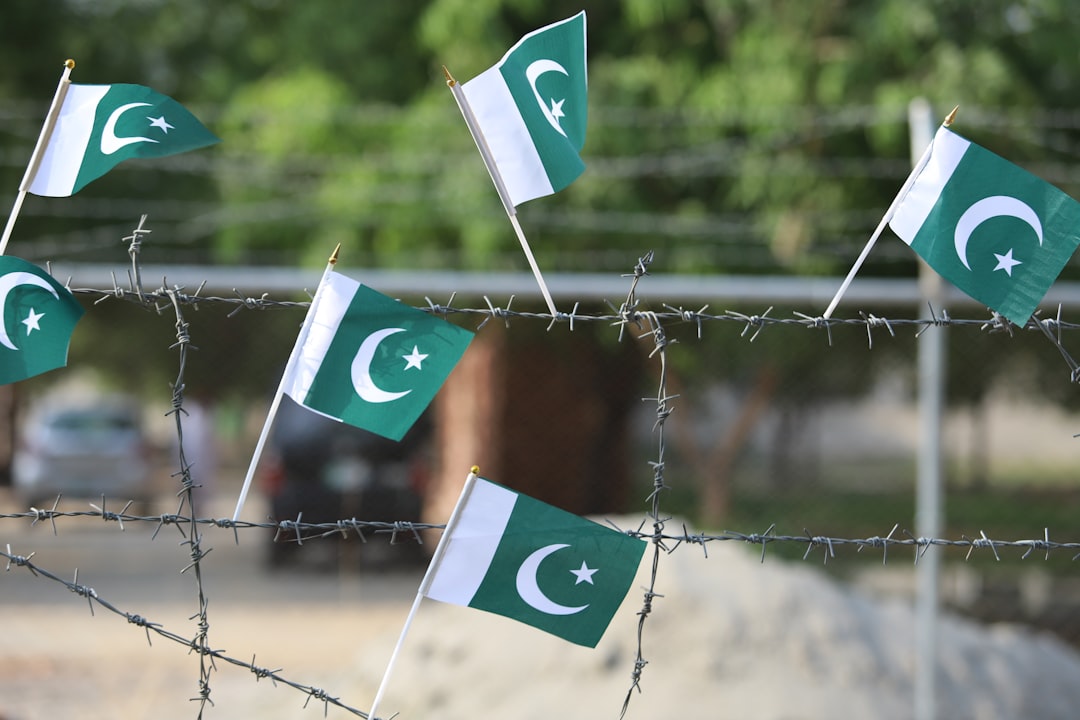
Taliban FM's India Visit: What It Means for Travel
Introduction: A Historic Diplomatic Journey
Next week marks a significant moment in international relations. Taliban Foreign Minister Amir Khan Muttaqi will visit India. This is the first high-level trip since the Taliban took control of Afghanistan in 2021. The visit comes with a special travel exemption from the United Nations. This development could reshape travel patterns and diplomatic relations across South Asia.
India has maintained cautious relations with the Taliban government. This visit signals potential warming ties. For travelers and businesses, understanding these changes is crucial. The meeting could affect visa policies, border security, and regional stability. Both countries have much to gain from improved relations.
This article explores the implications of this diplomatic breakthrough. We will examine how it might impact travel, tourism, and cross-border movement. The visit could open new opportunities for cultural exchange and economic cooperation. Let's dive into what this means for everyone from business travelers to adventure seekers.
Background: India-Afghanistan Relations Through History
Historical Ties Between Nations
India and Afghanistan share deep historical connections. These go back centuries through trade and cultural exchange. The Silk Road connected these civilizations for generations. Mughal emperors had strong ties with Afghan rulers. Both countries fought for independence from British influence.
Modern relations began after India's independence in 1947. Afghanistan was among the first countries to recognize India as a sovereign nation. The relationship grew stronger during the Soviet-Afghan war. India provided humanitarian aid and development assistance. According to India's Ministry of External Affairs, India has invested over $3 billion in Afghan infrastructure projects.
Recent Developments Since 2021
The Taliban takeover in August 2021 changed everything. India evacuated its diplomatic staff and citizens. Official relations were put on hold. However, India continued humanitarian assistance. This included wheat shipments and medical supplies.
India has legitimate security concerns regarding Afghanistan. Terror groups operating from Afghan territory threaten regional stability. The United Nations reports continued terrorist activity in the region. India wants assurances from the Taliban government on these matters.
The Significance of Muttaqi's Visit
Breaking the Diplomatic Ice
Amir Khan Muttaqi's visit represents a major thaw in relations. He is one of the most senior Taliban leaders. His travel exemption from UN sanctions makes this possible. The exemption allows him to travel for official diplomatic purposes.
This meeting could lead to restored diplomatic presence. India might reopen its embassy in Kabul. Afghanistan might establish formal representation in New Delhi. Such developments would make travel between countries much easier.
Key Discussion Topics
Several important issues will be on the table:
- Security cooperation and counter-terrorism
- Humanitarian assistance and development aid
- Trade relations and economic partnerships
- Educational exchanges and visa policies
- Regional stability and connectivity projects
According to The Times of India, both sides are preparing detailed agendas. The outcomes could significantly impact travel and business opportunities.
Impact on Travel and Tourism
Potential Visa Policy Changes
Currently, travel between India and Afghanistan is difficult. Visa processes are lengthy and uncertain. This visit could lead to simplified procedures. Business visas might become more accessible. Tourist visas could see relaxed requirements.
India might consider special travel categories. These could include educational visas for Afghan students. Medical visas for treatment in Indian hospitals might expand. The Indian Embassy could resume full consular services in Kabul.
Safety and Security Considerations
Travel safety remains a primary concern. The U.S. Department of State currently advises against travel to Afghanistan. Security conditions are volatile. Any improvement in official relations could lead to better security cooperation.
India might share intelligence with Afghan authorities. This could enhance protection for travelers. Joint security protocols might be established for border crossings. Such measures would make travel safer for everyone.
Economic and Business Implications
Trade Opportunities
Before the Taliban takeover, India was Afghanistan's largest regional trading partner. Bilateral trade reached $1.5 billion annually. Major exports included pharmaceuticals, machinery, and tea. Afghanistan exported fresh fruits, nuts, and spices to India.
Restored relations could revive these trade flows. New trade routes might open through Pakistan. Alternative routes via Iran's Chabahar port could expand. The World Bank estimates regional trade could grow by 30% with improved relations.
Investment Prospects
Indian companies have significant experience in Afghanistan. They built the Afghan Parliament building and the Salma Dam. Many infrastructure projects were underway before 2021. These could resume with proper security guarantees.
Key sectors for potential investment include:
- Mining and natural resources
- Infrastructure development
- Telecommunications
- Healthcare and education
- Agriculture and food processing
Regional Connectivity and Transport
Air Travel Developments
Direct flights between India and Afghanistan stopped in 2021. Airlines like Air India and Ariana Afghan Airlines suspended services. Restored diplomatic relations could lead to resumed air connectivity.
Potential new flight routes might include:
- Delhi to Kabul (previous route)
- Mumbai to Kandahar (new potential route)
- Hyderabad to Herat (cultural connection route)
The International Civil Aviation Organization could help establish safe air corridors. This would benefit both business and leisure travelers.
Land Routes and Border Crossings
Land travel between India and Afghanistan currently goes through Pakistan. The Wagah border crossing is the primary route. Relations between India and Pakistan affect this transit. Improved India-Afghan relations might create pressure for smoother transit through Pakistan.
Alternative routes through Iran are also possible. The Chabahar port project connects India to Afghanistan. This bypasses Pakistan entirely. The Iranian government has expressed support for this connectivity.
Cultural and Educational Exchange
Educational Opportunities
Before 2021, thousands of Afghan students studied in India. They pursued degrees in medicine, engineering, and business. The Indian government offered scholarships through programs like ICCR. These educational exchanges could resume.
Potential benefits include:
- Restored scholarship programs
- Student visa facilitation
- Cultural integration programs
- Academic partnerships between universities
Tourism and Cultural Heritage
Afghanistan possesses incredible cultural treasures. These include the Buddhas of Bamiyan and ancient cities like Herat. Improved security could revive cultural tourism. Indian tourists have historical interest in Afghan heritage sites.
Similarly, Afghan tourists visit Indian religious sites. The Sikh community particularly values sites like Gurudwara Kart-e-Parwan in Kabul. The UNESCO World Heritage Centre lists several sites in both countries worth preserving and visiting.
Practical Travel Tips for the Region
Current Travel Advisory Status
Always check official travel advisories before planning trips. The situation remains fluid. Multiple governments issue regular updates. Here are key resources:
- U.S. Department of State Travel Advisories
- UK Foreign Office Travel Advice
- Indian Ministry of External Affairs alerts
- UN Security Council updates
Documentation and Preparation
Proper documentation is essential for regional travel. Maintain multiple copies of important documents. These include passports, visas, and vaccination records. Register with your embassy when traveling to high-risk areas.
Essential preparations should include:
- Comprehensive travel insurance
- Emergency contact information
- Local SIM card or satellite phone
- Cash in multiple currencies
- Cultural sensitivity training
Safety Protocols
Security should be your top priority. Follow these basic safety rules:
- Always inform someone of your travel plans
- Avoid traveling after dark
- Stay in reputable accommodations
- Use trusted local guides
- Monitor local news regularly
- Have evacuation plans ready
Frequently Asked Questions
1. When exactly is the Taliban FM visiting India?
The visit is scheduled for next week. Exact dates might change for security reasons. Follow official announcements from both governments for updates.
2. Can I travel to Afghanistan now?
Most governments advise against travel to Afghanistan. Security conditions remain dangerous. Wait for official travel advisory changes before considering travel.
3. Will this visit make travel between India and Afghanistan easier?
It could lead to easier travel in the future. However, immediate changes are unlikely. Visa processes and security protocols take time to establish.
4. What should business travelers expect?
Business travelers should monitor developments closely. Initial opportunities might focus on humanitarian work and infrastructure. Security will remain a concern for the foreseeable future.
5. Are there cultural sensitivities I should know?
Yes, both countries have rich cultural traditions. Dress modestly, especially for women. Learn basic local greetings. Respect religious customs and practices.
6. How can I stay updated on travel changes?
Follow official government websites and reputable news sources. The Indian Ministry of External Affairs provides regular updates. International organizations like the UN also publish relevant information.
7. What about travel insurance for this region?
Standard travel insurance often excludes high-risk areas. You may need specialized coverage. Consult with insurance providers experienced in conflict zones.
Real Examples and Case Studies
Humanitarian Workers' Experiences
Several humanitarian organizations continue operating in Afghanistan. They provide valuable insights into current conditions. Medical teams report challenging but important work. Education volunteers help maintain school systems.
One doctor from Doctors Without Borders shared: "The needs are enormous. Security concerns limit our mobility. But the people need help. Any improvement in relations helps our work."
Business Adaptation Stories
Some Indian businesses maintained connections despite challenges. Pharmaceutical companies continued supplying essential medicines. Telecommunications companies kept some services operational. These businesses developed unique security protocols.
A business owner explained: "We never completely left. We adapted our operations. Local partnerships became even more important. Trust takes years to build but minutes to destroy."
Statistics and Data Analysis
Pre-2021 Travel Numbers
Before the Taliban takeover, travel between India and Afghanistan was significant:
- Approximately 15,000 Afghan students in India
- Over 50,000 Indian citizens in Afghanistan
- Weekly direct flights between major cities
- Regular bus services through Pakistan
Current Situation Metrics
Recent data shows dramatic changes:
- Zero direct commercial flights
- Limited diplomatic presence
- Reduced trade volumes by over 80%
- Increased reliance on third-country transit
The International Monetary Fund reports Afghanistan's economy contracted by 30% since 2021. Improved relations could help reverse this trend.
Step-by-Step Guide: Monitoring Travel Developments
Step 1: Establish Information Sources
Identify reliable information channels. Bookmark official government websites. Follow trusted journalists on social media. Set up news alerts for relevant keywords.
Step 2: Understand the Political Landscape
Learn about the key players and their positions. Understand India's security concerns. Recognize Taliban's governance priorities. Identify potential compromise areas.
Step 3: Assess Personal Risk Tolerance
Evaluate your comfort with uncertainty. Consider your travel experience. Assess your emergency response capabilities. Determine your evacuation options.
Step 4: Develop Contingency Plans
Prepare for multiple scenarios. Have backup destinations ready. Maintain emergency funds. Keep important documents accessible.
Step 5: Build Local Connections
Establish contacts in both countries. Connect with expatriate communities. Identify reliable local partners. Build relationships with embassy staff.
Conclusion: Navigating New Travel Frontiers
The Taliban Foreign Minister's visit to India represents a potential turning point. It could open new possibilities for travel and exchange. However, significant challenges remain. Security concerns and political complexities require careful navigation.
For travelers and businesses, patience and preparation are essential. Monitor developments closely but avoid rushing into uncertain situations. The relationship between India and Afghanistan has deep historical roots. These foundations could support renewed connections.
The coming weeks will reveal much about future travel prospects. Diplomatic breakthroughs often precede practical improvements. Stay informed, stay prepared, and stay hopeful. The world needs more bridges, not walls. This visit could be one small step toward rebuilding connections between peoples and cultures.
Remember that travel is ultimately about human connections. Despite political differences, people share common hopes and dreams. Any movement toward understanding and cooperation deserves attention and cautious optimism. The journey of a thousand miles begins with a single step. This diplomatic visit might be that first step toward a more connected future.