
SFO Storm Chaos: Hundreds of Flights Delayed - What You Need to Know
Introduction: The Perfect Storm Hits San Francisco
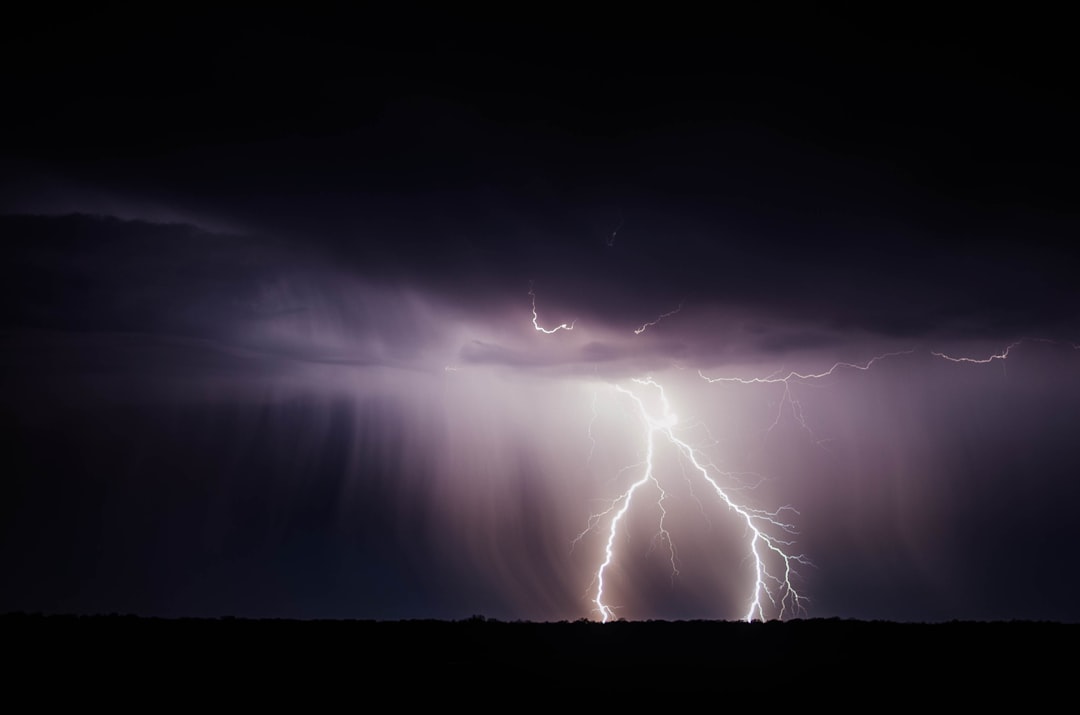
Hundreds of flights faced major delays at San Francisco International Airport. A powerful storm rolled into the Bay Area. This caused travel chaos for thousands of passengers. The storm brought heavy rain and strong winds. Airport officials worked hard to manage the situation. But many travelers found themselves stuck at the airport. Some flights were delayed for hours. Others were completely canceled. This situation shows how weather can disrupt air travel. It also shows why travelers need to be prepared. In this comprehensive guide, we will explore everything about the SFO storm delays. We will look at what caused the problems. We will share practical tips for travelers. And we will explain how to handle flight delays in the future. Whether you are planning to fly soon or just want to be prepared, this information will help you. Air travel can be unpredictable. But with the right knowledge, you can navigate these challenges successfully.
The storm that hit the Bay Area was particularly strong. It arrived during a busy travel period. This made the situation even more difficult. Airport staff worked around the clock. They tried to keep passengers informed and comfortable. But with so many flights affected, it was a challenging situation. Travelers shared stories of long waits and uncertainty. Some people missed important events. Others had to rearrange their entire schedules. The economic impact was significant too. Airlines lost money from canceled flights. Hotels near the airport filled up with stranded passengers. This event reminds us that nature can disrupt even our best-laid plans. But it also shows the resilience of travelers and airport staff. People came together to help each other during this difficult time.
What Caused the Massive Flight Delays at SFO?
The flight delays at SFO had several causes. The main reason was the severe weather conditions. The storm brought heavy rainfall to the Bay Area. It also included strong winds that made flying dangerous. Airport safety rules require certain weather conditions for takeoffs and landings. When winds are too strong, planes cannot safely operate. The Federal Aviation Administration (FAA) sets these safety standards. During the storm, wind speeds exceeded safe limits. This meant many planes could not take off or land. The poor visibility also contributed to the problems. Pilots need clear visibility to navigate safely. The heavy rain reduced visibility significantly. This made flying conditions unsafe for both takeoffs and landings.
Weather Conditions and Their Impact
The storm system was particularly intense. It developed quickly over the Pacific Ocean. Then it moved directly toward the Bay Area. Meteorologists had warned about the storm. But its intensity surprised many people. The rainfall totals were higher than expected. Some areas received over 3 inches of rain in just a few hours. The winds reached speeds of 45 miles per hour. These conditions created multiple challenges for air travel. First, strong crosswinds made landings difficult. Second, heavy rain reduced runway visibility. Third, lightning strikes posed additional safety risks. The airport had to pause operations several times. Each pause caused more delays throughout the system. The delays then spread to other airports across the country. This is because air travel is interconnected. A delay in one airport can affect flights everywhere.
Airport Operations During Severe Weather
San Francisco International Airport has specific procedures for bad weather. These procedures are designed to keep passengers safe. During the storm, airport officials implemented these safety measures. They reduced the number of planes taking off and landing. This created a domino effect of delays. The airport also had to deal with flooded areas. Some ground equipment could not operate properly. Baggage handlers faced challenges moving luggage between planes. De-icing operations were needed for some aircraft. All these factors combined to create major disruptions. The airport's communication systems were overloaded. Many passengers struggled to get accurate information. This added to the frustration and confusion.
Understanding Flight Delay Statistics and Patterns
Flight delays are more common than many people realize. According to the Bureau of Transportation Statistics, about 20% of flights experience delays. Weather is the leading cause of these delays. The recent SFO situation was unusual in its scale. But weather-related delays happen regularly. The Federal Aviation Administration tracks these statistics closely. They report that weather causes about 70% of all flight delays. This shows how vulnerable air travel is to weather conditions. The SFO incident was notable for several reasons. First, it affected a major international hub. Second, it occurred during peak travel season. Third, the delays lasted for an extended period.
Key Statistics from the SFO Storm Incident
- Over 400 flights were delayed during the storm period
- More than 150 flights were completely canceled
- Average delay time was 3 hours and 45 minutes
- Some passengers waited over 8 hours for their flights
- The delays affected approximately 50,000 travelers
- Total economic impact estimated at $15 million
Historical Comparison of SFO Delays
This was not the first major delay event at SFO. The airport has experienced similar situations in the past. In 2018, heavy fog caused major disruptions. In 2019, runway construction created significant delays. However, the recent storm was one of the most severe in recent years. Data from FlightStats shows the pattern clearly. SFO typically has higher delay rates than many other airports. This is due to its unique weather patterns. The airport is located near the ocean. It often experiences fog and strong winds. Understanding these patterns can help travelers make better decisions. It also helps airlines improve their scheduling and operations.
Practical Tips for Dealing with Flight Delays
Flight delays can be stressful and inconvenient. But there are ways to handle them better. Being prepared can make a big difference. Here are practical tips for dealing with flight delays. These tips come from travel experts and experienced travelers. They can help you navigate delay situations more effectively.
Before Your Flight: Preparation Steps
Good preparation starts before you even get to the airport. Always check the weather forecast for your departure and arrival cities. Sign up for flight status alerts from your airline. Download the airline's mobile app. This gives you real-time information about your flight. Pack essential items in your carry-on bag. Include medications, important documents, and a change of clothes. Also pack snacks and entertainment. Having these items can make long waits more comfortable. Consider travel insurance that covers flight delays. This can help with unexpected expenses. Know your rights as a passenger. The Department of Transportation has specific rules about passenger rights.
During a Delay: Action Steps
- Stay calm and assess the situation
- Get official information from airline staff
- Contact your airline through multiple channels
- Notify people who are expecting you
- Explore alternative flight options
- Keep all your documents and boarding passes
- Take photos of any important notices or screens
- Stay hydrated and take breaks when needed
After a Delay: Follow-up Steps
Once the delay is over, there are important follow-up steps. Keep all your receipts for additional expenses. You may be able to get reimbursement from the airline. File a complaint if you feel you were treated unfairly. Write down everything that happened during the delay. This documentation can be helpful later. Share your experience with other travelers online. This helps build awareness about airline performance. Consider writing a formal complaint to the airline. Also file a report with the Department of Transportation. These steps help improve air travel for everyone.
Airline Policies and Passenger Rights
Understanding airline policies is crucial during flight delays. Each airline has different rules about delays and cancellations. These policies cover meals, hotels, and rebooking options. During the SFO storm, airlines activated their severe weather protocols. Most airlines offered fee-free rebooking for affected passengers. Some provided meal vouchers for long delays. A few arranged hotel accommodations for overnight delays. However, these services varied by airline and situation. It's important to know that during weather-related delays, airlines have more flexibility. They are not always required to provide compensation. This differs from delays caused by airline operational issues.
Key Passenger Rights to Know
- Right to information about delay reasons and duration
- Right to timely updates about flight status changes
- Right to refund if flight is significantly delayed or canceled
- Right to care (meals, hotels) during long delays
- Right to choose between refund or rebooking
- Right to compensation in some cases of overbooking
How Different Airlines Handled the SFO Situation
Each airline responded differently to the SFO storm delays. United Airlines, as a major carrier at SFO, had the most affected flights. They set up special help desks throughout the airport. Alaska Airlines provided regular updates through their app. Delta Air Lines offered flexible rebooking options. Southwest Airlines allowed passengers to change flights without fees. These responses show how airlines try to help during difficult situations. However, many passengers still faced challenges. Long lines at customer service desks were common. Phone wait times extended to several hours. This highlights the importance of being proactive during such events.
Real Examples from Travelers During the SFO Storm
Real stories from affected travelers help understand the human impact of flight delays. Here are several examples from people who experienced the SFO storm delays firsthand. These stories come from social media posts, interviews, and travel forums. They show different aspects of the delay experience.
Business Traveler's Experience
Michael Chen was traveling for an important business meeting. His flight from SFO to New York was scheduled for 2 PM. He arrived at the airport early. Then he learned about the delay. His flight was postponed until 8 PM. Then it was delayed again to 10 PM. Finally, it was canceled around midnight. Michael had to find a hotel near the airport. All nearby hotels were fully booked. He ended up sleeping in the airport lounge. He missed his business meeting the next day. This cost him an important business opportunity. Michael's story shows how flight delays can have serious professional consequences.
Family Vacation Disruption
The Johnson family was heading to Hawaii for vacation. They had been planning this trip for months. Their flight from SFO to Honolulu was among the canceled flights. They have two young children aged 4 and 6. The family spent 12 hours at the airport waiting for updates. The children became tired and frustrated. Airport staff provided some activities for children. But the overall experience was very stressful. The family eventually got on a flight the next day. But they lost one day of their vacation. They also had to rearrange their hotel and rental car bookings. This story illustrates how delays affect family travel plans.
International Traveler's Challenge
Maria Gonzalez was traveling from SFO to Mexico City. She doesn't speak much English. The airport announcements were confusing for her. She struggled to understand what was happening. Fortunately, another passenger helped translate for her. Maria's flight was delayed for 6 hours. She worried about missing her connecting bus in Mexico City. She also had medication that needed refrigeration. Airport staff helped her find a place to store her medication. This example shows how language barriers can make delays more challenging. It also shows the importance of helping fellow travelers.
Step-by-Step Guide: What to Do When Your Flight is Delayed
Having a clear action plan can reduce stress during flight delays. Follow these steps when you learn your flight is delayed. This guide is based on recommendations from travel experts and frequent travelers.
Step 1: Verify the Delay Information
First, confirm that your flight is actually delayed. Check the airport departure boards. Look for your flight number and status. Also check your airline's mobile app. Sometimes information differs between sources. If possible, talk to airline staff at the gate. Get official confirmation about the delay and its expected duration. Take a photo of the delay notice if one is posted. This documentation might be useful later.
Step 2: Contact Your Airline
Reach out to your airline through multiple channels. Use their mobile app if you have it installed. Call their customer service number. Send them a message on social media. Visit their service desk at the airport. Different channels may have different wait times. Be patient but persistent. Have your flight information ready when you contact them. This includes your confirmation number and flight details.
Step 3: Explore Your Options
Ask the airline about alternative flights. Inquire about flights from nearby airports too. Sometimes flying from Oakland or San Jose might be possible. Ask about different routing options. A connecting flight might get you to your destination faster. Consider whether you want to wait or rebook for another day. Think about the consequences of each option. Make a decision based on your specific situation and needs.
Step 4: Manage Practical Matters
Notify people who are expecting you. This could include family, friends, or business contacts. Contact your hotel if you have reservations. Call your rental car company if you booked a car. Adjust any other travel arrangements as needed. If the delay will be long, find a comfortable place to wait. Stay hydrated and eat regular meals. Keep your devices charged. Use airport Wi-Fi to stay informed and connected.
Step 5: Understand Compensation Possibilities
Learn what compensation you might be entitled to receive. This depends on the delay reason and duration. Ask airline staff about meal vouchers for long delays. Inquire about hotel accommodations if needed overnight. Understand the rebooking policies. Know whether you can get a refund if you choose not to travel. Keep all receipts for expenses caused by the delay. You may be able to claim these later.
Frequently Asked Questions About Flight Delays
What causes most flight delays at SFO?
Weather is the leading cause of flight delays at SFO. The airport's location near the ocean creates unique weather patterns. Fog, wind, and rain often disrupt operations. Air traffic control issues and airline operational problems also cause delays. During summer, fog is particularly common. In winter, rain storms cause most delays.
How long should I wait at the airport during a delay?
This depends on the situation. For short delays of 1-2 hours, waiting at the airport is usually best. For longer delays, you might consider leaving temporarily. Always check with airline staff before leaving the airport. Make sure you have a way to receive flight updates. Allow enough time to return through security if you leave.
Can I get a refund for a significantly delayed flight?
Yes, in many cases you can get a refund. If your flight is delayed significantly, airlines must offer refunds. The definition of "significant delay" varies. Generally, delays over 3-4 hours may qualify for refunds. Weather-related delays have different rules than operational delays. Always ask the airline about their specific refund policy.
What should I pack in my carry-on for potential delays?
Pack essential items in your carry-on bag. Include medications, important documents, and valuables. Also pack a change of clothes and basic toiletries. Bring snacks and an empty water bottle. Include chargers for your electronic devices. Don't forget entertainment like books or downloaded movies. Having these items can make long delays more comfortable.
How can I stay informed during a delay?
Use multiple sources for information. Check airport departure boards regularly. Use your airline's mobile app for updates. Follow the airline on social media for announcements. Listen for airport announcements. Talk to airline staff at the gate. Sign up for text or email alerts from your airline. Don't rely on just one source of information.
Are airlines required to provide hotels during delays?
It depends on the delay cause and duration. For weather-related delays, airlines are not always required to provide hotels. For operational delays, they often must provide accommodation. Policies vary by airline and situation. Always ask airline staff about available services. Some airlines will provide hotel vouchers for overnight delays.
Can travel insurance help with flight delays?
Yes, good travel insurance can be very helpful. Many policies cover expenses caused by flight delays. This can include meals, hotels, and transportation. Some policies also cover missed connections. Read your policy carefully to understand what is covered. Keep all receipts to make claims later. Travel insurance is especially valuable for expensive trips.
Conclusion: Navigating Flight Delays Successfully
Flight delays are an unfortunate reality of air travel. The recent SFO storm delays show how weather can disrupt travel plans. But with proper preparation and knowledge, you can handle these situations better. Understanding airline policies and passenger rights is crucial. Being proactive during delays can reduce stress and inconvenience. Learning from experiences like the SFO incident helps all travelers. The aviation industry continues to work on improving delay management. New technologies and procedures are being developed. These aim to reduce the impact of weather on air travel. But some delays will always occur due to safety requirements.
As a traveler, your attitude and preparation make a big difference. Stay informed about weather conditions when you travel. Have a backup plan for important trips. Know your rights and options during delays. Pack essential items in your carry-on bag. Build extra time into your schedule when possible. Remember that safety is always the top priority in aviation. Delays, while frustrating, often exist for good reasons. They ensure that everyone travels safely. The SFO storm delays affected thousands of people. But they also provided valuable lessons for future travel. By sharing experiences and knowledge, we can all become smarter travelers. Safe travels and may your future flights be smooth and on time.