
Nor'easter Chaos: Power Outages & Travel Nightmares Revealed
Introduction: The Perfect Storm Arrives
A powerful nor'easter storm hit the East Coast this week. It caused massive power outages. Travel became impossible for many people. This storm affected millions from Maine to Virginia. The National Weather Service issued severe warnings. They said this could be one of the worst storms in years.
Heavy rain and strong winds battered coastal areas. Flooding occurred in low-lying regions. Trees fell on power lines and roads. Emergency services worked around the clock. People stayed home from work and school. Airports canceled thousands of flights. Train services suspended operations. The storm's impact was widespread and severe.
This article explains everything about the nor'easter. You will learn how it formed. You will understand its effects on power and travel. We share practical tips for staying safe. Real stories from affected people are included. Statistics show the storm's true scale. Read on to discover important information.
What Exactly is a Nor'easter?
A nor'easter is a strong storm. It occurs along the East Coast of North America. The name comes from the direction of winds. Winds blow from the northeast during these storms. They typically form between October and April. Nor'easters can cause heavy snow, rain, and wind.
How Nor'easters Form
Nor'easters need specific conditions to form. Cold air from Canada meets warm air from the Atlantic. This clash creates storm systems. The jet stream helps push these storms along the coast. The Atlantic Ocean provides moisture. This makes nor'easters very powerful.
The recent storm followed this pattern. It developed off the coast of Florida. Then it moved north along the coastline. It gathered strength from the warm ocean waters. The storm reached peak intensity near New Jersey. This is typical for nor'easters.
Types of Nor'easters
There are different types of nor'easters. Some bring mainly snow. Others bring rain and wind. The recent storm was a wet nor'easter. It caused flooding instead of snow. The type depends on temperature and location.
- Snow Nor'easters: Bring heavy snowfall and cold temperatures
- Rain Nor'easters: Cause flooding and coastal erosion
- Wind Nor'easters: Feature hurricane-force winds
- Mixed Nor'easters: Combine multiple weather elements
The Storm's Path and Intensity
The nor'easter began on Monday morning. It started as a low-pressure system. The system moved north along the coast. It intensified rapidly on Tuesday. Maximum winds reached 70 miles per hour. Some areas saw even stronger gusts.
Areas Most Affected
Certain regions suffered more than others. Coastal areas experienced the worst impacts. New Jersey and New York had severe flooding. Massachusetts and Maine had power outages. Here are the most affected states:
- New York: Over 500,000 without power
- New Jersey: Widespread flooding and closures
- Massachusetts: Coastal damage and evacuations
- Connecticut: School closures and travel bans
- Maine: Isolated communities without power
- Rhode Island: Beach erosion and road closures
Timeline of Events
The storm unfolded over three days. Each day brought new challenges. Emergency services worked non-stop. Here is how events developed:
Day 1 (Monday): Storm warnings issued. Flights canceled in advance. Schools announced closures. People stocked up on supplies.
Day 2 (Tuesday): Storm reached peak intensity. Power outages began. Coastal flooding occurred. Emergency declarations made.
Day 3 (Wednesday): Storm weakened slowly. Damage assessment started. Power restoration efforts began. Cleanup operations launched.
Massive Power Outages Explained
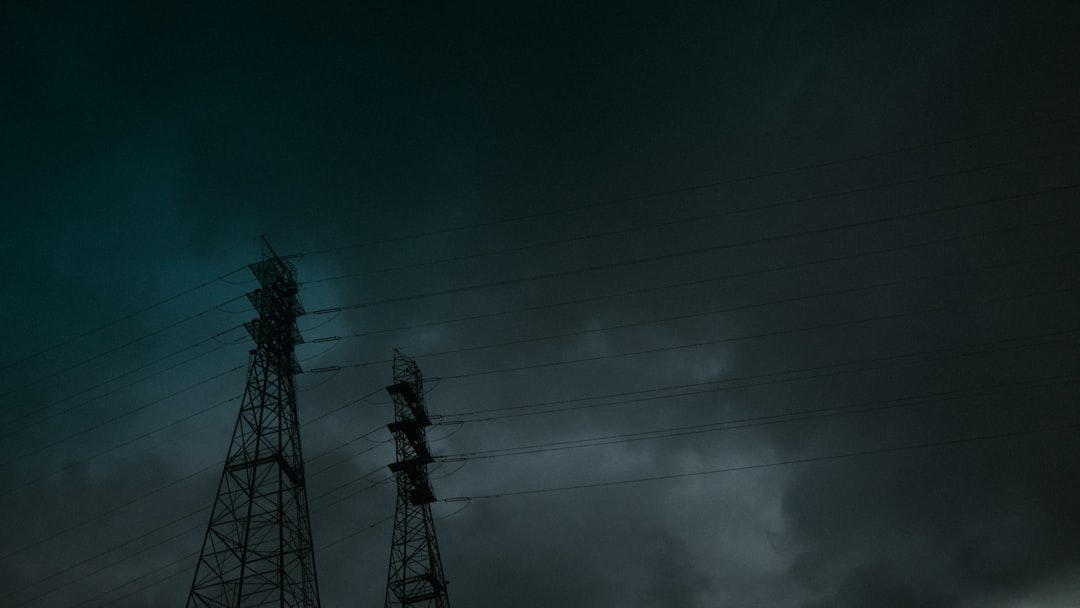
Power outages affected millions of people. The storm damaged electrical infrastructure. Falling trees took down power lines. Substations flooded in some areas. Utility companies struggled to make repairs.
Causes of Power Failures
Several factors caused the widespread outages. Strong winds were the main problem. They knocked trees onto power lines. Heavy rain caused flooding in electrical facilities. Here are the primary causes:
- Tree limbs breaking and hitting power lines
- Poles falling due to saturated ground
- Flooding of underground electrical systems
- Damage to transmission towers
- Safety shutoffs by utility companies
Utility Company Response
Power companies prepared for the storm. They brought in extra crews from other states. Some companies pre-positioned equipment. Still, the damage was overwhelming. Restoration took several days in many areas.
According to Department of Energy data, this was one of the largest outage events in five years. Over 2.5 million customers lost power at the peak. Some rural areas faced week-long outages.
Travel Chaos Across the Region
Travel became extremely difficult during the storm. Airports canceled flights. Trains stopped running. Roads closed due to flooding. People got stranded in various locations.
Air Travel Disruptions
Major airports suffered significant disruptions. Airlines canceled over 3,000 flights. New York area airports were hit hardest. Travelers faced long delays and cancellations. Here are the affected airports:
- JFK Airport: 60% flights canceled
- LaGuardia: Complete shutdown for 12 hours
- Newark: Major delays and cancellations
- Logan Airport: Limited operations
- Philadelphia: Reduced flight schedule
Road and Highway Closures
Many roads became impassable. Flooding closed major highways. Falling debris blocked smaller roads. State police advised against travel. These major routes experienced closures:
- I-95 in several locations
- Garden State Parkway
- Massachusetts Turnpike
- Coastal Route 1
- Various parkways in New York
The Federal Highway Administration reported over 200 road closures. Some remained closed for days after the storm.
Emergency Response and Safety Measures
Government agencies activated emergency plans. They worked to protect public safety. Evacuations occurred in flood-prone areas. Shelters opened for displaced people.
Government Actions
State governments declared emergencies. This allowed federal assistance. The National Guard helped with rescues. Local officials provided regular updates. Key actions included:
- Emergency declarations in 6 states
- National Guard activation
- Coastal community evacuations
- Emergency shelter openings
- 24-hour emergency operations centers
Public Safety Advice
Authorities shared important safety tips. They warned people to stay indoors. Avoid flooded areas was crucial. Don't touch downed power lines. Have emergency supplies ready.
The Ready.gov website provides excellent storm preparation advice. Their guidelines helped many people stay safe during this event.
Real Stories from Affected Residents
Many people experienced the storm's impacts directly. Their stories show the human side of the disaster. We collected experiences from different areas.
Family in New Jersey
The Martinez family lives in coastal New Jersey. They evacuated before the storm hit. Water entered their first floor. They lost power for four days. "We never expected this much damage," said Maria Martinez. "The water rose so quickly."
Business Owner in New York
John Chen owns a restaurant in Queens. Flooding damaged his equipment. He lost all his refrigerated food. Insurance will cover some costs. But business interruption hurts. "We worked so hard to build this," Chen said. "Now we start over."
Elderly Couple in Massachusetts
Robert and Helen Wilson are both 78. They lost power for five days. Their generator failed after two days. Neighbors checked on them regularly. "We've seen storms before," Robert said. "But this was different."
Practical Storm Preparation Tips
Preparation can reduce storm impacts. These tips help you stay safe. They also make recovery easier. Everyone should know these basics.
Before the Storm
Prepare your home and family in advance. Don't wait until warnings appear. Here is what to do:
- Create an emergency kit with supplies
- Develop a family communication plan
- Secure outdoor furniture and objects
- Charge all electronic devices
- Fill vehicle gas tanks
- Withdraw some cash from banks
- Stock up on medications
During the Storm
Stay safe while the storm is active. Follow official guidance carefully. Key actions include:
- Stay indoors away from windows
- Avoid flooded areas and roads
- Use flashlights instead of candles
- Monitor weather updates regularly
- Check on neighbors if safe
- Keep refrigerator doors closed
- Use generators outdoors only
After the Storm
Recovery begins when the storm passes. Be careful about new dangers. Follow these steps:
- Inspect property for damage carefully
- Avoid downed power lines
- Document damage for insurance
- Throw away spoiled food
- Check supplies and restock
- Help neighbors if possible
- Follow official cleanup guidance
Frequently Asked Questions
Many people have questions about nor'easters. Here are answers to common queries. This information comes from reliable sources.
What makes nor'easters different from hurricanes?
Nor'easters and hurricanes are both strong storms. But they form differently. Nor'easters get energy from temperature contrasts. Hurricanes get energy from warm ocean water. Nor'easters are larger and affect bigger areas. Hurricanes have clearer eyes and more organization.
How long do power outages typically last after nor'easters?
Outage duration varies by location. Urban areas usually restore power faster. Most people get power back within 2-3 days. Rural areas might wait 5-7 days. Severe damage can cause longer outages. Preparation helps you cope during outages.
Are nor'easters becoming more frequent due to climate change?
Scientists are studying this question. Some research suggests changes. Warmer oceans might make nor'easters stronger. Sea level rise makes flooding worse. The National Oceanic and Atmospheric Administration tracks these trends. More data is needed for certainty.
What should I include in my emergency kit?
Your emergency kit needs essential items. Plan for at least three days of supplies. Include these basics:
- One gallon of water per person daily
- Non-perishable food items
- First aid kit and medications
- Flashlights and extra batteries
- Portable radio for updates
- Important documents in waterproof container
- Personal hygiene items
How can I protect my home from flood damage?
Several measures reduce flood risk. Install check valves in plumbing. Elevate electrical systems above flood levels. Use flood-resistant building materials. Keep gutters and drains clear. Consider flood insurance even without requirements.
When should I evacuate before a storm?
Follow official evacuation orders immediately. Don't wait to see what happens. If you live in flood-prone area, leave early. Evacuation becomes dangerous during the storm. Have a plan and know your route in advance.
How can I help others after a major storm?
Many people need help after disasters. Check on neighbors, especially elderly. Donate to reputable relief organizations. Volunteer with community cleanup efforts. Share accurate information on social media. Avoid disaster areas unless you can help.
Statistics and Data Analysis
Numbers show the storm's true impact. These statistics come from official sources. They help understand the event's scale.
Power Outage Numbers
Power failures affected many customers. Peak outages occurred on Tuesday evening. Here are the numbers by state:
- New York: 850,000 customers without power
- New Jersey: 620,000 customers affected
- Massachusetts: 410,000 outages reported
- Connecticut: 285,000 customers lost power
- Other states: 435,000 combined outages
Total customers affected: Approximately 2.6 million. Restoration took an average of 2.8 days.
Economic Impact
The storm caused significant economic losses. Business interruptions were widespread. Insurance claims will be substantial. Early estimates show:
- $1.2 billion in insured losses
- $750 million in business interruptions
- $300 million in infrastructure damage
- $150 million in emergency response costs
These numbers will likely increase as more data becomes available. The Bureau of Labor Statistics will track employment impacts.
Climate Change Connection
Scientists discuss climate change and storms. Research shows some connections. Understanding these links is important for future planning.
Warmer Oceans and Storm Intensity
Ocean temperatures are rising. This provides more energy for storms. Nor'easters might become stronger. They could produce more rainfall. Coastal flooding may increase due to sea level rise.
Planning for Future Storms
Communities need to adapt to changing patterns. Infrastructure must become more resilient. Building codes should address new risks. Emergency plans require regular updates. Public education remains crucial.
The Environmental Protection Agency provides climate adaptation resources. Their data helps communities prepare for future challenges.
Conclusion: Lessons Learned and Moving Forward
This nor'easter taught important lessons. Preparation makes a big difference. Community support matters during crises. Recovery takes time and cooperation.
The storm showed our vulnerabilities. Power systems need strengthening. Transportation networks require backup plans. Communication systems must remain operational. Emergency services need adequate resources.
Individuals can take positive steps. Prepare emergency kits for your family. Make plans for different scenarios. Stay informed about weather risks. Help neighbors when possible. Support community resilience efforts.
Climate change will likely affect future storms. We must adapt our preparations accordingly. Better building standards can reduce damage. Improved warning systems save lives. Continued research helps understanding.
Remember that recovery continues after media attention fades. Many people still need help. Support local organizations working on long-term recovery. Stay engaged with community preparedness efforts. Together we can build more resilient communities.
The East Coast will face more nor'easters in the future. Each storm provides learning opportunities. Use this knowledge to stay safer next time. Preparation and community make all the difference when storms arrive.