
Nor'easter Chaos: Massachusetts Travel Nightmare Unfolds
Introduction: The Perfect Storm Arrives
A powerful Nor'easter storm hit Massachusetts hard. It caused major travel problems across the state. Thousands of travelers found themselves stuck. Flights got canceled. Trains stopped running. Roads became dangerous. This storm showed how weather can disrupt our plans.
The storm began on Tuesday morning. It brought heavy rain and strong winds. Some areas saw over 4 inches of rain. Wind gusts reached 60 miles per hour. Coastal areas faced flooding. The storm lasted for two days. It affected the entire state.
Travelers faced unexpected challenges. Many people missed important events. Some lost money on canceled trips. Others spent hours in airports. The storm taught valuable lessons about travel planning. It showed why we need backup plans.
This article will explore the storm's impact. We will look at airport closures. We will discuss road conditions. We will share tips for future storms. Our goal is to help you travel smarter.
What is a Nor'easter?
Understanding These Powerful Storms
A Nor'easter is a type of storm. It forms along the East Coast. The name comes from the direction of winds. Winds come from the northeast. These storms are most common between September and April.
Nor'easters can be very powerful. They often bring heavy rain or snow. Strong winds are common. Coastal flooding happens frequently. The storms can last for several days. They affect millions of people.
According to the National Weather Service, Nor'easters develop when cold air meets warm ocean water. This creates intense low-pressure systems. The storms rotate counterclockwise. This brings moisture from the ocean.
Why Massachusetts Gets Hit Hard
Massachusetts is vulnerable to Nor'easters. Its location on the coast makes it a target. The state's geography amplifies storm effects. Cape Cod often bears the brunt of these storms.
The Massachusetts Emergency Management Agency tracks these storms closely. They note that climate change may be making storms stronger. Warmer oceans provide more energy. This leads to more intense rainfall.
Airport Chaos: Flight Cancellations Mount
Logan International Airport Shutdown
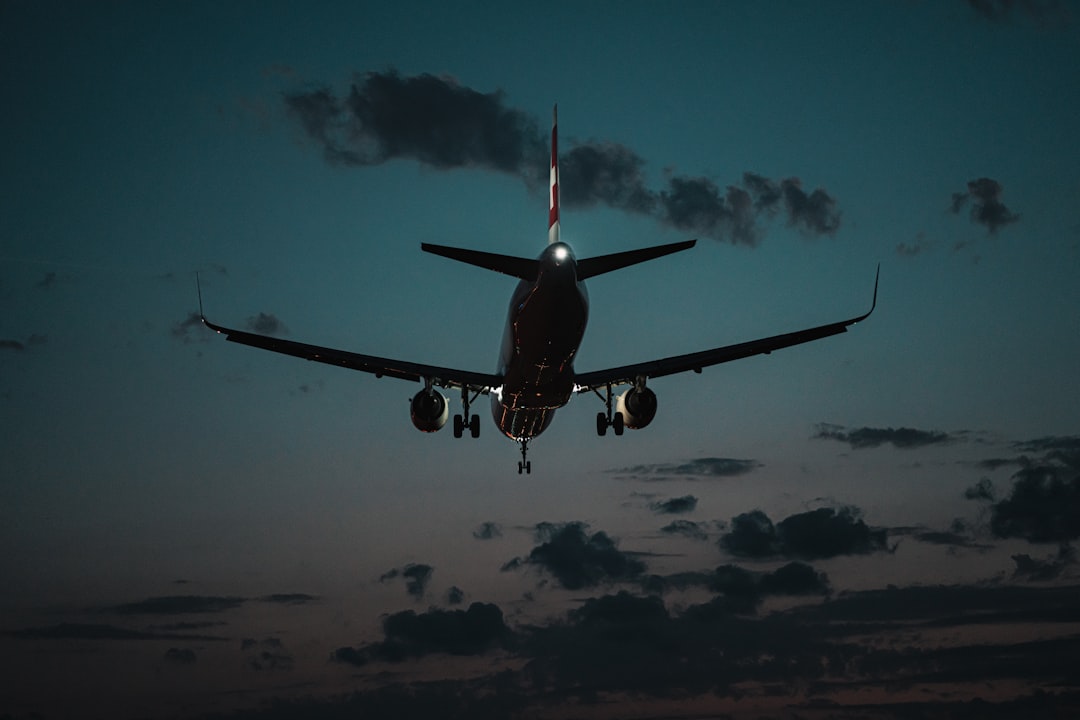
Boston's Logan Airport saw massive disruptions. Over 400 flights were canceled. Another 300 flights faced long delays. The airport terminal filled with stranded passengers. Many people slept on floors.
Airport officials worked around the clock. They tried to clear runways. Strong winds made takeoffs dangerous. Visibility dropped to near zero at times. The control tower faced challenges guiding planes.
According to Federal Aviation Administration data, the airport operated at 30% capacity. This meant only a few planes could take off. The backlog took days to clear.
Regional Airport Impacts
Smaller airports also suffered. Worcester Regional Airport canceled all flights. Nantucket Memorial Airport closed completely. Martha's Vineyard Airport saw similar closures.
These regional airports serve important roles. They connect island communities to the mainland. When they close, essential supplies can't reach islands. Medical evacuations become impossible.
The Massachusetts Port Authority reported major losses. Airlines lost millions in revenue. Passengers faced hotel costs and missed work.
Road Travel Becomes Dangerous
Highway Closures and Accidents
Major highways faced partial closures. Route 128 saw multiple accidents. The Massachusetts Turnpike reduced speed limits. State police responded to hundreds of calls.
Flooding made many roads impassable. Underpasses filled with water. Some vehicles got stuck in high water. Rescue teams worked to help stranded drivers.
The MassDOT advised against all non-essential travel. They deployed extra crews. These workers cleared drains and removed debris.
Public Transportation Breakdown
The MBTA faced system-wide problems. Subway lines experienced delays. Above-ground sections suspended service. Buses got stuck in traffic and floods.
Commuter rail lines saw extensive cancellations. The Providence/Stoughton line shut down completely. Other lines operated on reduced schedules. Thousands of commuters couldn't get to work.
Ferry services between Boston and islands stopped running. This stranded both residents and tourists. The transportation network took three days to recover fully.
Real Stories from Stranded Travelers
Family Vacation Turns into Nightmare
The Johnson family planned a Disney World trip. They drove from New Hampshire to Logan Airport. Their flight got canceled at the last minute. They spent the night in their car.
"We never expected this," said Sarah Johnson. "The airport was chaos. No hotels had rooms. We had two young children with us. It was scary."
Their story shows why backup plans matter. Always have emergency contacts. Keep extra money for unexpected expenses.
Business Traveler's Lost Opportunity
Mark Chen missed a crucial business meeting. His flight to Chicago got canceled. He couldn't reschedule for two days. By then, the client had chosen another vendor.
"I lost a $50,000 contract," Chen explained. "The storm cost me more than money. It damaged my professional reputation."
His experience highlights business risks. Consider travel insurance for important trips. Have virtual meeting options ready.
Practical Storm Travel Survival Guide
Before You Travel
- Check weather forecasts regularly
- Sign up for airline alert programs
- Pack emergency supplies in carry-on
- Download airline apps for updates
- Have backup power for devices
During Travel Disruptions
- Contact airlines immediately for rebooking
- Use social media for real-time updates
- Find airport information desks
- Keep important documents safe
- Stay hydrated and rested
Essential Emergency Kit Items
- Portable phone charger
- Snacks and water
- Basic medications
- Change of clothes
- Important phone numbers
- Cash in small bills
- Travel insurance information
Weather Science: Understanding Storm Patterns
How Meteorologists Track Nor'easters
Scientists use advanced technology to study storms. Weather buoys measure ocean conditions. Satellites track cloud formations. Computer models predict storm paths.
The National Oceanic and Atmospheric Administration leads this research. Their data helps improve forecasts. Better predictions mean more preparation time.
Climate Change Connection
Research shows Nor'easters may be changing. A Climate.gov study found rainfall intensity increasing. Warmer air holds more moisture. This leads to heavier precipitation.
Sea level rise makes flooding worse. Coastal communities face greater risks. Adaptation planning becomes more important.
Government Response and Emergency Services
State Emergency Declarations
Governor Maura Healey declared a state of emergency. This allowed extra funding for response. National Guard units helped with rescues. Emergency shelters opened across the state.
The declaration streamlined assistance. Local communities received state support. Cleanup efforts got additional resources.
Emergency Services in Action
First responders worked tirelessly. Fire departments pumped out flooded homes. Police directed traffic around closed roads. EMTs handled weather-related medical calls.
According to American Red Cross reports, they assisted 500 families. Most needed temporary housing. Some required medical attention.
Economic Impact: Counting the Costs
Direct Financial Losses
The storm caused significant economic damage. Early estimates suggest $100 million in losses. This includes:
- Airlines: $25 million
- Hotels: $15 million
- Small businesses: $40 million
- Infrastructure repair: $20 million
Long-term Business Effects
Some small businesses never recovered. Tourism suffered for weeks after the storm. Consumer confidence dropped temporarily.
The Massachusetts Office of Business Development offered assistance. They provided low-interest loans. They helped with insurance claims.
Frequently Asked Questions
What should I do if my flight gets canceled?
Contact your airline immediately. Use their app if possible. Ask about rebooking options. Request hotel vouchers if eligible. Keep all receipts for expenses.
How can I prepare my car for Nor'easter travel?
Check your tires and brakes. Keep your gas tank full. Pack an emergency kit. Include blankets and food. Have a charged phone with maps.
Are trains safer than cars during storms?
Trains can be more reliable than cars. But they also face cancellations. Check service updates regularly. Have backup transportation plans ready.
What rights do passengers have during cancellations?
Passengers have limited rights. Airlines must refund canceled flights. They don't have to pay for hotels. Travel insurance can provide extra protection.
How far in advance should I check weather?
Start checking one week before travel. Monitor forecasts daily as trip approaches. Sign up for weather alerts from reliable sources.
Can I get compensation for missed connections?
Usually not for weather-related issues. Some credit cards offer protection. Always read the fine print. Travel insurance may cover some costs.
What's the best way to receive travel updates?
Use multiple sources. airline apps, weather apps, and airport websites. Follow official social media accounts. Enable push notifications for alerts.
Technology Solutions for Storm Travel
Essential Travel Apps
Several apps can help during storms. FlightAware tracks flight status. Weather Channel provides forecasts. Waze offers real-time road conditions.
Most airlines have their own apps. These often provide the fastest updates. Enable notifications for immediate alerts.
Social Media for Real-time Information
Twitter can be valuable during emergencies. Follow official accounts like @MassDOT and @NWSBoston. Search hashtags like #MAwx for updates.
Facebook groups for local communities often share information. Neighbors post about road conditions and power outages.
Conclusion: Learning from the Storm
The Massachusetts Nor'easter taught important lessons. Weather can disrupt even the best plans. Preparation makes a big difference. Emergency kits save stress. Backup plans prevent panic.
Technology helps us stay informed. But we must use it wisely. Multiple information sources work best. Don't rely on just one app or website.
Community support matters during crises. Neighbors helped each other. Strangers shared resources. This cooperation made difficult situations better.
Travel will always face weather challenges. But we can become more resilient. Learn from each experience. Share knowledge with others. Prepare better for next time.
Remember: safety comes first. No trip is worth risking your life. Sometimes staying put is the smartest choice. There will always be another flight or another day.
For more travel tips and storm preparation advice, visit our emergency preparedness guide. Stay safe and travel smart.