
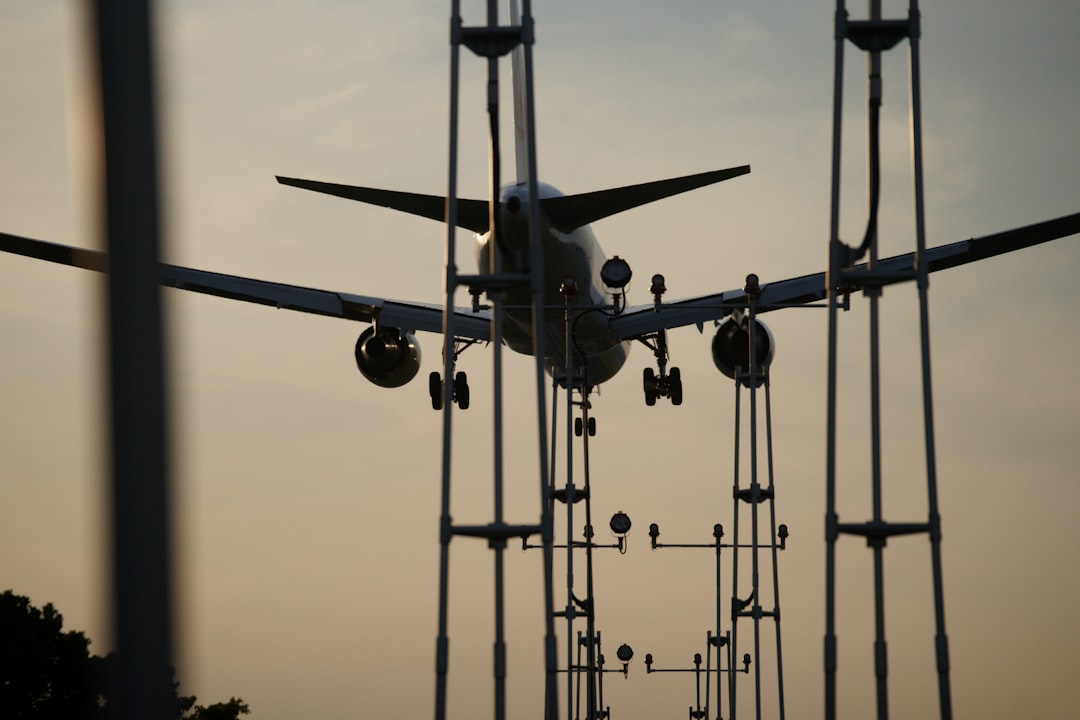
Munich Airport Chaos: Drones Ground Flights Twice in 24 Hours
Introduction: Airport Security Crisis Unfolds
Munich Airport faced major disruptions recently. Drones caused two closures in less than 24 hours. This created chaos for thousands of travelers. Flights were canceled or delayed. Passengers were stranded at the airport. Security became the top priority.
The first closure happened on December 1, 2023. Airport officials spotted unauthorized drones. They immediately stopped all flight operations. This closure lasted about 90 minutes. Then, the next morning, another drone appeared. Airport security had to close operations again. This second closure lasted nearly two hours.
Germany has strict drone laws. Flying drones near airports is illegal. But some people still break these rules. The consequences can be severe. Munich Airport is Germany's second busiest. It serves over 40 million passengers yearly. Any closure causes massive problems.
This article explores what happened. We will look at the drone incidents. We will examine airport security measures. We will discuss drone regulations. We will provide travel tips for such situations. Understanding these events helps travelers stay prepared.
The Timeline of Events: Two Closures in 24 Hours
First Drone Sighting and Initial Closure
The first incident occurred around 4:15 PM local time. Airport staff spotted a drone near the runways. Airport security immediately responded. They followed standard safety procedures. All takeoffs and landings stopped. Passengers already on planes had to wait.
German police were called to investigate. They searched for the drone operator. Meanwhile, thousands of passengers were affected. Some flights were diverted to other airports. These included Frankfurt and Nuremberg airports. The closure lasted until 5:45 PM.
Second Drone Incident and Another Closure
The next morning brought more trouble. At approximately 6:30 AM, another drone appeared. Airport security confirmed the sighting. They had no choice but to close again. This closure lasted from 6:30 AM to 8:15 AM.
During this time, 45 flights were canceled. Many more faced delays. The airport was just recovering from the first closure. Then it had to shut down again. Travel plans were ruined for many people.
Impact on Travelers and Airlines
The closures affected approximately 100 flights total. About 10,000 passengers experienced disruptions. Some people missed important meetings. Others missed family events. Airlines faced financial losses. They had to rebook passengers on later flights.
Lufthansa, Germany's largest airline, was hit hard. They operate many flights from Munich. Other airlines like Emirates and United also suffered. The economic impact was significant. Munich Airport estimated losses in the millions.
Understanding Drone Threats to Aviation
Why Drones Are Dangerous Near Airports
Drones pose serious risks to aircraft. Even small drones can cause damage. A drone hitting a plane engine could be catastrophic. The Federal Aviation Administration has documented cases. There have been near-misses at airports worldwide.
Drones can also distract pilots. They can interfere with airport equipment. This includes radar and communication systems. Security is compromised when drones enter restricted airspace.
Real Examples of Drone Incidents
Other airports have faced similar problems. In 2018, London Gatwick Airport closed for 33 hours. Multiple drone sightings caused the shutdown. About 140,000 passengers were affected. The incident cost the airport millions.
In 2019, Dubai International Airport briefly closed. A drone was spotted near the airport. These events show this is a global problem. Airports everywhere are working on solutions.
Statistics on Drone Incidents
- Germany recorded 158 drone incidents near airports in 2022
- London Gatwick's 2018 closure cost approximately £50 million
- Drone sightings near airports increased 40% from 2020 to 2022
- Over 2,000 drone incidents were reported to FAA in 2022
Airport Security Measures Against Drones
Current Detection Systems
Airports use various technologies to detect drones. These include radar systems specifically for drones. They also use radio frequency scanners. These systems can identify drone controllers. Some airports use acoustic sensors. These listen for the sound of drone propellers.
Munich Airport has invested in anti-drone technology. They use a system called Dedrone. This system detects and tracks drones. It alerts security staff immediately. This helps them respond quickly to threats.
Prevention and Response Protocols
When a drone is detected, airports follow strict procedures. First, they confirm the sighting. Then they stop all flight operations. Police are notified to find the operator. Sometimes, special units are deployed. These units can disable or capture the drone.
German police have anti-drone equipment. This includes signal jammers. These devices block the connection between drone and controller. The drone then either lands or returns to its starting point.
Future Security Developments
Airports are testing new technologies. Some are developing drone-catching nets. Others are using trained eagles to capture drones. Laser systems are also being tested. These can safely disable drones from a distance.
The European Union is funding research. They want to create better anti-drone systems. The goal is to protect airports without disrupting travel. EASA is leading these efforts.
German Drone Laws and Regulations
Current Legal Framework
Germany has comprehensive drone regulations. All drones over 250 grams must be registered. Operators need liability insurance. Drones must have identification plates. Flying near airports is strictly prohibited.
The no-fly zone around airports is extensive. It typically extends 1.5 kilometers from runways. In some cases, it's even larger. Violators face severe penalties. These include heavy fines and prison time.
Enforcement and Penalties
German authorities take drone violations seriously. Flying near airports can result in up to two years in prison. Fines can reach €50,000. Police use various methods to catch offenders. This includes tracking technology and witness reports.
After the Munich incidents, police increased patrols. They are working to identify the drone operators. The investigation continues. German Federal Police are leading the search.
Educational Initiatives
The German government runs awareness campaigns. They educate people about drone safety. This includes information about no-fly zones. They also provide resources for legal drone use. Many incidents happen because people don't know the rules.
Practical Tips for Travelers During Airport Closures
Before Your Flight
- Always check airport status before leaving for the airport
- Download your airline's mobile app for real-time updates
- Keep important contacts saved on your phone
- Have travel insurance that covers delays and cancellations
- Pack essential items in your carry-on bag
During a Closure
- Stay calm and follow airport staff instructions
- Contact your airline immediately about rebooking
- Keep your phone charged to receive updates
- Stay near information screens for announcements
- Be patient with airport staff - they're doing their best
After a Closure
- Keep all receipts for additional expenses
- Contact your travel insurance provider if you have coverage
- Check with your airline about compensation rights
- Allow extra time for your next travel day
- Consider alternative airports for future travel
Frequently Asked Questions (FAQ)
Why do airports close completely for drone sightings?
Airports close because drones pose serious safety risks. Even a small drone can damage an aircraft. The closure ensures everyone's safety until the threat is gone.
How long do airport closures typically last?
Closures usually last 1-3 hours. It depends on how quickly security can resolve the situation. Some closures have lasted longer in complex cases.
What should I do if my flight is canceled due to a drone?
Contact your airline immediately. They will rebook you on the next available flight. Keep all your travel documents. You may be entitled to compensation under EU law.
Are there technologies to prevent drone incidents?
Yes, airports are developing anti-drone systems. These include detection radar and jamming technology. However, the technology is still evolving.
What penalties do drone operators face for flying near airports?
Penalties vary by country. In Germany, operators face up to two years in prison. They may also pay heavy fines up to €50,000.
How common are drone-related airport closures?
They are becoming more common. Major airports report several incidents each year. The number has been increasing as drones become more popular.
Can airports shoot down dangerous drones?
Most airports avoid shooting drones. Falling debris could cause additional danger. Instead, they use jamming technology or nets to capture drones safely.
Global Perspective: Drone Incidents at Other Airports
Notable Cases Worldwide
Many major airports have experienced drone problems. London Gatwick's 2018 closure was particularly severe. It affected Christmas travel for thousands. Dubai Airport has had multiple closures. So have airports in China and the United States.
Each incident teaches valuable lessons. Airports share information about best practices. International organizations like ICAO help coordinate these efforts.
Comparative Security Measures
Different countries approach drone security differently. Some use more advanced technology. Others rely on stricter regulations. The best approach combines both technology and regulation.
Singapore's Changi Airport uses comprehensive detection systems. Israeli airports have military-grade anti-drone technology. Each solution must fit the local context.
Step-by-Step Guide: What to Do If You're Affected
Step 1: Stay Informed
Check airport websites and social media. Listen to airport announcements. Download flight tracking apps. Knowledge helps you make better decisions.
Step 2: Contact Your Airline
Use their app, website, or call center. Ask about rebooking options. Inquire about hotel accommodations if needed. Know your rights as a passenger.
Step 3: Manage Your Expectations
Understand that delays might be long. Be patient with staff. They are dealing with an unusual situation. Stay calm and cooperative.
Step 4: Document Everything
Keep records of all communications. Save receipts for additional expenses. Take photos if necessary. This documentation helps with insurance claims.
Step 5: Plan Your Next Steps
Consider alternative transportation if available. Contact people waiting for you. Make necessary arrangements for missed appointments.
The Future of Airport Security and Drone Management
Technological Advancements
New systems are being developed constantly. These include AI-powered detection. Some systems can predict drone flight paths. Others can safely neutralize threats without disrupting airport operations.
Research continues at universities and tech companies. The goal is to make airports drone-proof. This would prevent future closures and keep travelers safe.
Regulatory Developments
Governments are updating drone laws regularly. Many are implementing remote identification requirements. This would help authorities identify drone operators quickly. Stricter enforcement is also coming.
International cooperation is increasing. Countries are sharing information and best practices. Organizations like Eurocontrol help coordinate these efforts across Europe.
Conclusion: Lessons from Munich Airport's Experience
The Munich Airport incidents highlight an important issue. Drone security is crucial for aviation safety. Airports must balance security with operational efficiency. Travelers need to understand these challenges.
These events show that preparation matters. Both airports and travelers should be ready for disruptions. Having contingency plans makes difficult situations easier to handle.
The aviation industry continues to adapt. New technologies and regulations will improve safety. Cooperation between stakeholders is essential. This includes airports, airlines, regulators, and the public.
As drone technology evolves, so must our security measures. The goal is clear: safe skies for everyone. Munich's experience serves as a valuable lesson for airports worldwide.
Travelers can play their part too. By staying informed and following rules, everyone contributes to aviation safety. The next time you travel, remember that security measures protect us all.