
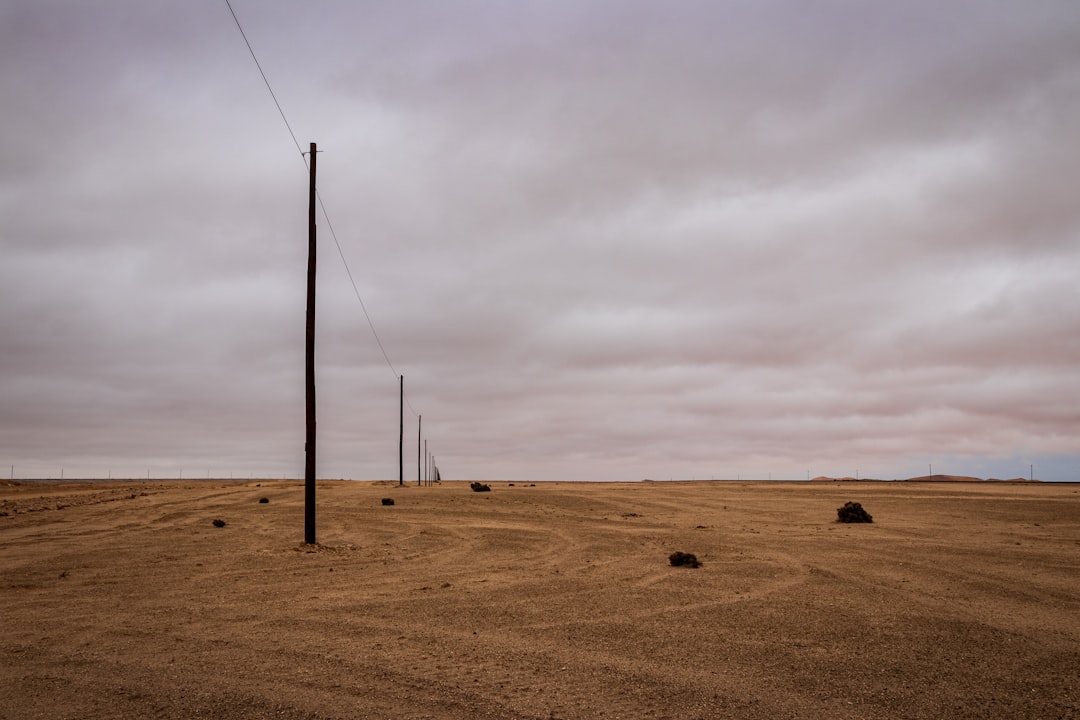
Living Off-Grid But Staying Online: My Guardian Retreat
Introduction: Finding Balance in a Connected World
Imagine waking up to birds singing. You see trees outside your window. The air smells fresh and clean. But you can still check your email. You can still video call your family. This is the magic of an off-grid but online retreat.
Many people dream of escaping city life. They want peace and quiet. But they don't want to lose internet connection. Modern technology makes this possible. You can have the best of both worlds. This guide will show you how.
I discovered this lifestyle through a Guardian article. It described a country retreat that was off-grid but online. The idea fascinated me. I decided to try it for myself. What I learned changed my life forever.
Living off-grid doesn't mean going back to the Stone Age. You can still enjoy modern comforts. The key is finding the right balance. You reduce your environmental impact. But you stay connected to the digital world.
What Does "Off-Grid But Online" Really Mean?
Understanding Off-Grid Living
Off-grid living means being self-sufficient. You don't rely on public utilities. This includes electricity, water, and gas. You generate your own power. You collect your own water. You manage your own waste.
According to U.S. Department of Energy, off-grid homes use renewable energy. Solar panels are the most common choice. Wind turbines and hydro power are other options. Battery systems store energy for later use.
The Online Component
Staying online while off-grid requires planning. You need reliable internet access. Satellite internet works almost anywhere. Starlink from SpaceX is a popular choice. Cellular data can also work in some areas.
The key is managing your power usage. Internet equipment needs electricity. You must balance your energy needs. Sometimes you might need to limit streaming. But basic browsing and emails work fine.
Benefits of This Lifestyle
Environmental Advantages
Living off-grid reduces your carbon footprint. You use renewable energy sources. This helps fight climate change. You also consume less resources overall.
The Environmental Protection Agency reports interesting facts. The average American home uses about 10,400 kWh per year. Off-grid homes often use less than half of that.
- Lower electricity bills
- Reduced environmental impact
- Energy independence
- Less reliance on fossil fuels
Mental Health Benefits
Nature has a calming effect on our minds. Being surrounded by trees and wildlife reduces stress. Studies show that time in nature improves mental health.
Research from National Institutes of Health confirms this. People who spend time in nature report better mood. They feel less anxious and depressed. Their cognitive function improves too.
Financial Savings
While setup costs can be high, long-term savings are significant. You eliminate monthly utility bills. No more electricity, water, or gas payments. Your only ongoing costs are maintenance and internet.
Setting Up Your Off-Grid Online Retreat
Choosing the Right Location
Location is crucial for off-grid living. You need good sun exposure for solar panels. Access to water sources is important. The land should be suitable for building.
Check internet availability before buying land. Visit the property with your phone. Test different carriers. Research satellite internet options for the area.
Power Systems
Solar power is the most popular choice. A basic system includes solar panels, batteries, and an inverter. The size depends on your energy needs.
According to Energy.gov, a typical off-grid system costs between $15,000 and $30,000. This provides enough power for a small home. It can run lights, refrigerator, and internet equipment.
Water Systems
You'll need a reliable water source. Wells are common in rural areas. Rainwater collection systems work well too. Water filtration is essential for safety.
A basic rainwater system includes:
- Collection surface (roof)
- Gutters and downspouts
- Storage tanks
- Filtration system
- Pump for water pressure
Internet Connectivity
Satellite internet is your best bet for remote locations. Companies like Starlink offer high-speed service. Cellular data can work if you have signal. Sometimes signal boosters help.
Test different options before committing. Ask neighbors about their experiences. Consider having backup options. A combination of satellite and cellular works well.
Real Examples of Off-Grid Online Living
The Guardian Retreat Inspiration
The original Guardian article described a couple in Wales. They built a small cabin in the woods. They use solar power for electricity. Satellite internet keeps them connected.
They work remotely as digital consultants. Their clients don't know they're in the woods. They have video meetings from their porch. Deer sometimes walk by during calls.
Modern Homesteaders
Many young families are choosing this lifestyle. They want to raise children in nature. But they need income from online work. Platforms like YouTube document their journeys.
One family in Montana shares their experience. They have 5 acres of land. Solar power runs their home office. Starlink provides internet for their online business.
Digital Nomads Gone Rural
Some digital nomads are settling down. They choose beautiful rural locations. They build small, efficient homes. Remote work makes this possible.
A software developer in New Zealand shared his story. He works for a Silicon Valley company. But he lives in a tiny house by a lake. His internet is faster than in the city.
Practical Tips for Your Transition
Start Small
Don't jump in all at once. Try camping on your property first. Test your systems gradually. Learn what works and what doesn't.
Spend weekends in your retreat. Get used to the sounds and rhythms of nature. Practice managing your power and water systems.
Energy Management
Monitor your energy usage carefully. Use energy-efficient appliances. LED lights use much less power. Laptops use less energy than desktop computers.
Here's a simple energy plan:
- Calculate your daily energy needs
- Size your solar system accordingly
- Install energy monitoring equipment
- Adjust usage based on weather conditions
- Have backup power options
Internet Reliability
Always have backup internet options. A cellular hotspot can save you during satellite outages. Download important files for offline access. Schedule important meetings during reliable hours.
The Federal Communications Commission provides coverage maps. These show cellular service in rural areas. Use them when choosing your location.
Common Challenges and Solutions
Power Outages
Even solar systems can have issues. Cloudy weather reduces solar production. Equipment can fail. Always have backup power sources.
A small generator can charge batteries during extended cloudy periods. Keep extra fuel safely stored. Regular maintenance prevents most problems.
Internet Issues
Satellite internet can be affected by weather. Heavy rain or snow might cause interruptions. Have alternative ways to work during outages.
Use cellular data as backup. Visit local libraries or cafes when needed. Plan important online activities around weather forecasts.
Water Management
Drought conditions can affect water supply. Conserve water whenever possible. Collect rainwater during wet periods. Have emergency water storage.
Simple conservation tips:
- Take shorter showers
- Fix leaks immediately
- Use water-efficient fixtures
- Collect gray water for plants
Cost Analysis and Budgeting
Initial Setup Costs
The biggest expense is the initial setup. Land costs vary by location. Building costs depend on size and materials. Solar systems represent a major investment.
According to HomeAdvisor, here are typical costs:
- Land: $5,000 - $50,000+
- Small cabin: $20,000 - $60,000
- Solar system: $15,000 - $30,000
- Water system: $3,000 - $10,000
- Internet setup: $500 - $2,000
Ongoing Expenses
Monthly costs are much lower than conventional living. No utility bills for electricity, water, or gas. Internet is your main recurring expense.
Typical monthly costs:
- Satellite internet: $100 - $200
- System maintenance: $50 - $100
- Food and supplies: Varies
- Property taxes: Varies by location
FAQ Section
How much internet speed do I need for remote work?
Most remote work requires 5-25 Mbps download speed. Video calls need about 3-4 Mbps upload speed. Satellite internet usually provides adequate speeds. Check with your employer for specific requirements.
Can I really work full-time while off-grid?
Yes, many people do. The key is reliable systems and backup plans. Proper planning makes full-time remote work possible. Test your setup thoroughly before committing.
What happens during long cloudy periods?
Good battery storage provides several days of power. A backup generator can recharge batteries. Energy conservation during cloudy weather helps. Most systems are designed for local weather patterns.
Is off-grid living legal everywhere?
Laws vary by location. Some areas have restrictions on off-grid systems. Always check local regulations before building. Rural areas usually have fewer restrictions.
How do I handle medical emergencies in remote locations?
Have a satellite phone for emergencies. Know the location of nearest medical facilities. Keep first aid supplies well stocked. Inform neighbors of your whereabouts.
Can I have modern appliances off-grid?
Yes, but choose energy-efficient models. LED lights, efficient refrigerators, and laptops work well. Large appliances like electric stoves may require larger systems. Propane appliances are good alternatives.
How long do solar systems last?
Solar panels typically last 25-30 years. Batteries need replacement every 5-15 years. Inverters last 10-15 years. Regular maintenance extends system lifespan.
Step-by-Step Guide to Getting Started
Step 1: Research and Planning
Spend time researching different locations. Consider climate, regulations, and internet availability. Create a detailed budget and timeline. Talk to people already living this lifestyle.
Step 2: Find and Purchase Land
Look for affordable rural properties. Check zoning laws and building codes. Test internet connectivity on site. Ensure access to water sources.
Step 3: Design Your Systems
Work with professionals to design power, water, and internet systems. Choose energy-efficient building materials. Plan for future expansion if desired.
Step 4: Build and Install
Start with basic shelter and essential systems. Test everything thoroughly. Make adjustments as needed. Add comforts gradually.
Step 5: Transition Gradually
Spend increasing time at your retreat. Learn to manage your systems. Adjust to the rhythms of nature. Build community with neighbors.
Statistics and Data
According to the U.S. Census Bureau, rural population has been growing. More people are choosing country living. The pandemic accelerated this trend.
The Solar Energy Industries Association reports rapid growth in residential solar. Off-grid systems are becoming more affordable. Technology improvements continue to drive costs down.
A Pew Research Center study shows remote work is here to stay. About 35% of workers with remote jobs want to work from home full-time. This enables more people to live off-grid.
Conclusion: Your Path to Balanced Living
Living off-grid but staying online offers the perfect balance. You enjoy nature's peace and quiet. But you remain connected to the digital world. This lifestyle is more accessible than ever.
Modern technology makes it possible. Solar power provides clean energy. Satellite internet keeps you connected. Remote work enables location freedom.
The journey requires planning and preparation. But the rewards are worth the effort. Better mental health, lower costs, and environmental benefits await.
Start with small steps. Research your options. Visit potential locations. Talk to people living this lifestyle. Your off-grid online retreat could become reality sooner than you think.
Remember what the Guardian article taught us. We don't have to choose between nature and technology. We can have both. The future of living is balanced and sustainable.