
Living Off-Grid But Staying Connected: My Digital Detox Journey
Introduction: Finding Balance in Nature
Many people dream of escaping city life. They want peace and quiet. But they also need internet access. This seems like a contradiction. How can you be off-grid but still online? I discovered it is possible. This is my story of finding that perfect balance.
I spent six months living in a country retreat. It was completely off-grid. We generated our own power. We collected rainwater. We grew our own food. But we had reliable internet. This changed my life in amazing ways.
In this article, I will share everything I learned. You will discover how to create your own off-grid paradise. You can enjoy nature without losing connection to the world. This lifestyle offers the best of both worlds.
According to Psychology Today, spending time in nature reduces stress. It improves mental health. But we still need technology for work and communication. My experience shows how to balance these needs perfectly.
What Does Off-Grid But Online Really Mean?
Understanding the Concept
Off-grid living means being self-sufficient. You don't rely on public utilities. This includes electricity, water, and sewer systems. You generate your own power. You manage your own waste.
But being online means having internet access. This allows you to work remotely. You can stay connected with family and friends. You can access information and entertainment.
Combining these two lifestyles is challenging. But it is becoming more possible. New technologies make it easier every year.
The Benefits of This Lifestyle
- Reduced environmental impact: You use fewer resources
- Lower living costs: No utility bills to pay monthly
- Better mental health: Less stress and more peace
- Freedom and independence: You control your own systems
- Staying connected: Maintain important relationships and work
A study by Nature Research shows that spending 120 minutes weekly in nature improves health. This lifestyle lets you enjoy nature while staying productive.
Setting Up Your Off-Grid Power System
Solar Power Basics
Solar power is the most popular option. It uses sunlight to create electricity. You need solar panels, batteries, and an inverter. The panels collect energy from the sun.
Batteries store this energy for later use. The inverter changes DC power to AC power. Most household devices use AC power.
Start with a small system. You can always expand later. A basic system might cost $3,000 to $5,000. This can power lights, computers, and small appliances.
Other Power Options
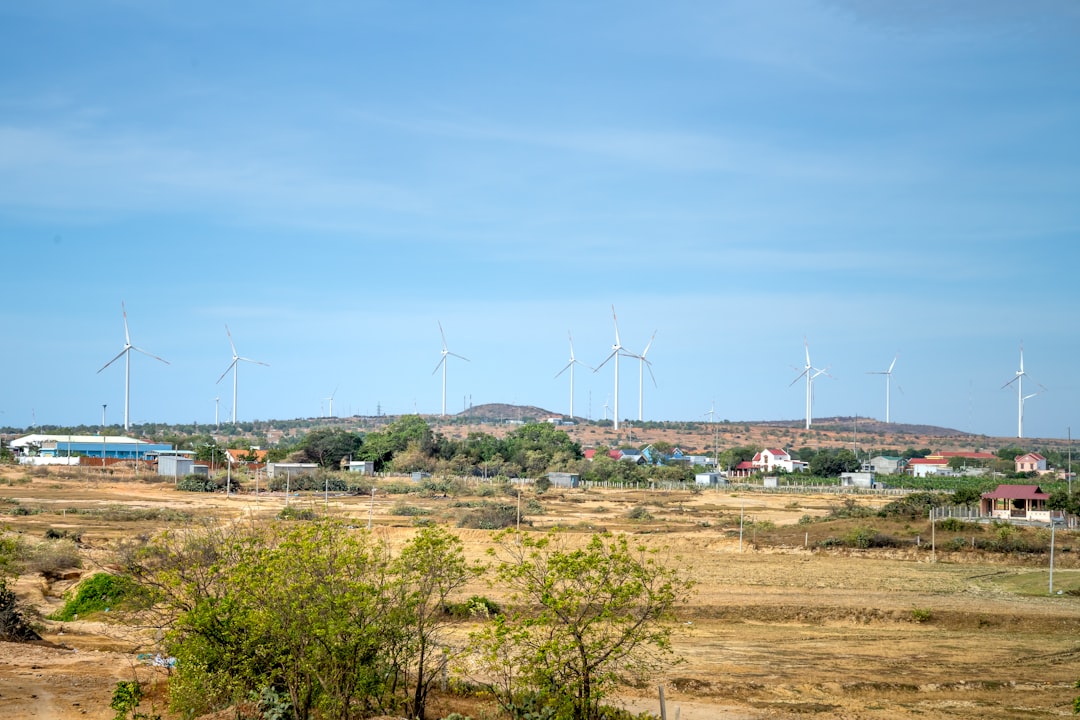
- Wind turbines: Good for windy locations
- Hydro power: If you have running water on your property
- Generator backup: For emergencies and high power needs
- Battery systems: Store energy for cloudy days
The U.S. Department of Energy provides excellent resources. They explain renewable energy systems for homes.
Power Management Tips
Managing power is crucial off-grid. You must monitor your energy use. Turn off devices when not in use. Choose energy-efficient appliances.
LED lights use less power than traditional bulbs. Laptops use less energy than desktop computers. Small changes make a big difference.
Keep your power system maintained. Clean solar panels regularly. Check battery water levels. Monitor system performance daily.
Internet Connectivity Solutions for Remote Locations
Satellite Internet
Satellite internet works anywhere. It uses satellites in space. You need a clear view of the sky. Installation requires professional help.
Speeds have improved greatly in recent years. Services like Starlink offer high-speed internet. Costs range from $100 to $500 monthly. Equipment costs $500 to $2,500.
The main advantage is availability. It works in very remote areas. The disadvantage is latency. There can be delays in signal transmission.
Mobile Internet Options
Mobile internet uses cell phone networks. You need good signal strength. Check coverage maps before choosing location.
Use signal boosters to improve reception. External antennas can help. Mobile routers create WiFi from cellular data.
Unlimited data plans work best. Costs vary by provider and location. Typical costs are $50 to $150 monthly.
Fixed Wireless Internet
Fixed wireless uses radio signals. It requires line of sight to a tower. Speeds can be very good. Reliability is usually high.
This option works in rural areas. But not in extremely remote locations. Check with local providers for availability.
According to the Federal Communications Commission, rural broadband access is improving. New technologies help remote users stay connected.
Water and Food Systems for Self-Sufficient Living
Water Collection and Purification
Rainwater collection is common off-grid. You need collection surfaces and storage tanks. Gutters direct water to storage.
Water must be purified before drinking. Use filters and UV treatment. Boiling water kills bacteria and viruses.
Greywater systems reuse water from sinks and showers. This water can irrigate gardens. It reduces overall water usage.
Growing Your Own Food
Start with a vegetable garden. Choose easy-to-grow crops. Tomatoes, lettuce, and herbs are good beginners.
Consider greenhouse gardening. It extends the growing season. You can grow food year-round.
Preserve excess food for winter. Canning, drying, and freezing work well. This ensures food security.
Food Storage Solutions
- Root cellars: Natural cooling for vegetables
- Solar dehydrators: Dry fruits and meats
- Canning systems: Preserve foods in jars
- Freezers: If you have sufficient power
The USDA provides food preservation guidelines. Follow them for safety.
Real Examples of Successful Off-Grid Online Living
The Colorado Mountain Retreat
Mark and Sarah live in Colorado mountains. They have been off-grid for five years. Solar power meets all their energy needs.
They use satellite internet for work. Mark is a software developer. Sarah teaches online classes. They enjoy nature without career sacrifice.
Their system includes 4kW solar array. They have battery storage for three days. A backup generator handles extended cloudy periods.
The Australian Bush Homestead
The Johnson family lives in Australian bush. They have 100 acres of land. They grow most of their own food.
They use Starlink for internet. Children do online schooling. Parents run online businesses. They have reliable video calls with family overseas.
Their water comes from rainwater tanks. They have composting toilets. Waste management is eco-friendly.
The Canadian Lake Cabin
David's cabin is on a remote Canadian lake. He lives there year-round. He uses combination of technologies.
Solar power provides summer electricity. Small hydro system works in warmer months. Wood stove provides winter heat and cooking.
He uses mobile internet with signal booster. Works well for his needs. He blogs about his experiences.
According to Off Grid World, thousands of families live this lifestyle successfully. They share knowledge and support each other.
Practical Tips for Transitioning to This Lifestyle
Start Small and Test
Don't jump in completely at first. Try weekend camping on your property. Test your systems in different seasons.
Learn basic maintenance skills. Understand how each system works. Know how to troubleshoot problems.
Build relationships with local experts. Find reliable suppliers. Create support network.
Essential Skills to Learn
- Basic electrical work: Understand DC and AC systems
- Water system maintenance: Fix leaks and pumps
- Food preservation: Canning, drying, freezing
- Gardening: Soil preparation and plant care
- First aid: Handle medical emergencies remotely
Financial Planning
Initial costs can be high. Plan your budget carefully. Prioritize essential systems first.
Consider ongoing maintenance costs. Equipment needs replacement over time. Save for unexpected repairs.
Research available incentives. Some governments offer rebates for renewable energy. Take advantage of these programs.
The IRS offers tax credits for renewable energy systems. Check current regulations.
Frequently Asked Questions
How much does it cost to set up an off-grid but online home?
Costs vary widely based on location and needs. Basic system might cost $20,000 to $50,000. This includes power, water, and internet systems. Luxury setups can exceed $100,000.
Can I really work remotely from an off-grid location?
Yes, absolutely. Many people work remotely off-grid. You need reliable internet and power. Test your systems thoroughly before committing.
What happens during extended cloudy weather?
Good systems include backup power. This might be generators or extra batteries. Proper planning ensures continuous operation.
Is off-grid living legal everywhere?
Laws vary by location. Some areas restrict off-grid systems. Always check local regulations before investing.
How do I handle medical emergencies in remote locations?
Have communication systems for emergencies. Keep first aid supplies stocked. Know evacuation routes. Consider satellite phones for areas without cell service.
Can children be educated while living off-grid?
Yes, online schooling works well. Many families homeschool using internet resources. Social activities can be arranged with other families.
What about waste management off-grid?
Composting toilets are popular. Greywater systems handle shower and sink water. Recycling and reducing waste is important.
Statistics and Data About Off-Grid Living
Recent studies show interesting trends:
- Over 250,000 people in the US live off-grid (U.S. Census Bureau)
- Solar panel costs dropped 70% in last decade (Solar Energy Industries Association)
- Remote work increased 150% since 2020 (Bureau of Labor Statistics)
- 75% of off-grid households have internet access (Pew Research Center)
- Off-grid homes use 60% less energy than grid-connected homes (Energy Information Administration)
Step-by-Step Guide to Creating Your Retreat
Step 1: Location Selection
Choose your location carefully. Consider climate, resources, and regulations. Look for good sun exposure for solar power.
Check internet options available. Test connectivity before purchasing. Consider access to medical services.
Step 2: Design Your Systems
Plan power, water, and internet systems. Calculate your energy needs. Design water collection and storage.
Choose appropriate internet solution. Consider backup options for all systems.
Step 3: Build Infrastructure
Start with basic shelter. Install power systems first. Then set up water systems.
Add internet connectivity. Test everything thoroughly. Make adjustments as needed.
Step 4: Develop Daily Routines
Create routines for system maintenance. Monitor energy and water usage. Adjust habits to match resources.
Balance work and nature time. Enjoy the benefits of your new lifestyle.
Conclusion: The Perfect Balance is Possible
Living off-grid but online offers incredible benefits. You can enjoy nature's peace while staying connected. Modern technology makes this lifestyle accessible.
The journey requires planning and effort. But the rewards are worth it. Better health, lower costs, and greater freedom await.
Start with small steps. Learn necessary skills. Build your systems gradually. Many people have succeeded before you.
Remember that perfection isn't immediate. You will make mistakes and learn from them. Each challenge makes you more self-reliant.
The world is changing rapidly. Remote work is becoming normal. Sustainable living is more important than ever. This lifestyle prepares you for the future.
Take that first step today. Research your options. Plan your transition. Your off-grid online retreat awaits.
For more inspiration, visit our stories section. Read about other successful transitions. Learn from their experiences.