
Living Off-Grid But Staying Connected: My Digital Detox
Introduction: Finding Balance in Nature
Modern life moves very fast. Many people feel tired and stressed. They want to escape from busy cities. But they also need to stay connected to work and family. This creates a difficult problem. How can you disconnect without losing important connections?
I discovered the perfect solution. A country retreat that is off-grid but still online. This means living simply in nature. But keeping internet access for important things. It combines the best of both worlds. You get peace and quiet. But you don't lose touch with modern life.
This lifestyle change transformed my life. I want to share my experience with you. You will learn how to create your own retreat. I will explain the practical steps. Also the challenges and rewards. This guide covers everything you need to know.
According to American Psychological Association, stress levels are rising. Many people report feeling overwhelmed. Nature can help reduce these feelings. But complete isolation isn't practical for most people.
What Does Off-Grid But Online Really Mean?
The Basic Concept
Off-grid living means being self-sufficient. You don't rely on public utilities. This includes electricity, water, and sewer systems. You generate your own power. You collect your own water. You manage your own waste.
But being online means having internet access. This allows you to work remotely. Stay in touch with loved ones. Access information and entertainment. The combination is powerful. You enjoy nature's peace. But maintain modern conveniences.
Key Components
- Energy Independence: Solar panels, wind turbines, or generators
- Water Systems: Wells, rainwater collection, filtration
- Internet Connectivity: Satellite internet, cellular data, wireless systems
- Food Production: Gardens, chickens, hunting or fishing
- Waste Management: Composting toilets, septic systems
The U.S. Department of Energy reports solar power growth. More homes are using renewable energy. This makes off-grid living easier than ever.
Why Choose This Lifestyle?
Mental Health Benefits
Nature has healing powers. Studies show time outdoors reduces stress. It improves mood and concentration. Being surrounded by trees and wildlife is calming. The quiet helps clear your mind.
You escape constant notifications. No more social media pressure. But you keep important connections. This balance is perfect for mental wellness.
Environmental Impact
Living off-grid reduces your carbon footprint. You use less energy from fossil fuels. You produce less waste. Many people grow their own food. This means fewer food miles.
The Environmental Protection Agency tracks household emissions. Off-grid homes typically have lower impacts. This helps protect our planet.
Financial Freedom
Once set up, costs can be lower. No monthly utility bills. Less spending on entertainment. Growing food saves money. Remote work opportunities increase.
Many people report saving money. Though initial setup costs can be high. The long-term savings make it worthwhile.
Setting Up Your Off-Grid Power System
Solar Power Basics
Solar panels are the most popular choice. They convert sunlight into electricity. You need several components. Panels, batteries, charge controller, and inverter.
Start by calculating your energy needs. List all devices you'll use. Include their power requirements. This determines system size. Most retreats need 1-5 kW systems.
Other Power Options
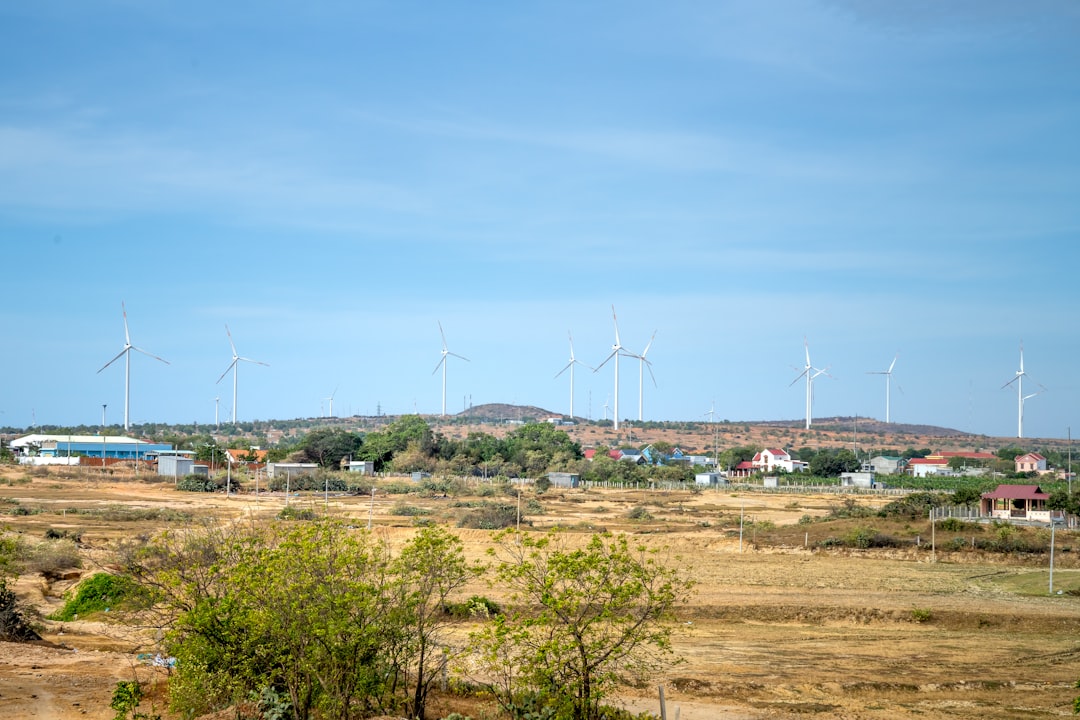
- Wind Turbines: Good in windy areas
- Hydro Power: If you have flowing water
- Generators: Backup for cloudy days
- Battery Banks: Store energy for night use
The National Renewable Energy Laboratory provides excellent resources. They have guides for home energy systems.
Step-by-Step Installation
- Assess your energy needs
- Choose your power source
- Select equipment
- Install panels or turbine
- Set up battery storage
- Connect inverter and controller
- Test the system
Staying Connected: Internet Solutions
Satellite Internet
Satellite internet works anywhere. You need a clear view of the sky. Speeds have improved greatly. New systems like Starlink offer good performance.
Costs are higher than urban options. But reliability is good. Weather can affect service. Overall, it's the best choice for remote areas.
Cellular Data Options
Many rural areas have cellular coverage. You can use mobile hotspots. Or cellular routers with external antennas. Signal boosters can help weak areas.
Check coverage maps before choosing location. Different carriers have different coverage. Sometimes one carrier works where others don't.
Other Connectivity Methods
- Fixed Wireless: From local providers
- DSL: If phone lines are available
- Community Networks: Shared with neighbors
- Public WiFi: For occasional use in town
Federal Communications Commission has broadband maps. These show available services by area.
Water and Food Systems
Water Collection and Purification
Clean water is essential. You have several options. Wells are reliable but expensive. Rainwater collection is popular. Or you might have a natural spring.
All water needs treatment. Filtration removes particles. Purification kills bacteria. Multiple methods are best for safety.
Growing Your Own Food
Gardening provides fresh produce. Start with easy vegetables. Tomatoes, lettuce, and herbs grow well. Consider season extension with greenhouses.
Preserve excess harvest. Canning, drying, and freezing work well. This provides food year-round.
Food Storage and Preservation
- Learn basic canning techniques
- Build root cellar for vegetables
- Use dehydration for fruits and herbs
- Consider freezing with solar power
- Practice proper food rotation
The U.S. Department of Agriculture has food preservation guides. These are free and very helpful.
Real Examples and Success Stories
The Colorado Mountain Retreat
Sarah and Mark built their dream home. It's at 9,000 feet in the Rockies. They use solar power and satellite internet. Mark works remotely as a software developer. Sarah grows most of their food.
Their system includes 3 kW solar array. Plus battery backup for cloudy weeks. Starlink provides reliable internet. They've lived this way for three years successfully.
The Vermont Farm Experience
The Johnson family converted an old farm. They raise chickens and vegetables. Their children are homeschooled online. They use a combination of power sources.
Solar panels provide most electricity. A backup generator runs occasionally. Their internet comes from cellular data. They've reduced their expenses by 40%.
Statistics on Off-Grid Living
- Over 250,000 Americans live off-grid (U.S. Census)
- Solar installation costs dropped 70% since 2010
- Remote work increased 400% since 2020
- 75% of off-grid homes have internet access
- Average setup cost: $20,000-$100,000
Practical Tips Section
Getting Started
Begin with research and planning. Visit other off-grid homes if possible. Start small with a weekend cabin. Learn skills gradually. Don't try to do everything at once.
Focus on essential systems first. Shelter, water, and power come first. Internet and comfort can follow. Build your knowledge as you build your retreat.
Essential Skills to Learn
- Basic carpentry and repairs
- Gardening and food preservation
- Electrical system maintenance
- Water treatment methods
- First aid and emergency care
Budget Planning
Create a detailed budget. Include all setup costs. Don't forget ongoing expenses. Plan for repairs and replacements. Have a contingency fund for surprises.
Prioritize spending on critical systems. Quality matters for long-term reliability. Sometimes buying better equipment saves money later.
Frequently Asked Questions
How much does it cost to set up?
Costs vary widely based on location and amenities. Basic systems start around $20,000. More comfortable setups can cost $100,000 or more. The biggest expenses are usually power and water systems.
Is off-grid living legal everywhere?
Laws vary by location. Some areas restrict off-grid systems. Always check local regulations before buying property. Zoning laws and building codes matter. Some places require connection to utilities.
Can I really have reliable internet?
Yes, modern satellite systems work well. Speeds of 100 Mbps are possible. Latency has improved greatly. For most remote work, it's completely adequate. Video calls and file transfers work fine.
What about medical emergencies?
Have a plan for emergencies. Know the nearest hospital. Keep a well-stocked first aid kit. Consider satellite phones for areas without cell service. Tell neighbors your plans when away from help.
How do I handle waste?
Composting toilets are popular. They don't need water or septic systems. Greywater from sinks can water plants. Recycling and reducing waste helps. Many items can be repurposed.
Can I still have modern appliances?
Yes, with proper power planning. Energy-efficient models work best. Refrigerators, washing machines, and computers are common. Large appliances like dryers need more power. Often people adapt their usage patterns.
What about extreme weather?
Prepare for all conditions. Have backup systems for critical needs. Store extra food and water. Winter requires special planning for heat and access. Summer needs consideration for cooling and fire safety.
Step-by-Step Guide to Your First Month
Week 1: Setup and Adjustment
- Arrive and unpack essentials
- Test all systems thoroughly
- Establish daily routines
- Learn property layout and resources
- Meet neighbors if any
Week 2-3: System Refinement
Identify any system issues. Make necessary adjustments. Expand garden if season allows. Improve water collection if needed. Practice energy conservation techniques.
Week 4: Settling In
Establish comfortable rhythms. Enjoy the benefits of your new lifestyle. Plan future improvements. Share your experience with others. Consider what you've learned.
Conclusion: Your Path to Balanced Living
Living off-grid but staying online offers the perfect balance. You enjoy nature's peace and quiet. But maintain important modern connections. This lifestyle reduces stress and environmental impact. It can save money over time.
The initial setup requires effort and investment. But the rewards are substantial. Better health, more freedom, and closer connection to nature. Many people find greater satisfaction in this way of life.
Start with small steps if needed. A weekend cabin can be a good beginning. Learn skills gradually. Build toward your ideal retreat. The journey itself is rewarding.
Remember that perfection isn't necessary. Each person's setup will be different. What matters is finding what works for you. The goal is balance between nature and technology.
I hope this guide inspires you. Consider your own off-grid online retreat. It might be closer than you think. The peace and fulfillment are worth the effort.
Visit our guides section for more detailed tutorials. Or check our stories section for more inspiration. Your balanced life awaits!