
Kyoto's 900% Tourist Tax Shock: What Travelers Must Know
Introduction: Kyoto's Bold Move Against Overtourism
Kyoto has made a dramatic decision. The city increased its tourist tax by 900%. This huge jump surprised many travelers. The new tax took effect in October 2024. It applies to all overnight visitors. Kyoto officials call this a necessary step. They want to fight overtourism. Overtourism means too many visitors in one place. It causes problems for locals. It also damages historic sites. Kyoto is one of Japan's most popular cities. It attracts over 50 million visitors yearly. The city struggles with crowded streets. Temples and shrines face wear and tear. Residents complain about noise and litter. The tax increase aims to solve these issues. It will fund tourism management. Money will go to preservation projects. It will also improve visitor experiences. This article explains everything about the tax. We cover why it happened. We discuss how it affects travelers. We give tips for your Kyoto trip. We answer common questions. We provide real examples. We share important statistics. Read on to learn all details.
Understanding the 900% Tax Increase
The tourist tax in Kyoto was very low before. It was only 100 yen per night. That equals about $0.70 USD. Now it is 1,000 yen per night. This is roughly $7 USD. The increase is 900%. This applies to all accommodation types. Hotels, ryokans, and hostels all charge it. Even Airbnb rentals must collect it. The tax is per person, per night. Children under 12 are exempt. The tax applies for up to seven nights. Longer stays don't pay extra. Visitors pay when checking out. The money goes to Kyoto city government. They use it for specific purposes. Let's explore these in detail.
Where Your Tax Money Goes
The tax revenue funds important projects. First, it preserves cultural sites. Kyoto has 17 UNESCO World Heritage sites. These need constant maintenance. The tax helps repair ancient temples. It protects historic gardens. It maintains traditional streets. Second, the money improves tourism infrastructure. This includes better signs in English. It funds cleaner public toilets. It creates more visitor information centers. Third, it supports local communities. Some money goes to residents affected by tourism. This helps with noise reduction projects. It funds trash collection in crowded areas. It supports local businesses adapting to tourism. According to Kyoto Tourism Board, the tax will generate significant funds. This will benefit both visitors and residents.
How the Tax Compares Globally
Kyoto's tax is not unique. Many tourist cities charge similar fees. Venice, Italy charges a day tourist tax. Barcelona, Spain has tourist taxes. Amsterdam, Netherlands increased its tax recently. But Kyoto's 900% jump is unprecedented. Most cities increase taxes gradually. Kyoto made one big change. The table below shows comparisons:
- Venice: €3-10 per night depending on season
- Barcelona: €2.25-3.45 per night
- Amsterdam: 7% of room price
- Paris: €0.20-4+ per night
- Kyoto: 1,000 yen ($7) per night
As you can see, Kyoto's tax is moderate. It is not the highest globally. But the sudden increase shocked many travelers.
The Overtourism Crisis in Kyoto
Why did Kyoto take such drastic action? The city faces serious overtourism problems. Let's examine the main issues.
Crowding at Popular Sites
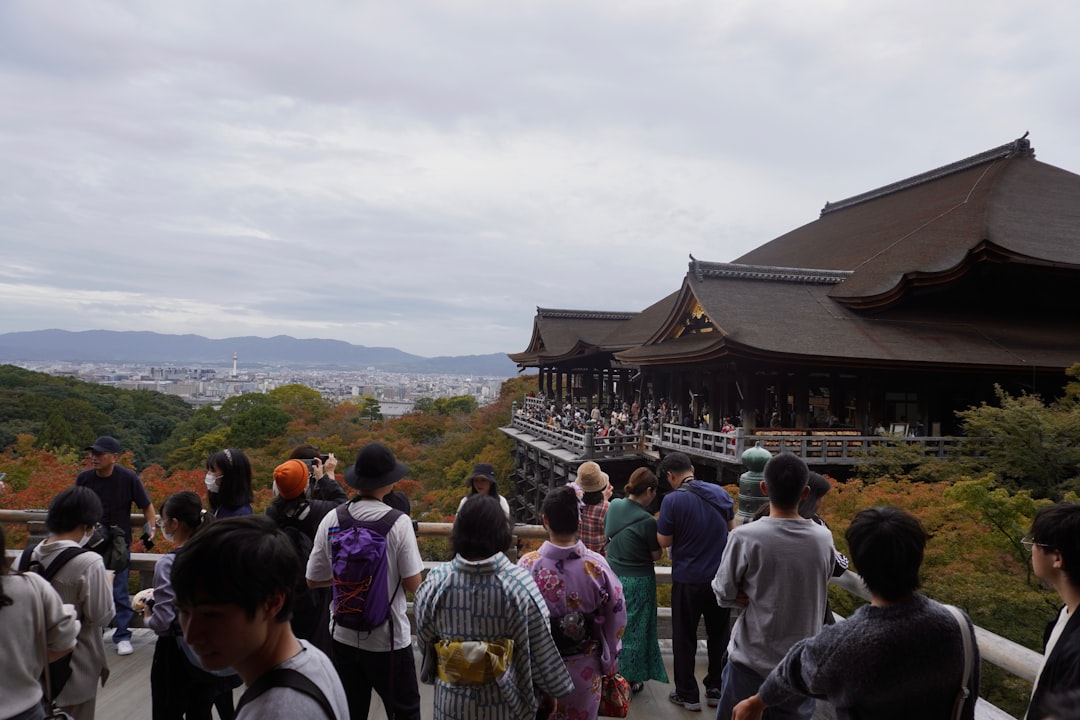
Famous spots get extremely crowded. Fushimi Inari Shrine sees overwhelming crowds. The famous torii gates become packed. Visitors can't take good photos. The experience suffers. Kinkaku-ji (Golden Pavilion) has similar issues. Long lines form every day. Kiyomizu-dera temple struggles with visitor numbers. These are ancient structures. Too many people cause damage. The UNESCO World Heritage Centre expressed concern. They worry about preservation.
Impact on Local Life
Residents face daily challenges. Narrow streets get blocked by tourists. Buses become too full. Locals can't use public transport easily. Gion district has special problems. This is the geisha area. Tourists follow geisha for photos. This is disrespectful. Some visitors enter private property. They ignore signs and rules. Traditional neighborhoods lose their charm. According to Japan National Tourism Organization, resident complaints increased 300% since 2019.
Environmental Damage
Overtourism hurts the environment. More visitors mean more trash. Plastic bottles pile up. Food waste increases. Air quality suffers from extra transportation. Historic gardens get trampled. Bamboo forests show wear. The city needs funds for cleanup. The tax provides this money.
Practical Tips for Travelers
How can you visit Kyoto despite the tax? Here are practical tips.
Budgeting for the Tax
Include the tax in your travel budget. It adds $7 per person, per night. For a 5-night trip for two people: 5 nights × 2 people × $7 = $70 extra. Plan for this expense. Consider staying fewer nights. Or choose cheaper accommodation to balance costs.
Avoiding Crowds
Visit popular sites early or late. Most crowds come between 10 AM and 4 PM. Arrive at opening time. Or visit near closing. Explore less famous temples. Kyoto has many hidden gems. Consider these alternatives:
- Instead of Fushimi Inari: Try Sennyu-ji Temple
- Instead of Kinkaku-ji: Visit Ryoan-ji Temple
- Instead of Kiyomizu-dera: Explore Kodai-ji Temple
Respecting Local Culture
Follow these rules for better experience:
- Don't photograph geisha without permission
- Stay on marked paths at temples
- Speak quietly in residential areas
- Use public transport during off-peak hours
- Carry your trash until you find bins
Step-by-Step Guide to Paying the Tax
Paying the tax is simple. Follow these steps:
- Book your accommodation in Kyoto
- Check the tax policy during booking
- Stay at your hotel, ryokan, or other lodging
- At checkout, staff will calculate the tax
- Pay the amount with your room charge
- Get a receipt showing tax payment
- Keep receipt for your records
Note: You cannot avoid the tax. All licensed accommodations must collect it. Trying to avoid payment could cause problems.
Real Examples and Case Studies
Let's see how the tax affects real travelers.
Family of Four from California
The Johnson family visited Kyoto for 4 nights. They stayed at a mid-range hotel. Before tax: $120 per night. With tax: $127 per night. Total tax for family: 4 people × 4 nights × $7 = $112. They said: "The tax was noticeable. But Kyoto was wonderful. We understand the need."
Solo Traveler from Australia
Sarah traveled alone for 7 nights. She stayed in a hostel. Tax added $49 to her trip. She commented: "The tax made me choose Kyoto for fewer nights. I added more time in Osaka instead."
Couple from Germany
Mark and Anna visited for 3 nights. They stayed in a luxury ryokan. Tax was $42 total. They noted: "The tax is small compared to our total cost. We support preserving Kyoto's beauty."
Statistics and Data Analysis
Here are important numbers about Kyoto tourism:
- Annual visitors to Kyoto: Over 50 million (source: Kyoto City Government)
- Pre-tax revenue from previous tax: Approximately $3.5 million yearly
- Projected revenue from new tax: Over $30 million yearly
- Percentage of visitors who are international: 30%
- Most crowded month: November (fall colors)
- Average hotel occupancy rate: 85%
- Number of UNESCO sites in Kyoto: 17
- Resident population of Kyoto: 1.4 million
These numbers show why action was needed. The visitor-to-resident ratio is very high. Preservation costs are substantial.
Frequently Asked Questions (FAQ)
1. Do day tourists pay the tax?
No. The tax only applies to overnight stays. If you visit Kyoto for the day, you don't pay. This includes cruise ship passengers on day trips.
2. Are there any exemptions?
Yes. Children under 12 don't pay. Also, people staying for work may be exempt. But tourists must pay regardless of age over 12.
3. Can I get a refund if I leave early?
No. The tax is charged per scheduled night. Even if you check out early, you pay for booked nights.
4. Does the tax apply to all Kyoto areas?
Yes. It applies throughout Kyoto city. This includes suburban areas and surrounding towns in Kyoto prefecture.
5. How is the tax money used?
The money has three main uses: preserving cultural sites, improving tourist facilities, and supporting local communities affected by tourism.
6. Will other Japanese cities follow Kyoto?
Maybe. Tokyo and Osaka are watching closely. If Kyoto's plan works, other cities might implement similar taxes.
7. Can I pay the tax in advance?
Sometimes. Some hotels let you prepay with your booking. Others collect at checkout. Ask your accommodation about their policy.
The Future of Tourism in Kyoto
What does this tax mean for Kyoto's future? City officials have a vision. They want quality over quantity. They prefer fewer visitors who stay longer. They want visitors who spend more money. They aim to spread tourism throughout the year. Currently, tourism peaks in spring and fall. The tax might encourage off-season travel. Kyoto plans to create new attractions. They will improve existing sites. The goal is sustainable tourism. This means tourism that can continue long-term. It doesn't damage the city. It benefits everyone. According to World Travel & Tourism Council, sustainable tourism is growing globally. Kyoto wants to be a leader in this area.
Conclusion: Embracing Change for Preservation
Kyoto's 900% tax increase is dramatic. But it is necessary. Overtourism threatens the city's unique culture. Historic sites need protection. Residents deserve quality of life. The tax provides funds for solutions. Travelers might pay more. But they get better experiences in return. Less crowding means more enjoyment. Preserved sites mean future generations can visit. We recommend embracing this change. Include the tax in your budget. Follow responsible tourism practices. Visit during off-peak times. Explore beyond the most famous spots. Kyoto remains a magical destination. The tax helps keep it that way. Other cities will watch Kyoto's experiment. It could become a model for managing tourism worldwide. Your visit contributes to preservation. That is something to feel good about. Plan your Kyoto trip with these changes in mind. You will have an amazing experience while supporting cultural preservation.