
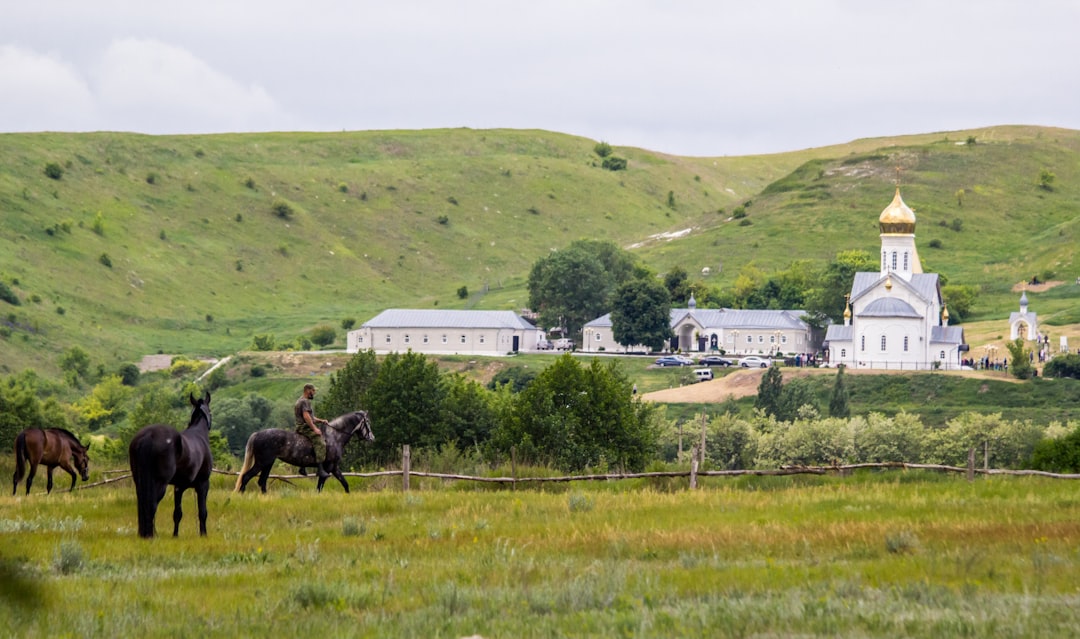
Kilchoan's Food Crisis: 20-Mile Journey for Hot Meals
Introduction: A Remote Community's Struggle
The small Scottish village of Kilchoan faces a serious problem. Residents must travel 20 miles just to get a hot meal. This situation highlights bigger issues in rural communities. Many villages across the UK struggle with similar challenges.
Kilchoan sits on the Ardnamurchan Peninsula in the Scottish Highlands. It is one of Britain's most remote mainland settlements. The community has about 100 residents. They rely heavily on local services that are disappearing.
The village lost its only hotel and restaurant during the COVID-19 pandemic. Since then, residents have no place to eat hot meals locally. Elderly people and those without cars face the biggest challenges. They must make the long journey to other towns for basic needs.
This story shows how rural isolation affects daily life. It also demonstrates the resilience of small communities. Kilchoan's residents continue to find solutions despite their difficulties.
The Geography of Isolation
Kilchoan's location creates natural barriers. The village sits at the western end of the Ardnamurchan Peninsula. This area is known for its beautiful but challenging landscape.
Remote Location Challenges
The peninsula extends into the Atlantic Ocean. Mountains and water surround the community. There are only a few roads connecting Kilchoan to other areas. These roads are narrow and winding.
Winter weather makes travel even harder. Snow and ice often close the roads. Ferry services become unreliable during storms. These conditions isolate residents for days or weeks at a time.
Population Distribution
The Highlands have one of the lowest population densities in Europe. According to National Records of Scotland, only 8 people live per square kilometer in some areas. This sparse distribution makes services expensive to provide.
Young people often leave for education and jobs. This creates an aging population in remote villages. Older residents need more services but have fewer options.
The Service Crisis in Rural Scotland
Kilchoan's situation is not unique. Many rural communities face similar problems. Services have been declining for years across rural Scotland.
Disappearing Local Services
Rural areas have lost many essential services. Post offices, banks, and shops have closed. Medical facilities are farther away. Public transportation has been reduced.
A Scottish Government report shows these trends. Rural communities have 40% fewer services than urban areas. This gap continues to grow each year.
Economic Pressures
Small businesses struggle in remote areas. Tourism helps during summer months. But winter brings financial challenges. Many businesses cannot survive year-round.
The COVID-19 pandemic made things worse. Several businesses closed permanently. Recovery has been slow in remote locations.
Daily Life in Kilchoan
Residents have adapted to their challenging circumstances. But daily life requires careful planning and effort.
Food Shopping Challenges
Kilchoan has a small community shop. It sells basic groceries. But fresh food options are limited. Residents must travel for variety and quality.
The nearest supermarket is in Fort William. This is a 80-mile round trip. Many residents make this journey weekly. They stock up on supplies for the coming days.
Transportation Difficulties
Not everyone owns a car. Public transportation is limited. There are only a few buses each day. The schedule does not always meet people's needs.
Elderly residents face special challenges. Some cannot drive long distances. Others find the journey physically difficult. They depend on neighbors for help.
Community Response and Solutions
Kilchoan's residents have not accepted their situation passively. They are working together to find solutions.
Community Initiatives
Local groups have started several projects. A community lunch program runs weekly. Volunteers cook meals for residents. This provides social connection and hot food.
The village hall hosts regular events. These include coffee mornings and shared meals. They help combat loneliness and isolation.
Technology Solutions
Some residents use online shopping services. But delivery to remote areas can be problematic. Companies often charge extra for remote addresses.
Community groups share information through social media. They coordinate shopping trips and errands. This helps everyone access what they need.
Government and Organizational Support
Various organizations are trying to help rural communities. Their efforts have mixed results.
Government Programs
The Scottish Government has rural support programs. These include funding for community projects. But accessing these funds can be complicated.
Local councils face budget constraints. They must prioritize services across large areas. Remote communities often receive less attention.
Charity Involvement
Organizations like Age UK help elderly residents. They provide transportation and meal services. But resources are limited.
Community land trusts have bought local assets. These trusts manage properties for community benefit. They help keep essential services available.
Practical Tips for Rural Communities
Other villages can learn from Kilchoan's experience. Here are practical steps communities can take.
Building Community Networks
- Create phone trees for emergency communication
- Start community car share programs
- Organize regular social events
- Develop volunteer networks
- Share skills and resources locally
Working with Local Government
- Attend council meetings regularly
- Form community action groups
- Document service needs clearly
- Build relationships with local representatives
- Use official complaint procedures when needed
Frequently Asked Questions
Why can't residents cook their own meals?
Most residents do cook at home. The problem is social isolation and limited options. Some elderly people struggle with cooking. Others want the social experience of eating out.
How far is 20 miles in travel time?
On Highland roads, 20 miles takes about 45-60 minutes. Narrow roads and poor weather can double this time. The journey is tiring and expensive.
What about food delivery services?
Most delivery services don't cover remote areas like Kilchoan. Those that do charge high fees. Frozen meals can be delivered but lack freshness.
Are there any plans for new local services?
Community groups are exploring options. These include a community cafe and food truck. Funding remains the biggest challenge for new projects.
How do elderly residents manage?
Many rely on family and neighbors. Community organizations provide some support. But gaps in service leave some people vulnerable.
What can people outside the community do to help?
Support local businesses when visiting. Donate to rural charities. Raise awareness about rural issues. Volunteer if you live nearby.
Is this situation common in other areas?
Yes, many rural communities face similar challenges. Remote areas across the UK report declining services. The problem affects thousands of people.
Real Examples from Other Communities
Other villages have found creative solutions to similar problems.
The Knoydart Community Response
Knoydart in the Scottish Highlands is only accessible by boat. The community runs its own foundation. This organization manages local services and development.
They operate a community shop and cafe. Volunteers ensure services continue. The foundation also runs environmental projects.
Welsh Valley Solutions
Some Welsh valleys have mobile services. Libraries, banks, and shops visit regularly. This brings services to remote communities.
Community buses take residents to towns. They coordinate trips for shopping and appointments. This reduces isolation and improves access.
Statistics and Data
Research shows the scale of rural service decline.
- 42% of rural parishes have no shop (Source: ACRE)
- Rural residents travel 50% farther for services (Source: UK Government)
- 30% of rural households have no car (Source: RAC Foundation)
- Public transport reduced by 25% in rural areas since 2010 (Source: Transport Focus)
- 60% of rural businesses report recruitment difficulties (Source: Federation of Small Businesses)
Step-by-Step Community Action Guide
Communities can follow these steps to address service gaps.
Step 1: Assess Local Needs
Survey residents about their needs. Identify the most urgent problems. Document current service availability.
Step 2: Build a Team
Recruit volunteers from the community. Include people with different skills. Establish clear roles and responsibilities.
Step 3: Research Solutions
Look at what other communities have done. Contact organizations that can help. Explore funding options.
Step 4: Develop a Plan
Create a realistic action plan. Set achievable goals. Identify necessary resources.
Step 5: Take Action
Start with small, manageable projects. Build momentum with early successes. Learn from mistakes and adapt.
Step 6: Maintain Momentum
Celebrate successes publicly. Recruit new volunteers regularly. Keep the community informed about progress.
Conclusion: Hope for Rural Communities
Kilchoan's story shows both challenges and opportunities. Rural communities face real difficulties. But they also demonstrate remarkable resilience.
The solution requires cooperation at all levels. Individuals must help each other. Communities need to organize effectively. Governments should provide appropriate support.
Technology offers new possibilities. Better internet access enables remote work. Online services can reach isolated areas. But technology alone is not enough.
Human connection remains essential. Community spirit sustains villages like Kilchoan. Neighbors helping neighbors makes daily life possible.
The journey for a hot meal symbolizes larger issues. It represents the extra effort rural residents make every day. But it also shows their determination to maintain their way of life.
With continued effort and innovation, rural communities can thrive. They can preserve their unique character while accessing essential services. The future depends on finding this balance.