
Kilchoan Crisis: The Village Fighting for Basic Services
Introduction: A Remote Community's Struggle
Kilchoan is a small village in Scotland. It sits on the beautiful Ardnamurchan peninsula. This area has stunning landscapes and quiet beaches. But life here is not easy. The villagers face a big problem. They must travel 20 miles for a hot meal. This is because their local services are disappearing.
The community has about 100 people. Many are elderly. They rely on local facilities. But these facilities are closing. The nearest hot meal service is now far away. This creates hardship for residents. They need to spend time and money on travel. Some cannot make the journey at all.
This situation shows a bigger issue. Rural communities across the UK are struggling. Services are moving to cities. Villages like Kilchoan are left behind. This article will explore their story. We will look at the causes and effects. We will also discuss possible solutions.
The Geography of Isolation
Where is Kilchoan?
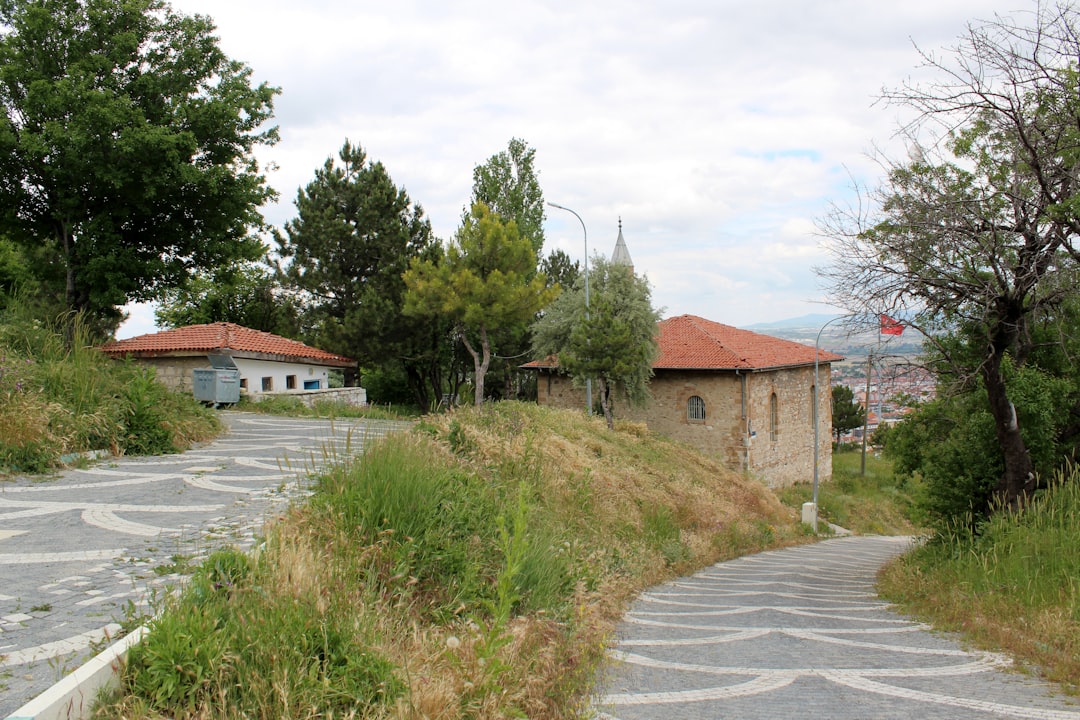
Kilchoan is in the Scottish Highlands. It is on the Ardnamurchan peninsula. This is the most westerly point of mainland Britain. The area is very remote. Mountains and sea surround the village. The landscape is beautiful but challenging.
According to Visit Scotland, the peninsula has few roads. The main road is single track. It has passing places. Driving here requires skill and patience. The journey to larger towns takes time. Weather can make travel dangerous.
Population Challenges
The population of Kilchoan is aging. Young people often move away. They seek education and jobs in cities. This leaves older residents behind. These older residents need more services. But they have fewer options.
Statistics from the National Records of Scotland show the trend. Rural areas are losing young people. The average age in Kilchoan is rising. This creates a service crisis. Businesses cannot survive with few customers.
The Service Crisis Unfolds
Disappearing Local Services
Kilchoan once had more services. There was a local shop. There was a post office. There was a community center. These places provided hot meals. They were social hubs. People could meet and eat together.
Now, many services have closed. The nearest hot meal service is in Strontian. This is 20 miles away. The journey takes about 45 minutes. For elderly residents, this is too far. They cannot drive that distance regularly.
Impact on Daily Life
The lack of services affects daily life. Elderly people struggle to eat well. They may rely on packaged food. This is not as healthy as hot meals. Social isolation increases. People miss the community contact.
According to Age UK, isolation is a serious problem. It can lead to poor health. It can cause depression. Hot meal services provide more than food. They provide company and support.
Community Response and Solutions
Local Initiatives
The community is not giving up. Residents are working together. They are trying to create solutions. Some ideas include:
- Community-run meal services
- Volunteer driver programs
- Mobile kitchen units
- Food delivery schemes
These initiatives need support. They require funding and volunteers. But they show community spirit. People want to help each other.
Government Support
Local government is aware of the problem. The Highland Council is involved. They are looking at options. But solutions take time. Bureaucracy can slow things down.
The Scottish Government has rural support programs. But accessing them is difficult. Small communities need help with applications. They need guidance and support.
Broader Implications for Rural Britain
A National Problem
Kilchoan's story is not unique. Many rural communities face similar issues. Services are centralizing in cities. Villages are left without basic facilities. This affects:
- Healthcare access
- Education opportunities
- Employment options
- Social connections
According to the Rural England Commission, this is a growing problem. Rural poverty is increasing. Isolation is becoming more common.
Economic Factors
Economics drive service closures. Running services in remote areas is expensive. Fewer customers mean higher costs per person. Businesses cannot make enough profit.
Public services face budget cuts. They must prioritize areas with more people. This leaves rural communities behind. It creates a cycle of decline.
Practical Tips for Supporting Rural Communities
How You Can Help
Even if you don't live in Kilchoan, you can help. Here are some practical tips:
- Support rural tourism - Visit areas like Kilchoan
- Buy local products - Support rural businesses
- Volunteer - Offer your skills to rural communities
- Donate - Support charities helping rural areas
- Advocate - Speak up for rural issues
Community Action Steps
If you live in a rural community, consider these steps:
- Organize community meetings
- Create volunteer networks
- Apply for grants and funding
- Partner with nearby communities
- Use technology to connect
Frequently Asked Questions
Why can't villagers cook their own meals?
Many elderly residents have mobility issues. Some cannot stand for long periods. Others have health conditions. Cooking becomes difficult. Hot meal services provide necessary support.
Why don't they move to towns with more services?
Kilchoan is their home. Many have lived there their whole lives. They have deep connections to the area. Moving means leaving friends and memories. It is not an easy decision.
What about meal delivery services?
Meal delivery services exist. But they are expensive. They may not reach remote areas. The cost is too high for many pensioners. Local solutions are needed.
How bad is the public transport?
Public transport is limited. There are few buses. They run on limited schedules. The routes may not connect well. Travel takes a long time. It is not reliable for daily needs.
What are the health impacts?
Poor nutrition affects health. Elderly people need balanced meals. Isolation causes mental health issues. The situation creates physical and emotional stress.
Are there any immediate solutions?
Community volunteers are helping. They are organizing meal shares. They are providing transport. But these are temporary fixes. Long-term solutions are needed.
How can people outside help?
People can donate to local charities. They can volunteer if nearby. They can raise awareness online. Political pressure can also help. Every bit of support matters.
Real Examples and Statistics
Case Study: The Community Cafe
One nearby village started a community cafe. Volunteers run it two days a week. They serve hot meals at low cost. The cafe became a social hub. It reduced isolation. It improved nutrition.
According to Scottish Government data, such projects work well. They need community support. They create multiple benefits.
Rural Service Statistics
- 40% of rural shops have closed since 2010
- Rural residents travel 50% further for services
- Elderly isolation affects 1 in 3 rural pensioners
- Public transport has reduced by 30% in rural areas
Sources: Rural Services Network, Office for National Statistics
Step-by-Step Guide: Starting a Community Meal Service
Step 1: Assess Community Needs
Talk to your neighbors. Find out who needs help. Learn what services they want. Create a survey if helpful.
Step 2: Find Volunteers
Ask people to help. You need cooks, drivers, and organizers. Even small contributions matter.
Step 3: Secure a Location
Find a place to prepare meals. A community hall or church might work. Ensure it has kitchen facilities.
Step 4: Plan the Menu
Create simple, nutritious meals. Consider dietary needs. Keep costs low. Use local ingredients when possible.
Step 5: Arrange Transport
Organize rides for those who need them. Coordinate with volunteer drivers. Plan safe routes.
Step 6: Start Small
Begin with one or two days a week. Learn as you go. Expand gradually as you gain experience.
Step 7: Seek Funding
Apply for grants from local government. Approach charities. Ask for community donations.
Conclusion: Hope for the Future
The situation in Kilchoan is difficult. But there is hope. The community is strong. People are working together. They are finding creative solutions.
Rural communities face unique challenges. They need special support. Government policies should recognize this. Local initiatives deserve funding and recognition.
We can all play a part. We can support rural areas. We can visit them. We can buy their products. We can advocate for their needs. Every action helps.
Kilchoan's story is important. It reminds us of the value of community. It shows the importance of looking after each other. Let's hope they find the solutions they need.