
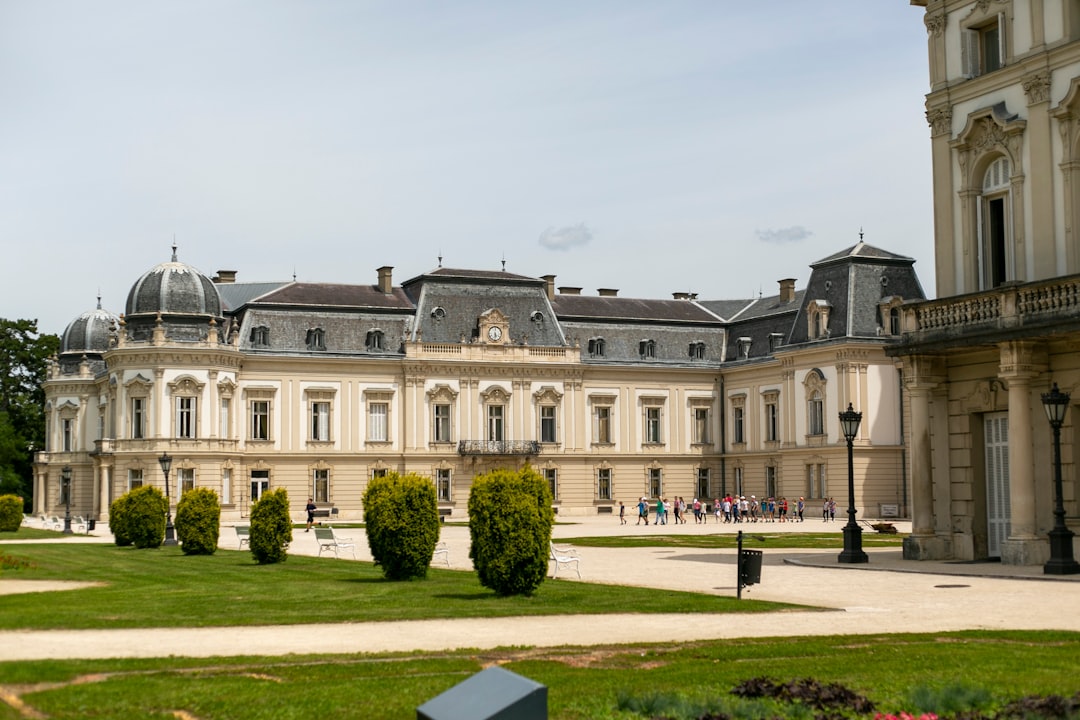
Inside a French Chateau: Luxury, Ghosts & Wine
Introduction: Stepping Into a Fairytale
I pushed open the heavy wooden door. The sound echoed through the grand hall. Before me stood a staircase that seemed to touch the sky. Crystal chandeliers sparkled above. Tapestries covered the walls showing scenes from history. This was not a museum. This was my home for the next week.
Staying in a French chateau feels like entering another world. These historic castles dot the French countryside. Many date back centuries. They have witnessed wars, royal parties, and family dramas. Today, many chateaux welcome guests. You can sleep in rooms where nobles once lived.
My journey began with research. I found Château de la Roche through a specialty booking site. The photos showed a magnificent stone building. It had turrets and a moat. The price was surprisingly affordable. I booked my stay with both excitement and nervousness.
The drive through the French countryside was beautiful. Rolling hills covered in vineyards. Small villages with stone houses. Then I saw it. The chateau stood on a hill overlooking a river. It was even more impressive in person. The stone walls glowed in the afternoon sun.
This review will share everything about my stay. From the luxury to the unexpected moments. You will learn what it really feels like to live like royalty. Even if just for a few days.
Finding the Perfect Chateau: A Step-by-Step Guide
Choosing the right chateau takes research. France has over 40,000 castles and mansions. About 500 of these welcome overnight guests. Prices range from budget to ultra-luxury. Here is how to find your perfect match.
Determine Your Budget
Chateau stays vary widely in price. You can find rooms for under $150 per night. Luxury suites can cost over $1000. Consider what matters most to you. Is it the history? The amenities? The location?
Budget options often have shared bathrooms. They might be in smaller chateaux. Luxury options include private pools and gourmet meals. Mid-range stays offer the best balance for most travelers.
Choose Your Region
France has several famous chateau regions. The Loire Valley is called the "Garden of France." It has the highest concentration of chateaux. The Dordogne region offers medieval castles. Provence has sun-drenched palaces.
Consider what else you want to do. Wine tasting? Choose Bordeaux or Burgundy. Beach trips? Look at Normandy. City access? Stay near Paris.
Research Amenities
Not all chateaux offer the same features. Make a list of what you need:
- Private bathroom
- Air conditioning
- Wi-Fi access
- Swimming pool
- On-site restaurant
- Parking facilities
Many historic buildings lack modern comforts. Thick stone walls mean poor cell service. Some chateaux don't have elevators. Be prepared for stairs.
Read Recent Reviews
Check multiple booking platforms. Read both positive and negative reviews. Look for patterns. Do many guests mention the same issues? Are there consistent compliments?
Pay attention to photos. Do they match the description? Look for pictures taken by guests. These often show the real condition.
My Chateau Experience: A Day in the Life
Each day at the chateau followed a lovely rhythm. Mornings began with birdsong. Evenings ended with stargazing. Here is what a typical day looked like.
Morning: Waking Up in History
Sunlight filtered through centuries-old windows. My room had original 18th-century furniture. The bed was enormous with a carved wooden headboard. I woke to the smell of fresh bread from the kitchen.
Breakfast was served in the morning room. Long tables held baskets of croissants and baguettes. There were homemade jams and local honey. Coffee came in silver pots. The owner joined guests for conversation.
After breakfast, I explored the grounds. Formal gardens stretched behind the chateau. Hedge mazes and fountains created peaceful spaces. Stone benches offered spots for reading. The air smelled of roses and damp earth.
Afternoon: Adventures and Relaxation
Lunch was light – usually salads and cheese. Then I would choose an activity. Some days I visited nearby towns. Other days I stayed at the chateau.
The pool area became my favorite spot. The infinity pool seemed to merge with the valley below. Loungers were set up under ancient trees. I spent hours reading and swimming.
One afternoon, the owner gave a history tour. He showed us secret passages. He pointed out architectural details. We learned about the families who built the chateau. Their stories came alive in the rooms where they lived.
Evening: Royal Treatment
Evenings felt truly special. Guests dressed for dinner. The dining hall glowed with candlelight. Long tables were set with fine china. Silverware sparkled beside crystal glasses.
Dinner was multiple courses. Each dish featured local ingredients. Wines came from nearby vineyards. Conversation flowed easily among guests. We shared stories from our travels.
After dinner, we moved to the library. Comfortable chairs surrounded a large fireplace. Some guests played board games. Others sipped cognac and talked. The atmosphere was both elegant and cozy.
The Unexpected Realities of Chateau Life
Not everything about chateau living meets fairy-tale expectations. Historic buildings come with quirks. Here are some surprises I encountered.
Temperature Challenges
Stone buildings stay cool in summer. But they can be chilly at night. Even in August, I needed extra blankets. Some rooms had fireplaces for cooler evenings.
Only a few chateaux have air conditioning. Thick walls provide natural cooling. But during heatwaves, rooms can become uncomfortable. Ask about temperature control before booking.
Modern Conveniences
Wi-Fi was available but unreliable. The stone walls blocked signals in some areas. My phone service barely worked. This became a blessing in disguise. I disconnected from digital life.
Bathrooms were modern but quirky. My shower had amazing water pressure. But the plumbing made strange noises. The toilet was in a separate room from the shower.
The Ghost Stories
Many chateaux have ghost legends. My chateau was no exception. Staff mentioned a "friendly spirit" in the east wing. Other guests reported strange sounds at night.
I never saw anything supernatural. But the atmosphere at night was spooky. Long hallways with flickering lights. Creaking floorboards. It added to the adventure.
Cost Breakdown: Is a Chateau Stay Affordable?
Many people assume chateau stays are only for the wealthy. This is not true. With planning, most travelers can afford the experience. Here is what I spent.
Accommodation Costs
My room cost $220 per night. This included breakfast. Similar hotels in the area charged $150-$180. The chateau offered better value for the unique experience.
According to France Voyage, average chateau prices range from $150 to $400 per night. Luxury properties can exceed $1000. Budget options start around $100.
Additional Expenses
Dinner at the chateau cost $60 per person. This included three courses with wine. Local restaurants charged $30-$40 for similar meals. The atmosphere justified the higher price.
Other costs included:
- Gas for day trips: $40
- Entrance fees to attractions: $60
- Souvenirs and extras: $50
- Parking: Free at the chateau
Money-Saving Tips
You can reduce costs with these strategies:
- Travel during shoulder season (April-May or September-October)
- Book directly with the chateau for possible discounts
- Choose rooms with shared bathrooms
- Skip the on-site dinner some nights
- Look for special offers on booking sites
Practical Tips for Your Chateau Stay
These tips will help you make the most of your experience. They come from my personal mistakes and discoveries.
Packing Essentials
Pack more than you would for a hotel. Chateaux often lack shops nearby. Bring these items:
- Comfortable walking shoes for exploring
- A flashlight for night time
- Warm clothes for cool evenings
- Books or games for entertainment
- Power bank for charging devices
- Basic first aid supplies
Etiquette and Behavior
Chateau living has unwritten rules. Be respectful of these guidelines:
- Dress nicely for dinner – no shorts or t-shirts
- Keep noise levels low, especially at night
- Ask before taking photos of private areas
- Respect historical artifacts – don't touch delicate items
- Be punctual for meals – they often serve at set times
Making the Most of Your Stay
Don't just sleep at the chateau. Immerse yourself in the experience:
- Talk to the owners – they know the best local secrets
- Explore every corner – discover hidden gardens and rooms
- Take time to just be present – sit and absorb the atmosphere
- Meet other guests – share stories over wine
- Keep a journal – record your impressions each day
FAQ: Answers to Common Questions
Are chateau stays suitable for families with children?
Many chateaux welcome families. But check their policies first. Some have age restrictions. Others offer family suites. Look for chateaux with swimming pools and gardens. These keep children entertained.
How far in advance should I book?
Popular chateaux book months ahead. Reserve at least 3-4 months early. For summer visits, book 6 months ahead. Last-minute deals sometimes appear. But don't count on them.
Do I need to speak French?
Most chateau staff speak English. But learning basic French phrases helps. It shows respect for the culture. Simple greetings and thank yous go a long way. Locals appreciate the effort.
What is the best time of year to visit?
Spring and fall are ideal. The weather is pleasant. Crowds are smaller. Gardens bloom in spring. Fall offers beautiful foliage. Summer can be hot and crowded. But it has the most activities.
Are chateaux accessible for people with mobility issues?
Most historic chateaux have limited accessibility. Stairs are common. Elevators are rare. Some have ground-floor rooms. Always inquire about specific needs before booking.
Can I get married at a French chateau?
Many chateaux host weddings. They make magical venues. Planning takes time. Book at least a year in advance. Costs vary widely. Some chateaux have wedding packages.
Is the food always French cuisine?
Most chateaux serve traditional French food. But many accommodate dietary needs. Inform them of restrictions when booking. Some chateaux offer cooking classes. You can learn to make local dishes.
Real Examples: Three Chateaux to Consider
These chateaux represent different styles and price points. I researched them thoroughly during my planning.
Château de la Roche (Where I Stayed)
This 18th-century chateau sits in the Loire Valley. It has 12 guest rooms. Prices start at $190 per night. The owners live on site. They offer wine tastings and history tours. The gardens are spectacular.
Château de Gudanes
This castle in the Pyrenees became famous on social media. An Australian family is restoring it. They offer unique stays in partly-restored rooms. Prices are reasonable. The experience is authentic and rustic.
Château de Bagnols
For luxury seekers, this 13th-century castle is perfect. It has a spa and gourmet restaurant. Rooms start at $500 per night. The property includes formal gardens and a moat. It feels truly royal.
Statistics and Data About French Chateaux
Understanding the scale of France's chateau heritage helps appreciate the experience. Here are key facts from French Chateau Association.
- France has over 40,000 castles and historic mansions
- About 500 chateaux offer overnight accommodation
- The Loire Valley contains the highest density – over 300 chateaux
- Average restoration cost for a chateau: $1-3 million
- Tourism generates 60% of revenue for most chateaux
- 75% of chateau guests are international visitors
- Average stay length: 2.3 nights
- Most popular months: June, July, and August
Conclusion: More Than a Vacation
My week in the French chateau changed how I view travel. It wasn't just a place to sleep. It was an immersion in history and culture. Each day brought new discoveries. From the taste of local wine to the stories in the walls.
The experience taught me to slow down. Modern life moves too fast. In the chateau, time felt different. Meals lasted hours. Conversations mattered. I noticed small details – the pattern of sunlight on stone floors, the scent of old books in the library.
Yes, there were inconveniences. The Wi-Fi was spotty. The nights were cool. But these became part of the charm. They reminded me I was somewhere special. Somewhere real with history and character.
If you're considering a chateau stay, I say go for it. Do your research. Set realistic expectations. Then embrace the adventure. Talk to the owners. Explore the grounds. Taste the local food. Soak in the atmosphere.
You'll return home with more than photos. You'll carry memories of living differently. Of stepping into history. Of feeling, even briefly, like royalty. And that is worth every euro.
Ready for your own chateau adventure? Start planning today. Check out our France travel guide for more tips. Or browse our European stories for inspiration. Your fairy-tale vacation awaits.