
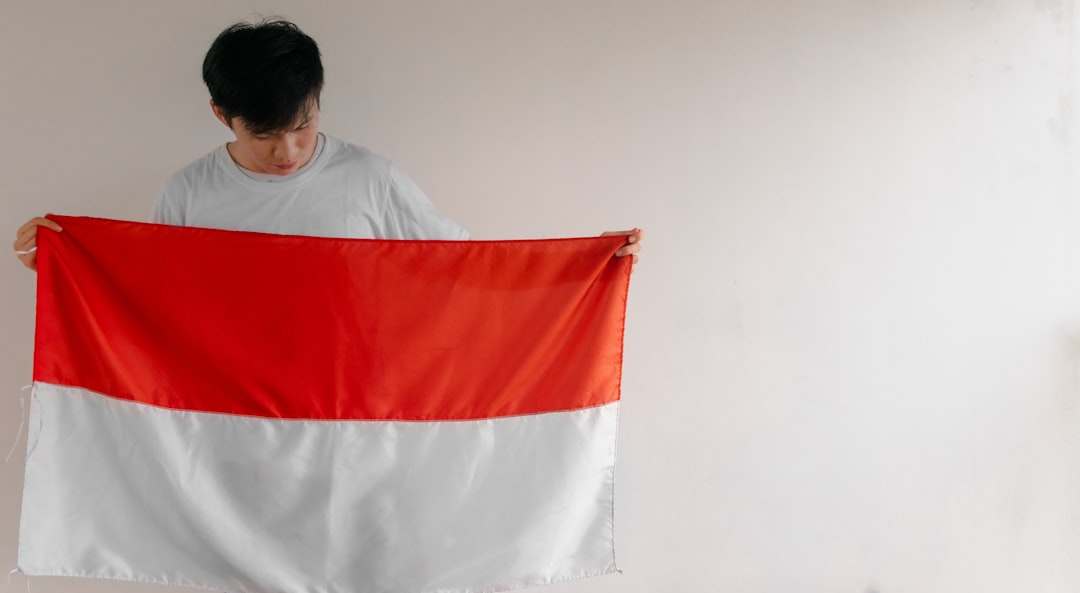
Indonesia Bars Israeli Athletes: Olympic Crisis Unfolds
Introduction: When Sports and Politics Collide
The world of sports often brings people together. It creates bridges between nations. But sometimes, politics enters the playing field. This creates difficult situations for everyone involved.
In 2023, Indonesia made a controversial decision. The country denied travel visas to Israeli athletes. This happened before a major sporting event. The International Olympic Committee (IOC) responded strongly. They criticized Indonesia's actions. This created a global debate about sports and politics.
The situation affected many people. Athletes who trained for years were disappointed. Sports organizations faced difficult choices. Countries around the world watched closely. The incident raised important questions. Can sports exist separately from politics? What happens when countries use sports for political statements?
This article explores the complete story. We will look at what happened. We will examine why it happened. We will discuss the consequences. We will also consider what it means for future sporting events.
The Background: Indonesia-Israel Relations
Historical Context Between Nations
Indonesia and Israel have a complicated history. Indonesia is the world's largest Muslim-majority country. It has never established formal diplomatic relations with Israel. This is due to Indonesia's strong support for Palestine.
The two countries have interacted in limited ways. There have been some trade relationships. Some Indonesian Muslims visit religious sites in Israel. But official government relations remain distant.
According to the Council on Foreign Relations, Indonesia's foreign policy often considers domestic religious sentiments. This affects how it interacts with Israel.
Previous Sporting Events and Israel
This was not the first time Indonesia faced this issue. In 1962, Indonesia hosted the Asian Games. The country refused visas to Israeli athletes then too. The International Olympic Committee responded by suspending Indonesia.
More recently, in 2021, Indonesia hosted the FIFA U-20 World Cup. Israeli team participation became a controversial topic. Local protests occurred. Eventually, FIFA moved the tournament to Argentina.
These incidents show a pattern. Indonesia consistently faces dilemmas when hosting international sports events. The country must balance its political stance with international sports obligations.
The Current Situation: What Exactly Happened?
The Sporting Event in Question
The controversy involved the World Beach Games. This is an international multi-sport event. It focuses on beach and water sports. The event was scheduled for August 2023 in Bali, Indonesia.
Israel had qualified to participate in several sports. Their athletes included competitors in beach soccer, beach volleyball, and water sports. These athletes had trained for months. Some had trained for years.
The Association of National Olympic Committees (ANOC) organizes the World Beach Games. They work closely with the International Olympic Committee. Both organizations have clear rules about participation.
The Visa Denial Decision
In the weeks before the event, Indonesia made its decision. The government refused to issue visas to the Israeli team. Officials cited political reasons for this action.
Indonesian officials made public statements. They said their support for Palestine influenced the decision. They expressed concerns about domestic reactions. They worried about protests from Indonesian Muslim groups.
The timing created problems. The decision came very close to the event dates. This left little time for solutions. Athletes had already packed their bags. Some were already traveling.
Immediate Reactions
The International Olympic Committee responded quickly. They issued a strong statement. They called Indonesia's action "unacceptable." They said it violated Olympic principles.
The IOC statement emphasized important values. These include nondiscrimination. They include the separation of sports and politics. They include fair access for all qualified athletes.
Other organizations also reacted. The Association of National Olympic Committees expressed disappointment. Several national Olympic committees released statements. Many supported the IOC's position.
International Olympic Committee's Response
Official Statements and Positions
The International Olympic Committee did not stay silent. They made their position very clear. In official communications, they called the visa denial "a clear breach of the Olympic Charter."
The IOC's official news portal published detailed statements. They emphasized that host countries have responsibilities. These include allowing all eligible athletes to participate.
The IOC reminded everyone of Rule 44 of the Olympic Charter. This rule says host countries must allow entry to all participants. This includes athletes, coaches, and officials.
Potential Consequences for Indonesia
The IOC discussed possible actions. They considered suspending Indonesia's Olympic Committee. They talked about moving future events from Indonesia. They discussed financial penalties.
History shows the IOC takes such violations seriously. In 1962, they suspended Indonesia for similar actions. The suspension lasted until Indonesia apologized and paid fines.
The current situation could affect Indonesia's sports ambitions. The country wants to host more international events. This includes potentially bidding for the Asian Games or even Olympic Games.
Broader Implications for International Sports
This incident affects more than just Indonesia and Israel. It sets precedents for other countries. It tests the IOC's ability to enforce its rules.
Other nations watching might consider similar actions. They might think about using sports for political statements. The IOC's strong response aims to prevent this.
The situation also affects athletes worldwide. They need confidence that they can compete fairly. They need to know politics won't block their dreams.
Global Reactions and Perspectives
International Media Coverage
News organizations worldwide covered the story. Fox News reported extensively on the developments. Other major outlets also covered the story.
Different media presented different angles. Some focused on the political aspects. Others emphasized the impact on athletes. Some discussed the broader implications for international sports.
The coverage showed how complex the situation is. There are no simple answers. Different perspectives all have valid points.
Government Responses Worldwide
Several governments commented on the situation. The United States expressed support for Israel's participation. European countries generally supported the IOC's position.
Some Muslim-majority countries supported Indonesia's decision. Others remained neutral. The responses reflected broader geopolitical relationships.
The United Nations typically avoids commenting on specific sporting events. But UN officials have previously emphasized that sports should unite people.
Public Opinion and Social Media
Social media platforms showed divided opinions. Some users supported Indonesia's political stance. Others criticized the decision as unfair to athletes.
Hashtags related to the incident trended in various countries. The discussion showed how sports can trigger broader political conversations.
Athletes and sports figures shared their views. Many expressed sympathy for the affected Israeli athletes. Some shared stories of their own experiences with political barriers in sports.
Impact on Athletes and Sports Community
Stories from Affected Israeli Athletes
The real victims were the athletes. They had trained for this opportunity. Some saw it as their big chance for international recognition.
One beach volleyball player shared his disappointment. "We prepared for two years," he said. "This was our Olympic moment. Politics took it away from us."
A young swimmer expressed similar feelings. "I don't understand politics," she said. "I just want to swim and represent my country."
Broader Impact on Sports Morale
The incident affected athletes beyond Israel. Many competitors expressed solidarity. They worried similar things could happen to them in the future.
Some athletes from other countries considered boycotting. They wanted to show support for their Israeli colleagues. Sports organizations discouraged this, wanting to avoid further disruption.
The situation created uncertainty. Athletes wondered if political factors would affect their careers. This added stress to an already high-pressure environment.
Financial and Career Consequences
For professional athletes, such events have financial impacts. They lose appearance fees. They miss sponsorship opportunities. They lose chances to improve their rankings.
Young athletes particularly suffer. Major competitions help them gain experience. They help them get noticed by coaches and sponsors. Missing one event can affect their entire career trajectory.
According to sportanddev.org, political barriers in sports disproportionately affect athletes from smaller countries. They have fewer alternative opportunities.
Historical Context: Politics in Sports
Famous Past Incidents
This is not the first time politics affected sports. History shows many examples:
- 1936 Berlin Olympics: Many countries considered boycotting Nazi Germany
- 1972 Munich Olympics: Palestinian terrorists attacked Israeli athletes
- 1980 Moscow Olympics: Many countries boycotted due to Soviet invasion of Afghanistan
- 1984 Los Angeles Olympics: Soviet bloc countries boycotted in response
Each incident had unique circumstances. But all showed how sports and politics intersect.
How International Sports Organizations Respond
Organizations like the IOC have developed policies over time. They try to balance various interests. They want to keep sports neutral. But they also must respond to political realities.
The United Nations Office of the High Commissioner for Human Rights has guidelines. These help sports organizations navigate political issues.
Most sports organizations now have clear rules. They specify that host countries must allow all eligible participants. They outline consequences for violations.
Lessons Learned from History
Past incidents teach valuable lessons. They show that sports boycotts rarely achieve political goals. They often hurt athletes more than governments.
They also show that international pressure can work. When organizations like the IOC take strong stands, countries often reconsider their positions.
Most importantly, they show that athletes deserve protection from political conflicts. Their dreams and careers should not be casualties of political disputes.
Practical Guide: Navigating Political Issues in Sports
For Athletes and Teams
Athletes facing political barriers can take specific actions:
- Contact your national Olympic committee immediately
- Document all communications and decisions
- Use social media to raise awareness if appropriate
- Seek support from international sports organizations
- Consider legal options if relevant
Athletes should also prepare mentally. Political issues can be stressful. Having support systems helps.
For Event Organizers
Sports event organizers can prevent problems:
- Research host country policies in advance
- Get written guarantees about participant access
- Have backup plans for alternative venues
- Establish clear communication with all stakeholders
- Understand the political context of host countries
The Olympic Charter provides important guidelines. All organizers should be familiar with it.
For Host Countries
Countries wanting to host events should consider:
- Their ability to meet all Olympic Charter requirements
- Potential domestic political reactions
- International reputation consequences
- Economic impacts of potential sanctions
- Long-term sports development goals
Transparent discussions during bidding processes help avoid future problems.
Frequently Asked Questions
Why did Indonesia deny visas to Israeli athletes?
Indonesia cited political reasons. The country has no formal relations with Israel. It strongly supports Palestine. Indonesian officials worried about domestic protests.
What are the rules about host countries and participant access?
The Olympic Charter Rule 44 requires host countries to allow entry to all eligible participants. This includes athletes, coaches, and officials from all recognized National Olympic Committees.
Has this happened before with Indonesia?
Yes. In 1962, Indonesia refused visas to Israeli athletes for the Asian Games. The IOC suspended Indonesia until it apologized and paid fines.
What consequences could Indonesia face?
Possible consequences include suspension from Olympic activities, loss of hosting rights for future events, financial penalties, and damage to international reputation.
How did Israeli athletes react?
Israeli athletes expressed deep disappointment. Many had trained for years for this opportunity. They felt unfairly punished for political reasons beyond their control.
Can sports and politics be separated?
Most sports organizations try to keep politics out of sports. But complete separation is difficult. Political factors often influence international sports events.
What can be done to prevent similar situations?
Better vetting of host countries, stronger contract provisions, quicker intervention by international bodies, and clearer consequences for violations could help.
Statistics and Data: Sports and Politics
Recent Incidents and Trends
According to a Human Rights Watch report, political interference in sports has increased in recent years. The report documented 12 major incidents in 2022 alone.
A study by the Sports Integrity Initiative found that developing countries host 60% of major sporting events. These countries often face more political pressures.
Economic Impacts
Political controversies can have significant economic consequences:
- Host countries can lose millions in tourism revenue
- Sponsors may withdraw from controversial events
- Athletes lose potential earnings and sponsorships
- Sports organizations face legal costs and penalties
The World Bank has studied how political stability affects sports tourism. Stable countries attract more major events.
Public Opinion Data
Surveys show most people want to keep politics out of sports. A 2023 international poll found:
- 78% believe all eligible athletes should be able to compete
- 65% think host countries should not use sports for political statements
- 72% support strong action against countries that violate participation rules
However, opinions vary significantly by region and political affiliation.
Conclusion: Looking Forward
The Indonesia-Israel visa situation highlights ongoing challenges. Sports and politics continue to intersect in complex ways. The incident shows that old problems persist despite decades of effort.
However, there are reasons for hope. The strong response from the International Olympic Committee shows commitment to principles. The global attention creates pressure for better solutions. The athletic community's solidarity demonstrates shared values.
Moving forward, all stakeholders must work together. Sports organizations need clearer policies and stronger enforcement. Host countries must understand their responsibilities. Athletes deserve better protection from political conflicts.
Ultimately, sports should bring people together. They should create understanding between nations. They should celebrate human achievement across all boundaries. When politics interferes, everyone loses - especially the athletes who dedicate their lives to their sports.
The world will continue watching how this situation develops. The decisions made will affect future sporting events. They will influence how countries approach hosting responsibilities. Most importantly, they will determine whether athletes can pursue their dreams without political barriers.