
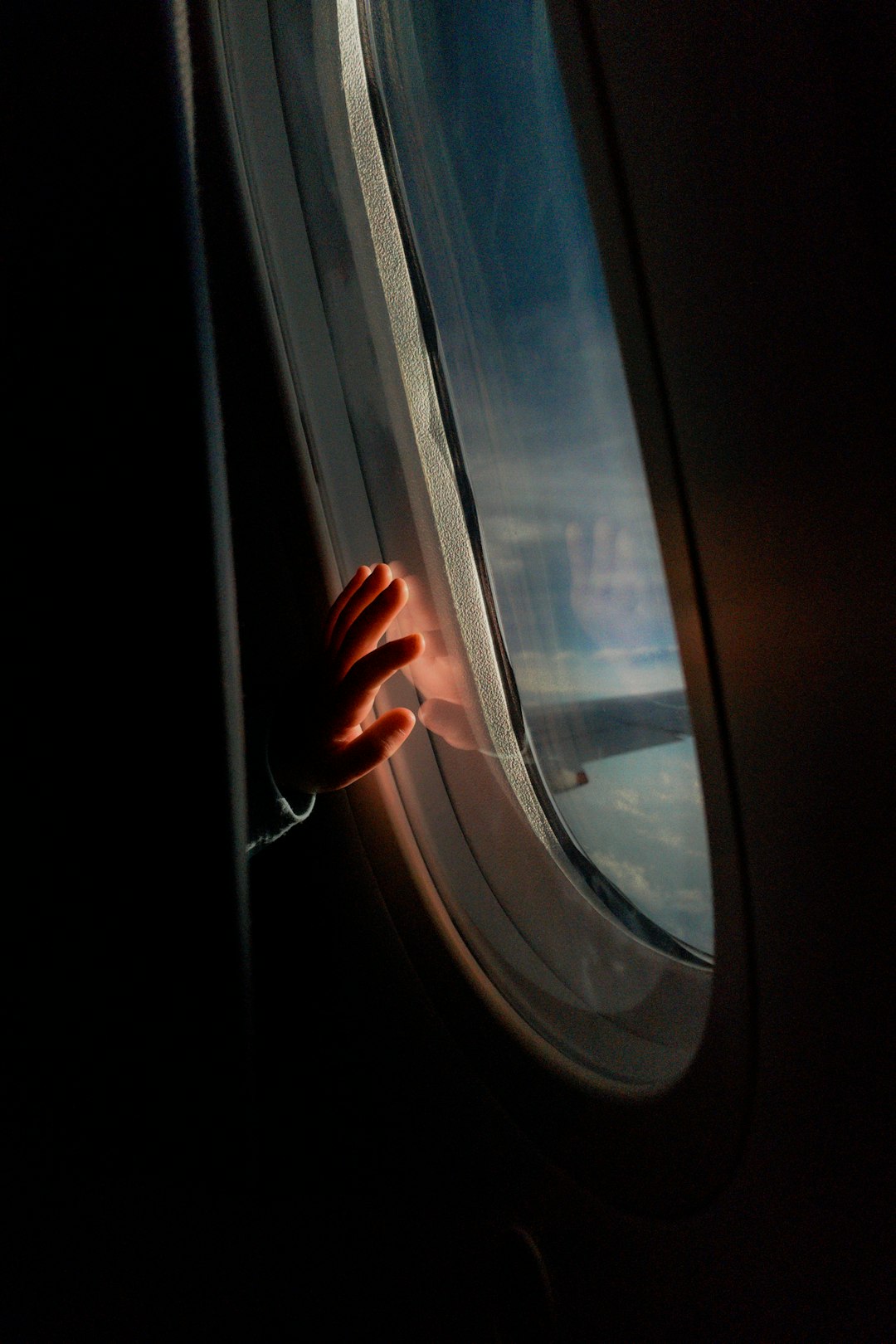
How I Conquered My Flight Fear With Science
Introduction: A Travel Writer Who Hated Flying
I love traveling. I write about beautiful places. But I had a big problem. I was scared of flying. My heart would race. My hands would sweat. I felt sick before every flight. This made my job very hard. How could I be a travel writer if I feared flying? I tried many things to feel better. Nothing worked well. Then I found a science-based tool. It changed everything for me. Now I want to share my story. I hope it helps you too.
Flight fear is very common. About 25% of people feel nervous about flying. Some have full panic attacks. This fear can stop people from traveling. It can ruin vacations. It can hurt careers. But there is hope. Science can help us understand our fear. Then we can beat it. My journey was long but worth it. Today I fly with confidence. I want to show you how.
This tool uses proven methods. It is based on psychology research. It helped me understand what happens during flights. It taught me how to stay calm. The best part? Anyone can use it. You don't need special training. You just need an open mind. Let me share everything I learned.
Understanding Flight Anxiety: The Science Behind Fear
What Happens in Your Brain When You're Scared
Fear is a natural response. It keeps us safe from danger. But sometimes it activates when there is no real threat. This is what happens with flight fear. Your brain thinks flying is dangerous. It sends signals to your body. Your heart beats faster. You breathe quickly. Your muscles get tense. This is called the fight or flight response.
Scientists have studied this reaction. The amygdala in your brain controls fear responses. When it senses danger, it takes over. It doesn't always know what is truly dangerous. For flying, the amygdala is wrong. Flying is very safe. But your brain doesn't know that. You need to teach it the truth.
Why Flying Feels Scary Even Though It's Safe
Flying is one of the safest ways to travel. The numbers prove this. You are more likely to get hurt driving to the airport than flying. But our brains don't understand statistics. They respond to feelings and sensations. Several things make flying feel scary:
- You are not in control
- You are in a small space
- You hear strange noises
- You feel turbulence
- You can't leave when you want to
These feelings trigger ancient survival instincts. Your brain thinks you are trapped. It wants to escape. This creates anxiety. Understanding this helped me a lot. I learned my fear was normal. But it was based on false alarms.
The Science-Backed Tool That Changed Everything
What Is This Amazing Tool?
The tool is called cognitive behavioral therapy (CBT). It is a psychological treatment. It helps change thought patterns. CBT is proven to work for anxiety. Many studies support its effectiveness. It doesn't use medication. It uses thinking exercises. You learn to identify scary thoughts. Then you challenge them with facts.
I found a CBT program made for flight fear. It was developed by psychologists. It uses simple exercises. You can do them anywhere. The program taught me step by step. I learned why I felt scared. I learned how to calm myself. The results were amazing. After a few weeks, I felt much better.
How CBT Works for Flight Fear
CBT addresses the root of fear. It doesn't just hide symptoms. It changes how you think about flying. The process has three main parts:
- Identify negative thoughts about flying
- Challenge these thoughts with evidence
- Replace them with realistic thoughts
For example, I used to think "This plane will crash." CBT taught me to ask "What is the evidence?" The evidence shows flying is extremely safe. I learned to think "This is very safe. I will be okay." This simple change made a huge difference.
My Step-by-Step Journey to Overcoming Fear
Week 1: Understanding My Fear
The first week was about learning. I read about how planes work. I learned about safety features. Modern planes have many backup systems. They can fly with one engine. They are built to handle turbulence. This knowledge helped me feel safer.
I also started a fear journal. I wrote down my scary thoughts. I noted when they happened. I recorded how my body felt. This helped me see patterns. I noticed my fear was worst before flights. During flights, I often felt better. This was important information.
Week 2: Learning Relaxation Techniques
The second week focused on calming my body. I learned deep breathing exercises. When you breathe slowly, your body relaxes. Your heart rate slows down. I practiced this every day. I also learned progressive muscle relaxation. This involves tensing and relaxing different muscle groups. It reduces physical tension.
These techniques became my tools. I used them when I felt anxious. They worked quickly. I could feel my body calming down. This was empowering. I finally had control over my physical reactions.
Week 3: Changing My Thoughts
Week three was the most challenging. I worked on changing my thinking. I had to confront my fears directly. I used the CBT techniques I learned. When I had a scary thought, I would examine it. I would look for evidence. Most times, there was no real evidence for my fear.
For example, I thought turbulence meant danger. I learned turbulence is normal. It is like bumps on a road. Planes are designed to handle it. This new knowledge replaced my old fear. It took practice, but it worked.
Week 4: My First Fear-Free Flight
The fourth week was my first test. I booked a short flight. I used all my new tools. I practiced breathing exercises at the airport. I used my new thinking skills during the flight. It wasn't perfect, but it was much better. I didn't panic. I stayed calm throughout the flight.
This success built my confidence. I knew I could do it again. Each flight became easier. Now I fly without fear. I even enjoy it sometimes. The window views are amazing.
Practical Tips You Can Use Today
Before Your Flight
Preparation is key to reducing anxiety. Here are things you can do before flying:
- Choose a comfortable seat (aisle seats help some people)
- Pack familiar comfort items
- Get plenty of sleep the night before
- Eat a light meal before flying
- Arrive early to avoid rushing
- Learn about the flight safety features
These simple steps can make a big difference. They help you feel more in control. They reduce stress before you even board the plane.
During Your Flight
Here are strategies to use while flying:
- Practice deep breathing exercises
- Use distraction techniques (books, music, movies)
- Focus on the present moment
- Notice when you feel okay and remember those moments
- Talk to flight attendants if you need reassurance
- Use positive self-talk
Remember that feelings come and go. Anxiety peaks but then decreases. Ride it out like a wave. It will pass.
Real Stories: Others Who Overcame Flight Fear
Sarah's Story: From Panic to Peace
Sarah is a teacher who loved traveling. But her flight fear stopped her for years. She missed family weddings. She skipped friend vacations. Then she tried CBT. It took three months of practice. Now she flies regularly. She recently visited Europe for the first time. She said the tools gave her freedom.
Mike's Story: Business Travel Made Easy
Mike is a sales manager. His job requires flying. He used to dread business trips. He would feel sick for days before flights. He tried medication but didn't like the side effects. Then he discovered psychological tools. He learned to manage his anxiety. Now he flies weekly without problems. His career has improved too.
Maria's Story: Family Travel Without Fear
Maria is a mother of two. She wanted to show her children the world. But her flight fear made vacation planning stressful. She learned relaxation techniques. She practiced with her children. Now they fly together as a family. Her children love flying. Maria says she finally enjoys family vacations.
Frequently Asked Questions About Flight Fear
How common is fear of flying?
Very common. About 1 in 4 people feel nervous about flying. Some studies show even higher numbers. It affects people of all ages. Both men and women experience it. You are not alone in this fear.
Can fear of flying be cured completely?
Most people can reduce their fear significantly. Many overcome it completely. It depends on the person and the methods used. With proper tools and practice, flying can become comfortable. Some people even learn to enjoy it.
How long does it take to overcome flight fear?
It varies by person. Some see improvement in weeks. Others need months. Consistency is important. Regular practice with the tools helps faster progress. Don't get discouraged if it takes time. Small improvements are still progress.
Are medications helpful for flight fear?
Medications can reduce symptoms temporarily. But they don't address the root cause. Psychological tools like CBT provide lasting change. They teach you skills you can use forever. Many experts recommend trying psychological methods first.
What if I panic during a flight?
First, remember panic feelings will pass. They are temporary. Use your breathing exercises. Focus on your senses. Notice what you see, hear, and feel. Count slowly to ten. Remind yourself that you are safe. Flight attendants can help if needed.
Is flying really safe?
Yes, extremely safe. The odds of a fatal accident are about 1 in 11 million. You are more likely to be struck by lightning. Commercial aviation has multiple safety systems. Pilots undergo extensive training. planes are thoroughly maintained.
Can I use these tools for other fears?
Absolutely. The same principles work for many anxieties. Public speaking fears. Social anxieties. Height fears. The tools are adaptable. Once you learn them, you can apply them to other situations.
Conclusion: Your Journey to Fear-Free Flying Starts Now
My life changed when I faced my flight fear. I went from dreading flights to enjoying travel. The science-backed tools gave me freedom. They can do the same for you. Remember that fear is normal. But it doesn't have to control you. You can learn to manage it.
The journey requires patience. You might have setbacks. That's okay. Each small step forward matters. Celebrate your progress. Be proud of every flight you take. Even if you feel some anxiety, you're still flying. That's an achievement.
Start with the simple techniques I shared. Practice breathing exercises. Learn about flight safety. Challenge your scary thoughts. Be consistent. Over time, you will see changes. Flying will become easier. You might even look forward to your next flight.
The world is full of amazing places. Don't let fear keep you from seeing them. You have the power to change your relationship with flying. Take that first step today. Your adventure awaits.