
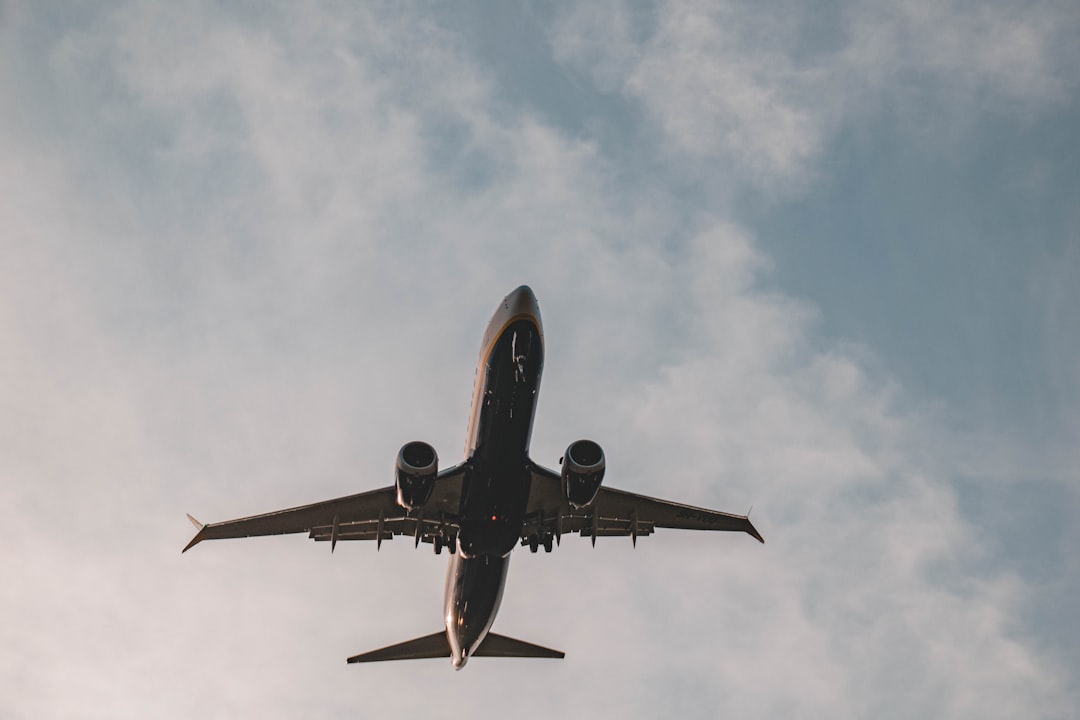
How Air Travel Could End Government Shutdowns
Introduction: The Unlikely Connection Between Air Travel and Government Shutdowns
Government shutdowns cause big problems. They hurt many people. Air travel might help solve them. This sounds strange. But it could work. TD Cowen's Tom Fitzgerald thinks so. He shared this idea with CNBC. This article explains how it could happen.
Government shutdowns stop many services. Federal workers don't get paid. National parks close. Passport processing slows down. Air travel suffers too. TSA agents work without pay. Air traffic controllers face stress. This creates safety worries. Everyone feels the impact.
Air travel connects all Americans. It helps business. It brings families together. It supports tourism. When air travel has problems, everyone notices. This makes it powerful. It could push politicians to act. They might end shutdowns faster.
This article explores this interesting idea. We will look at how air travel affects shutdowns. We will see why it matters. We will learn from past events. We will understand the economic impact. We will see what might happen next.
Understanding Government Shutdowns
What Are Government Shutdowns?
Government shutdowns happen when Congress disagrees. They cannot pass spending bills. This stops funding for government agencies. Some services must close. Others continue with limited staff. Essential workers stay on the job. But they might not get paid on time.
Shutdowns can last for days or weeks. The longest was 35 days in 2018-2019. It affected 800,000 federal workers. Many faced financial hardship. The economy lost billions of dollars.
Why Do Shutdowns Happen?
Shutdowns occur for several reasons:
- Political disagreements between parties
- Disputes over specific policies
- Budget conflicts
- Debt ceiling debates
- Immigration policy fights
Both parties use shutdowns as leverage. They hope to get what they want. But the public often suffers. Businesses face uncertainty. Government services become unreliable.
The Real Cost of Shutdowns
Shutdowns cost money in many ways:
- Lost productivity from federal workers
- Reduced consumer spending
- Delayed government contracts
- Lower tourism revenue
- Increased borrowing costs
The Congressional Budget Office estimates shutdown costs. The 2018-2019 shutdown cost $11 billion. Some money was recovered later. But $3 billion was permanently lost.
The Critical Role of Air Travel
Why Air Travel Matters So Much
Air travel is essential to America. It moves people and goods quickly. It supports many jobs. It connects communities. When air travel has problems, everyone feels it.
Consider these facts about air travel:
- 2.9 million people fly daily in the US
- Aviation supports 11 million jobs
- It contributes 5% to US GDP
- Business travel drives economic growth
- Tourism depends on reliable air service
Data from the Federal Aviation Administration shows this importance. Air travel problems get immediate attention. They affect powerful people. This includes members of Congress. They fly frequently between their districts and Washington.
How Shutdowns Affect Air Travel
Government shutdowns hurt air travel in several ways:
TSA agents work without pay. This causes stress and absenteeism. Security lines get longer. Wait times increase. This frustrates travelers. It creates safety concerns.
Air traffic controllers face similar problems. They work essential jobs. But they might not get paid. This affects their focus. It could impact safety. Even small errors can cause big problems.
FAA safety inspectors get furloughed. This means fewer safety checks. New aircraft certifications get delayed. Airport construction projects stop. These issues add up over time.
Tom Fitzgerald's Analysis
Who Is Tom Fitzgerald?
Tom Fitzgerald works at TD Cowen. He is a managing director. He focuses on aerospace and defense. He understands the aviation industry well. He has years of experience.
Fitzgerald watches government policies. He sees how they affect aviation. He noticed a pattern during shutdowns. Air travel problems get quick responses from politicians. This gave him an idea.
The Catalyst Theory
Fitzgerald believes air travel could be a catalyst. A catalyst speeds up change. In this case, it could speed up ending shutdowns. Here is how it works:
- Shutdown begins and continues
- Air travel problems start to appear
- Travel delays and safety concerns grow
- Public pressure increases on politicians
- Business leaders express concern
- Politicians feel urgent need to act
- Shutdown ends sooner than expected
This happened during the 2018-2019 shutdown. Air travel problems were growing. Then a solution was found. The timing suggests a connection.
Economic Pressure Points
Fitzgerald points to economic pressure. Air travel problems hurt the economy quickly. They affect:
- Business meetings and deals
- Tourism spending
- Conference attendance
- Supply chain efficiency
- Stock market confidence
When these suffer, powerful people notice. CEOs complain to Congress. Hotel chains report losses. Airlines warn about safety. The pressure builds rapidly.
Historical Evidence
Case Study: 2018-2019 Shutdown
The longest shutdown in US history offers clues. It lasted from December 2018 to January 2019. Air travel problems grew over time.
By week four, TSA absentee rates reached 10%. Some airports had to close security checkpoints. Wait times doubled at busy airports. Travelers missed flights. Complaints flooded social media.
Air traffic controllers voiced concerns. They worried about safety. Some called in sick due to stress. The system showed strain.
Then, on January 25, 2019, something changed. Major flight delays hit New York and Florida. The FAA increased staffing at key centers. Within days, a deal was reached. The shutdown ended.
Other Examples
Smaller shutdowns show similar patterns. The 2013 shutdown lasted 16 days. Air travel issues emerged near the end. Then a solution was found.
Each time, air travel problems get attention. They create visible impacts. Regular people experience them directly. This builds public pressure faster than other effects.
The Economic Impact
Immediate Costs
Air travel problems cost money immediately. Consider these numbers from the Airlines for America trade group:
- Each hour of flight delay costs airlines $3,000
- Canceled flights cost much more
- Business travelers lose productive time
- Tourists cancel trips
- Conferences get postponed
These costs add up quickly. During a long shutdown, they become significant. They affect the overall economy.
Long-Term Consequences
Repeated shutdowns cause lasting damage. They make America seem unreliable. International travelers might choose other destinations. Business meetings could move to other countries.
The U.S. Travel Association tracks these impacts. They found that travel uncertainty hurts growth. It reduces investment in tourism infrastructure. It affects job creation in the industry.
Practical Solutions and Prevention
What Can Be Done?
Several solutions could prevent shutdowns. Or at least reduce their impact on air travel:
Automatic funding extensions: If Congress cannot agree, current funding levels continue. This prevents sudden stops in government services.
Essential worker protections: Ensure TSA and air traffic controllers get paid on time. This maintains system reliability.
Bipartisan agreements: Create long-term budget solutions. Reduce frequent fights over spending.
Public awareness: Help people understand the real costs of shutdowns. Build pressure for compromise.
What Travelers Can Do
If another shutdown happens, travelers should:
- Check airport wait times before leaving home
- Allow extra time for security screening
- Consider travel insurance for possible cancellations
- Monitor official TSA and airline updates
- Be patient with airport staff working without pay
These steps can reduce stress. They help everyone get through difficult situations.
Frequently Asked Questions
1. How do government shutdowns affect air travel?
Shutdowns affect air travel in several ways. TSA agents may work without pay. This can lead to longer security lines. Air traffic controllers face similar stress. Safety inspections may be reduced. These issues grow worse as shutdowns continue.
2. Why does air travel get special attention during shutdowns?
Air travel problems affect many people quickly. They are visible and inconvenient. They impact business and tourism. Powerful people experience these problems directly. This creates immediate pressure for solutions.
3. How long can air travel function during a shutdown?
Air travel can continue for weeks during shutdowns. But problems increase over time. After about three weeks, significant delays and safety concerns emerge. The system becomes strained without regular funding.
4. What happened during the 2018-2019 shutdown?
The 2018-2019 shutdown lasted 35 days. TSA absentee rates reached 10%. Some airports closed security checkpoints. Flight delays increased. The shutdown ended soon after major air travel problems emerged.
5. Can air travel really end government shutdowns?
It cannot end them alone. But it can create strong pressure. When air travel problems affect many people, politicians feel urgency to act. This can speed up solutions that might otherwise take longer.
6. What can ordinary people do during shutdowns?
Travelers should allow extra time at airports. They should monitor official updates. They can contact their representatives about concerns. Being patient with airport staff helps everyone.
7. Are there permanent solutions to prevent shutdowns?
Yes, several solutions exist. Automatic funding extensions could prevent shutdowns. Bipartisan budget agreements could reduce conflicts. Changing budget rules could make shutdowns less likely.
Real-World Examples and Statistics
Key Numbers to Understand
These statistics show the importance of air travel:
- US airlines carried 853 million passengers in 2022 (Bureau of Transportation Statistics)
- Aviation contributes $1.7 trillion to US economy (FAA)
- TSA screens 2.5 million passengers daily (TSA)
- 14,000 air traffic controllers work in the US (NATCA)
- During 2018-2019 shutdown, TSA absenteeism reached 10% (CNN)
Notable Incidents
Several events during past shutdowns show the pattern:
LaGuardia Airport (January 2019): Major delays due to staff shortages. This happened after weeks of shutdown. It received widespread media attention.
Miami International Airport: Checkpoint closures caused long lines. Travelers missed flights. Complaints increased dramatically.
These incidents built pressure. They showed the real impact of shutdowns on regular people.
Step-by-Step: How Air Travel Pressure Works
The Process Explained
Here is how air travel can push for shutdown resolutions:
- Shutdown begins: Government funding stops. Essential workers stay but without pay.
- Early days: Air travel operates normally. Staff continue working despite pay uncertainty.
- Week 2-3: Stress increases. Some staff call in sick. Security lines lengthen slightly.
- Week 3-4: Problems become visible. Major delays occur. Media coverage increases.
- Breaking point: Significant flight disruptions happen. Public pressure peaks.
- Resolution: Politicians feel urgent need to act. Compromise becomes more likely.
- Shutdown ends: Funding resumes. Air travel returns to normal.
This pattern has appeared in recent shutdowns. The timing suggests a real connection.
Conclusion: The Future of Shutdown Politics
Tom Fitzgerald's analysis makes sense. Air travel does have special power in shutdown situations. It affects many people directly. It impacts the economy quickly. It gets media attention. These factors create pressure.
Future shutdowns will likely follow this pattern. As air travel problems grow, solutions become more urgent. This could lead to shorter shutdowns. Or it might prevent some shutdowns entirely.
Understanding this connection helps everyone. Travelers can prepare better. Businesses can plan for possible disruptions. Citizens can advocate for permanent solutions.
The goal should be ending shutdowns completely. They cost too much money. They cause unnecessary stress. They make America look unreliable. But until that happens, air travel will remain a key factor. It could be the catalyst that brings people back to the table.
Next time you hear about a government shutdown, watch air travel news. Delays and problems might signal that a solution is coming. The connection between airports and politics is stronger than many realize.