
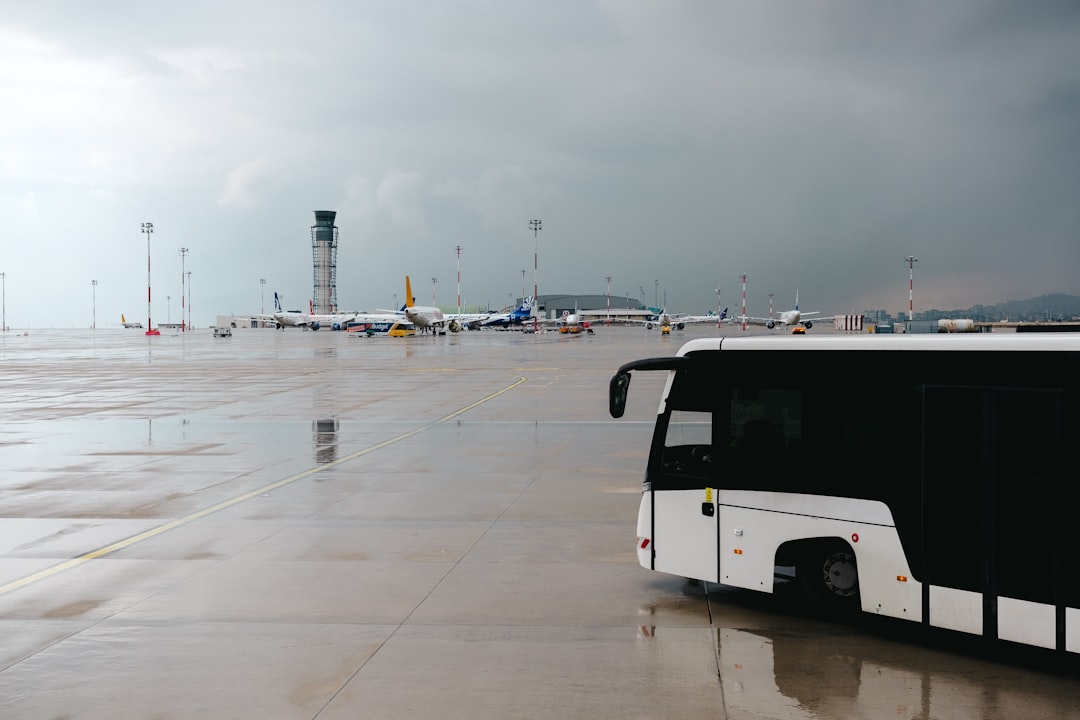
Houston Airport Chaos: Runway Shutdown Sparks Travel Nightmare
Introduction: When Houston's Skies Went Quiet
Imagine arriving at Houston's Bush Intercontinental Airport. You are excited for your trip. But then you hear bad news. All flights are stopped. The airport is quiet. No planes are taking off. No planes are landing. This really happened in August 2025.
A ground stop means no flights can move. This happened because of runway construction. The airport had to fix important runways. This caused big problems for travelers. Thousands of people were affected. Their travel plans were ruined.
This article will explain everything. We will talk about why this happened. We will share how it affected people. We will give you tips for future travel. You will learn how to avoid problems. We want to help you travel smarter.
Airport problems can happen anywhere. But knowing what to do helps. This guide will prepare you. You will learn from Houston's experience. Let's explore this travel story together.
What is a Ground Stop?
A ground stop is a serious event. It means all flights are stopped. Planes cannot take off. Planes cannot land. Air traffic control orders this. It happens for safety reasons.
Why Do Ground Stops Happen?
Ground stops happen for many reasons. Bad weather is common. But construction can cause them too. Runway repairs need ground stops. Safety is the most important thing.
The Federal Aviation Administration (FAA) controls ground stops. They work with airports. They decide when to stop flights. They decide when to start flights again.
Different Types of Flight Delays
- Ground Delay: Flights are delayed before takeoff
- Ground Stop: All flights are completely stopped
- Airborne Delay: Planes already flying must wait
- Gate Hold: Planes cannot leave their gates
According to the Federal Aviation Administration, ground stops are rare. But they cause big problems. They affect thousands of travelers.
The Houston Bush Intercontinental Situation
Houston Bush Intercontinental Airport (IAH) is very important. It is one of the busiest airports in Texas. It serves millions of passengers every year. In August 2025, major construction began.
Why the Runway Needed Repair
Runways get old and worn out. They need regular maintenance. The runway at IAH was 15 years old. It had cracks and surface problems. These can be dangerous for planes.
Airport officials planned the repairs carefully. They chose August for the work. August is a busy travel month. But it was the best time for construction.
The Construction Timeline
The construction was supposed to take 72 hours. Workers had to replace concrete. They had to fix lighting systems. They had to repaint runway markings.
But problems happened. Bad weather delayed work. Equipment broke down. The project took longer than expected.
According to FOX 26 Houston, the ground stop lasted 18 hours. This was much longer than planned. It affected over 500 flights.
Impact on Travelers
The ground stop hurt many people. Business travelers missed meetings. Families missed vacations. Some people missed important events.
Real Stories from Affected Travelers
Maria Gonzalez was flying to her sister's wedding. "I was supposed to be the maid of honor," she said. "I missed the whole ceremony. I was stuck in Houston for two days."
John Smith was traveling for business. "I had a million-dollar contract meeting," he explained. "I missed the meeting. My company lost the deal."
These stories show how airport problems affect real people. Travel delays cost money. They cause stress. They ruin plans.
Financial Impact
The ground stop cost travelers millions of dollars. People had to pay for hotels. They had to buy new tickets. They lost business opportunities.
Airlines also lost money. They had to refund tickets. They had to pay for hotels. They had to manage angry customers.
According to Airports Council International, major airport disruptions cost billions worldwide each year.
Airline Responses and Passenger Rights
Airlines had to help affected passengers. They followed specific rules. They tried to minimize problems.
What Airlines Did
- Re-booked passengers on later flights
- Provided hotel vouchers for overnight stays
- Offered meal vouchers for long delays
- Gave full refunds when requested
- Waived change fees for affected flights
Understanding Your Rights
The U.S. Department of Transportation has passenger rights rules. These rules protect you during delays.
For weather or safety delays, airlines must try to help you. They should re-book you on the next available flight. But they don't have to pay for hotels.
For airline-caused delays, you have more rights. Airlines must provide meals and hotels. They must help you get to your destination.
Practical Tips for Dealing with Airport Disruptions
You can prepare for airport problems. These tips will help you handle delays better.
Before You Travel
- Check airport websites for construction notices
- Sign up for airline alert programs
- Download airline apps to your phone
- Pack essential medications in carry-on bags
- Bring extra phone chargers and power banks
- Have important phone numbers written down
During a Disruption
- Stay calm and be patient with airline staff
- Get in line for customer service immediately
- Call the airline while waiting in line
- Use social media to contact the airline
- Take photos of any written information
- Keep all your receipts for expenses
Smart Packing Tips
Always pack a "delay bag" in your carry-on. Include these items:
- Change of clothes
- Basic toiletries
- Important medications
- Phone charger and power bank
- Snacks and water bottle
- Entertainment (book, tablet, headphones)
Future Airport Construction Plans
Airports must do construction. But they can plan better. The Houston experience taught important lessons.
Better Planning Strategies
Airports now use new planning methods. They schedule work during slower periods. They keep some runways open. They give more notice to travelers.
The Houston Airport System learned from this event. They now have better communication plans. They work more closely with airlines.
Technology Improvements
New technology helps minimize disruptions. Better construction equipment works faster. Improved materials last longer. Advanced scheduling software helps planning.
Airports are investing in these technologies. They want to avoid future ground stops.
Frequently Asked Questions
What should I do if my flight is cancelled?
Contact your airline immediately. Ask about re-booking options. Request a refund if you want. Keep all your receipts for extra expenses.
Can I get compensation for a ground stop delay?
Usually no. Ground stops for safety reasons don't require compensation. But airlines often help with hotels and meals. Always ask politely for assistance.
How can I check for airport construction before traveling?
Check the airport's official website. Look for construction notices. Sign up for travel alerts. Check with your airline about potential issues.
What rights do I have during long delays?
You have the right to information. Airlines must tell you about delays. They must update you regularly. For overnight delays, they should help with hotels.
Should I buy travel insurance for construction delays?
Yes, good travel insurance can help. Look for policies that cover trip delays. Read the fine print carefully. Make sure construction delays are covered.
How long do runway repairs usually take?
Runway repairs can take from days to months. Small repairs might take a weekend. Major reconstruction can take months. Airports try to minimize disruptions.
Can construction delays be predicted?
Yes, most construction is planned months in advance. Airports publish schedules. Airlines know about planned work. Check these sources before booking flights.
Statistics and Data
Airport disruptions affect millions of travelers each year. Here are important numbers:
- Over 2 million flights are delayed annually in the U.S. (Bureau of Transportation Statistics)
- Construction causes about 5% of major airport delays
- The average delay costs travelers $150 in extra expenses
- Houston Bush Intercontinental serves 45 million passengers yearly
- The August 2025 ground stop affected 45,000 travelers
- Airlines lost an estimated $15 million during the disruption
These numbers show why airport planning matters. Good planning saves money and reduces stress.
Step-by-Step Guide: Handling Airport Delays
Step 1: Stay Informed
Check flight status regularly. Use airline apps. Listen to airport announcements. Watch information screens.
Step 2: Contact Your Airline
Call the airline immediately. Use their app to message them. Get in line for customer service.
Step 3: Explore Options
Ask about alternative flights. Consider nearby airports. Look at different airlines. Check train or bus options.
Step 4: Manage Essentials
Find food and water. Locate restrooms. Charge your devices. Find a comfortable waiting area.
Step 5: Document Everything
Take photos of information screens. Keep boarding passes. Save all emails and texts. Write down names of helpful staff.
Step 6: Understand Your Rights
Know what the airline must provide. Be polite but firm. Ask for what you're entitled to receive.
Step 7: Plan Your Next Steps
Decide if you will wait or re-book. Make hotel arrangements if needed. Contact people expecting you.
Conclusion: Lessons from Houston's Travel Disruption
The Houston ground stop taught valuable lessons. It showed how important airport planning is. It revealed how disruptions affect real people. Most importantly, it highlighted the need for good communication.
Travelers learned to be better prepared. They now know to check for construction. They understand the importance of travel insurance. They pack smarter for potential delays.
Airlines and airports learned too. They improved their planning processes. They developed better communication systems. They created more flexible re-booking policies.
Air travel will always have disruptions. Weather, mechanical issues, and construction happen. But we can handle them better. We can be prepared. We can know our rights. We can stay calm under pressure.
Remember these key points from Houston's experience. Always check for airport notices before traveling. Pack essential items in your carry-on. Know your passenger rights. Stay informed during disruptions. Be patient with airline staff.
Safe travels and may your journeys be smooth. Learn from Houston's experience. Be a smarter, more prepared traveler.