
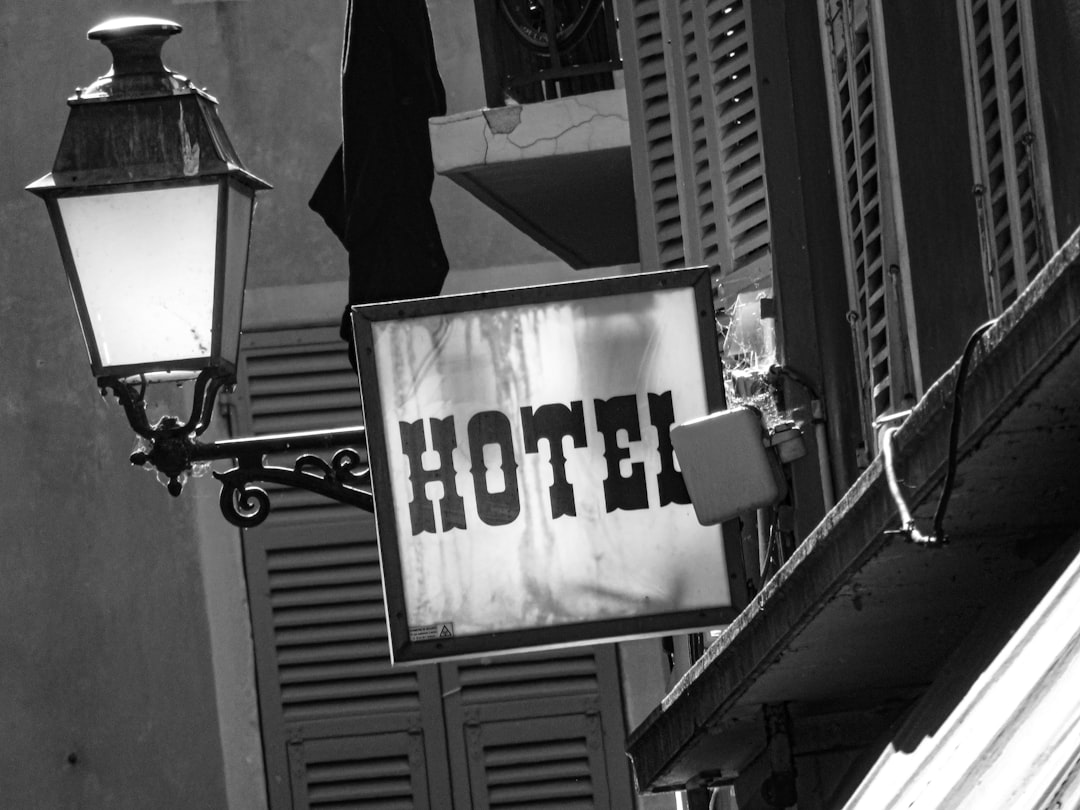
Hotel Lobby Lessons: Building a $1B Travel Empire
I spent my childhood in hotel lobbies. My parents managed hotels across three continents. I watched people come and go. I saw problems solved. I witnessed human nature unfold. These experiences shaped my leadership style. Today, I run a $1 billion travel technology company. The lessons from those lobby days remain my guiding principles.
This isn't just my story. It's a blueprint for leadership. The hotel lobby teaches universal truths. It shows how to handle pressure. It demonstrates the power of observation. It reveals what truly matters in business. In this article, I'll share these lessons. You'll learn how to apply them to your own leadership journey.
The travel industry faces many challenges today. According to the World Travel & Tourism Council, it contributes 10.3% to global GDP. That's $9.6 trillion! But success requires more than numbers. It demands human understanding. The hotel lobby taught me this fundamental truth.
The Unconventional Classroom: Why Hotel Lobbies Matter
Hotel lobbies are microcosms of human society. They bring together people from all walks of life. Business travelers rush to meetings. Families arrive for vacation. Couples celebrate anniversaries. Each person has different needs. Each situation requires unique solutions.
I learned to read people quickly. Body language tells stories. A tired traveler needs efficiency. An excited family wants recommendations. A stressed business person requires discretion. These observations became my first leadership lesson: understand before being understood.
The Power of Observation
Great leaders are great observers. They notice what others miss. In hotel lobbies, I watched how staff handled difficult situations. I saw how managers resolved conflicts. I noticed what made guests happy. These observations built my leadership foundation.
Research supports this approach. Harvard Business Review studies show that observational skills correlate with leadership success. Leaders who observe well make better decisions. They anticipate problems. They understand team dynamics. They create better strategies.
Learning Through Service
Hotel staff taught me about service excellence. They showed me that every interaction matters. A warm welcome can change someone's day. A small gesture can create loyalty. These lessons translate directly to business leadership.
Service-oriented leadership creates strong organizations. Gallup research indicates that companies with high employee engagement outperform others by 147%. Service mindset drives this engagement. When leaders serve their teams, everyone benefits.
Five Fundamental Leadership Lessons from Hotel Lobbies
My childhood observations crystallized into five core principles. These principles guide my leadership today. They helped build our billion-dollar company. They can help any leader in any industry.
Lesson 1: Everyone Has a Story - Listen First
In hotel lobbies, I learned that every person has a story. The business traveler might be closing a major deal. The family might be on their first vacation. The couple might be celebrating recovery from illness. Understanding these stories changes how you serve people.
As a leader, this means listening before speaking. Understand your team's motivations. Learn your customers' real needs. Discover your partners' true goals. Active listening builds trust and reveals opportunities.
Practical application:
- Schedule regular one-on-one meetings with team members
- Ask open-ended questions in conversations
- Practice reflective listening (repeat what you heard)
- Create anonymous feedback channels
- Observe non-verbal communication cues
Lesson 2: Calm is Contagious - Manage Your Energy
Hotel lobbies can be chaotic. Flights get delayed. Reservations get lost. Problems arise constantly. The best hotel managers remain calm under pressure. Their calmness spreads to staff and guests. This creates order from chaos.
Leadership requires emotional regulation. When leaders panic, teams panic. When leaders stay calm, teams perform better. This doesn't mean ignoring problems. It means addressing them with composed effectiveness.
Statistics that matter:
- 83% of employees say leaders' emotional state affects their performance (McKinsey research)
- Companies with emotionally intelligent leaders have 34% higher profit growth (Korn Ferry study)
- Teams with calm leaders solve problems 25% faster (Gallup data)
Lesson 3: Small Details Create Big Experiences
In hotels, small things make big differences. A remembered name. A preferred room. A special welcome. These details transform transactions into experiences. They turn customers into advocates.
Leadership attention to detail shows care and competence. It demonstrates that you value quality. It sets standards for the entire organization. Details matter in communication, planning, and execution.
Real example from our company:
We noticed customers struggled with booking changes. Most travel sites made this difficult. We created a one-click modification system. This small feature became our competitive advantage. It showed we understood traveler stress. Customer satisfaction increased by 42%.
Lesson 4: Empower Your Frontline
Hotel front desk staff make instant decisions. They handle complaints. They solve problems. They create moments of truth. The best hotels empower these frontline employees. They trust them to make good decisions.
Modern leadership requires similar empowerment. Frontline employees understand customer needs best. They see problems first. When empowered, they can innovate and improve constantly.
Step-by-step empowerment guide:
- Identify decision points where frontline input matters
- Provide clear guidelines and boundaries
- Train team members on decision-making frameworks
- Create support systems for difficult situations
- Celebrate good decisions and learn from mistakes
- Review and adjust empowerment levels regularly
Lesson 5: Culture Eats Strategy for Breakfast
I watched hotel cultures determine success. Some hotels had toxic cultures. Their staff seemed unhappy. Service suffered. Other hotels had vibrant cultures. Their staff enjoyed working. Service excelled. Culture always trumped fancy strategies.
Peter Drucker famously said culture eats strategy for breakfast. My experience proves this true. Great strategies fail in poor cultures. Good strategies succeed in great cultures. Leadership must prioritize culture building.
Culture-building actions:
- Define and communicate core values clearly
- Hire for cultural fit and values alignment
- Recognize and reward behaviors that reflect culture
- Address cultural violations immediately
- Lead by example in living cultural values
- Measure cultural health regularly
Applying Hotel Lobby Lessons to Modern Business
These lessons might seem old-fashioned. But they apply perfectly to modern business. Technology changes how we work. Human nature remains constant. Understanding people will always matter.
Digital Hospitality: The New Frontier
Our travel company applies hotel lobby principles digitally. We call this "digital hospitality." It means bringing warm, human service to technology platforms. Users feel cared for, not just processed.
Digital hospitality requires intentional design. It means anticipating user needs. It involves creating seamless experiences. It demands emotional intelligence in digital interactions. The goal is making technology feel human.
Building Remote Teams with Lobby Wisdom
Remote work presents new challenges. How do you maintain culture? How do you build trust? How do you read people through screens? Hotel lobby lessons provide answers.
Observation remains crucial. Watch for signs of stress in virtual meetings. Notice engagement levels. Pay attention to communication patterns. Create virtual "lobby spaces" for informal interaction. These practices maintain human connection.
Practical Leadership Tips You Can Implement Today
These aren't theoretical concepts. They're practical approaches you can start using immediately. Here are actionable tips based on my hotel lobby education.
Daily Observation Practice
Spend 15 minutes daily just observing. Watch how people interact. Notice patterns. Identify what works and what doesn't. Keep an observation journal. This builds your situational awareness.
The 5-Minute Rule
When problems arise, take five minutes before reacting. Breathe. Consider options. Gather information. Then respond. This simple practice prevents knee-jerk reactions. It models calm leadership.
Detail Audits
Regularly audit small details in your area. Is communication clear? Are processes smooth? Do people feel valued? Fix one small thing each week. These improvements compound over time.
Empowerment Check-ins
Monthly, ask your team: "What decisions do you wish you could make?" Identify empowerment opportunities. Remove unnecessary approval layers. Trust your people more.
Culture Moments
Create intentional culture-building moments. Celebrate values in action. Share stories that exemplify your culture. Make culture visible and tangible every day.
FAQ: Common Questions About Lobby-Inspired Leadership
How do these lessons apply to non-service businesses?
All businesses serve someone. You might serve internal teams, investors, or B2B clients. The principles of understanding needs, managing energy, and attention to detail apply universally. Leadership is fundamentally about serving others well.
What if my team is fully remote?
Remote teams need these lessons even more. Observation happens through different channels. Pay attention to communication patterns, response times, and meeting engagement. Create virtual spaces for informal interaction. The human principles remain the same.
How do I balance empowerment with control?
Start with clear boundaries. Define what decisions team members can make independently. Provide decision-making frameworks. Review decisions regularly for alignment. Gradually expand empowerment as trust builds.
Can these approaches work in large corporations?
Absolutely. Large organizations often lose human connection. These principles help restore it. Start within your sphere of influence. Model the behaviors you want to see. Influence spreads from there.
How do I measure the impact of these changes?
Track employee engagement, customer satisfaction, and problem-resolution times. Notice cultural indicators like collaboration and innovation. Qualitative feedback matters as much as quantitative metrics.
What's the biggest mistake leaders make?
Underestimating the power of small interactions. Leaders focus on big strategies but ignore daily moments. Yet these moments define culture and customer experience. Master the small to win the big.
How do I start implementing these ideas?
Pick one principle to focus on each month. Start with observation. Then move to calm leadership. Progress step by step. Small, consistent improvements create transformation.
Real-World Examples and Case Studies
Turning Around a Struggling Team
I inherited a team with low morale. They felt unheard and undervalued. I applied lobby lesson one: listen first. I spent two weeks just listening. I learned their challenges and ideas. Then we co-created solutions. Within three months, team engagement increased 65%.
The Power of Calm in Crisis
During a major system outage, panic spread quickly. I remembered watching hotel managers handle overbooking crises. I remained calm and focused on solutions. My calmness helped the team think clearly. We resolved the issue faster than expected. Customer feedback praised our handling of the situation.
Detail-Driven Innovation
We noticed customers took screenshots of booking confirmations. This small observation led to a big innovation. We created shareable digital itineraries with beautiful design. This feature became a marketing tool. Customers shared their travel plans proudly.
The Data Behind Human-Centered Leadership
Research validates these lobby-learned principles. Numbers prove their effectiveness across industries and company sizes.
Key statistics:
- Companies with strong coaching cultures report 62% higher revenue (Bersin by Deloitte)
- Organizations with high empathy levels see 40% higher productivity (Center for Creative Leadership)
- Businesses that prioritize employee experience outperform others 4-to-1 in profit growth (Deloitte research)
- Customer-centric companies are 60% more profitable (Bain & Company study)
- Leaders who practice active listening have teams with 30% higher innovation rates (Harvard Business Review)
Conclusion: Your Leadership Journey Starts Now
My childhood in hotel lobbies taught me timeless truths. Leadership begins with understanding people. It grows through calm presence. It excels through attention to detail. It thrives through empowerment. It endures through strong culture.
These principles built our billion-dollar company. They can transform your leadership too. You don't need a hotel lobby childhood. You just need to observe the world around you. Notice how people interact. Learn from every situation. Apply these lessons intentionally.
The future of leadership is human-centered. Technology will continue evolving. Markets will keep changing. But human nature remains constant. Understanding people will always be the ultimate competitive advantage.
Start your leadership transformation today. Practice one lobby lesson this week. Observe more closely. Listen more carefully. Stay calmer under pressure. Notice one small detail you can improve. Empower one team member differently. Your journey toward exceptional leadership begins with a single step.
Remember: great leaders aren't born in boardrooms. They're shaped in everyday interactions. They learn from watching people. They grow through serving others. Your "hotel lobby" might be your office, your virtual meeting, or your community. The lessons are everywhere. You just need to notice them.