
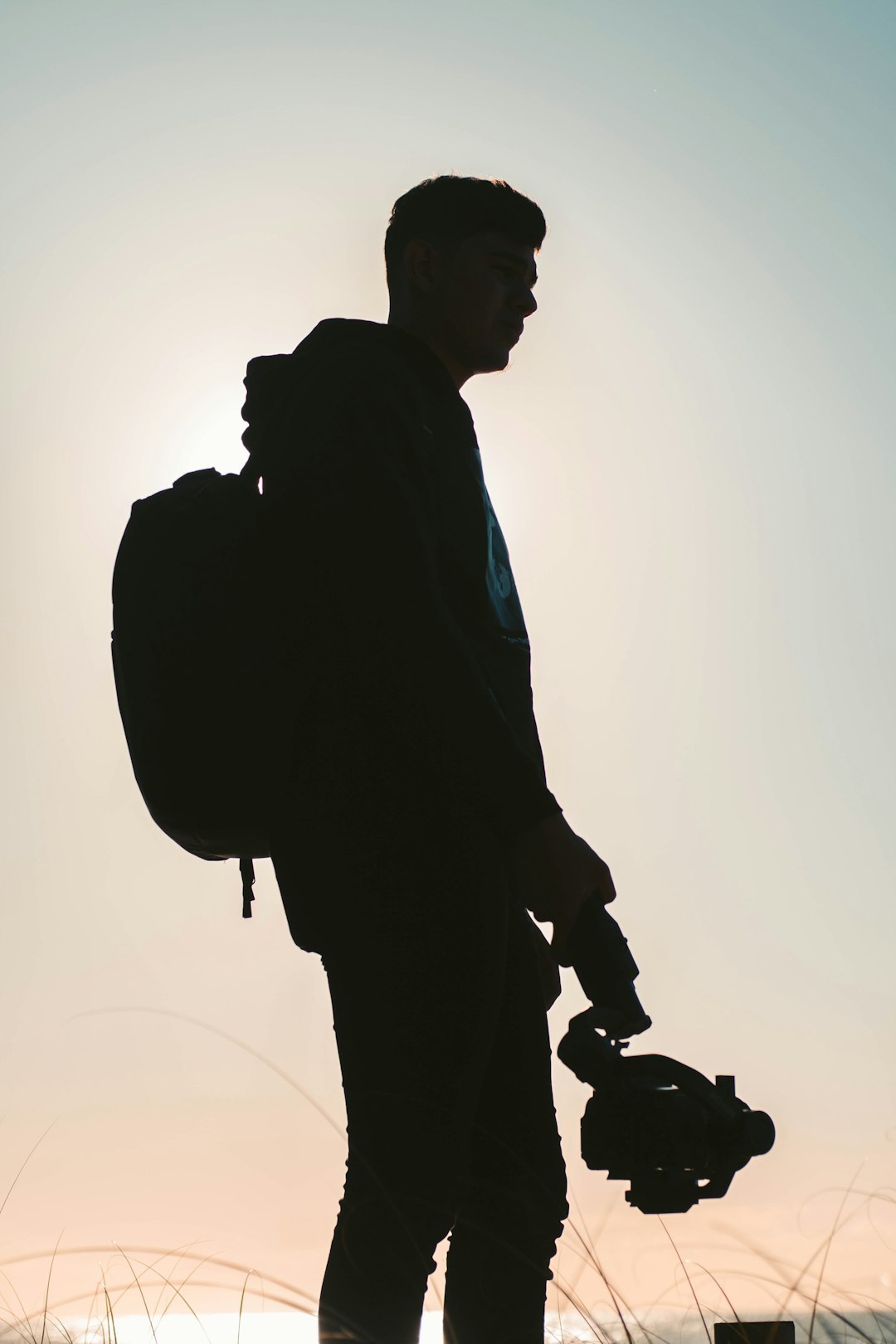
Hongkonger's Epic 20,000km Journey Without Flying
Introduction: The Call of the Open Road
Imagine traveling 20,000 kilometers without taking a single flight. That is exactly what one brave Hongkonger did. He traveled across continents using only land and sea transport. His journey proves that adventure is still possible without airplanes.
This incredible story comes from the South China Morning Post. It shows how one person can achieve amazing things with just one backpack. The traveler visited multiple countries and experienced diverse cultures. He faced challenges and discovered beautiful places along the way.
His journey lasted several months and crossed many borders. He used trains, buses, boats, and even walked long distances. This adventure shows that slow travel can be more rewarding than flying. You see more and connect better with local people.
Many people dream of such adventures but never take the first step. This story will inspire you to think differently about travel. It proves that you don't need much money or equipment to have an epic journey. You just need courage and determination.
The Beginning: Why Choose an Overland Adventure?
The traveler started his journey from Hong Kong. He wanted to prove that long-distance travel is possible without flying. Air travel has a big environmental impact. According to Our World in Data, aviation contributes about 2.5% of global CO2 emissions.
He also wanted a more authentic travel experience. Flying quickly between destinations means missing everything in between. Overland travel lets you see how landscapes and cultures change gradually. You meet real people and experience local life.
Planning the Route
Planning such a long journey required careful research. He studied maps and transportation options for months. The route went through Southeast Asia, then across to Europe. He had to consider visa requirements and border crossings.
Some countries required special permits. Others had complicated visa processes. He used resources like Caravanistan for Central Asia information. This website provides detailed travel guides for overland routes.
Choosing What to Pack
With only one backpack, every item had to earn its place. He followed the minimalist packing philosophy. His backpack weighed less than 10 kilograms. This made it easy to carry during long walking days.
Essential items included:
- Quick-dry clothing
- Universal power adapter
- Basic medical kit
- Water purification tablets
- Multi-tool knife
- Travel documents organizer
The Journey Through Southeast Asia
The first leg of the journey went through Southeast Asia. He traveled through Vietnam, Laos, and Thailand. These countries have well-developed bus and train networks. According to World Bank data, Southeast Asia has seen massive infrastructure development.
Cultural Experiences in Vietnam
In Vietnam, he traveled by local buses and trains. He visited Hanoi and experienced street food culture. The train from Hanoi to Lao Cai offered stunning mountain views. He learned that slow travel lets you appreciate small moments.
He stayed with local families through homestay programs. This gave him authentic cultural experiences. He learned basic Vietnamese phrases. Local people appreciated his efforts to speak their language.
Crossing into Laos
The border crossing from Vietnam to Laos was done by bus. Laos has less tourist infrastructure than Vietnam. This made the experience more adventurous. He traveled on local buses packed with people and goods.
In Laos, he visited Luang Prabang. This UNESCO World Heritage city has beautiful temples. He learned about Buddhist culture and participated in morning alms giving. These experiences would be impossible on a quick tourist trip.
Central Asia: The Silk Road Adventure
After Southeast Asia, he headed toward Central Asia. This region follows the ancient Silk Road trading routes. Countries like Kazakhstan and Uzbekistan have rich histories. The landscapes changed from tropical to desert and mountains.
Kazakhstan's Vast Landscapes
Kazakhstan is the world's largest landlocked country. It has enormous steppes and modern cities. He traveled by train across the country. Kazakh trains are comfortable and reliable for long distances.
In Almaty, he visited the Green Bazaar. This market shows Central Asian trading traditions. He tried local foods like beshbarmak and kumis. Food is an important part of understanding any culture.
Uzbekistan's Ancient Cities
Uzbekistan has spectacular Islamic architecture. Cities like Samarkand and Bukhara are living museums. He marveled at Registan Square and Shah-i-Zinda. These sites have been important for centuries.
He used shared taxis between cities. This is common in Central Asia. You share a car with other passengers going the same direction. It's cheap and lets you meet local people.
Crossing into Europe
After Central Asia, he entered Russia and continued toward Europe. This part of the journey required careful planning. Russia has complex visa requirements for many nationalities. He had to arrange his visa well in advance.
The Trans-Siberian Railway
He traveled part of the famous Trans-Siberian Railway. This is one of the world's longest train journeys. According to Russian Railways, the full route spans 9,289 kilometers. He experienced Russia's vast landscapes from the train window.
Train travel in Russia is comfortable. compartments have beds and basic facilities. He met other travelers and local families. They shared stories and food during the long journey.
Eastern Europe by Bus
After Russia, he entered Eastern Europe. Countries like Poland and Czech Republic have excellent bus networks. Companies like FlixBus offer affordable cross-border travel. He visited historical cities like Krakow and Prague.
Eastern Europe has a different feel from Asia. The architecture, food, and culture show European influences. Yet each country maintains its unique character. He learned about recent history from local perspectives.
Practical Tips for Overland Travel
Based on his experience, here are essential tips for overland travel:
Packing Smart
Pack light but don't forget essentials. Choose versatile clothing that layers well. Merino wool is excellent for travel. It doesn't smell bad after multiple wears. Always carry important documents in a secure place.
Essential packing list:
- 2-3 quick-dry shirts
- 1 pair of durable pants
- Lightweight jacket
- Comfortable walking shoes
- Universal sink plug for washing clothes
- Portable power bank
- Basic first aid kit
Budget Management
Overland travel can be cheaper than flying. But costs add up over long journeys. Set a daily budget and track expenses. Use local transportation instead of tourist options. Eat where local people eat for authentic and affordable meals.
According to Numbeo, cost of living varies greatly between countries. Research prices before entering new countries. This helps avoid budget surprises.
Staying Healthy
Long journeys can be physically demanding. Stay hydrated and eat balanced meals. Carry basic medicines for common travel illnesses. Get enough rest between long travel days. Listen to your body and don't push too hard.
Challenges and Solutions
Every long journey faces challenges. Being prepared makes them easier to handle.
Language Barriers
In non-English speaking countries, communication can be difficult. Learn basic phrases in local languages. Use translation apps like Google Translate. Download offline dictionaries for areas without internet.
Non-verbal communication also helps. Smiles and gestures can bridge language gaps. Most people are helpful when they see you trying to communicate.
Border Crossings
Border crossings can be time-consuming. Research requirements before arriving. Have all documents organized and easily accessible. Be patient and polite with border officials.
Some borders have specific opening hours. Others require special permits. Websites like Travel Independent provide current border information.
Environmental Impact of Overland Travel
Overland travel has lower carbon footprint than flying. According to BBC Future, trains emit about 14 grams of CO2 per passenger kilometer. Planes emit about 285 grams for the same distance.
Choosing overland travel helps reduce your environmental impact. You also support local economies along your route. Money spent on local transport and accommodation stays in the community.
FAQ Section
How long did the entire journey take?
The journey took approximately six months. This included time for rest and exploring interesting places. The exact duration depends on your pace and route.
What was the total cost?
The total cost was around $8,000 USD. This includes all transport, accommodation, food, and visas. Costs can vary based on your travel style and countries visited.
Is overland travel safe?
Generally yes, but research is important. Some regions require extra caution. Check travel advisories from your government. The U.S. Department of State provides updated safety information.
What about visas for multiple countries?
Research visa requirements for each country. Some offer visas on arrival. Others require advance application. Allow enough time for visa processing before your trip.
How did you handle money across different currencies?
Carry a mix of cash and cards. USD or EUR are widely accepted for exchange. notify your bank about your travel plans. ATMs are available in most cities but carry backup cash.
What was the most challenging part?
Language barriers in remote areas were challenging. Also, long bus rides on rough roads tested patience. But these challenges became valuable learning experiences.
Would you do it again?
Absolutely! The experience was life-changing. The traveler plans more overland journeys in the future. Each trip teaches something new about the world and yourself.
Real Examples from the Journey
Here are specific experiences that made the journey memorable:
Unexpected Kindness in Laos
In a remote Lao village, a family invited him for dinner. They shared their simple meal despite having little. This showed that hospitality transcends language and culture.
Train Conversations in Russia
On the Trans-Siberian Railway, he met an elderly Russian couple. They shared stories about Soviet times. Despite political differences, they found common human ground.
Market Discoveries in Uzbekistan
In Samarkand's market, he discovered amazing bread varieties. Each region has its special bread recipe. Food became a way to understand cultural diversity.
Statistics About Overland Travel
Here are interesting statistics about this travel style:
- Train travel produces about 80% less CO2 than flying (Source: European Court of Auditors)
- Overland tourism grew 25% in the past decade (Source: UN World Tourism Organization)
- 65% of millennials prefer experiential travel over luxury resorts
- Average daily cost for overland travel: $30-50 in developing countries
- Minimum number of visas needed for Hong Kong to Europe: 8-12
Step-by-Step Guide to Planning Your Overland Journey
Follow these steps to plan your own overland adventure:
Step 1: Choose Your Route
Research possible routes and destinations. Consider seasons and weather patterns. Some mountain passes close in winter. Desert travel is difficult in summer heat.
Step 2: Research Visa Requirements
Check visa requirements for each country. Note processing times and costs. Some visas must be obtained in your home country. Others are available at borders.
Step 3: Create a Budget
Estimate costs for transport, accommodation, food, and visas. Add 15% for unexpected expenses. Research local prices using travel forums and cost-of-living websites.
Step 4: Plan Your Packing
Choose a backpack that fits airline carry-on limits. Test pack and walk with it loaded. Eliminate non-essential items. Remember that you can buy most things along the way.
Step 5: Arrange Travel Insurance
Get comprehensive travel insurance. Make sure it covers medical evacuation. Check if it includes adventure activities you might try.
Step 6: Prepare Documents
Make copies of important documents. Store digital copies in cloud storage. Carry passport photos for visa applications. Research vaccination requirements.
Conclusion: Your Journey Awaits
This Hongkonger's journey proves that amazing adventures are possible. You don't need special skills or lots of money. You need curiosity and willingness to step outside comfort zones.
Overland travel teaches patience and resilience. You learn to solve problems and adapt to new situations. These skills are valuable in all areas of life.
The world is more connected than ever. Yet many people only see airports and tourist spots. Overland travel shows the real connections between places and people.
Start planning your own adventure today. Even a short overland trip can be transformative. The journey matters more than the destination. Every kilometer traveled brings new understanding.
Remember the words of famous traveler Ibn Battuta: "Traveling - it leaves you speechless, then turns you into a storyteller." Your story is waiting to be written. Take the first step and see where the road takes you.