
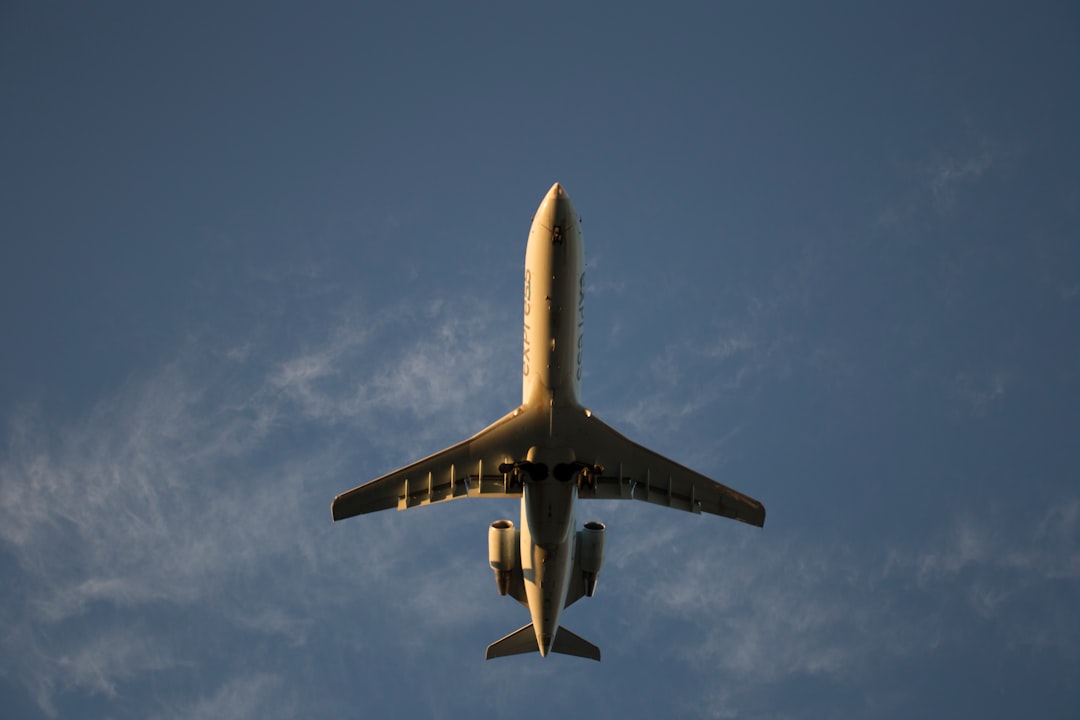
Gov't Shutdown Threatens Flights: GOP Bill Fights Back
Introduction: The Looming Crisis in American Air Travel
The threat of government shutdowns creates chaos across America. Air travel faces particular danger. When federal funding stops, essential aviation workers may stop working. This includes air traffic controllers and TSA agents. Their absence could ground flights nationwide. Travel plans for millions would be ruined. Businesses would lose money. Families would be stranded.
Recently, a GOP bill emerged as a potential solution. This legislation aims to keep flights operating during shutdowns. It seeks to protect both travelers and the economy. The bill has sparked intense debate in Washington. Supporters argue it's necessary for public safety. Critics question its effectiveness and scope.
This situation affects every American who flies. Understanding the potential impact is crucial. Travelers need to prepare for possible disruptions. Airlines are developing contingency plans. The travel industry watches Washington closely. The outcome could reshape air travel for years.
Government shutdowns have happened before. The 2018-2019 shutdown lasted 35 days. It was the longest in US history. Air travel suffered significant delays. Security lines grew dangerously long. Some airports had to close terminals. The current threat raises familiar concerns.
Understanding Government Shutdowns and Aviation
What Happens When Government Shuts Down?
A government shutdown occurs when Congress fails to pass funding bills. Federal agencies must then stop non-essential operations. This affects many transportation services. The Federal Aviation Administration (FAA) faces particular challenges. Their air traffic controllers are considered essential. But they must work without pay during shutdowns.
Transportation Security Administration (TSA) officers also work without pay. This creates financial hardship for these workers. Many live paycheck to paycheck. Missing payments can mean missed rent or mortgage payments. Some may call in sick to find other work. This leads to staffing shortages.
Customs and Border Protection officers face similar issues. International travel becomes more difficult. Passport processing slows dramatically. These combined pressures strain the entire aviation system.
The Ripple Effect on Air Travel
The aviation system relies on many federal workers. When they're affected, travel suffers immediately. During the 2019 shutdown, TSA sick calls increased significantly. Some airports reported 10% of officers calling out. Security wait times doubled at major airports.
Air traffic controllers worked without pay for weeks. This raised safety concerns. The National Transportation Safety Board stopped accident investigations. Aviation safety inspections were reduced. New aircraft certifications were delayed.
Airlines faced their own challenges. They had to decide whether to operate flights. Staffing shortages created operational risks. Some carriers reduced schedules proactively. Others waited until problems emerged.
The GOP Bill: What It Proposes
Key Provisions of the Legislation
The proposed bill addresses several critical areas. First, it would ensure continued pay for essential aviation workers. This includes air traffic controllers and TSA personnel. The legislation would create a permanent funding mechanism. This would operate during government shutdowns.
Second, the bill would maintain all safety operations. FAA safety inspectors would continue working. Aircraft certification would proceed normally. Air traffic control facilities would remain fully staffed. Security operations would continue without interruption.
Third, the legislation includes funding for airport improvements. Construction projects wouldn't be halted. Modernization efforts could continue. This prevents costly delays and contract issues.
Political Support and Opposition
The bill has received mixed reactions. Republican supporters argue it's necessary for economic stability. They point to the 2019 shutdown's $11 billion economic impact. Business groups and airlines generally support the measure.
Some Democrats express concerns. They worry about creating special exceptions for certain workers. This could reduce pressure to resolve broader shutdowns. Labor unions have taken varied positions. Some support protecting their members' pay. Others want comprehensive solutions.
The White House hasn't taken an official position. Administration officials recognize the aviation system's importance. But they prefer avoiding shutdowns altogether.
Real-World Impact: Lessons from Past Shutdowns
The 2018-2019 Shutdown Experience
The 35-day shutdown provided valuable lessons. Air traffic controllers worked without pay for over a month. Many faced serious financial strain. Some took second jobs to make ends meet. Morale suffered significantly.
TSA wait times increased at major hubs. LaGuardia Airport in New York saw 90-minute waits. Miami International Airport experienced similar delays. Some travelers missed flights due to security lines.
Airport operations were affected in unexpected ways. Food vendors closed at some smaller airports. Maintenance projects were delayed. Security screening equipment upgrades were postponed.
Economic Consequences
The travel industry lost significant revenue. Airlines estimated $100 million in lost sales. Hotels near airports saw occupancy declines. Rental car companies reported reduced bookings.
Business travel was particularly affected. Companies canceled non-essential trips. Conference attendance dropped. International visitors postponed US visits. The US Travel Association estimated broader economic impacts.
According to US Travel Association data, the shutdown cost $1.8 billion in lost travel spending. This affected restaurants, retailers, and attractions nationwide.
Practical Tips for Travelers During Government Shutdowns
Before You Travel
- Check your flight status frequently
- Allow extra time for airport security
- Consider travel insurance with shutdown coverage
- Pack essential medications in carry-on bags
- Have backup plans for important meetings
- Monitor official airport social media accounts
- Download airline apps for real-time updates
At the Airport
- Arrive at least 3 hours before domestic flights
- Arrive 4 hours before international flights
- Use TSA PreCheck or Clear if available
- Keep electronic devices charged
- Bring snacks and entertainment
- Have important phone numbers written down
- Stay calm and patient with staff
If Your Flight is Canceled
- Contact your airline immediately
- Check the airline's app for rebooking options
- Understand your rights under federal law
- Keep all receipts for unexpected expenses
- Consider alternative airports nearby
- Contact your hotel if arrival will be delayed
- Notify people expecting your arrival
Frequently Asked Questions
Can airlines operate during government shutdowns?
Yes, airlines can continue operating. But they face many challenges. Air traffic control must be available. Security screening must continue. Without these services, flights cannot operate safely.
Are refunds available for canceled flights?
Most airlines offer refunds for canceled flights. Some may offer travel vouchers instead. Check your airline's specific policy. The Department of Transportation requires refunds for significant cancellations.
How long can a government shutdown last?
There is no legal limit. The longest shutdown lasted 35 days. Most last only a few days. The duration depends on political negotiations in Washington.
Do essential workers get paid eventually?
Yes, Congress typically approves back pay after shutdowns end. But workers may wait weeks or months for payment. This creates financial hardship in the meantime.
Can I still get a passport during a shutdown?
Passport services are often limited. Emergency services may remain available. Routine processing typically stops. Check the State Department website for current status.
Are international flights affected differently?
International flights face additional challenges. Customs and immigration services may be limited. Processing times can increase significantly. Some countries may issue travel advisories.
What about airport construction projects?
Most airport projects stop during shutdowns. This includes runway repairs and terminal expansions. Only essential safety work continues.
The Future of Air Travel Funding
Long-Term Solutions Needed
The current funding system creates uncertainty. Airlines and travelers need stability. Some experts propose automatic funding extensions. Others suggest multi-year appropriations for aviation.
The Airlines for America trade group supports permanent solutions. They argue that aviation is essential infrastructure. It should not be subject to political disputes.
Airports Council International has similar concerns. They note that airport improvements require predictable funding. Stop-and-go funding increases costs and delays benefits.
Technological Innovations
New technology could reduce shutdown impacts. Automated security screening might help. Remote air traffic control is being tested. These innovations could maintain operations with fewer staff.
The FAA is modernizing its systems. The NextGen program aims to improve efficiency. But these projects require consistent funding. Shutdowns delay their implementation.
Conclusion: Protecting America's Aviation System
The threat of government shutdowns remains serious. The GOP bill represents one approach to the problem. It aims to protect essential aviation services. This benefits travelers and the economy.
All Americans have a stake in this issue. Air travel connects our country. It enables business and family connections. Disruptions have far-reaching consequences.
Travelers should stay informed about potential shutdowns. They should prepare for possible disruptions. Following practical tips can reduce stress and inconvenience.
The aviation industry continues to advocate for stability. Airlines, airports, and workers need reliable funding. Political solutions must be found to prevent future crises.
As citizens, we can contact our representatives. We can express support for aviation funding. We can vote for leaders who prioritize transportation infrastructure.
The sky should remain open for all Americans. With careful planning and political will, we can protect our aviation system. Safe and reliable air travel is worth preserving.