
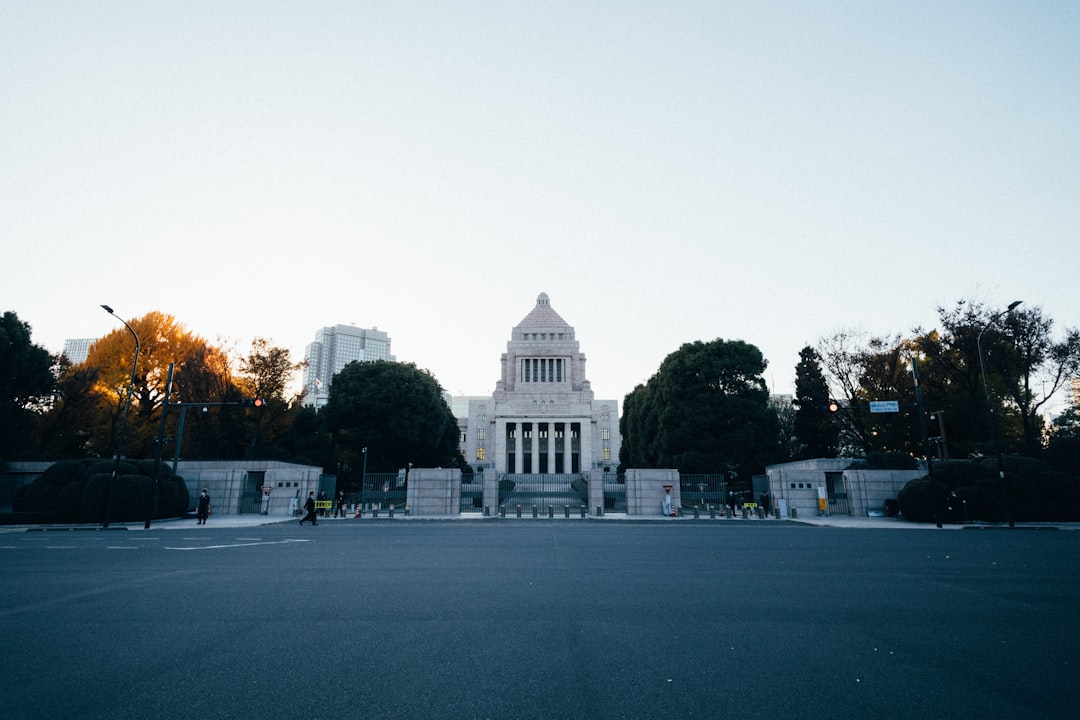
Government Shutdown Travel Costs Revealed: The Hidden Price Tag
Introduction: When Politics Grounds Travel
Government shutdowns hurt many people. Travelers face big problems. Airports get crowded. Flights get delayed. National parks close. These issues cost money. This article explains the real costs. We will show you the numbers. You will learn how shutdowns affect travel. We will give you tips to protect your plans. Our information comes from trusted sources. We use government data and expert opinions. This helps you understand the true impact.
Travel is important to our economy. Millions of people work in tourism. Shutdowns put these jobs at risk. Families lose vacation money. Businesses lose customers. The damage lasts long after the shutdown ends. We will explore all these effects. You will see why this matters to everyone. Even if you don't travel now, you are affected. The economy touches all our lives. Let's begin our journey into shutdown costs.
The Immediate Impact on Air Travel
Air travel suffers quickly during shutdowns. TSA agents work without pay. Many call in sick. This causes long security lines. The FAA has fewer staff. This slows air traffic control. Flights get delayed or canceled. Passengers miss connections. They lose hotel bookings. They miss important events.
TSA Staffing Crises
TSA agents are essential workers. But they don't get paid during shutdowns. Many cannot afford to work. They have families to feed. So they stay home. This creates security shortages. Airports must close checkpoints. Remaining agents work harder. They get tired and stressed. This affects security quality.
The 2019 shutdown showed this clearly. TSA sick calls doubled. Wait times tripled at some airports. Miami airport closed a terminal. Houston airport saw 3-hour waits. Travelers missed flights. The TSA website has current data.
FAA Operations Disruption
The FAA runs our air traffic control. During shutdowns, many controllers stay home. Those who work do so without pay. This is dangerous. Tired controllers make mistakes. The system slows down. Flights get delayed across the country.
In 2019, the FAA recalled some workers. But the damage was done. Major airports had significant delays. The FAA website tracks these impacts.
National Parks: Closed Gates, Lost Revenue
National parks are popular destinations. During shutdowns, many close completely. Some stay open with limited staff. But services are reduced. Bathrooms close. Trash piles up. Safety becomes a concern.
Visitor Spending Losses
Tourists spend money near parks. They stay in hotels. They eat in restaurants. They buy gas and supplies. When parks close, this spending stops. Local businesses suffer greatly.
The 2013 shutdown lasted 16 days. National parks lost 7 million visitors. Gateway communities lost $414 million in spending. The National Park Service has detailed reports.
Long-Term Damage to Parks
Parks suffer physical damage during shutdowns. Without staff, visitors sometimes misbehave. They leave trash. They damage facilities. Some venture into closed areas. This creates safety hazards.
Repairing this damage costs money. The parks already have maintenance backlogs. Shutdowns make these problems worse. It takes months to recover.
Economic Ripple Effects Across Tourism
The travel industry connects many businesses. Hotels, airlines, and restaurants depend on each other. When one part suffers, others feel it too. Shutdowns create chain reactions.
Hotel Industry Impacts
Hotels near government facilities suffer most. Washington DC hotels see many cancellations. Business travelers postpone trips. Tourists change plans. Occupancy rates drop sharply.
During the 2019 shutdown, DC hotel revenue fell 10%. This meant millions in lost income. The American Hotel Association tracks these numbers.
Tour Operator Struggles
Tour companies plan trips months in advance. Shutdowns force last-minute changes. They must refund customers. They lose deposits paid to suppliers. Some small operators go out of business.
One DC tour company reported losing $50,000 during a 35-day shutdown. They had to lay off staff. Recovery took over a year.
Real Examples: Stories From Recent Shutdowns
Let's look at real people affected by shutdowns. Their stories show the human cost.
The Family Vacation Disaster
The Johnson family saved for two years. They planned a Washington DC trip. Their shutdown timing was unlucky. The Smithsonian museums closed. The National Zoo closed. Their hotel wouldn't refund their deposit. They lost $2,500 and their dream vacation.
The Small Business Owner
Maria runs a tour bus company near Yosemite. During a 2019 shutdown, her business dropped 80%. She had to take out loans to pay drivers. She almost lost her business. "We're still recovering," she says.
Statistics: The Numbers Don't Lie
Here are key statistics from recent shutdowns:
- 2013 shutdown (16 days): $2.1 billion in lost travel spending
- 2019 shutdown (35 days): $3 billion in economic damage
- TSA attrition rate increased 200% during 2019 shutdown
- National Park Service lost $6 million daily in 2019 shutdown
- Hotel industry lost $100 million weekly during 2019 shutdown
Sources: U.S. Travel Association, Bureau of Labor Statistics
Practical Tips: Protecting Your Travel Plans
You can reduce shutdown risks. Follow these practical tips.
Before You Book
- Check the political calendar. Avoid travel during budget deadlines.
- Purchase travel insurance. Make sure it covers government shutdowns.
- Book refundable rates. Pay extra for flexibility.
- Choose diverse destinations. Include non-government attractions.
During a Shutdown
- Contact airlines immediately. Ask about waiver policies.
- Call hotels about cancellation options.
- Check official websites for closure information.
- Have backup plans ready.
FAQ: Your Questions Answered
What happens to my flight during a shutdown?
Flights still operate. But delays are common. Security lines are longer. Allow extra time at airports.
Can I get refunds for canceled trips?
It depends on your bookings. Refundable tickets help. Travel insurance may cover shutdowns. Always check policies carefully.
Do national parks completely close?
Some parks close entirely. Others remain open with limited services. Check the NPS website for specific park status.
How long do shutdown effects last?
Immediate effects end when funding resumes. But economic impacts can last months. Some businesses never recover.
Can I visit Washington DC during shutdowns?
You can visit, but many attractions close. Museums and monuments may be inaccessible. Private tours might still operate.
Are international trips affected?
Yes. Passport processing slows down. Customs and border protection may have delays. Allow extra time for international travel.
What about road trips?
Road trips are less affected. But national park closures may force route changes. Rest areas might close in some states.
Step-by-Step Guide: Shutdown Travel Planning
Step 1: Research Timing
Check congressional schedules. Budget deadlines often happen in September and December. Avoid these periods if possible.
Step 2: Purchase Protection
Buy travel insurance early. Read the fine print. Ensure shutdown coverage is included. Keep policy documents handy.
Step 3: Book Flexibly
Choose refundable options. Pay with credit cards for protection. Avoid non-refundable advance purchases.
Step 4: Monitor News
Watch budget negotiations. Sign up for travel alerts. Follow relevant agencies on social media.
Step 5: Have Backup Plans
Identify alternative activities. Know your cancellation deadlines. Keep important phone numbers ready.
Conclusion: The True Cost of Political Gridlock
Government shutdowns cost everyone. Travelers lose money and time. Workers suffer without pay. Businesses face uncertainty. The economy takes hits that last for months.
We must understand these impacts. This knowledge helps us plan better. It also shows why political solutions matter. Travel connects people and places. It supports communities across America. We should protect this valuable industry.
Next time you plan a trip, remember these lessons. Be prepared for possible disruptions. Support businesses affected by shutdowns. Together, we can build a more resilient travel system.
Safe travels and wise planning to all.