
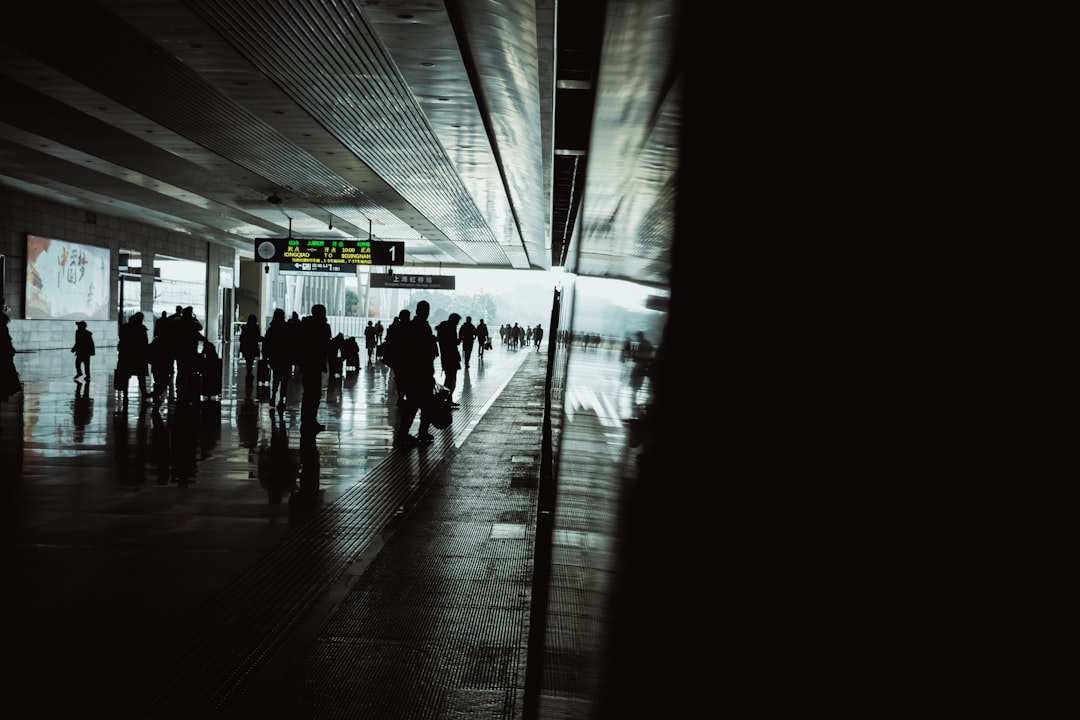
Government Shutdown Travel Chaos: What Happens When TSA Workers Go Without Pay
Introduction: The Looming Threat to Your Travel Plans
A government shutdown creates big problems for travelers. When politicians cannot agree on a budget, many government workers stop getting paid. This includes TSA agents who keep airports safe. These workers screen passengers and bags at security checkpoints. Without them, air travel would stop completely.
During past shutdowns, TSA workers faced difficult choices. They had to decide whether to work without pay or stay home. Many could not afford to work for free. They have bills to pay and families to feed. This situation creates long security lines and flight delays. Some airports might even close security checkpoints entirely.
This article explains everything you need to know. We will cover how shutdowns affect TSA workers. We will show how your travel plans could be disrupted. You will learn practical tips to protect your trip. We include real examples from past shutdowns. You will understand what to expect and how to prepare.
Travelers need to be aware of these risks. A government shutdown can happen with little warning. Knowing the facts helps you make smart decisions. You can avoid getting stuck at airports or missing important flights. Let's explore this important topic in detail.
What Exactly is a Government Shutdown?
A government shutdown happens when Congress fails to pass spending bills. These bills fund government operations. Without funding, many agencies must stop non-essential services. This affects millions of federal workers across the country.
Why Shutdowns Occur
Shutdowns occur for several reasons. Political disagreements are the main cause. Different parties may want different budget priorities. Sometimes they cannot agree on time. Other times, they disagree on specific issues. These can include border security or healthcare funding.
The process begins when funding expires. Congress must pass new spending bills before deadlines. If they miss these deadlines, a shutdown begins. Some workers are deemed "essential" and must work without pay. Others are "non-essential" and stay home. TSA workers are considered essential personnel.
Historical Context of Government Shutdowns
The United States has experienced many shutdowns. The longest occurred in 2018-2019. It lasted 35 days. During this time, about 800,000 workers went without pay. Another 1.2 million worked without knowing when they would get paid.
According to the Congressional Research Service, there have been 21 funding gaps since 1976. Some lasted only a day. Others continued for weeks. Each shutdown affects different government services. Air travel security is always impacted because TSA workers are essential.
TSA Workers: The Frontline of Airport Security
The Transportation Security Administration employs about 60,000 people. These include transportation security officers and federal air marshals. They work at approximately 430 airports nationwide. Their job is to protect millions of travelers every day.
TSA Responsibilities During Normal Operations
TSA workers have many important duties. They operate security screening equipment. This includes X-ray machines and body scanners. They check passenger identification and boarding passes. They screen carry-on bags and personal items. They also perform pat-down searches when needed.
These workers ensure prohibited items don't reach aircraft. They look for weapons, explosives, and other threats. They also manage security lines and direct passengers. Their work requires constant attention and precision. Mistakes could have serious consequences for aviation safety.
TSA Pay Structure and Financial Reality
Most TSA workers earn between $30,000 and $60,000 annually. According to FederalPay.org, the average TSA officer makes about $40,000 per year. Many live paycheck to paycheck. They have mortgages, rent, car payments, and family expenses.
During shutdowns, these workers face immediate financial pressure. They must decide whether to report to work without pay. Many cannot afford to do this for long. Some take second jobs or rely on savings. Others seek assistance from food banks or family members.
Immediate Impacts on Airport Operations
When TSA workers don't get paid, airport operations suffer immediately. The effects become visible within days. Travelers experience longer wait times and more stress.
Security Line Delays and Wait Times
TSA screeners may call in sick or resign during shutdowns. This creates staff shortages at security checkpoints. Remaining workers face heavier workloads. They may become stressed and less efficient. Security lines grow longer as a result.
During the 2019 shutdown, some airports saw 50-100% increases in wait times. Miami International Airport had to close a terminal temporarily. LaGuardia Airport in New York experienced major delays. The TSA website provides current wait time information. But during shutdowns, these times become unpredictable.
Reduced Security Checkpoint Operations
Airports may close some security checkpoints to consolidate staff. This forces all passengers through fewer lanes. It creates bottlenecks and crowding. Travelers might miss flights even when they arrive hours early.
Some smaller airports might reduce operating hours. Others might close entirely if they cannot maintain security standards. The Federal Aviation Administration monitors these situations closely. But they have limited options during funding lapses.
Long-Term Consequences for Air Travel
Short shutdowns cause temporary problems. Longer shutdowns create lasting damage. The aviation system suffers in multiple ways.
TSA Workforce Morale and Retention
Working without pay damages employee morale. TSA workers feel undervalued and stressed. Many seek other employment during and after shutdowns. The agency faces higher turnover rates. Training new screeners takes time and money.
According to a Government Accountability Office report, TSA attrition rates spike during shutdowns. Experienced workers leave for more stable jobs. This reduces overall security expertise. It takes months or years to rebuild a qualified workforce.
Aviation Security Concerns
Security might become less effective during shutdowns. Stressed, distracted workers may miss threats. High turnover means less experienced screeners. Reduced staffing means faster, less thorough screenings.
The Department of Homeland Security monitors these risks closely. But they have limited ability to prevent problems during funding gaps. Travelers should remain alert and patient during these periods.
Real Examples from Past Government Shutdowns
History shows us what happens during government shutdowns. These real examples help us understand potential impacts.
The 2018-2019 Shutdown: 35 Days of Chaos
This was the longest government shutdown in U.S. history. TSA absentee rates reached 10% at some airports. Normally, the rate is about 3%. Some airports experienced emergency-level staffing shortages.
At Dallas/Fort Worth International Airport, wait times exceeded two hours. The airport had to reassign administrative staff to screening duties. Several airports reduced operating hours. Some offered financial assistance to unpaid TSA workers.
The 2013 Shutdown: 16 Days of Disruption
This shorter shutdown still caused significant problems. TSA training academies closed during this period. This created a backlog of new hires. Security lines grew at major hubs like Atlanta and Chicago.
According to CNN coverage from that time, some passengers missed international connections. Airlines had to rebook thousands of travelers. The economic impact reached billions of dollars nationwide.
Practical Tips for Travelers During Shutdowns
You can take steps to protect your travel plans during government shutdowns. Being prepared reduces stress and inconvenience.
Before Your Trip
- Check TSA wait times at your airport using their app or website
- Consider travel insurance that covers government shutdowns
- Pack light to avoid checked baggage delays
- Have important medications and essentials in carry-on bags
- Keep important documents and contact information handy
At the Airport
- Arrive at least 3 hours before domestic flights
- Arrive at least 4 hours before international flights
- Use TSA PreCheck or CLEAR if available
- Be patient and respectful with security staff
- Have your ID and boarding pass ready
- Follow all security rules to avoid additional screening
Alternative Travel Options
- Consider traveling by train or car if possible
- Look into regional airports that might be less crowded
- Check if your airline offers flexible change policies
- Monitor news for airport-specific updates
Frequently Asked Questions (FAQ)
Do TSA workers get back pay after a shutdown?
Yes, historically Congress has approved back pay for furloughed workers. However, this doesn't help workers who struggle during the shutdown itself. They must wait weeks or months to receive missed payments.
Can airports hire private security during shutdowns?
No, federal law requires TSA to provide airport security. Airports cannot replace them with private companies. Some airports have limited ability to supplement TSA staffing with local resources.
How long can TSA workers afford to work without pay?
This varies by individual. According to a Federal News Network survey, most federal workers have less than one month of savings. Many would face financial hardship within two weeks of missed paychecks.
Are all TSA workers required to work during shutdowns?
Yes, TSA workers are considered "essential" personnel. They must report to work even without pay. The only exceptions are for approved leave or medical issues.
Do shutdowns affect other travel security?
Yes, Customs and Border Protection officers also work without pay during shutdowns. This can cause longer waits at international arrivals. FAA air traffic controllers face similar situations.
Can I get a refund if my flight is delayed due to shutdown?
It depends on the airline's policy and the specific circumstances. Most airlines offer rebooking but not refunds for government-related delays. Travel insurance might cover some costs.
How can I support TSA workers during shutdowns?
You can be patient and respectful at security checkpoints. Some airports organize food drives or other support. You can also contact your representatives to express support for federal workers.
Statistics and Data: The Real Impact
Numbers help us understand the scale of shutdown impacts. Here are key statistics from past events.
- During the 2019 shutdown, TSA attrition rates increased by 200% (TSA Data)
- Average wait times increased from 15 minutes to 30 minutes at major airports
- 10% of TSA workers called in sick at peak periods during the 2019 shutdown
- The 2019 shutdown cost the U.S. economy $11 billion (Congressional Budget Office)
- 85% of federal workers reported financial stress during shutdowns (Office of Personnel Management)
- TSA screened 2% fewer passengers during the 2019 shutdown despite similar travel volumes
Step-by-Step Guide: Preparing for Shutdown Travel
Follow these steps to minimize disruption to your travel plans.
Step 1: Monitor the Situation
Check news sources regularly as funding deadlines approach. The White House and congressional websites provide updates. Sign up for airline and airport alerts.
Step 2: Review Your Options
Consider changing travel dates if possible. Look into alternative airports or transportation methods. Check your travel insurance coverage.
Step 3: Prepare Documentation
Ensure your ID is current and readily available. Have boarding passes printed or easily accessible on your phone. Keep important contact numbers handy.
Step 4: Pack Strategically
Pack only carry-on bags if possible. Follow TSA rules carefully to avoid additional screening. Keep medications and essentials easily accessible.
Step 5: Plan Your Airport Time
Arrive extra early and expect delays. Have entertainment and snacks available. Know airport amenities and alternate security checkpoints.
Conclusion: Navigating Uncertain Times
Government shutdowns create real challenges for travelers. TSA workers facing unpaid shifts affects airport security operations. Understanding these impacts helps you prepare and respond effectively.
The key is staying informed and flexible. Monitor news about budget negotiations. Have backup plans for important travel. Consider the human impact on federal workers who protect our safety.
While political disputes continue, travelers must adapt. Use the tips and information in this article. They will help you navigate potential disruptions. Remember that patience and preparation make all the difference.
Safe travels require planning and awareness. Government shutdowns add uncertainty to the journey. But with the right knowledge, you can still reach your destination successfully.