
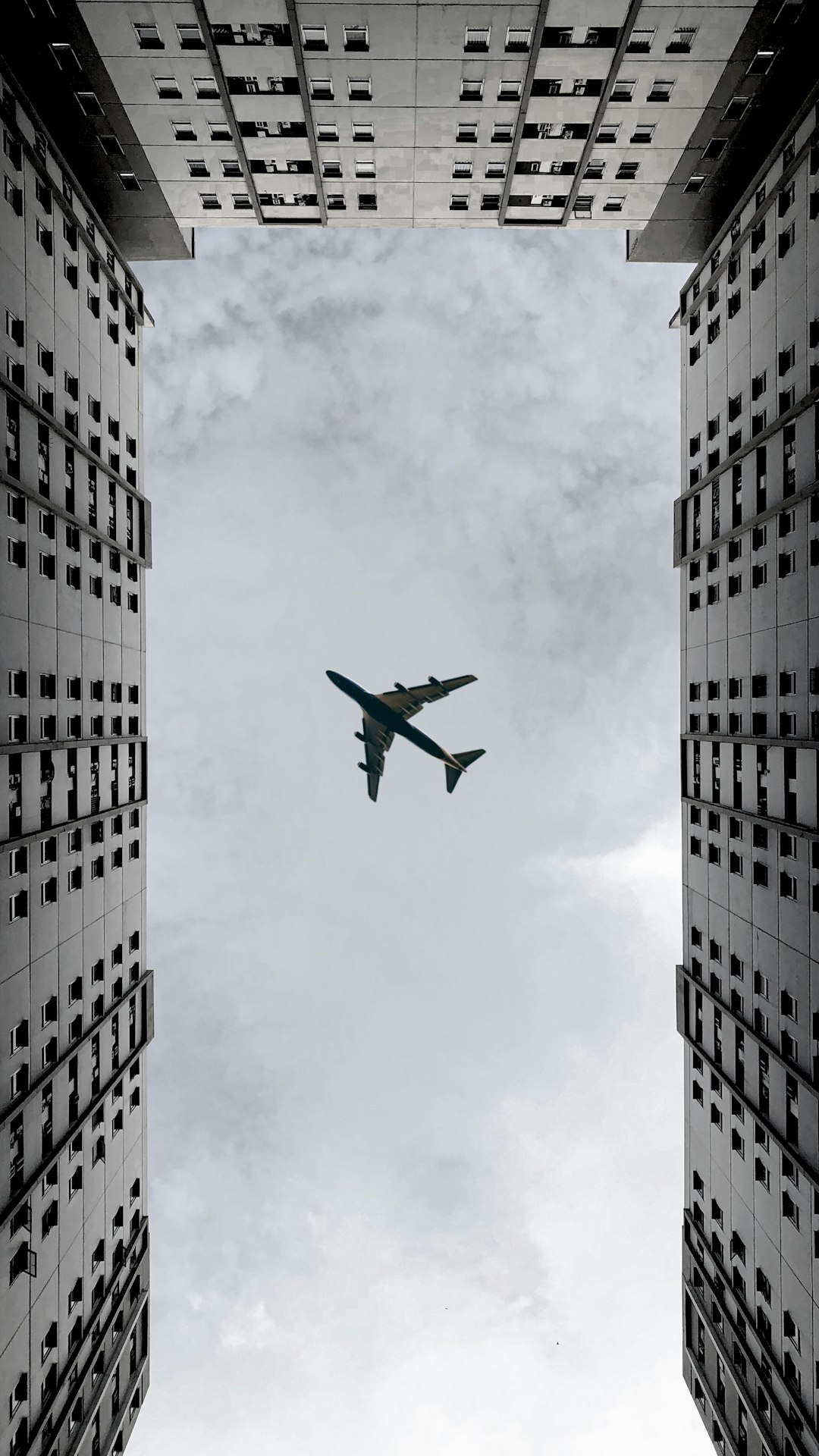
Government Shutdown Crisis: Air Travel Chaos Ahead
Introduction: The Looming Air Travel Disaster
Imagine arriving at the airport for your dream vacation. You have your tickets ready. Your bags are packed. But then you see huge lines. Flights keep getting delayed. Airport staff look stressed and overwhelmed. This nightmare scenario could become reality soon. The reason? A prolonged government shutdown is threatening our air travel system.
When the government shuts down, many essential workers stop getting paid. This includes air traffic controllers and TSA agents. These workers keep our skies safe and our airports running smoothly. Without them, air travel could become chaotic and even dangerous. The last shutdown showed us what can happen. Travelers faced massive delays and cancellations. Security lines stretched for hours.
This article will explain exactly how a government shutdown affects air travel. We will cover all the important details. You will learn which workers are most affected. We will show you how to protect your travel plans. Plus, we will give you practical tips for navigating this difficult situation. The information comes from reliable sources like the Federal Aviation Administration and travel experts.
How Government Shutdowns Paralyze Air Travel
The Essential Workers Who Keep Us Safe
Air traffic controllers have a crucial job. They guide planes through the sky. They prevent collisions. They help pilots during emergencies. During shutdowns, these professionals must work without pay. This creates tremendous stress. Many struggle to pay their bills. Some cannot afford their commute to work. The stress affects their concentration and performance.
TSA agents are equally important. They screen passengers and luggage. They look for dangerous items. They protect us from security threats. Like air traffic controllers, they work without pay during shutdowns. Many are living paycheck to paycheck. Missing even one payment can cause serious financial problems. Some may call in sick to find other work. This leads to staffing shortages.
The Domino Effect on Airport Operations
When essential workers stop showing up, problems multiply quickly. Fewer TSA agents mean longer security lines. Passengers might miss their flights. Airlines must delay departures. This creates a chain reaction across the country. The Federal Aviation Administration tracks these disruptions. Their data shows how one delayed flight affects many others.
Air traffic controller shortages are even more dangerous. With fewer controllers, airports must reduce the number of flights. This causes widespread cancellations. The remaining controllers face heavier workloads. Fatigue becomes a serious concern. The National Air Traffic Controllers Association warns about these risks regularly.
Real Examples From Previous Shutdowns
The 2018-2019 Shutdown: A Warning Sign
The longest government shutdown in US history lasted 35 days. It stretched from December 2018 to January 2019. Air travel suffered significantly during this period. At major airports like LaGuardia and JFK, delays piled up. Some security wait times exceeded two hours. Many TSA agents called in sick because they couldn't afford to work without pay.
Air traffic controllers also felt the strain. Many reported working overtime without compensation. The stress affected their mental health. Some sought financial assistance from food banks. Others looked for different jobs. The situation became so serious that air traffic controllers unions issued public warnings. They said the system was becoming unsafe.
Near-Misses and Safety Concerns
During the 2019 shutdown, several concerning incidents occurred. At New York's LaGuardia Airport, a temporary ground stop was issued. This happened because of staffing shortages. In Washington D.C., near-misses increased at Reagan National Airport. Safety reports documented these close calls. Experts linked them to controller fatigue and stress.
The Aviation Safety Reporting System collected many complaints. Controllers reported difficulty concentrating. Some made errors they wouldn't normally make. The NASA-run system showed a clear pattern. Safety was compromised during the shutdown. This information comes from official government reports and aviation safety experts.
Current Situation and Projections
Which Airports Will Be Hit Hardest?
Some airports will feel the impact more than others. Major hubs with high traffic volumes are most vulnerable. These include:
- Hartsfield-Jackson Atlanta International Airport
- Los Angeles International Airport
- Chicago O'Hare International Airport
- Dallas/Fort Worth International Airport
- Denver International Airport
These airports handle thousands of flights daily. Even small staffing reductions cause big problems. The FAA has contingency plans for shutdowns. But these plans have limits. After about two weeks, the system begins to break down. This timeline comes from aviation industry analysts.
Airline Response and Contingency Planning
Airlines are preparing for potential disruptions. Most major carriers have created task forces. These groups monitor the situation daily. They develop strategies to minimize passenger impact. Common approaches include:
- Waiving change fees for affected flights
- Offering refunds for canceled trips
- Providing more flexible booking options
- Increasing customer service staffing
However, airlines have limited control over government functions. They cannot replace air traffic controllers. They cannot operate security checkpoints. This means even the best airline plans have gaps. Passengers should understand these limitations when making travel decisions.
Practical Tips for Travelers
Before Your Trip: Smart Preparation
Planning ahead is more important than ever. Follow these steps to protect your travel plans:
- Check your flight status frequently. Use airline apps and websites.
- Consider travel insurance that covers government shutdowns.
- Pack essential medications and important documents in carry-on bags.
- Have backup plans for important meetings or events.
- Keep important phone numbers handy, including airline customer service.
Also, monitor news about the shutdown. Pay attention to developments in Washington. The situation can change quickly. Being informed helps you make better decisions. Sign up for airline alerts and government updates. The Department of Transportation provides regular travel advisories.
At the Airport: Survival Strategies
If you must travel during a shutdown, these tips will help:
- Arrive at least 3 hours early for domestic flights
- Arrive 4 hours early for international flights
- Use TSA PreCheck or Clear if available
- Pack light to avoid checked baggage
- Bring snacks and entertainment for long waits
- Download airline apps for real-time updates
- Have a fully charged phone and portable charger
Be patient with airport staff. Remember they are working under difficult conditions. Kindness goes a long way during stressful situations. If you experience long delays, stay calm and follow instructions. Safety remains the top priority for everyone involved.
Economic Impact on Travel Industry
Direct Costs to Airlines and Airports
Government shutdowns cost the travel industry billions. Airlines lose money from canceled flights. They face additional expenses from accommodating stranded passengers. Hotels near airports see cancellations. Rental car companies experience reduced bookings. The U.S. Travel Association tracks these economic impacts.
During the 2019 shutdown, airlines lost approximately $1 billion. This figure comes from industry reports. The losses came from several sources:
- Canceled flights and reduced schedules
- Extra hotel accommodations for passengers
- Increased customer service costs
- Lost business from fearful travelers
Long-Term Consequences for Tourism
The damage extends beyond immediate losses. International travelers avoid the U.S. during shutdowns. They worry about getting stuck or experiencing delays. This hurts hotels, restaurants, and attractions across the country. The U.S. Chamber of Commerce has warned about these effects repeatedly.
Business travel also suffers. Companies cancel meetings and conferences. They cannot risk employees being stranded. This affects cities that rely on convention business. The economic pain spreads through entire communities. Recovery takes time even after the shutdown ends.
Frequently Asked Questions
1. Can I get a refund if my flight is canceled due to shutdown?
Yes, you are entitled to a refund if the airline cancels your flight. This is true regardless of the reason. Department of Transportation rules protect passengers in these situations. You can choose between a refund or rebooking. Some airlines may offer additional compensation.
2. How long can air traffic controllers work without pay?
There is no fixed limit. However, most face financial pressure within two weeks. Many have limited savings. The average air traffic controller earns about $120,000 annually. But they live in expensive areas near major airports. Missing even one paycheck causes significant stress.
3. Are international flights affected differently?
International flights face the same basic challenges. However, they have additional complications. Customs and Border Protection officers may also be working without pay. This can cause longer immigration lines. International travelers should allow extra time for all airport procedures.
4. What about airport restaurants and shops?
These businesses suffer tremendously during shutdowns. Fewer passengers mean fewer customers. Many airport concessions are small businesses. They struggle to survive during extended shutdowns. Some may be forced to close permanently.
5. Can I still use Global Entry and TSA PreCheck?
These programs may be affected. Enrollment centers often close during shutdowns. Existing members can usually still use the services. But new applications face delays. The Department of Homeland Security provides updates on program status during shutdowns.
6. How does this affect flight prices?
Prices often become unpredictable. Some airlines raise prices due to reduced capacity. Others offer discounts to encourage travel. The best approach is to monitor prices closely. Be prepared for sudden changes in both directions.
7. What about air traffic controller training?
Training programs stop completely during shutdowns. This creates long-term staffing problems. The FAA Academy in Oklahoma City closes. New controller hiring freezes. The effects can last for years after the shutdown ends.
Step-by-Step Guide: Protecting Your Travel Plans
Step 1: Assess Your Travel Needs
First, decide if your trip is essential. Consider postponing optional travel. Business trips might be conducted virtually. Family visits could be rescheduled. Be honest about what is truly necessary.
Step 2: Review Your Options
Check your airline's shutdown policy. Most major carriers have special provisions. Understand your rights to refunds or changes. Look into travel insurance options. Compare the costs and benefits carefully.
Step 3: Make Backup Plans
Identify alternative transportation methods. Research train or bus options. Consider driving if practical. Have contingency plans for important events. Share these plans with travel companions.
Step 4: Prepare for Airport Delays
Assume everything will take longer than usual. Pack accordingly. Bring extra medications. Have important phone numbers written down. Charge all electronic devices fully.
Step 5: Stay Informed
Monitor official sources regularly. Check FAA and TSA social media accounts. Sign up for airline alerts. Watch news developments from Washington. Be ready to adjust plans quickly.
Conclusion: Navigating Uncertain Skies
Government shutdowns create real dangers for air travel. They stress the system and the people who operate it. Passengers face uncertainty and inconvenience. The economic costs are substantial. Everyone suffers when essential workers go unpaid.
However, knowledge and preparation can reduce the impact. Understanding how shutdowns affect air travel helps you make smarter decisions. Following practical tips can save you time and stress. Monitoring the situation closely allows you to adapt quickly.
The most important thing is safety. Never pressure airport staff to cut corners. Respect the challenges they face. Remember that delays and cancellations protect everyone's wellbeing. With patience and planning, we can weather these difficult periods.
Stay informed, stay prepared, and stay safe. The travel industry has overcome many challenges before. It will recover from this one too. But in the meantime, smart travelers will take precautions and adjust expectations. Safe journeys to all, even in these turbulent times.