
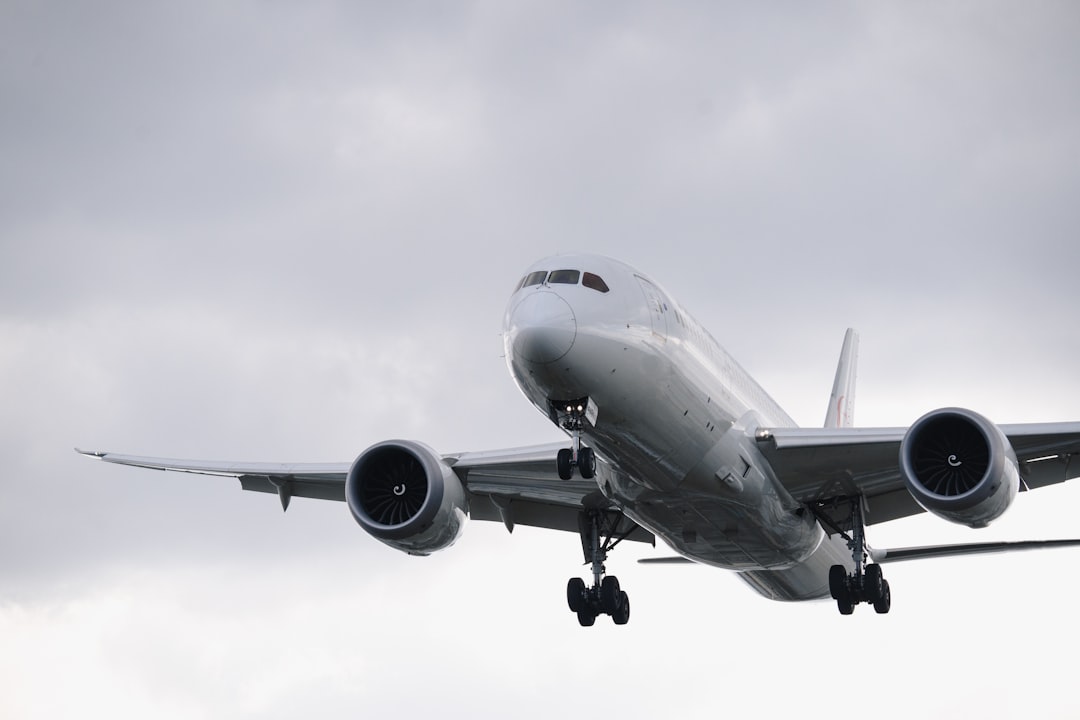
Government Shutdown Chaos: Your Flight Nightmare Explained
Introduction: When Politics Grounds Your Travel Plans
Imagine arriving at the airport for your dream vacation. You have your bags packed. Your family is excited. Then you see long lines everywhere. Flights are delayed or canceled. Airport staff look stressed. This is the reality during government shutdowns. Air travel becomes unpredictable and frustrating.
Government shutdowns affect many parts of air travel. Security lines get longer. Flight delays increase. Air traffic control has fewer staff. These problems impact millions of travelers. Your travel plans can be ruined by political decisions in Washington.
This comprehensive guide explains everything. You will learn how shutdowns affect air travel. We provide practical tips to protect your plans. Real stories from travelers show the human impact. Statistics reveal the scale of the problem. Understanding these issues helps you travel smarter.
Recent shutdowns have caused major disruptions. The 2018-2019 shutdown lasted 35 days. It was the longest in US history. Air travel suffered significantly during this period. Travelers faced unprecedented challenges. The situation became so bad that airports had to close security checkpoints.
How Government Shutdowns Paralyze Air Travel Systems
The Domino Effect on Airport Operations
Government shutdowns create a domino effect. One problem leads to another. Essential workers are furloughed. This means they stay home without pay. Air traffic controllers are essential but work without pay. This creates stress and financial hardship.
Transportation Security Administration (TSA) officers also work without pay. Many call in sick because they cannot afford to work. This causes security staffing shortages. Longer security lines result from fewer screeners. Some airports must consolidate checkpoints.
Customs and Border Protection (CBP) officers face similar issues. International travel becomes slower. Passport processing delays occur. Global Entry and TSA PreCheck applications pile up. The entire system slows down significantly.
Air Traffic Control: The Invisible Crisis
Air traffic controllers have crucial jobs. They ensure planes maintain safe distances. They guide planes during takeoff and landing. During shutdowns, they work without pay. This creates dangerous situations.
The Federal Aviation Administration (FAA) reported concerning data. During the 2019 shutdown, many controllers called in sick. Staffing levels reached critical lows. The FAA had to combine control positions. This increased controller workload.
Fewer controllers mean reduced airspace capacity. Flights face more ground delays. Airlines must adjust schedules. Controllers make more mistakes when overworked. This compromises safety for everyone.
Real Traveler Stories: When Vacations Become Nightmares
Family Vacation Turned Airport Camping
Sarah Johnson planned a Disney World trip for her family. They saved for two years. During the 2019 shutdown, they flew from Chicago. Their return flight was canceled due to staffing issues. The family spent 28 hours at Orlando Airport.
"We saw TSA lines stretching through the terminal," Sarah recalled. "People were missing flights everywhere. We finally got rebooked after two days. Our vacation memories are now about airport chaos."
Business Traveler's Conference Disaster
Michael Chen is a sales executive. He had an important conference in Las Vegas. His flight was delayed six hours due to air traffic control shortages. He missed the first day of meetings.
"I lost a major client because I wasn't there," Michael said. "The airline couldn't do anything. They said it was government-related. My company lost thousands of dollars."
By the Numbers: Shutdown Impact Statistics
Government shutdowns create measurable problems. Here are key statistics from recent events:
- TSA sick calls increased 300% during the 2019 shutdown (TSA.gov)
- Average security wait times doubled at major airports
- 10% of air traffic controllers called in sick at peak periods
- Flight delays increased by 45% during shutdown weeks
- Airline industry lost $105 million daily during 2019 shutdown
- 50,000 TSA officers worked without pay for 35 days
- 14,000 FAA employees were furloughed
- 7 airports closed security checkpoints due to staffing shortages
Practical Survival Guide: Protecting Your Travel Plans
Before Your Trip: Smart Preparation
Check government shutdown status before booking flights. Monitor news about budget negotiations. Consider travel insurance that covers political events. Book early morning flights when possible. These have better recovery time from delays.
Pack essential medications in carry-on bags. Include chargers and entertainment for long waits. Download airline apps for real-time updates. Have important phone numbers saved offline. Keep emergency cash for unexpected expenses.
At the Airport: Navigating the Chaos
Arrive at least 3 hours before domestic flights. Allow 4 hours for international travel. Check security wait times online before leaving home. Use TSA PreCheck or Clear if available. These lines are often shorter during disruptions.
Stay calm and patient with airport staff. Remember they are working without pay. Be kind to TSA officers and airline employees. They face tremendous stress during shutdowns. Your understanding helps everyone.
When Flights Get Canceled: Your Action Plan
- Immediately contact your airline via app or phone
- Get in line at the customer service desk
- Check alternative airports within driving distance
- Contact your hotel about late arrival policies
- Notify people expecting your arrival
- Keep all receipts for potential reimbursement
- Consider train or bus alternatives if available
Airline Responses: How Carriers Handle Shutdown Chaos
Schedule Adjustments and Waivers
Airlines monitor shutdown impacts closely. They issue travel waivers when problems occur. These waivers allow fee-free changes. Each airline has different policies. Check your carrier's website for current information.
During the 2019 shutdown, major airlines took action. American Airlines offered flexible rebooking. Delta Air Lines waived change fees for affected airports. United Airlines provided hotel vouchers for stranded passengers.
Industry Advocacy and Political Pressure
Airlines for America represents major US carriers. This group lobbies Congress during shutdowns. They emphasize the economic damage to aviation. The Airlines for America website provides industry updates.
Airline CEOs often send letters to politicians. They urge quick resolution of budget disputes. The industry cannot function properly during extended shutdowns. Everyone loses when air travel suffers.
Frequently Asked Questions About Shutdown Travel
1. Can I get a refund if my flight is canceled due to shutdown?
Yes, federal law requires refunds for canceled flights. This applies regardless of cancellation reason. You can choose a refund or rebooking. Contact your airline promptly for options.
2. Does travel insurance cover government shutdown disruptions?
It depends on your policy. Most basic policies exclude political events. "Cancel for any reason" coverage usually applies. Read your policy details carefully before traveling.
3. How early should I arrive at the airport during a shutdown?
Add at least 90 minutes to normal arrival times. For domestic flights, arrive 3 hours early. International travelers should allow 4 hours. Check your airport's website for specific recommendations.
4. Are TSA PreCheck and Global Entry affected?
Yes, application processing stops during shutdowns. Existing members can still use benefits. However, enrollment centers close. Interview appointments get rescheduled.
5. What happens to FAA safety inspections during shutdowns?
Routine inspections may be reduced. Emergency inspections continue. Safety remains the top priority. But resources are stretched thin.
6. Can airlines cancel my flight in advance due to shutdown concerns?
Yes, airlines proactively cancel flights. They do this to manage operational challenges. You will receive notification if this happens. Rebooking options will be provided.
7. How long do airport problems last after a shutdown ends?
Recovery takes 1-2 weeks typically. Staff need to return to normal routines. Backlogged work must be processed. Systems require time to stabilize.
The Human Cost: Stories From Airport Workers
TSA Officer's Financial Struggle
Maria Rodriguez is a TSA officer at Miami Airport. She worked 35 days without pay during the 2019 shutdown. "I had to choose between gas for work and food for my kids," she shared. "Many officers found second jobs. Some quit entirely. The stress was unbelievable."
Air Traffic Controller's Safety Concerns
John Peterson has controlled air traffic for 15 years. He worked without pay during two shutdowns. "We cannot make mistakes," John explained. "But when you're worried about mortgage payments, focus suffers. The flying public doesn't see our stress, but they feel the effects."
Political Solutions: Preventing Future Travel Disruptions
Proposed Legislation and Reforms
Several bills address shutdown impacts. The Aviation Funding Stability Act would protect aviation funding. It creates separate budgets for essential services. This prevents furloughs during political disputes.
Other proposals make air traffic controllers essential employees. This ensures they always receive pay. Similar protections could extend to TSA officers. These changes require Congressional action.
Industry Best Practices and Contingency Planning
Airlines develop shutdown contingency plans. They increase customer service staffing. Flexible booking policies help manage disruptions. Better communication keeps travelers informed.
Airports coordinate with federal agencies. They develop local solutions for staffing shortages. Some airports use private contractors for certain functions. These measures reduce passenger impacts.
Conclusion: Navigating the New Normal of Air Travel
Government shutdowns have become recurring events. They profoundly impact air travel every time. Understanding these effects helps you travel smarter. Preparation reduces stress and inconvenience.
The aviation system relies on dedicated workers. TSA officers, air traffic controllers, and FAA staff keep us safe. They deserve reliable pay and support. Their financial security directly affects travel safety.
Travelers must stay informed and flexible. Monitor political developments when planning trips. Consider shutdown risks when making travel decisions. Protect your investment with appropriate insurance.
The long-term solution requires political cooperation. Aviation is essential infrastructure. It should not be hostage to budget disputes. Until reforms happen, preparation is your best defense.
Safe travels require planning and awareness. Use the tips in this guide for your next trip. Share this knowledge with fellow travelers. Together we can navigate these challenging times.