
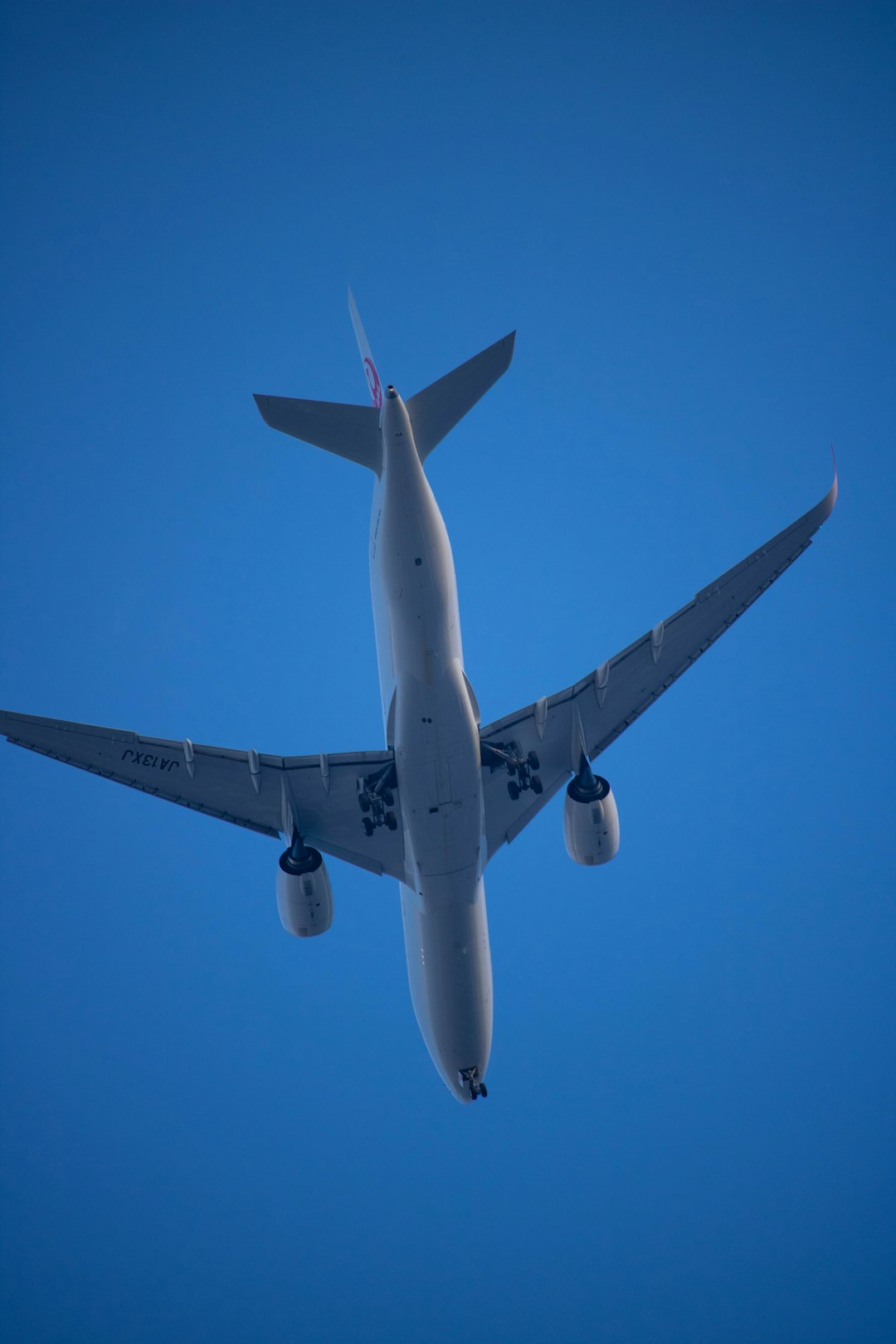
Government Shutdown Chaos: Why Your Flights Are Delayed
Introduction: When Politics Grounds Your Travel Plans
Imagine arriving at the airport. You feel excited about your trip. Then you see the signs. "Flight delayed." "Canceled." The airport feels chaotic. Travelers look stressed. What is happening? The answer might surprise you. Government shutdowns cause major travel problems. This affects millions of people. Air traffic controllers work without pay. Security lines grow longer. Flights get delayed or canceled. Your vacation or business trip suffers. This article explains everything. You will learn how government shutdowns impact travel. We cover the real reasons behind delays. You get practical tips to protect your plans. Understanding this helps you travel smarter. Let's explore this important topic together.
What Exactly is a Government Shutdown?
A government shutdown happens when Congress cannot agree on funding. This means many government services stop. Some federal employees stop working. Others work without pay. This situation can last for days or weeks. It creates problems across the country. Travel is one area hit hard. USA.gov explains government shutdowns in detail.
How Shutdowns Begin
Congress must pass spending bills each year. These bills fund government operations. Sometimes lawmakers disagree. They cannot reach a compromise. When funding runs out, shutdowns begin. Essential services continue. But many functions pause.
Key Agencies Affected
- Transportation Security Administration (TSA)
- Federal Aviation Administration (FAA)
- Customs and Border Protection (CBP)
- National Park Service
- Federal Aviation Administration
The Direct Impact on Air Travel Operations
Government shutdowns directly affect air travel. Critical aviation workers face uncertainty. Many must work without pay. This creates stress and distraction. Safety and efficiency suffer. Let's examine the specific impacts.
Air Traffic Control Challenges
Air traffic controllers guide planes safely. They work in towers and centers nationwide. During shutdowns, they work without pay. This causes financial stress. Some call in sick. Others seek other jobs. Remaining staff face heavier workloads. The FAA describes air traffic controller responsibilities.
TSA Staffing Shortages
TSA officers screen passengers and baggage. They ensure airport security. During shutdowns, many don't receive paychecks. Some cannot afford to work. They miss shifts or resign. This leads to understaffed checkpoints. Lines become much longer. Security may be compromised.
FAA Safety Inspections
The FAA conducts vital safety checks. They inspect aircraft, airports, and equipment. During shutdowns, many inspectors get furloughed. This means safety oversight decreases. Potential problems might go unnoticed. This risks passenger safety.
Real Examples From Recent Shutdowns
Recent government shutdowns show clear patterns. Travel disruptions become evident quickly. Let's examine specific incidents that affected real travelers.
2018-2019 Shutdown Impact
The 2018-2019 shutdown lasted 35 days. It was the longest in U.S. history. Air travel suffered significantly. TSA sick calls increased by 300%. Some airports closed security checkpoints. Wait times exceeded two hours. Several airports experienced major delays.
Miami International Airport Case Study
During one shutdown, Miami Airport closed a concourse. This happened due to TSA staff shortages. Dozens of flights were affected. Passengers missed connections. The airport struggled for weeks. CBS News Miami reported on these disruptions.
LaGuardia Airport Ground Stop
In January 2019, LaGuardia Airport issued a ground stop. This halted all incoming flights. The reason? Too many air traffic controllers called in sick. The airport essentially froze. Travel chaos spread nationwide.
Statistics That Reveal the True Impact
Numbers tell a powerful story. Government shutdowns create measurable travel problems. Here are key statistics from recent events.
Flight Delay Data
- During the 2019 shutdown, flight delays increased by 25%
- Average delay times increased from 15 to 45 minutes
- Over 3,000 flights experienced significant delays
- Cancelation rates doubled at major hubs
TSA Performance Metrics
- TSA sick calls increased from 3% to 10% daily
- Average wait times increased from 15 to 90 minutes
- Some airports reported 2-hour security lines
- Screening efficiency decreased by 40%
Economic Impact Numbers
- Airline industry losses exceeded $1 billion
- Small airports lost up to $30,000 daily
- Travel-related businesses suffered 15% revenue drops
- Hotel cancellations increased by 22%
Airlines for America provides detailed industry impact data.
Practical Tips for Traveling During Shutdowns
You can still travel during government shutdowns. But you need smart strategies. These tips help minimize disruptions.
Before Your Trip
- Check government status regularly
- Purchase travel insurance with shutdown coverage
- Book early morning flights
- Choose less busy airports
- Pack essential medications in carry-on
At the Airport
- Arrive at least 3 hours early
- Use TSA PreCheck or Clear if available
- Download your airline's mobile app
- Bring snacks and entertainment
- Have backup plans for connections
During Flight Disruptions
- Know your passenger rights
- Contact your airline immediately
- Use social media for faster responses
- Keep all receipts for reimbursement claims
- Consider alternative transportation options
How Airlines Respond to Government Shutdowns
Airlines face major challenges during shutdowns. They must balance safety with operations. Here's how carriers typically respond.
Schedule Adjustments
Airlines may reduce flight frequencies. They cancel less popular routes. They add buffer time between flights. This helps manage delays. Some carriers proactively cancel flights.
Customer Service Changes
Many airlines waive change fees. They offer flexible rebooking options. Some provide hotel vouchers for stranded passengers. Customer service teams receive special training.
Safety Protocols
Airlines increase internal safety checks. They may voluntarily ground aircraft for inspections. They coordinate closely with remaining FAA staff. Safety remains the top priority.
Frequently Asked Questions
Can I get a refund if my flight is canceled due to shutdown?
Yes. Airlines must refund canceled flights. This is federal law. You can choose a refund or rebooking. Contact your airline promptly. Keep all documentation.
Are airports safe during government shutdowns?
Safety remains a priority. But resources are stretched. There may be fewer security staff. Remain alert and report concerns. Follow all security procedures carefully.
How long do travel disruptions typically last?
Disruptions begin immediately. They worsen as shutdowns continue. Recovery takes weeks after funding resumes. The longest impacts affect staffing and training.
Should I avoid travel during shutdowns?
Consider postponing non-essential travel. If you must travel, build in extra time. Have contingency plans. Monitor the situation closely.
What rights do passengers have during shutdown disruptions?
You have the right to refunds for canceled flights. Airlines must provide care during long delays. Keep records of all expenses. Know your airline's contract of carriage.
How can I check current airport conditions?
Use airline apps and websites. Check FAA and TSA social media. Monitor airport websites. Sign up for flight status alerts. The FAA traveler information page provides updates.
Does travel insurance cover shutdown-related issues?
It depends on your policy. Read carefully before purchasing. Some policies exclude government actions. Look for "cancel for any reason" coverage. Ask specific questions before buying.
The Ripple Effect on Related Industries
Air travel problems affect many other businesses. The economic impact spreads widely.
Hotel and Hospitality
Hotels experience cancellations. Conference attendees cannot travel. Business meetings get postponed. Revenue decreases significantly. Staff hours may be reduced.
Tourism and Attractions
National parks may close or reduce services. Museums see fewer visitors. Tour companies lose bookings. Local economies suffer. Seasonal workers face uncertainty.
Ground Transportation
Rental car companies have fewer customers. Ride-share drivers get less business. Taxi lines shorten at airports. Public transit sees reduced ridership.
Step-by-Step Guide to Managing Shutdown Travel
Follow this practical guide if you must travel during a shutdown.
Step 1: Pre-Trip Preparation
Research current conditions. Pack essential items in carry-on. Download necessary apps. Print important documents. Arrange airport transportation.
Step 2: Airport Arrival
Arrive extra early. Check flight status immediately. Proceed directly to security. Have identification ready. Stay informed about changes.
Step 3: During Your Journey
Monitor connections closely. Stay near your gate. Charge electronic devices. Eat when possible. Remain patient and flexible.
Step 4: If Disrupted
Contact your airline first. Explore all options. Document everything. Know your rights. Stay calm and polite.
Conclusion: Navigating Uncertain Skies
Government shutdowns create real travel challenges. They affect safety, efficiency, and reliability. Understanding these impacts helps you prepare. You can take steps to protect your plans. Stay informed about political developments. Have backup options ready. Remember that aviation workers face difficulties too. They deserve our patience and respect. Travel will eventually return to normal. But shutdowns remind us how interconnected our systems are. Your awareness and preparation make a difference. Safe travels, even during uncertain times. For ongoing updates, check TSA travel tips regularly.