
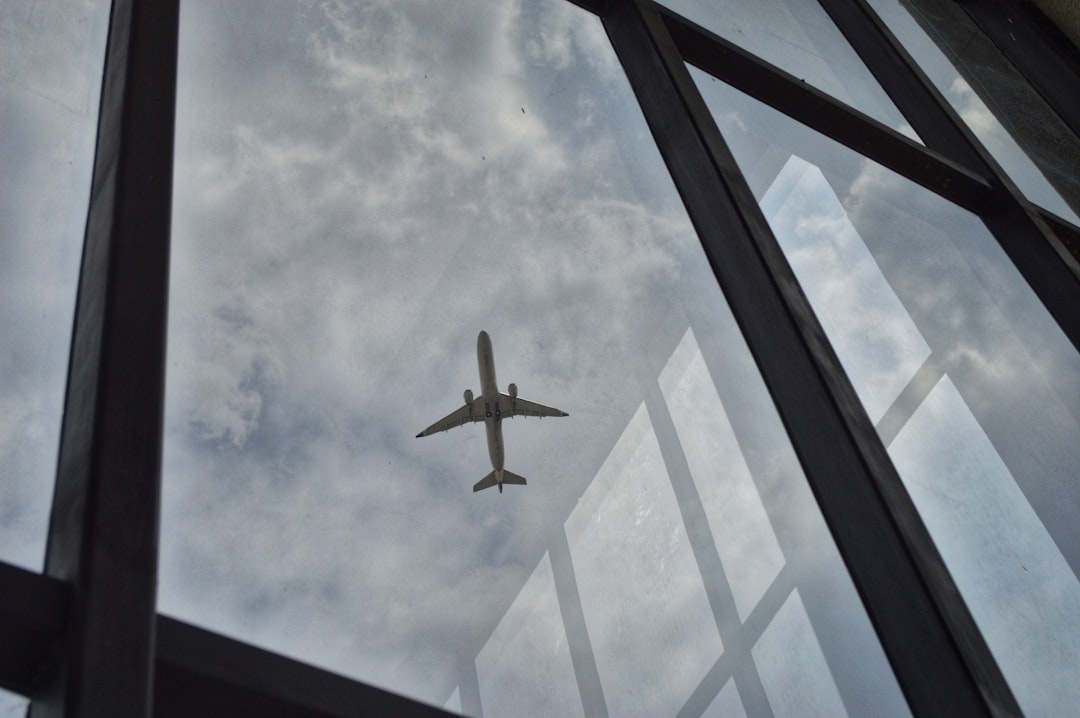
Government Shutdown Chaos: Airport Delays Hit Travelers
Introduction: When Politics Grounds Our Skies
Imagine arriving at the airport for your vacation. You feel excited. Then you see long lines. Flights are delayed. Some are canceled. This is happening across America. Why? A government shutdown has hit air travel hard. Air traffic control towers are closing. Staff are working without pay. Safety concerns are growing. Travel plans are ruined. This affects everyone. Business travelers miss meetings. Families miss reunions. Students miss classes. The economic impact is huge. Airlines lose money. Hotels lose bookings. Restaurants lose customers. This situation shows how connected our systems are. When one part fails, many suffer. In this article, we explore the shutdown's effects. We explain why it happened. We share stories from real travelers. We give tips for navigating this crisis. We look at possible solutions. Knowledge helps you make better choices. Let's understand this complex situation together.
What is a Government Shutdown?
A government shutdown happens when Congress cannot agree on a budget. Without a budget, the government cannot spend money. Many services stop or slow down. This affects millions of Americans. National parks may close. Passport offices may have delays. Scientific research may pause. But some services continue. These are called essential services. Air traffic control is essential. But workers may not get paid during shutdowns. This creates stress and financial hardship. Shutdowns can last days or weeks. The longest was 35 days in 2018-2019. During that shutdown, Federal Aviation Administration (FAA) employees worked without pay. Transportation Security Administration (TSA) agents did too. This caused major problems at airports. Morale dropped. Some employees called in sick. Security lines grew longer. Flights experienced delays. The current situation mirrors these past events.
Why Budget Disagreements Matter
Congress must pass spending bills each year. These bills fund government operations. Sometimes, politicians disagree on priorities. One party may want more spending in some areas. The other may want less. If they cannot compromise, a shutdown occurs. This political process affects real people. Travelers face uncertainty. Workers face financial stress. The economy suffers. Understanding this helps us see the bigger picture.
How Shutdowns Affect Air Travel
Air travel is complex. It requires many people working together. Pilots fly planes. Air traffic controllers guide them. TSA agents screen passengers. FAA staff oversee safety. All these roles are crucial. During a shutdown, many workers are furloughed. This means they are sent home without pay. Essential workers continue working. But they may not receive paychecks. This creates several problems:
- Staffing shortages: Some employees cannot afford to work without pay. They may call in sick or resign.
- Training delays: New air traffic controllers cannot be trained. This affects future staffing.
- Equipment maintenance: Systems may not be properly maintained. This raises safety concerns.
- Morale issues: Stressed workers may make mistakes. This worries travelers.
These problems compound each other. Fewer staff means longer security lines. Stressed controllers might cause delays. Maintenance issues could ground planes. The Airlines for America organization tracks these impacts. They report significant flight delays during past shutdowns.
Air Traffic Control Tower Closures
Some airports have smaller control towers. These may close during shutdowns. Why? They are considered non-essential. But this still affects safety. Pilots must coordinate takeoffs and landings themselves. This requires extra caution. It slows down operations. For example, during the 2013 shutdown, 149 control towers closed. This included towers at regional airports. Travel to smaller cities became harder. The current situation is similar. Several towers have already closed. More may follow if the shutdown continues.
Real Traveler Stories: Voices from the Airports
Let's hear from people affected by the shutdown. Their stories show the human impact.
Sarah's Business Trip Nightmare
Sarah is a sales manager. She had an important meeting in Chicago. Her flight was scheduled for 8 AM. She arrived at the airport two hours early. The security line was incredibly long. Only three TSA lanes were open. Normally, eight lanes operate during peak hours. She waited for ninety minutes. She missed her flight. The next available flight was six hours later. She missed her meeting. Her company lost a potential client. Sarah says, "I understand workers need pay. But this chaos hurts everyone."
The Johnson Family Vacation Disaster
The Johnson family planned a Florida vacation. They saved for a year. They arrived at the airport excited. Then they saw their flight was canceled. No staff could explain why. They waited in line for three hours. Finally, they got a flight for the next day. But they lost one day of their vacation. Their hotel would not refund that night. Mr. Johnson said, "Our kids were crying. This was supposed to be a happy time."
College Student's Ordeal
Maria is a college student flying home for break. Her flight was delayed five hours. She sat on the plane for two hours before takeoff. The pilot announced air traffic control issues. She missed her connecting flight. She slept on airport chairs overnight. She said, "I felt so helpless. No one could tell us what was happening."
Statistics: The Numbers Behind the Chaos
Data helps us understand the scale of the problem. Here are key statistics from past and current shutdowns:
- During the 2019 shutdown, 10% of TSA agents called out sick (TSA data)
- Flight delays increased by 200% at major airports
- Air traffic controller training was suspended, affecting 500+ trainees
- FAA safety inspections dropped by 75%
- New aircraft certifications were delayed, costing manufacturers millions daily
- Regional airports saw 30% fewer flights during tower closures
- The 2019 shutdown cost the travel industry $1.5 billion (U.S. Travel Association)
These numbers show real economic damage. They also reveal safety risks. Fewer inspections mean potential problems go unnoticed. Stressed workers may overlook details. The National Transportation Safety Board (NTSB) has expressed concern about these issues.
Practical Tips for Travelers During Shutdowns
If you must travel during a shutdown, be prepared. These tips can help reduce stress and avoid problems.
Before Your Trip
- Check flight status frequently: Airlines update information regularly. Use their apps or websites.
- Allow extra time: Arrive at least three hours before domestic flights. Add more time for international travel.
- Pack patience: Expect delays and frustrations. Staying calm helps everyone.
- Bring essentials: Pack snacks, water, chargers, and medications in your carry-on.
- Review travel insurance: Understand what your policy covers during government-related disruptions.
At the Airport
- Use TSA PreCheck or Global Entry: These lines are often shorter and move faster.
- Be kind to staff: Remember, workers are stressed too. Courtesy makes their job easier.
- Stay informed: Listen to announcements. Check airport screens for updates.
- Have backup plans: Know alternative flights or transportation options.
- Keep important contacts handy: Have airline customer service numbers saved.
If Your Flight is Canceled
- Contact your airline immediately: Call while standing in line to speak with agents.
- Know your rights: Understand what compensation you are entitled to receive.
- Consider alternative airports: Look for flights from nearby cities.
- Document everything: Keep records of delays, expenses, and communications.
- Stay calm: Anger won't solve problems. Work politely with staff to find solutions.
FAQ: Your Government Shutdown Air Travel Questions Answered
1. Are flights safe during a government shutdown?
Yes, flights remain safe. The FAA maintains strict safety standards. Air traffic controllers continue working. But prolonged shutdowns raise concerns. Maintenance may be delayed. Staff fatigue could increase risks. For now, safety protocols are being followed.
2. Can I get a refund if my flight is delayed due to the shutdown?
It depends on the airline's policy. Some may offer refunds or rebooking. Others may not. Check your airline's contract of carriage. Also review your travel insurance. Document all delays and expenses.
3. How long can a government shutdown last?
Shutdowns can last from days to weeks. The longest was 35 days. There is no legal limit. It ends when Congress passes a funding bill.
4. Should I cancel my travel plans during a shutdown?
Consider your situation. If travel is essential, go but allow extra time. If it's discretionary, postponing might be wise. Monitor the situation daily. Check with your airline about change fees.
5. What airports are most affected?
Major hubs feel the impact first. These include Atlanta, Chicago O'Hare, Los Angeles, and New York JFK. But regional airports suffer too when control towers close.
6. How can I support airport workers during this time?
Be patient and kind. Thank them for their service. Some organizations collect donations for unpaid workers. Check with air traffic controller unions for legitimate efforts.
7. Will this affect international travel to the US?
Yes, international travelers face the same delays. Customs and Border Protection may have staffing issues too. This could mean longer immigration lines.
The Economic Impact: Beyond the Airport
The shutdown's effects spread throughout the economy. Let's examine the broader consequences.
Airline Industry Losses
Airlines lose significant money during shutdowns. Delays and cancellations cost them millions daily. They must provide hotels and meals for stranded passengers. Fuel costs increase when planes sit idle. Stock prices often drop. International Air Transport Association (IATA) estimates global impacts too.
Tourism and Hospitality Suffering
Hotels see cancellations. Restaurants near airports lose business. Tour operators get fewer bookings. Rental car companies have unused vehicles. A single day of shutdown can cost the tourism industry millions. Workers in these industries may lose hours or jobs.
Business Productivity Decline
Business travelers miss meetings. Shipments are delayed. Conferences are canceled. Companies lose productivity. The U.S. Chamber of Commerce estimates billions in economic damage during past shutdowns.
Step-by-Step Guide: What to Do When Your Flight is Canceled
Follow these steps if your flight is canceled due to shutdown issues.
Step 1: Stay Calm and Assess
Take a deep breath. Check the official cancellation notice. Verify it's due to the shutdown. This affects your options.
Step 2: Contact Your Airline
Call the airline while getting in line for an agent. Use their app if available. Be polite but firm. Ask for alternative flights.
Step 3: Know Your Rights
Understand what the airline must provide. This may include meals, hotels, or rebooking. Department of Transportation rules apply.
Step 4: Explore Alternatives
Consider other airlines. Look at nearby airports. Check train or bus options. Weigh the costs and time.
Step 5: Document Everything
Keep records of all communications. Save receipts for extra expenses. Take photos of crowded conditions. This helps with insurance claims.
Step 6: Make a Decision
Choose the best option for your situation. Consider waiting for another flight. Or cancel the trip entirely. Think about costs and stress.
Step 7: Follow Up
After resolving the immediate crisis, seek compensation if due. Complete airline surveys. Share feedback constructively.
Historical Context: Past Shutdowns and Lessons Learned
This is not the first government shutdown. Looking at history helps us understand patterns.
1995-1996 Shutdowns
These were the first major shutdowns under modern budgeting rules. They lasted 5 and 21 days. Air travel saw minor disruptions. But they set precedents for future crises.
2013 Shutdown
This 16-day shutdown closed many control towers. Flight delays increased significantly. Public anger grew. Congress reached a deal after pressure mounted.
2018-2019 Shutdown
At 35 days, this was the longest. TSA sick calls skyrocketed. Major airports had security line waits over two hours. Some flights had no air traffic control. This raised serious safety concerns.
Lessons for the Present
Past shutdowns show that impacts worsen over time. Week one has minor issues. By week three, systems begin failing. Public pressure eventually forces solutions. But damage is already done.
Conclusion: Navigating Uncertainty in Air Travel
Government shutdowns create difficult situations for travelers. They show how political decisions affect daily life. Air travel is particularly vulnerable. It relies on many government functions. When these are disrupted, chaos follows. But knowledge and preparation help. Understanding the causes lets us advocate for solutions. Practical tips reduce personal stress. Learning from history guides future choices. The current situation will eventually resolve. Congress will pass a budget. Workers will receive back pay. Operations will normalize. But the memory of this disruption should inspire change. Perhaps better systems can prevent future shutdowns. Maybe contingency funding could protect essential services. Until then, travelers must remain informed and adaptable. Check our travel tips section for ongoing updates. Share your experiences to help others. Together, we can navigate these challenging times. Safe travels, even when the system is stressed.