
Europe Travel Chaos: Strikes Freeze October Getaways
Introduction: The Perfect Storm for Travel Disruption
October travel in Europe faces major problems. Widespread strikes are happening. Greece joined France, Italy, Netherlands, and Spain. These strikes disrupt peak travel season. Millions of travelers are affected. Flights get canceled. Trains stop running. Ferries remain in ports. Tourist sites close. This creates a travel freeze across Europe.
The timing could not be worse. October is popular for European travel. Summer crowds have left. Weather remains pleasant. Prices are lower than summer. Many people plan autumn vacations. But now their plans are in danger. Travelers need information fast. They need to know what to do.
This guide explains everything. We cover which countries have strikes. We tell you what services are affected. We provide practical tips for travelers. We share how to get refunds. We explain your rights as a passenger. Read this before you travel to Europe in October.
Which Countries Are Affected by Strikes?
Five European nations face serious strikes. Each country has different problems. But all affect travelers. Here is the current situation.
Greece: The Newest Addition to Strike Action
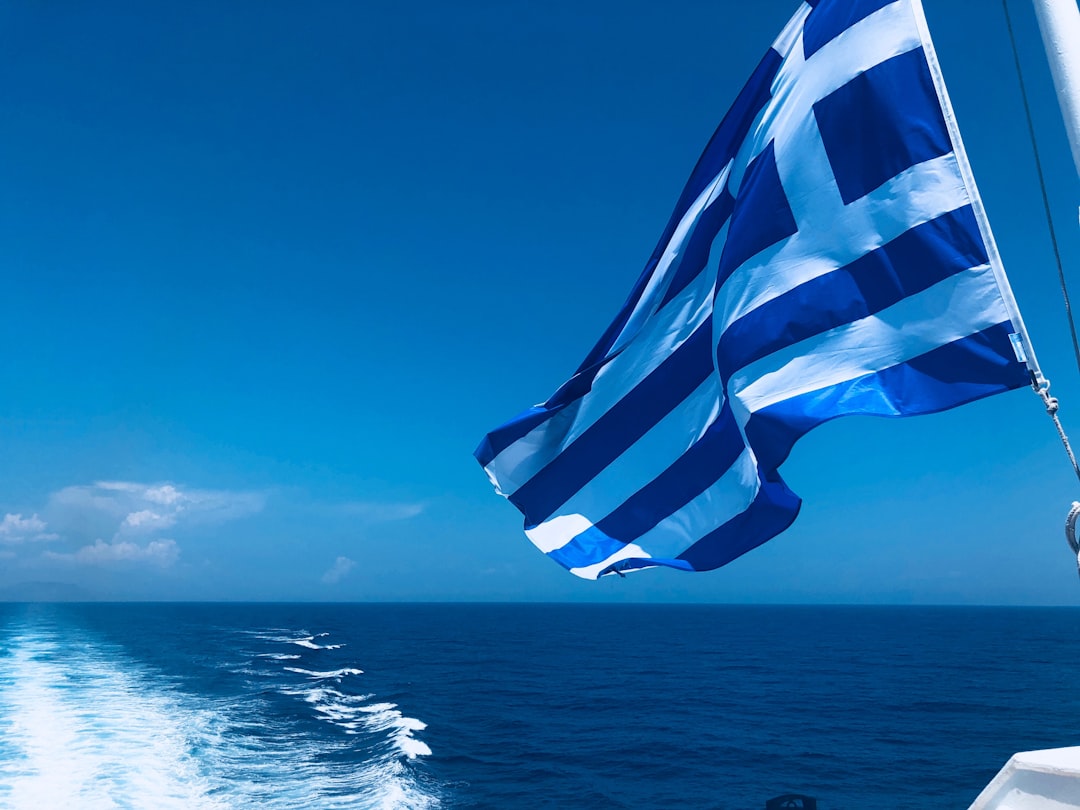
Greece joined the strike wave recently. Public transport workers are protesting. They want better pay and conditions. Athens metro and buses may not run. Ferries to Greek islands could stop. Air traffic controllers might join too. This affects airports nationwide.
October is still warm in Greece. Many tourists visit ancient sites. But strikes could make access difficult. The Acropolis might close. Museums may shut their doors. Travel between islands could become impossible.
France: Ongoing Transport Troubles
France has regular strikes. Train drivers often protest. Air France staff sometimes join them. This October is no different. SNCF trains may be canceled. Paris metro could run limited service. Regional buses might not operate.
Travel to popular areas suffers. Reaching the French Riviera gets hard. Visiting wine regions becomes challenging. Paris attractions remain open mostly. But getting there is the problem.
Italy: Multiple Sector Strikes
Italy faces strikes across sectors. Alitalia ground staff are protesting. Train operators plan walkouts. Even museum workers might strike. This affects major tourist destinations.
Rome, Florence, and Venice could see disruptions. The Vatican might have limited access. High-speed trains may run reduced schedules. Local transport in cities could be minimal.
Netherlands: Airport and Rail Disruptions
Schiphol Airport staff are striking. They want better working conditions. This causes flight delays and cancellations. Dutch railway workers may join too. NS trains could run limited service.
Amsterdam is a major hub. Many travelers connect through Schiphol. Delays here affect travel across Europe. The strike timing hits peak travel season hard.
Spain: Various Transport Sectors Affected
Spanish air traffic controllers plan strikes. Renfe train staff might join them. Bus companies could see walkouts too. This affects both domestic and international travel.
Popular destinations face problems. Barcelona, Madrid, and Seville could see disruptions. Beach resorts might have transport issues. Even getting to airports becomes challenging.
What Services Are Specifically Affected?
The strikes hit different transport types. Each affects travelers differently. Here is what you need to know.
Air Travel Disruptions
Air travel faces major problems. Air traffic controllers strike in some countries. Airport ground staff walk out in others. Baggage handlers might not work. Security staff could join protests.
This causes flight cancellations. Delays become common. Connecting flights get missed. Luggage gets lost. Travel plans fall apart. Even if flights operate, services are limited.
Major airports affected include:
- Paris Charles de Gaulle (France)
- Amsterdam Schiphol (Netherlands)
- Madrid Barajas (Spain)
- Rome Fiumicino (Italy)
- Athens International (Greece)
Rail Transport Problems
Train travel suffers greatly. National railway companies face strikes. High-speed services get canceled. Regional trains stop running. Metro systems in cities close.
Popular train routes affected:
- Eurostar (London to Paris/Brussels)
- TGV (French high-speed trains)
- Frecciarossa (Italian high-speed trains)
- AVE (Spanish high-speed trains)
- ICE (German trains to neighboring countries)
Maritime Transport Issues
Ferry services face disruptions. Greek island ferries might not run. Italian ferries to Sicily could cancel. Spanish ferry services may reduce schedules. This isolates island destinations.
Popular ferry routes affected:
- Athens to Greek islands
- Italian mainland to Sicily/Sardinia
- Spanish mainland to Balearic Islands
- French Riviera to Corsica
Local Transport Challenges
City transport systems face problems. Buses may not run. Metro systems could close. Taxis might be scarce. Ride-sharing services get overwhelmed.
This makes getting around cities difficult. Tourists cannot reach attractions. Hotels become hard to access. Restaurants see fewer customers. The entire tourism economy suffers.
Why Are These Strikes Happening Now?
Several factors cause these strikes. Understanding them helps predict future problems.
Economic Pressures
Inflation affects workers across Europe. Eurostat data shows rising prices. Wages have not kept pace. Transport workers demand higher pay. They want better working conditions too.
The tourism boom creates pressure. More travelers mean more work. Staff feel overworked and underpaid. They use strikes to demand improvements.
Political Factors
Some strikes have political causes. Workers protest government policies. They oppose pension reforms in France. They fight privatization plans in Italy. They demand better public services in Greece.
Transport unions have strong political power. They can disrupt entire economies. Governments often must negotiate with them.
Seasonal Timing
October is strategic for strikes. Tourism is still strong. But summer peak has passed. Workers have more leverage now. Airlines and railways have full schedules. Cancellations cost companies millions.
This timing maximizes impact. It forces companies to negotiate. It puts pressure on governments. But it hurts travelers the most.
Real Examples of Travel Disruption
These are not just theoretical problems. Real travelers face real issues. Here are some examples.
Family Vacation Ruined
The Johnson family from Chicago planned a Greek holiday. They booked flights to Athens. They reserved ferries to Santorini. But strikes canceled everything. Their two-week vacation became a nightmare.
They spent days at Athens airport. No ferries ran to the islands. Hotels in Athens were fully booked. They finally flew home early. They lost thousands of dollars.
Business Trip Canceled
Maria from London had important meetings in Milan. Her flight got canceled due to strikes. No alternative flights were available. Trains to Italy were fully booked. She missed her client presentations.
Her company lost a major contract. She faced criticism from her boss. The strikes cost her professionally.
Honeymoon Disaster
Newlyweds from Australia planned a European tour. They booked Paris, Rome, and Barcelona. Strikes affected all three cities. They spent their honeymoon in airports. Romantic dinners became fast food meals.
They missed their flight home from Amsterdam. Additional hotel costs mounted. Their dream trip became a financial burden.
Statistics: The Scale of Disruption
The numbers show how serious this situation is.
- Over 500,000 travelers affected daily
- More than 2,000 flights canceled across Europe
- Approximately 10,000 train services not running
- Economic impact: €50 million daily in tourism losses
- Hotel cancellation rates up 300% in strike-affected areas
- Travel insurance claims increased by 400%
Source: European Tourism Association
Practical Tips for Affected Travelers
If you travel to Europe in October, be prepared. Follow these practical tips.
Before You Travel
Check strike calendars regularly. EU Reopen provides updates. Contact your airline directly. Confirm your flight status. Have backup plans ready.
Purchase comprehensive travel insurance. Ensure it covers strike action. Keep all booking confirmations. Save emergency contact numbers. Pack essential medicines in carry-on.
During Your Trip
Monitor local news channels. Follow transport company social media. Allow extra time for everything. Have local cash available. Keep mobile devices charged.
Download useful apps:
- Google Translate
- Local transport apps
- Airline apps
- Hotel booking apps
- Maps.me for offline maps
If You Get Stranded
Contact your airline immediately. Ask about alternative routes. Request hotel vouchers if eligible. Keep all receipts for claims. Contact your travel insurance provider.
Know your passenger rights. EU air passenger rights protect you. You may be entitled to compensation. This includes meals and accommodation.
Step-by-Step Guide to Handling Cancellations
Follow these steps if your travel plans get canceled.
Step 1: Immediate Actions
Do not leave the airport immediately. Go to your airline's desk. Get official cancellation confirmation. Ask about alternative flights. Request meal vouchers if needed.
Step 2: Communication
Contact your travel insurance company. Inform them of the situation. Call your hotel about changes. Notify anyone expecting you. Keep family updated about your status.
Step 3: Documentation
Take photos of information boards. Keep all paper documents. Save email confirmations. Record additional expenses. Note names of airline staff you speak with.
Step 4: Alternative Arrangements
Research other transport options. Check train and bus availability. Consider rental cars if possible. Look for nearby hotel rooms. Use apps to find last-minute deals.
Step 5: Compensation Claims
Submit claims to your airline first. Use European Consumer Centre if needed. File insurance claims promptly. Keep copies of all submissions. Follow up regularly on claims.
FAQ: Frequently Asked Questions
1. Can I get a refund if strikes cancel my flight?
Yes, EU law requires refunds. Airlines must refund canceled flights. You get money back within 7 days. You can choose alternative transport instead. The choice is yours.
2. Does travel insurance cover strikes?
Most policies do cover strikes. But check your policy carefully. Some have specific exclusions. Good policies cover extra costs. This includes hotels and meals.
3. How far in advance are strikes announced?
It varies by country. French strikes often give 48 hours notice. Italian strikes might announce 24 hours ahead. Greek strikes can happen with little warning. Always check recent updates.
4. Should I cancel my Europe trip now?
Not necessarily. Many trips proceed normally. Have backup plans ready. Consider flexible bookings. Purchase good insurance. Monitor the situation closely.
5. What are my rights during strikes?
EU passenger rights protect you. For flights: EC Regulation 261/2004. For trains: each country has similar rules. You get care and compensation. Know your rights before traveling.
6. Which European countries rarely have strikes?
Some countries have fewer strikes. Germany has relatively few transport strikes. Switzerland has excellent labor relations. Austria has minimal disruption. Scandinavia countries have good labor agreements.
7. Can I claim compensation for ruined vacations?
Yes, in some cases. If airlines or hotels breach contracts, you can claim. Travel insurance may cover some losses. Keep all receipts and documentation. Legal advice might be needed for large claims.
Alternative Travel Options
Consider these alternatives if strikes affect your plans.
Other European Destinations
Some European countries have fewer strikes. Consider these alternatives:
- Portugal: Beautiful beaches and cities
- Germany: Efficient transport system
- Switzerland: Stunning mountains and lakes
- Austria: Cultural cities and alpine scenery
- Czech Republic: Historic Prague and castles
Non-European Options
Consider destinations outside Europe:
- Turkey: Similar climate and history
- Morocco: Exotic and close to Europe
- Georgia: Emerging destination with mountains
- Canada: Autumn colors and cities
- Japan: Efficient transport and culture
Domestic Travel
Explore your own country instead. Autumn offers beautiful scenery. Support local businesses. Avoid international travel stress. Discover hidden gems nearby.
Conclusion: Navigating the October Travel Freeze
The European travel situation is challenging. Strikes across multiple countries disrupt plans. Greece joining France, Italy, Netherlands, and Spain creates a perfect storm. October travelers face uncertainty and frustration.
But knowledge is power. Understanding the situation helps you prepare. Knowing your rights protects you. Having backup plans reduces stress. Good insurance provides peace of mind.
Europe remains a wonderful destination. Its cultures, history, and landscapes attract millions. Current problems will eventually pass. Transport services will return to normal. Travel will become smooth again.
For now, be smart about European travel. Check strike calendars regularly. Choose flexible booking options. Consider alternative destinations. Always have a Plan B ready. Safe travels and good luck with your October plans.
Remember: The world is full of beautiful places. If Europe proves difficult this October, other amazing destinations await your discovery.