
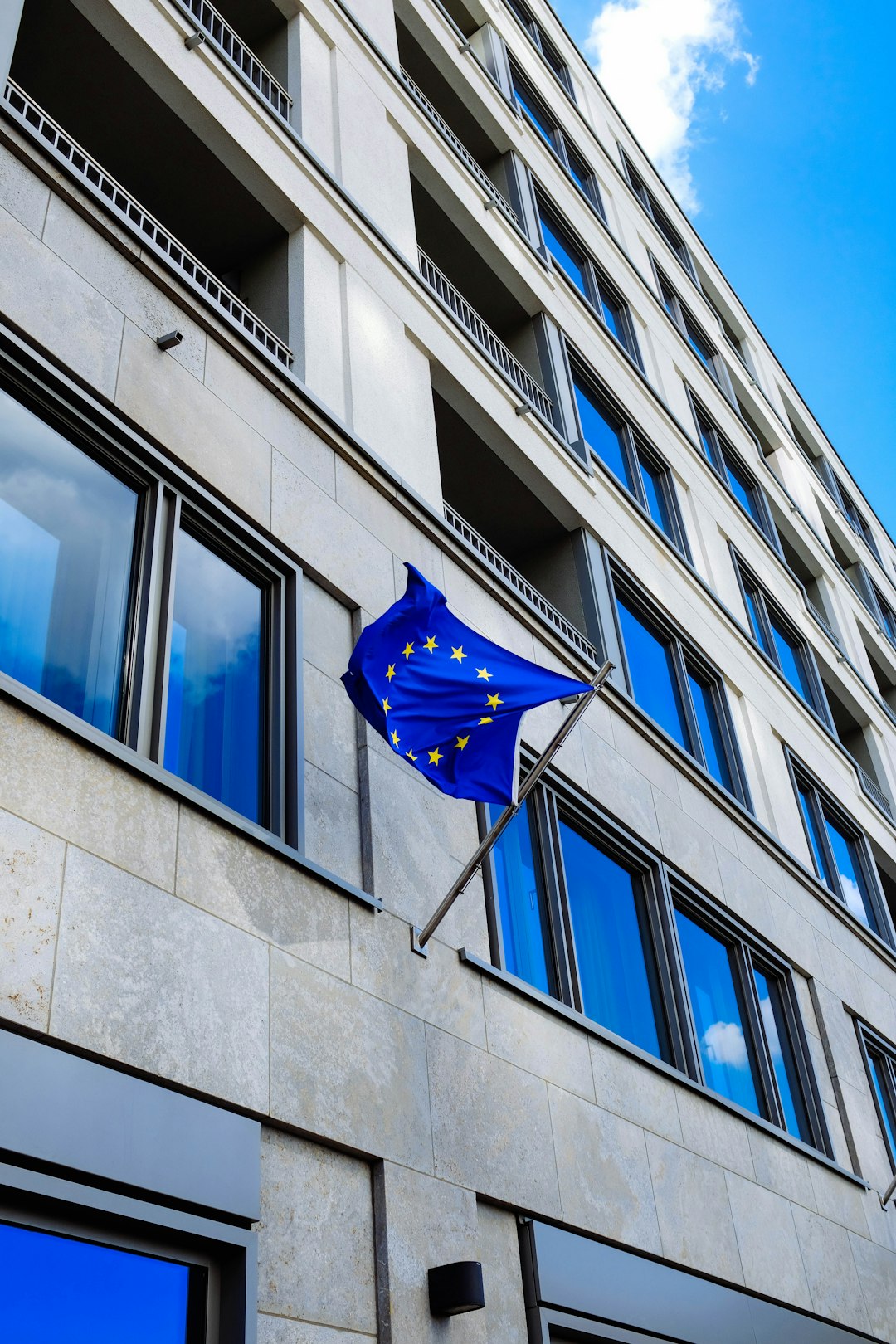
EU Cracks Down on Russian Diplomats' Travel Rights: What You Need to Know
Introduction: Understanding the New Travel Restrictions
The European Union is taking strong action. They are limiting travel for Russian diplomats. This decision comes after Russia's invasion of Ukraine. The Financial Times first reported this news. Reuters later confirmed the story. These restrictions are part of wider sanctions. They aim to pressure Russia to stop the war.
Diplomats usually enjoy special privileges. They can travel freely between countries. But now, Russian diplomats in EU nations face new rules. Their movements will be closely watched. Some areas might be off-limits. This affects hundreds of Russian officials across Europe.
The EU wants to prevent espionage activities. They also want to show support for Ukraine. These travel limits send a clear message. Russia's actions have consequences. Even their diplomats must face restrictions. This article explains everything about the new rules.
We will cover how these changes work. We will discuss why they matter. You will learn about the practical effects. Both for diplomats and for international relations. This is a developing story with important implications.
What the New Restrictions Actually Mean
The European Union's new rules are specific. They target Russian diplomats specifically. These officials work at embassies and consulates. Their travel freedom will be reduced significantly.
Key Changes to Diplomatic Travel
Russian diplomats now face several limitations. They cannot travel as freely as before. The changes include:
- Reduced travel distances from their posts
- Required permissions for certain trips
- Limited access to sensitive areas
- More paperwork for travel requests
- Closer monitoring of movements
Before these rules, diplomats could travel widely. They could visit most EU countries easily. Now, each trip might need approval. This makes their work more difficult.
Which Countries Are Involved?
All 27 EU member states must follow these rules. This includes major countries like Germany and France. It also includes smaller nations like Malta and Cyprus. Each country will implement the restrictions.
Some nations might add extra rules. Others might enforce them more strictly. But the basic framework applies everywhere. Russian diplomats across Europe face the same challenges.
Non-EU countries might follow this example. The United Kingdom is watching closely. So are other Western nations. This could become a wider trend against Russia.
Why the EU Made This Decision
The European Union has several reasons for this action. The main reason is Russia's war in Ukraine. But there are other important factors too.
Response to Ukraine Invasion
Russia invaded Ukraine in February 2022. The EU has condemned this action strongly. They have imposed many sanctions already. These travel restrictions are the latest measure.
The EU wants to show unity with Ukraine. They also want to pressure Russia economically. Limiting diplomat movements is another pressure point. It makes Russia's international work harder.
European leaders have spoken clearly. They say Russia must stop the war. These restrictions are part of that message. They show the EU's continued commitment to Ukraine.
Security Concerns
There are real security worries too. Some Russian diplomats might be spies. This is a common concern in international relations. The EU fears espionage activities.
By limiting travel, they reduce spying risks. Diplomats cannot visit sensitive areas easily. They cannot gather information as freely. This protects EU security interests.
Recent incidents have increased these concerns. Several EU countries expelled Russian diplomats. They accused them of spying. These travel rules prevent future problems.
How This Affects Russian Diplomats
The new rules change daily life for Russian officials. Their work becomes more complicated. Their personal lives are affected too.
Professional Challenges
Diplomats need to travel for their jobs. They attend meetings in different cities. They represent Russia at international events. Now, all these activities require more planning.
Simple tasks become difficult. Visiting another embassy might need permission. Attending a conference could require paperwork. Even routine diplomatic work faces obstacles.
This affects Russia's ability to operate in Europe. Their diplomatic missions become less effective. Communication with other countries suffers. Russia's international presence weakens.
Personal Impacts
Diplomats and their families face personal changes too. They cannot travel freely for vacations. Visiting family in other countries becomes harder. Even local travel might be restricted.
Children of diplomats might be affected. They cannot easily visit friends in other cities. Family outings need more planning. Daily life becomes more confined.
Some diplomats might request transfers. Others might leave diplomatic service. The psychological impact is significant too. Living with restrictions is stressful.
Historical Context of Diplomatic Restrictions
This is not the first time diplomats faced limits. History shows many similar cases. Understanding past incidents helps us see the bigger picture.
Cold War Precedents
During the Cold War, travel restrictions were common. Soviet diplomats faced many limits in Western countries. The same was true for Western diplomats in Soviet nations.
These restrictions aimed to prevent spying. They also served as political messages. When relations worsened, travel rules tightened. When relations improved, restrictions eased.
The current situation resembles Cold War patterns. It shows how diplomatic relations can change quickly. History helps us understand today's events better.
Recent Examples
In 2018, the UK restricted Russian diplomat travel. This happened after the Salisbury poisonings. Russia faced similar limits in other countries too.
In 2021, the US limited Chinese diplomat movements. They cited national security concerns. These cases show a growing trend. Countries are using travel rules as diplomatic tools.
The current EU restrictions are part of this pattern. They represent a modern approach to diplomatic pressure. Other nations might copy this strategy in future conflicts.
Practical Tips for Understanding Diplomatic Travel Rules
If you work with international relations, these tips help. They explain how to navigate the new reality.
For Journalists and Researchers
Understanding diplomatic rules is important. Here are some practical suggestions:
- Follow official EU announcements for updates
- Check with foreign ministries for specific country rules
- Understand that rules might change frequently
- Be aware of exceptions for emergency travel
- Recognize that some diplomats might have special permissions
For Business Professionals
International business might be affected too. Consider these points:
- Meetings with Russian officials might need more planning
- Business trips might face additional paperwork
- Some areas might be restricted for security reasons
- Always check current travel advisories
- Have backup plans for canceled meetings
Step-by-Step Guide to the New Approval Process
Russian diplomats must follow new procedures. Here is how the process works now.
Step 1: Submit Travel Request
The diplomat must complete a travel form. They provide details about their trip. This includes destination, purpose, and duration. They must submit this to host country authorities.
Step 2: Security Review
Local security agencies review the request. They check if the travel poses any risks. They might consult with other EU nations. This process can take several days.
Step 3: Approval or Denial
The host country makes a decision. They might approve the trip fully. They might approve with conditions. Or they might deny the request completely.
Step 4: Implementation
If approved, the diplomat can travel. But they must follow all conditions. They might need to check in during their trip. They must return by the approved date.
Real Examples and Case Studies
Looking at specific cases helps understanding. Here are some realistic scenarios.
Case Study 1: Conference Attendance
A Russian diplomat in Berlin wants to attend a conference in Paris. Before the restrictions, this was simple. Now, they need permission from German authorities. They also need approval from French officials. The process might take weeks. They might miss the event entirely.
Case Study 2: Family Visit
A diplomat's family lives in Rome. The diplomat works in Brussels. They want to visit for a weekend. Now, this requires formal approval. Even family visits face restrictions. This causes personal stress and inconvenience.
Case Study 3: Emergency Travel
A diplomat needs urgent medical care. The best hospital is in another EU country. Emergency travel might be permitted. But it still requires notification. Even in emergencies, rules apply.
Statistics and Data Analysis
Numbers help us understand the scale. Here are important statistics about this situation.
Number of Affected Diplomats
Approximately 500 Russian diplomats work in EU countries. All of them face these new restrictions. This represents a significant portion of Russia's diplomatic corps.
Economic Impact
The restrictions have economic effects too. Russian diplomats spend money in host countries. Limited travel means less spending. Local businesses might see reduced revenue.
Historical Comparison
During the Cold War, about 300 Soviet diplomats faced similar rules. The current restrictions affect more people. This shows the scale of current tensions.
Frequently Asked Questions
1. Do these restrictions violate international law?
No, they do not. The Vienna Convention allows host countries to set reasonable limits. Security concerns justify these restrictions. Other countries have used similar measures before.
2. How long will these restrictions last?
There is no fixed end date. The restrictions will continue as long as the Ukraine war continues. The EU might review them periodically. Changes depend on Russia's actions.
3. Can Russian diplomats still travel for emergencies?
Yes, emergency travel is still possible. But even emergencies require notification. Host countries will consider each case individually. Medical emergencies usually get priority.
4. Do these rules affect other Russian citizens?
No, these rules only target diplomats. Regular Russian tourists face different restrictions. The EU has separate travel rules for ordinary citizens.
5. Can diplomats travel outside the EU?
Yes, but they need to return through EU countries. The restrictions apply when they are in EU territory. Travel to non-EU nations follows different rules.
6. What happens if a diplomat breaks the rules?
They could face serious consequences. The host country might expel them. They might lose diplomatic immunity for that incident. Their country might face additional sanctions.
7. Are other countries considering similar measures?
Yes, several nations are watching the EU's actions. The United Kingdom might implement similar rules. Canada and Australia are also considering options.
Conclusion: Looking to the Future
The EU's decision marks a significant change. Diplomatic relations with Russia have entered a new phase. Travel restrictions are just one part of wider sanctions. But they have important symbolic meaning.
These rules show the EU's determination. They will continue pressuring Russia until the war ends. The restrictions also protect European security. They prevent potential espionage activities.
For Russian diplomats, life becomes more difficult. Their work requires more planning and paperwork. Their personal freedom is reduced. This might affect Russia's diplomatic effectiveness in Europe.
The situation remains fluid. Rules might change as the conflict evolves. Other countries might join these restrictions. The diplomatic landscape continues shifting.
Understanding these changes helps us see the bigger picture. International relations are constantly evolving. Today's restrictions might become tomorrow's norms. Or they might ease when peace returns.
One thing is clear: the EU is united in its approach. Russian diplomats will face limits until substantial changes occur. The world watches how this diplomatic standoff develops.