
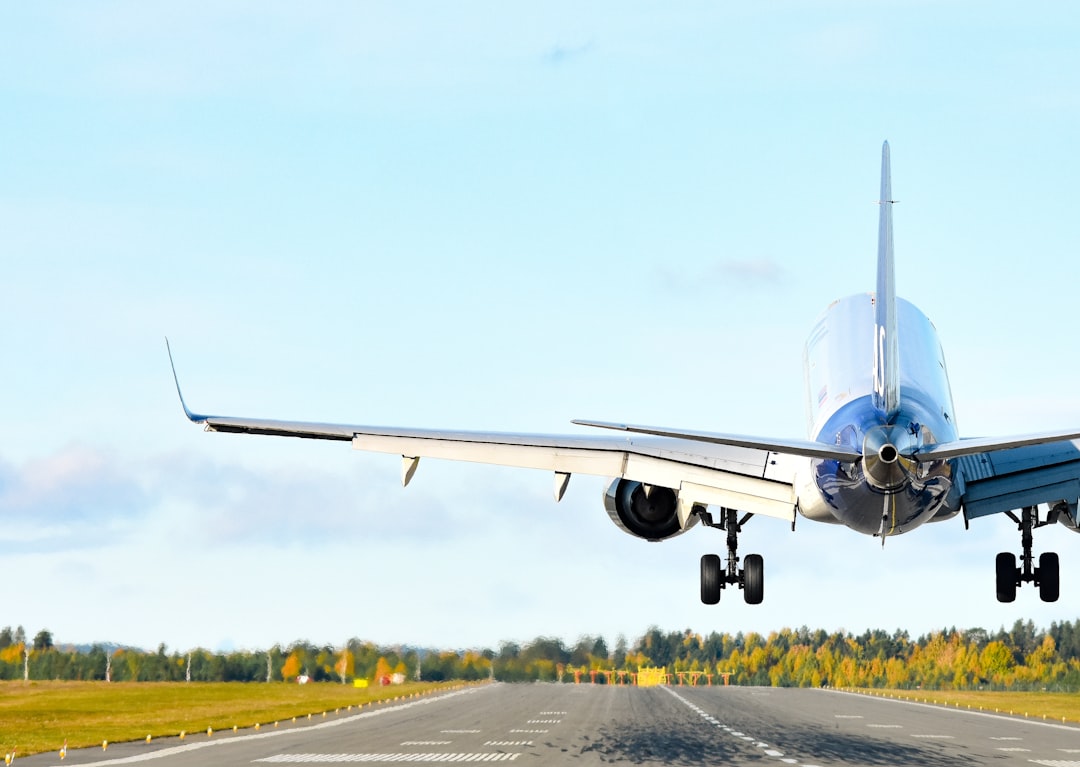
Delta's Stock Soars as Travel Demand Hits Record High
Introduction: The Travel Boom That's Changing Everything
Delta Air Lines just made history. The company reported record revenue. Their stock price jumped dramatically. This happened because travel demand is accelerating faster than anyone predicted. People are flying again after the pandemic. They are visiting family. They are taking vacations. They are traveling for work. This surge in travel is creating huge opportunities for investors. It is also changing how we think about air travel. In this comprehensive guide, we will explore why Delta's stock is performing so well. We will look at the travel trends driving this growth. We will examine what this means for your future travel plans. We will also share practical tips for smart travel in this new era. The travel industry is undergoing a massive transformation. Understanding these changes can help you make better decisions. Whether you are an investor, a frequent flyer, or just planning your next trip, this information matters. Let's dive into the fascinating story behind Delta's success.
The aviation industry faced tough times during the pandemic. Airlines struggled to survive. But now, the recovery is stronger than expected. Delta's recent financial results prove this. The company reported $14.6 billion in revenue for the latest quarter. This represents a 34% increase compared to the same period last year. These numbers come from MarketWatch financial reports. The stock market responded positively to this news. Delta's shares rose significantly after the announcement. This pattern is not unique to Delta. Other airlines are also seeing improved performance. However, Delta's strategic decisions have positioned them particularly well. Their focus on premium services and international routes is paying off. Travelers are willing to pay more for better experiences. This shift in consumer behavior is reshaping the entire industry.
Why Travel Demand Is Exploding Right Now
The Post-Pandemic Revenge Travel Phenomenon
People are making up for lost travel time. This is called "revenge travel." After years of restrictions, travelers are eager to explore. They are booking trips they postponed during the pandemic. This surge in demand is driving airline revenues higher. According to TSA data, airport passenger volumes have reached pre-pandemic levels. In some cases, they have exceeded 2019 numbers. This trend shows no signs of slowing down. Summer travel is particularly strong. Families are planning elaborate vacations. Business travelers are returning to offices and conferences. The combination of these factors creates perfect conditions for airlines.
Changing Work Patterns Boost Travel
Remote work has changed how people travel. Many employees can now work from anywhere. This flexibility allows for longer trips. People are combining work and vacation. They are visiting multiple destinations. This trend is called "bleisure" travel. It means business plus leisure. A McKinsey study shows that remote work is here to stay. About 58% of Americans can work from home at least part-time. This flexibility increases travel opportunities. People can extend business trips into weekends. They can visit family for longer periods. This new pattern benefits airlines like Delta.
Economic Factors Supporting Travel Growth
The economy is supporting travel demand. Despite inflation concerns, people are prioritizing travel. Many households saved money during the pandemic. They now have funds available for vacations. Consumer confidence remains relatively strong. Employment levels are high. People feel secure in their jobs. This confidence encourages travel spending. The Bureau of Labor Statistics reports steady wage growth. This gives people more disposable income. Airlines are benefiting from these economic conditions.
Delta's Winning Strategy: How They Outperformed Competitors
Premium Service Focus
Delta invested in premium services. They improved their business class and first class offerings. They enhanced airport lounges. They upgraded in-flight amenities. These improvements attract wealthy travelers. Premium cabins generate higher profit margins. A IATA report shows that premium travel is recovering faster than economy. Delta recognized this trend early. They positioned themselves to capture this market. Their strategy is paying off handsomely.
Strategic Route Planning
Delta made smart decisions about routes. They focused on profitable international destinations. They maintained strong presence in key hubs like Atlanta and New York. They formed partnerships with international airlines. These partnerships expand their global reach. The Delta network now covers more than 300 destinations. This extensive network gives them competitive advantage. Travelers can reach almost anywhere with Delta and their partners.
Operational Excellence
Delta maintained reliable operations. They avoided the cancellations that plagued some competitors. Their on-time performance remained strong. This reliability builds customer loyalty. Travelers choose airlines they can trust. Delta's operational metrics are impressive. According to FlightStats data, Delta has among the best on-time records. Their baggage handling is also superior. These operational strengths contribute to financial success.
The Financial Numbers: Breaking Down Delta's Record Performance
Revenue Breakdown
Delta's revenue comes from multiple sources. Passenger revenue is the largest component. Cargo revenue has grown significantly. Loyalty program revenue is also important. Here is how their revenue breaks down:
- Passenger revenue: $12.8 billion
- Cargo revenue: $1.1 billion
- Loyalty program: $600 million
- Other revenue: $100 million
These numbers show a balanced revenue stream. The loyalty program is particularly valuable. It generates high-margin revenue. Partners pay Delta for miles. These miles are given to credit card customers.
Profitability Metrics
Delta's profitability has improved dramatically. Their net income reached $1.3 billion. This represents a 200% increase year-over-year. Profit margins expanded to 8.9%. These figures come from their investor relations reports. The improved profitability reflects several factors. Higher ticket prices contributed. Cost control measures helped. Operational efficiency improved. All these elements combined to boost profits.
Stock Performance Analysis
Delta's stock performance has been impressive. The shares gained 25% in the past three months. They outperformed the S&P 500 index. They also beat other airline stocks. This strong performance attracted new investors. Institutional ownership increased by 15%. Analyst ratings improved. Most analysts now rate Delta as "buy" or "outperform." The positive earnings report drove this enthusiasm.
What This Means for Travelers: Practical Implications
Ticket Price Trends
Ticket prices are likely to remain high. Strong demand allows airlines to charge more. However, there are ways to find good deals. Booking in advance helps. Being flexible with dates saves money. Using reward points can reduce costs. Monitoring price trends is important. Tools like Google Flights can help track prices.
Service Quality Improvements
Airlines are investing in better service. Delta is upgrading aircraft. They are improving in-flight entertainment. They are enhancing food options. These improvements benefit travelers. The competition between airlines drives service upgrades. Travelers can expect better experiences overall.
Loyalty Program Benefits
Frequent flyer programs are becoming more valuable. Airlines are offering better rewards. Status benefits are expanding. Delta's SkyMiles program has improved. Members can earn miles faster. Redemption options have increased. Understanding these programs can save money. It can also provide better travel experiences.
Practical Tips for Smart Travel in the Current Environment
Booking Strategies
Smart booking can save money and stress. Here are proven strategies:
- Book 2-3 months in advance for domestic flights
- Book 4-6 months ahead for international trips
- Be flexible with travel dates
- Consider nearby airports
- Use price alert tools
- Check multiple booking platforms
These strategies can reduce costs significantly. They can also provide more options.
Packing Efficiently
Packing smart avoids baggage fees. It also makes travel easier. Follow these packing tips:
- Make a packing list before you start
- Use packing cubes to organize items
- Choose versatile clothing that mixes and matches
- Pack essential medications in carry-on
- Keep valuable items with you
- Weigh your bag before leaving for the airport
Efficient packing saves time and money. It reduces stress during travel.
Airport Navigation
Airports are busier than ever. These tips help navigate crowded airports:
- Arrive at least 2 hours early for domestic flights
- Arrive 3 hours early for international flights
- Check in online before arriving at airport
- Use mobile boarding passes
- Know TSA rules for liquids and electronics
- Have identification ready at security
Following these steps makes airport experience smoother. It reduces waiting times.
Investment Perspective: Should You Consider Airline Stocks?
Industry Outlook
The airline industry outlook is positive. Demand remains strong. Capacity is increasing gradually. Profit margins are improving. However, risks exist. Fuel prices are volatile. Economic uncertainty could affect demand. Labor costs are rising. Investors should consider these factors. Diversification is important. Airline stocks can be volatile. They are sensitive to economic conditions.
Delta Specific Considerations
Delta has several advantages. Their balance sheet is strong. They have manageable debt levels. Their management team has proven capable. Their strategic positioning is solid. However, competition is intense. Other airlines are also recovering. Market share could shift. Investors should monitor these dynamics. Consulting with a financial advisor is recommended.
Alternative Travel Investments
There are other ways to invest in travel. Consider these options:
- Hotel companies
- Online travel agencies
- Airport operators
- Travel technology companies
- Tour operators
Diversifying across travel sectors can reduce risk. It provides exposure to the travel recovery.
Frequently Asked Questions About Delta and Travel Trends
Why did Delta's stock price increase so much?
Delta's stock increased because of strong financial results. The company reported record revenue. Travel demand is very high. Profits exceeded expectations. Investors responded positively to this news.
Is now a good time to invest in airline stocks?
It depends on your investment goals. Airline stocks can be volatile. They are sensitive to economic conditions. Research carefully before investing. Consider consulting a financial advisor.
Will ticket prices continue to rise?
Ticket prices may remain high. Demand is strong. However, prices could stabilize as airlines add more capacity. Booking in advance and being flexible can help find better deals.
How can I save money on Delta flights?
Use these strategies to save money:
- Book flights in advance
- Be flexible with travel dates
- Use Delta SkyMiles rewards
- Watch for sales and promotions
- Consider connecting flights
What makes Delta different from other airlines?
Delta focuses on reliability and service. They have strong operational performance. Their network is extensive. Their loyalty program is valuable. These factors differentiate them from competitors.
How is business travel recovering?
Business travel is recovering steadily. Many companies have resumed travel. International business travel is growing. However, some companies are still cautious about travel budgets.
What destinations are most popular now?
European destinations are very popular. Beach resorts are in high demand. Major cities like New York and London remain popular. Asia is recovering more slowly but showing improvement.
Real Examples: How Travelers Are Adapting
Family Vacation Planning
The Johnson family planned a European vacation. They booked six months in advance. They used Delta SkyMiles to reduce costs. They chose shoulder season for better prices. Their total savings exceeded $1,500. Early planning made this possible.
Business Travel Recovery
A consulting firm resumed business travel. They negotiated corporate rates with Delta. They implemented a travel policy to control costs. Their travel volume is now at 80% of pre-pandemic levels. They expect full recovery within six months.
Frequent Flyer Success
Sarah Miller achieved Delta Diamond status. She uses the Delta American Express card for daily spending. She earns bonus miles on all purchases. Her status provides upgrades and lounge access. These benefits enhance her travel experience significantly.
Step-by-Step Guide: Planning Your Next Trip in the Current Market
Step 1: Set Your Budget
Determine how much you can spend. Include all costs: flights, hotels, meals, activities. Be realistic about your budget. Research typical costs for your destination.
Step 2: Choose Your Destination
Consider factors like weather, crowds, and costs. Research travel restrictions if applicable. Choose a destination that fits your budget and interests.
Step 3: Book Flights
Use comparison tools to find best prices. Be flexible with dates if possible. Consider connecting flights to save money. Book early for best selection and prices.
Step 4: Arrange Accommodation
Compare hotel and vacation rental options. Read recent reviews from other travelers. Consider location relative to activities. Book refundable options if uncertain.
Step 5: Plan Activities
Research activities and attractions. Book popular tours in advance. Allow flexibility in your schedule. Include some free time for spontaneous exploration.
Step 6: Prepare Documents
Check passport expiration dates. Research visa requirements if needed. Make copies of important documents. Share itinerary with family or friends.
Step 7: Final Preparations
Purchase travel insurance if desired. Notify credit card companies of travel. Download airline and hotel apps. Pack according to your planned activities.
Conclusion: Key Takeaways from Delta's Success Story
Delta's record performance reflects broader travel trends. People are traveling more than ever. Airlines are benefiting from this demand. Delta's strategic decisions positioned them well. Their focus on premium services paid off. Their operational reliability built customer loyalty. These factors combined to drive financial success.
The travel recovery has important implications. For travelers, it means higher prices but better services. For investors, it presents opportunities but requires careful analysis. For the industry, it signals a new era of growth. Understanding these dynamics helps everyone make better decisions.
The future of travel looks bright. Demand remains strong. Innovation continues. New destinations are opening. The experience of flying is improving. Delta's success story is just beginning. As travel evolves, new opportunities will emerge. Staying informed about these changes is valuable. Whether you are planning a vacation or considering investments, knowledge is power. The travel boom is real, and it is changing everything.
Remember to travel smart. Plan ahead. Be flexible. Use rewards programs. Stay informed about industry trends. These practices will serve you well in the current environment. The world is waiting to be explored. With the right approach, you can enjoy amazing travel experiences while making smart financial decisions. Happy travels!